
New era for Florence + The Machine after dance-fueled comeback
Published on 05/17/2026 at 01:05 | Editorial responsibility: Rafael Müller, Editor-in-Chief AD HOC NEWS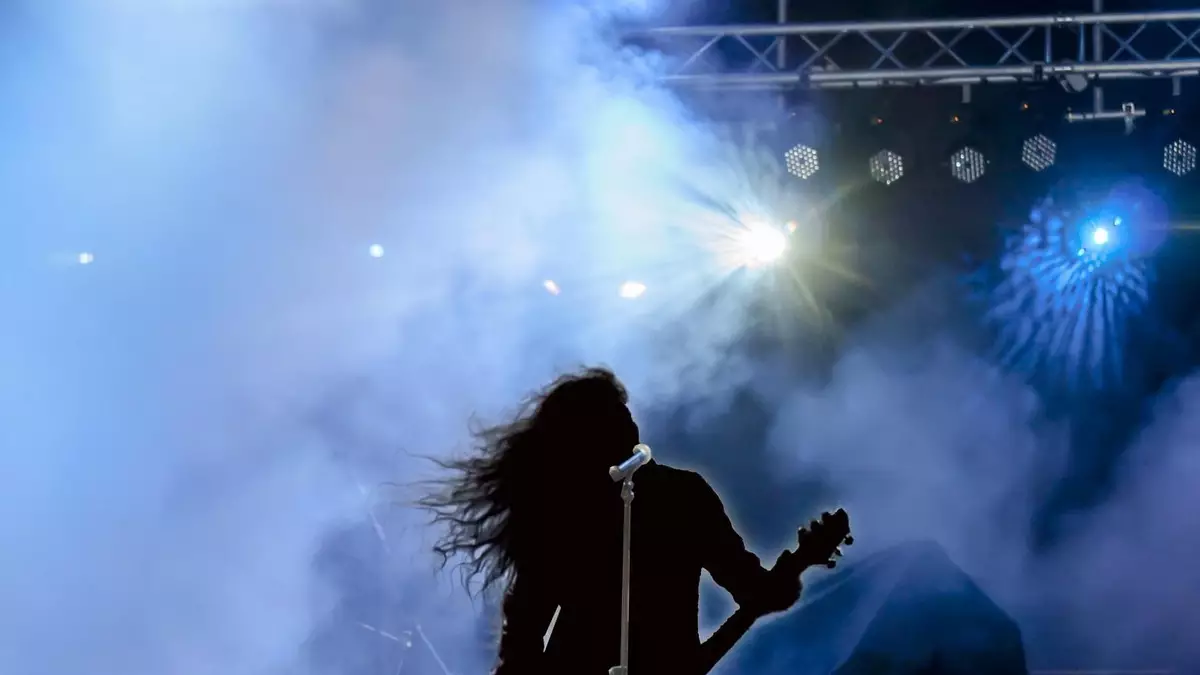
Under a wash of crimson lights at Madison Square Garden, Florence + The Machine turned a mid-set drum break into a full-body exorcism, reminding a packed New York crowd how feral and cathartic this band can be onstage.
Why Florence + The Machine matter now, even between album cycles
There has been no confirmed new album or tour announcement from Florence + The Machine in the last few days, but the group’s impact feels unusually present right now. TikTok edits still spin the group’s biggest singles, streaming numbers remain strong, and festival lineups are quietly dominated by acts that owe a debt to Florence Welch’s thunderous, art-pop drama.
Evergreen interest in the band has been fueled by the longevity of albums like Lungs, Ceremonials, How Big, How Blue, How Beautiful, High As Hope, and Dance Fever. According to Billboard, several of these titles have returned to the Billboard 200 multiple times since their initial releases, a sign of how often fans rediscover the catalog. NPR Music, in turn, has repeatedly highlighted Welch as one of the defining rock-adjacent vocalists of the last 15 years.
As of May 17, 2026, Florence + The Machine sit in a rare position for a modern rock-leaning act: big enough to headline arenas and upper-tier festival slots, but idiosyncratic enough to maintain the aura of an art project. For a US audience watching pop, rock, and indie constantly blur, the band’s arc doubles as a guide to where mainstream alternative music has traveled since the late 2000s.
- Key US milestones: breakout US success with Dog Days Are Over; multiple Top 10 placements on the Billboard 200; prominent sets at Coachella, Lollapalooza, Bonnaroo, and Governors Ball; and Grammy nominations recognizing both the group’s recordings and visual work.
- Signature collaborators: producer Paul Epworth on early material; Markus Dravs on Ceremonials and How Big, How Blue, How Beautiful; Emile Haynie and Jack Antonoff contributing to later projects; and partnerships with indie directors for cinematic videos.
- Streaming era relevance: continued playlist support on platforms like Spotify and Apple Music, where songs such as Shake It Out, Ship to Wreck, and King anchor mood-based and genre playlists.
None of these developments is tied to a single breaking news moment. Instead they underline how Florence + The Machine have quietly become part of the rock and pop infrastructure in the United States, the kind of act that shapes festival expectations and radio programming even when not actively promoting a new release.
Who Florence + The Machine are, and why the band still hits hard
Florence + The Machine is the project led by London-born singer and songwriter Florence Welch. Onstage and in the studio, Welch is joined by a rotating ensemble of musicians built around long-term collaborators like keyboardist Isabella Summers, often credited as a key architect of the band’s early sound. The outfit’s lineup can expand to include harp, additional percussion, and a small choir, which helps explain why the live shows feel closer to ritual than a standard rock set.
For US listeners, the group occupies a space between stadium rock, art-pop, and baroque indie. In the same way that acts like Arcade Fire, Lorde, and Hozier smuggled spiritual and emotional intensity into mainstream formats, Florence + The Machine have used massive choruses and gothic imagery to make big feelings chart-ready. According to The New York Times, Welch’s songs often function as confessionals, processing pain and joy through a lens of myth, religion, and romantic excess.
The band’s core relevance today lies in how these songs continue to soundtrack transitional moments in listeners’ lives. Graduations, breakups, cross-country moves, and late-night drives all seem to bend naturally toward tracks like Dog Days Are Over, Shake It Out, Hunger, and King. Even younger fans, who discovered the group years after those singles first hit US radio, treat them as emotional standards rather than nostalgia pieces.
In practical industry terms, Florence + The Machine matter because they bridge scenes. The group appears at major US festivals, lands on commercial radio, earns coverage in legacy publications, and still feels at home in indie record stores. That combination makes them a useful case study for how a rock-leaning act can thrive far into the streaming era without sacrificing personality or theatricality.
From South London beginnings to US breakthrough
The story of Florence + The Machine begins in London’s indie and art-rock circles in the mid-2000s. Welch grew up immersed in music, literature, and visual art, and early collaborators encouraged her to lean into a maximalist aesthetic that fused punk energy with choral harmonies and orchestral arrangements. Small club shows and early singles built buzz across the UK before the project had even settled into a fixed lineup.
The debut album Lungs arrived in 2009 on Island Records and spawned the career-defining single Dog Days Are Over. Initially a slow-burn success, the song gradually crossed over to US audiences, helped by placement in television, film trailers, and viral fan edits. Billboard reports that Lungs eventually climbed into the upper reaches of the Billboard 200, a significant achievement for a British art-pop record released into a marketplace dominated by hip-hop and Top 40 pop.
Critical response matched the growing commercial momentum. Publications such as Rolling Stone and Pitchfork praised the album’s blend of harp-laced arrangements, booming drums, and Welch’s elemental voice, which often leapt from a hushed whisper to a stadium-sized belt within a single chorus. The Guardian, covering the UK side of the story, framed the project as part of a broader wave of adventurous women reshaping alternative pop at the time.
The second album Ceremonials, released in 2011, pushed the group’s sound toward even grander, more gothic territory. Recorded with producer Markus Dravs, known for work with Arcade Fire, the record layered choirs, organs, and thunderous percussion into songs that felt purpose-built for arenas. In the United States, Ceremonials debuted near the top of the Billboard 200, underlining that the group’s rise was not a one-album fluke.
Touring played a huge role in solidifying the act’s American base. Florence + The Machine graduated from theaters to arenas over the course of just a few years, playing venues like Madison Square Garden in New York, the Hollywood Bowl in Los Angeles, and Red Rocks Amphitheatre outside Denver. The group also became a festival mainstay, with commanding sets at Coachella in Indio, Lollapalooza in Chicago, Bonnaroo in Tennessee, Austin City Limits in Texas, and Governors Ball in New York City.
That run included a particularly symbolic moment at Coachella, where Welch, performing despite a broken foot during one cycle, encouraged the crowd to sit down and then rise together, turning a physical limitation into a communal gesture. The scene crystallized what makes the group different: a willingness to embrace vulnerability, spectacle, and improvisation all at once.
Signature sound, key albums, and essential songs
Trying to pin Florence + The Machine to a single genre does not quite work. The band combines rock, pop, gospel, and baroque influences into what critics have often described as cathedral-sized indie. Welch’s voice, which can soar above dense instrumentation or drop into a raw rasp, anchors everything. According to Rolling Stone, her delivery channels the theatrical power of classic rock icons while speaking in the emotionally direct language of modern pop.
At the production level, the group’s work with collaborators such as Paul Epworth, Markus Dravs, Emile Haynie, and Jack Antonoff has defined different eras of the catalog. Early singles carried a jittery, percussion-heavy energy; later records added synth textures, more stripped-back arrangements, and a willingness to flirt with disco and electronic grooves without losing the band’s core identity.
Five studio albums form the spine of Florence + The Machine’s story so far:
Lungs (2009): The debut introduced US listeners to the band’s collision of harp, tribal drums, and anthemic hooks. Tracks like Dog Days Are Over and Kiss With A Fist became gateways for American fans, appearing on soundtracks and festival playlists. The album’s palette, equal parts indie grit and baroque pop, set the template for the group’s first chapter.
Ceremonials (2011): Dense, gothic, and towering, this album translated the band’s live power into studio form. Songs such as Shake It Out and What the Water Gave Me blended religious imagery, emotional cleansing, and big choruses that seemed engineered for arena sing-alongs. According to Billboard, the album’s US debut near the top of the Billboard 200 confirmed the group as a major international act.
How Big, How Blue, How Beautiful (2015): Marking a shift toward more personal, earthbound themes, this record folded brass arrangements and classic rock influences into the mix. Lead single Ship to Wreck found heavy rotation on US alternative radio, while What Kind of Man showcased a more guitar-driven intensity. Critics at outlets like Pitchfork noted how the album wrestled with self-sabotage and growth in a way that felt both grand and intimate.
High As Hope (2018): The band’s fourth studio effort stripped back some of the bombast in favor of more open space and confessional lyrics. Songs such as Hunger and Sky Full of Song foregrounded Welch’s voice and storytelling, with arrangements that nodded toward Americana and chamber pop. NPR Music singled out the album for its exploration of sobriety, family history, and artistic identity, emphasizing how the quieter production magnified the emotional stakes.
Dance Fever (2022): Recorded largely during the pandemic years and produced with Jack Antonoff and Dave Bayley of Glass Animals, Dance Fever merged the band’s love of ecstatic movement with post-lockdown dread. Tracks like King, Free, and My Love wove club-ready beats into songs haunted by anxiety and gender expectations. The album debuted high on the Billboard 200 and led to an extensive world tour, including major US dates at arenas and festivals.
Across these records, several songs have become essential entry points for US listeners:
Dog Days Are Over: A galloping anthem built on handclaps, pounding drums, and a cathartic chorus. The song’s structure, which explodes from a delicate harp introduction into full-band euphoria, made it a staple for film trailers and TV syncs.
Shake It Out: One of the band’s most overtly spiritual songs, it rides organ swells and choir-like backing vocals toward a promise of release from guilt and regret. The track became a fixture on US radio and remains a centerpiece of the live show.
Ship to Wreck: A nervy, guitar-forward single that finds Welch questioning self-destructive patterns even as the music surges around her. Its mix of introspection and rock energy made it a standout in the mid-2010s alternative landscape.
Hunger: Built on a memorable opening line about longing and self-image, the song transforms personal confession into a communal, stadium-sized chorus. The production, mixing piano, choir, and driving drums, epitomizes the band’s ability to make vulnerability feel heroic.
King: A standout from Dance Fever, this track tackles gender roles and artistic ambition over slow-building instrumentation that eventually erupts into one of the band’s most dramatic climaxes. According to Variety, the song became a touchstone for fans grappling with expectations around family, career, and identity.
Live, these songs evolve into even more physical experiences. The band leans into dynamic range, often pulling entire arenas into silence before detonating into mass sing-alongs. Welch’s habit of sprinting across the stage, leaping from risers, and sometimes venturing into the crowd has turned Florence + The Machine shows into something closer to secular revivals than standard concerts.
Cultural impact, critical reception, and legacy in progress
Over more than a decade, Florence + The Machine have carved out a distinct place in the cultural landscape. They emerged in an era when rock’s commercial dominance appeared to be fading in the United States, yet their records and tours demonstrated that guitar- and drum-driven music could still feel urgent if reframed through new perspectives.
Critics have often emphasized Welch’s role in reshaping ideas of what a rock frontwoman can be. According to The New York Times, her stage persona blends vulnerability, witchy mystique, and commanding presence in a way that owes as much to performance art and dance as to traditional rock archetypes. This has resonated with a generation of artists and fans who see identity and performance as fluid, layered concepts.
The band’s influence shows up in the wave of artists who combine maximalist arrangements with confessional lyrics: from mainstream pop stars flirting with indie textures to young alternative acts citing Florence + The Machine as a key inspiration. Publications like Stereogum and Consequence have highlighted this lineage when covering emerging singers whose work mixes spiritual imagery, orchestral builds, and emotionally charged vocals.
Institutionally, the group’s legacy is visible in metrics and milestones. The RIAA has certified several singles and albums at Gold or Platinum levels in the United States, reflecting hundreds of thousands or millions of equivalent units. Grammy recognition has included nominations in categories that straddle rock, pop, and video, underscoring the band’s hybrid appeal. While not every project has dominated the Billboard Hot 100, the consistency of album-era success on the Billboard 200 shows how committed the listener base remains.
Touring history adds another layer. In addition to headlining major US festivals like Coachella and Lollapalooza, Florence + The Machine have anchored bills at Bonnaroo, Outside Lands in San Francisco, Austin City Limits in Texas, and Governors Ball in New York. These high-profile appearances have helped cement the group as a reliable, emotionally intense closer or pre-headliner, capable of elevating crowds that just spent the day moving between stages.
The band’s visuals — from album artwork to music videos and stage design — also contribute to their cultural footprint. Collaborations with directors and designers have produced imagery that draws on Pre-Raphaelite painting, gothic cinema, and modern dance. According to Pitchfork, this visual world has helped fans conceptualize Florence + The Machine as more than a band: an atmosphere to inhabit, complete with its own color palettes, gestures, and symbols.
Fan culture completes the picture. Online communities trade setlists, artwork, and live footage, while social media timelines fill with stories of how certain songs helped listeners through personal upheaval. The relationship between Welch and the audience — often underscored by speeches about compassion, self-acceptance, and catharsis — has made shows feel like safe spaces for emotional release.
Looking ahead, the group’s legacy will likely hinge on how they navigate future projects. The success of Dance Fever proved that Florence + The Machine can integrate contemporary production trends without losing the core of what makes them distinctive. Whatever comes next, the band’s catalog already functions as a bridge between eras, linking the indie boom of the late 2000s with today’s streaming-dominated, genre-fluid reality.
Frequently asked questions about Florence + The Machine
Who is the lead singer of Florence + The Machine, and what defines her style?
Florence Welch is the lead vocalist and driving songwriter behind Florence + The Machine. Her style is defined by a powerful, wide-ranging voice, poetic lyrics steeped in myth and emotion, and a stage presence that blends bare-footed, freeform dancing with a sense of ritual. In performance, she often blurs the line between singer and conductor, guiding the energy of the crowd as much as the band.
What are the most important albums by Florence + The Machine to start with?
New listeners often begin with Lungs for its raw, breakout energy and Ceremonials for its towering, gothic grandeur. From there, How Big, How Blue, How Beautiful offers a more classic rock-leaning sound, High As Hope presents a stripped-back, confessional side, and Dance Fever showcases the band grappling with post-pandemic tension over danceable, modern production. Together, these records trace the evolution from art-pop upstarts to festival headliners.
How successful are Florence + The Machine on US charts and with awards?
Florence + The Machine have scored multiple Top 10 debuts on the Billboard 200 with albums including Ceremonials, How Big, How Blue, How Beautiful, and Dance Fever. Singles such as Dog Days Are Over, Shake It Out, and Ship to Wreck have performed well on alternative and rock-focused Billboard charts, even when not dominating the Hot 100. The band has earned Grammy nominations and RIAA certifications, reflecting both critical recognition and sustained listener support in the United States.
What is a Florence + The Machine concert like?
A Florence + The Machine concert often feels like a communal ceremony. The band delivers dynamic arrangements that swing from hushed ballads to explosive, drum-heavy climaxes, while Florence Welch roams the stage and sometimes the crowd. Audience participation is encouraged, whether through clapping, singing, or moments of collective stillness. US venues ranging from theaters to arenas and festivals like Coachella and Bonnaroo have hosted these immersive performances.
Are Florence + The Machine considered a rock band, a pop act, or something else?
Florence + The Machine sit at the intersection of rock, pop, and indie, borrowing from each without fitting neatly into a single category. Guitars, drums, and live instrumentation are central, which connects them to rock traditions, but the emphasis on big hooks, polished production, and chart presence lines up with pop. Many critics and fans describe them as an art-pop or baroque pop project, highlighting the theatrical, cinematic qualities that set the group apart from typical genre labels.
Florence + The Machine on social media and streaming
Florence + The Machine’s world continues to unfold on major platforms, where live clips, official videos, fan art, and curated playlists keep the music in daily rotation for US listeners.
Florence + The Machine – moods, reactions, and trends across social media:
More coverage from AD HOC NEWS
More coverage of Florence + The Machine at AD HOC NEWS:
Read more on Florence + The Machine at AD HOC NEWS ->Browse all Florence + The Machine coverage at AD HOC NEWS ->


