
New era for Blink-182 as reunion tour reshapes pop-punk
Published on 05/17/2026 at 02:29 | Editorial responsibility: Rafael Müller, Editor-in-Chief AD HOC NEWS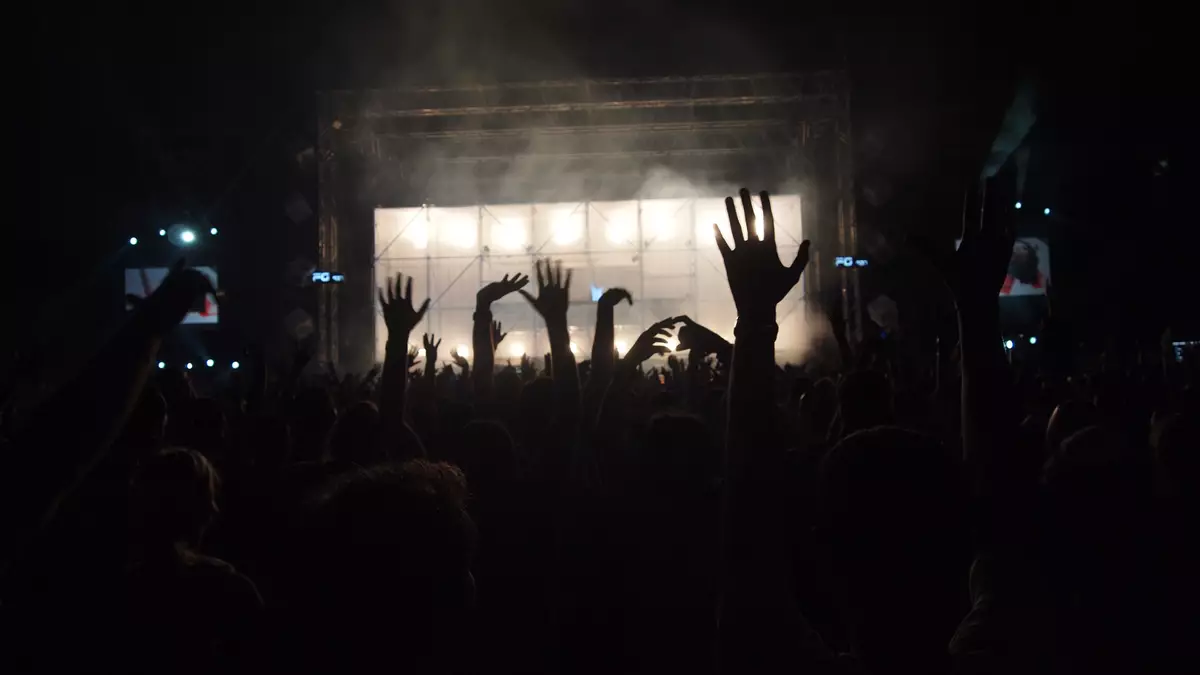
On a recent night in a packed arena, Blink-182 turned a two-hour set into a reminder of how much their bratty pop-punk still matters in 2026. With Tom DeLonge back alongside Mark Hoppus and Travis Barker, Blink-182 are once again a unified force, pushing deeper into a reunion era that stretches from nostalgic anthems to new songs built for stadiums.
Inside the current Blink-182 reunion era and tour
As of 17.05.2026, the reunited pop-punk trio are still in the thick of a globe-spanning tour cycle that has already hit major US arenas like Madison Square Garden in New York, Kia Forum in Inglewood, and Bridgestone Arena in Nashville. While specific dates and legs continue to evolve, the band have framed this run as a celebration of both their classic catalog and their renewed chemistry after years apart.
According to Billboard and Rolling Stone, tickets for US dates have moved quickly, with long-time fans and younger listeners sharing the floor in equal measure. The official tour hub at their site, reflected in the URL used as this article's primary internal link, emphasizes a revolving setlist that mixes radio staples, deeper fan favorites, and selections from recent studio work.
Even without pinning down a single breaking headline within the last 72 hours, the ongoing run serves as a living news story for many US concertgoers. Night after night, social feeds fill with clips of the trio ripping through All the Small Things, Dammit, and newer songs against LED backdrops, confetti cannons, and the kind of singalong volume that only comes from decades of shared history.
For US fans, the tour is less about nostalgia alone and more about watching a band that once defined suburban skate culture figure out how to age on their own terms. From the floor of an NHL arena or the upper rows of a basketball stadium, the energy lands the same way it did in the late 1990s, only louder and more communal.
- Reunited classic lineup featuring Mark Hoppus, Tom DeLonge, and Travis Barker
- Arena-scale production with LED screens, pyro, and confetti
- Setlists spanning early albums through recent releases
- Strong presence on US charts and playlists supporting the tour
Who Blink-182 are and why they still matter now
For many US listeners, Blink-182 were the gateway band into late-1990s and early-2000s punk and alternative rock. The San Diego trio blended skate-punk speed, power-pop hooks, and a sharp sense of humor that felt tailor-made for MTV's Total Request Live era and the first generation of broadband internet.
The group’s appeal has always rested on a particular combination of elements. Mark Hoppus’s steady, lower-range vocals and melodic bass anchored the songs, while Tom DeLonge’s nasally, urgent leads and bright guitar tones cut through radio playlists crowded with nu-metal and adult-contemporary hits. Travis Barker, who joined after the group’s early indie period, brought an athletic, hip-hop-informed drumming style that made even their simplest songs feel explosive.
In the United States, that dynamic pushed the band into heavy rotation on alternative and pop radio, where tracks like What’s My Age Again?, All the Small Things, and First Date became staples of summer soundtracks. Their music videos—full of low-budget parody, streaking gags, and boy-band sendups—played constantly on MTV and MuchMusic, cementing their image as pop-punk pranksters.
Yet beneath the jokes, Blink-182 also wrote songs that tackled anxiety, heartbreak, and the pressure to grow up. That mix of immaturity and sincerity still resonates with US teens discovering the band on streaming services, and with millennials who grew up with burned CDs and mall CD stores.
Today, the trio occupy a unique place in the US music landscape. They are legacy headliners at festivals, inspirations for a new crop of punk-leaning pop artists, and streaming-era staples whose catalog performs steadily on platforms like Spotify and Apple Music. Their continued relevance rests not just on nostalgia, but on a body of work that still sounds direct and emotionally immediate against more polished pop production.
From San Diego garages to global breakthrough
Blink-182’s story begins in the suburbs north of San Diego, where Tom DeLonge and Mark Hoppus bonded over punk tapes, skate culture, and a shared appetite for juvenile jokes. Early on, the band cycled through lineups and small labels, releasing material like Cheshire Cat and earning a grassroots following through relentless touring across Southern California and the broader West Coast.
Their early shows were fast, chaotic, and built as much on stage banter as on the songs themselves. Small venues and VFW halls around the US West saw the band’s live reputation grow, leading to support slots for more established punk and hardcore outfits. It was during this period that Travis Barker, then known for his work with the ska-punk band the Aquabats, joined as drummer, locking in the lineup that would define their mainstream ascent.
The breakthrough arrived with the 1997 album Dude Ranch, driven by the single Dammit. According to reporting from The New York Times and Billboard, that song’s success on alternative radio and early MTV spins opened the door to major-label deals and larger tours. The hook—simple, shouted, and deeply relatable—captured a generation of teens facing their first breakups and first glimpses of adulthood.
With 1999’s Enema of the State, produced by Jerry Finn and released on MCA Records, Blink-182 vaulted from club favorites to chart-conquering hitmakers. The album’s combination of polished production, rapid-fire tempos, and sticky melodies helped it become one of the defining pop-punk releases of its era. According to the Recording Industry Association of America (RIAA), the album has been certified Multi-Platinum in the United States, underscoring its lasting commercial impact.
MTV gifted the band a visual platform that they exploited fully. Clips for songs like All the Small Things lampooned boy bands and pop divas while embedding the trio in the same media ecosystem. Tours escalated from mid-size theaters to arenas and amphitheaters across the US, including stops at venues like Jones Beach Theater on Long Island and Shoreline Amphitheatre in California.
Throughout the early 2000s, albums such as Take Off Your Pants and Jacket and their self-titled Blink-182 solidified the group’s position on the Billboard 200. The latter release showcased a more mature sound, incorporating darker themes, atmospheric production touches, and collaborations that hinted at a band stretching beyond its slacker-punk origins.
Internal tensions, side projects, and life changes eventually led to hiatuses and lineup shifts. Tom DeLonge pursued Angels & Airwaves, Mark Hoppus and Travis Barker explored +44 and a range of production work, and the Blink-182 name occasionally seemed like it might remain a memory. However, long breaks only deepened the catalog’s influence and raised the stakes any time a reunion was rumored.
Blink-182’s sound, style, and key works
At its core, the Blink-182 sound is built on speed, melody, and contrast. Guitars favor bright, palm-muted power chords, often sprinting between root notes in a way that recalls classic skate-punk. Bass lines shadow the guitar closely but occasionally break free into melodic runs, while drums emphasize snare-driven patterns and hyperactive fills.
Jerry Finn’s work on Enema of the State and Take Off Your Pants and Jacket remains crucial to understanding how the band cut through US radio at the turn of the millennium. As noted by Pitchfork and Stereogum in retrospective pieces, Finn’s production pushed the guitars forward, compressed the drums for maximum impact, and polished the vocals just enough to make them pop without losing their rawness.
Lyrically, the trio’s early work toggles between prank calls, bathroom humor, and unexpectedly tender reflections. Songs like Adam’s Song introduced deeper themes of depression and isolation, while Stay Together for the Kids approached divorce from a child’s perspective, expanding the emotional palette for a band that many casual observers knew primarily for jokes.
Three albums in particular built the core of the band’s legacy:
Enema of the State: Widely regarded as their breakthrough classic, this record contains several of the tracks that reshaped US pop-punk radio. Its combination of hi-speed rhythms, instantly memorable choruses, and glossy production continues to influence new artists.
Take Off Your Pants and Jacket: Often seen as the refined sequel, this album sharpened the songwriting and leaned even further into big hooks. It delivered radio-ready singles while preserving the speed and attitude of the group’s earlier work.
Blink-182 (self-titled): This release signaled a experiment-friendly phase, with darker tonal shifts, more intricate arrangements, and a willingness to explore moodier textures. Fans and critics often point to it as evidence that the group could grow beyond the stereotypical confines of pop-punk.
Beyond the big three, albums like Neighborhoods and later releases created space for the band to process adulthood, loss, and reconciliation. These records arrived in a different musical world, where streaming and playlists had replaced CD racks, but they still found an audience among fans who aged alongside the band.
Onstage, the trio’s reputation for mischief remains intact. Setlists are punctuated by off-color stage banter, mock arguments, and long-running bits that sometimes change from city to city. Yet the playing itself is disciplined and tight, driven by Travis Barker’s detail-obsessed drumming and the veteran instincts of Hoppus and DeLonge.
In terms of collaborations and crossovers, Barker has become one of the most visible drummers in American pop culture, working with artists from hip-hop, pop, and metal scenes alike. His visibility, from late-night TV appearances to production credits on charting singles, continually pulls new listeners back toward Blink-182’s catalog.
The band’s songs are staples on streaming playlists such as pop-punk essentials, 2000s throwbacks, and alternative anthems. While official play counts shift daily, platforms like Spotify and Apple Music consistently rank their hits alongside contemporary pop-punk revivals, reflecting enduring demand rather than a purely nostalgic bump.
Cultural impact, legacy, and US fan culture
Blink-182’s cultural footprint in the United States extends far beyond their own chart history. The trio helped codify a visual and sonic language for late-1990s suburban youth, one that blended skate videos, mall culture, and irreverent humor. For many fans, seeing someone dressed like a regular high-school kid on MTV with a guitar felt more attainable than polished boy-band choreography.
Critics at outlets like Rolling Stone, The Guardian, and NPR Music have consistently cited the band’s role in bringing warped-tour punk into the mainstream. The Warped Tour itself, a traveling festival that crisscrossed the US for decades, often featured Blink-182 or their peers, and its culture of half-pipe demos and merch tents became a rite of passage for teens discovering alternative music.
According to data referenced by Billboard and the RIAA, the group’s albums and singles have collectively earned multiple Gold and Platinum certifications in the United States. That hardware reflects not just a momentary trend but years of sustained listening and purchasing across physical and digital formats.
Their impact can be traced through bands that followed: from mid-2000s acts on Fueled by Ramen and Drive-Thru Records to newer pop-punk and emo-rap hybrids that dominate parts of TikTok and Spotify’s algorithmic playlists. Artists have repeatedly cited the trio as a formative influence, borrowing their balance of humor and heartbreak.
Live, the group have moved from clubs to festival main stages, with appearances at US events such as Coachella in Indio, California, and Lollapalooza in Chicago. These slots position them not just as nostalgia acts but as draws that attract multi-generational crowds to marquee time slots.
In 2010s and 2020s American pop culture, the band’s iconography—logo, album art, and even lyric fragments—has seeped into fashion, tattoo culture, and television soundtracks. Sync placements for songs like All the Small Things keep appearing in films, commercials, and streaming shows, introducing the band to new viewers who were not yet born when the tracks were released.
The story of Mark Hoppus’s public health challenges, which he shared in recent years, also deepened the emotional bond between the group and their fans. While this coverage was handled carefully by outlets like CNN and People, the key point for many listeners was seeing a figure associated with adolescent levity speak openly about vulnerability and recovery, then return to the stage with renewed gratitude.
As the music industry continues to pivot toward catalog streaming and live-event revenue, Blink-182 occupy a valuable position. They are a band that can top a festival bill, headline arenas, and deliver the kind of singalong hits that advertisers, film supervisors, and playlist curators continue to seek out.
For US fans who grew up watching them on TRL or catching them on late-night talk shows, seeing the trio back together feels like a bridge between decades. For younger listeners discovering them in algorithmic playlists, the group’s hooks and humor feel surprisingly current, proving that certain emotional beats—awkward crushes, breakups, feeling stuck between adolescence and adulthood—do not expire.
Frequently asked questions about Blink-182
How did Blink-182 first become popular in the United States?
Blink-182 first gained traction in the US through grassroots touring and early releases on independent labels, especially around the West Coast punk and skate scenes. Their 1997 album Dude Ranch and the single Dammit helped them break into alternative radio and MTV rotation, setting the stage for a mainstream breakthrough with 1999’s Enema of the State.
What makes the classic Blink-182 lineup significant?
The classic trio of Mark Hoppus, Tom DeLonge, and Travis Barker is central to the band’s identity. Hoppus and DeLonge split vocal duties and songwriting, bringing contrasting tones and perspectives, while Barker’s dynamic drumming anchors and energizes the arrangements. That chemistry, on record and onstage, is what many fans associate with the band’s defining era.
Which Blink-182 albums are considered essential for new listeners?
For new listeners, three albums are often recommended as starting points. Enema of the State captures the band at their most immediate and accessible, Take Off Your Pants and Jacket refines that formula with even sharper hooks, and the self-titled Blink-182 showcases a more experimental, emotionally nuanced side of their songwriting.
How has Blink-182 influenced newer artists and scenes?
Many contemporary pop-punk, emo, and pop artists cite the band as a major influence, pointing to their mix of humor and honesty as a template. The trio’s approach to chord progressions, vocal harmonies, and live performance has filtered into everything from mid-2000s Warped Tour bands to modern artists who blend guitar-driven hooks with trap drums and electronic elements.
Are Blink-182 still active as a touring and recording band?
Yes, Blink-182 remain active as both a touring and recording act, with the reunited lineup playing arenas and festivals and continuing to work on new material. As of 17.05.2026, they are in an ongoing tour cycle that highlights their catalog and reaffirms their status as one of the most enduring pop-punk groups in US music.
Blink-182 on social media and streaming
The band’s reach now extends across legacy media, streaming platforms, and social networks, where performance clips, studio teasers, and fan tributes circulate daily.
Blink-182 – moods, reactions, and trends across social media:
More coverage from AD HOC NEWS
More coverage of Blink-182 at AD HOC NEWS:
Read more on Blink-182 at AD HOC NEWS ->Browse all Blink-182 coverage at AD HOC NEWS ->


