Muse 2026: Tour Buzz, New Era & Wild Fan Theories
14.02.2026 - 17:35:00 | ad-hoc-news.de
If it feels like Muse fever is spiking again, you're not imagining it. Every time the band even hints at new tour dates or a fresh era, timelines across the US, UK and beyond go into meltdown. Fans are refreshing ticket sites, arguing over setlists, and trying to predict which deep cuts might finally reappear.
Check the latest official Muse tour announcements here
You can feel the tension: are Muse about to scale things up again, go more intimate, or flip the entire live experience like they've done so many times before? While the official site stays sleek and slightly mysterious, fans are piecing together clues from interviews, setlists, and even stage designs. If you're trying to decide whether to save for floor tickets, travel for a stadium show, or wait for a second leg, this breakdown is for you.
The Backstory: Breaking News in Detail
Muse have built a career on never sitting still, and that restlessness is exactly why their touring and release cycles always feel like a storyline rather than a simple schedule. Recent chatter around the band has zeroed in on three big things: fresh touring activity, hints of new music directions, and how they plan to top the hyper-stylised, dystopian feel of their last album era.
In recent interviews with major music outlets, the band have floated the idea that their next moves might strip things back a little sonically while still keeping the live show huge. They've hinted that the "world-ending" themes they're known for could evolve into something a bit more personal and reflective without losing the giant riffs or the drama. That's already sent fans down endless rabbit holes: are we getting more piano-led epics like Butterflies & Hurricanes, or a return to the raw heaviness of Origin of Symmetry and Absolution?
On the touring side, Muse have a pattern: once they've dialled in a new show concept, they like to push it across continents, from European arenas and stadiums to North American runs and festival headline slots. Industry chatter suggests that when Muse lock a run in one region, it's rarely a one-off. Promoters love them because they reliably move big numbers: floor tickets that vanish in minutes, VIP packages that sell despite premium pricing, and upper tiers that fill with casual fans who know every chorus even if they don't consider themselves "stans".
For US and UK fans specifically, the focus is on timing. The band historically favour spring or summer waves for major outdoor dates, with indoor arena legs hitting around late autumn or winter. That split lets them build two slightly different experiences: one tailored for giant festival-style crowds with fireworks, drones or LED-heavy production, and another more controlled atmosphere where lighting, staging, and video can get ultra-precise.
Behind the scenes, there's also the money question. Production costs for Muse-level shows are massive: intricate lighting rigs, moving stages, pyrotechnics, hologram-like projections, and elaborate costume/visual concepts. That influences where they can realistically play. While fans dream of tiny "secret" club shows, the economics of moving that kind of operation means that even "intimate" tends to mean 5,000–10,000 capacity venues at minimum, or special one-off underplays in major cities like London, New York, or Los Angeles.
For fans, the implications are clear: when dates go live, they move fast. Historically, London, Manchester, New York, Los Angeles, Chicago, and key European hubs (Paris, Berlin, Amsterdam, Madrid, Milan) evaporate first. That's why the official tour page has become the homepage of obsession for the fanbase—it's the first place to cross-check any rumored date, local promoter leak, or screenshot from a venue email blast.
In short: the pieces are lining up for another major chapter. The only real question isn't if they'll be back near you—it's whether you'll be fast enough when they finally push that "tickets on sale" button.
The Setlist & Show: What to Expect
Muse setlists are part live show, part theatre, part sci-fi movie. That's why fans obsess over every song swap from night to night. Looking at recent touring patterns gives a solid sense of what you can expect when they roll through your city next.
First, the non-negotiables. Tracks like "Hysteria", "Plug In Baby", "Time Is Running Out", "Starlight", and "Uprising" almost always anchor the show. They're the songs that explode even in the nosebleeds: fists in the air, word-perfect singalongs, and that weird silent moment when the band drops the instruments and lets the crowd carry an entire chorus on its own. If you're bringing a casual fan, those are the tracks that turn them into a convert by the end of the night.
Then there are the rotating heavy hitters. Muse love to throw in songs like "Stockholm Syndrome", "New Born", "Supermassive Black Hole", "Knights of Cydonia", "Psycho", and "Reapers", often switching them up depending on region, night of the week, or pure instinct. Hardcore fans track these changes religiously: one show gets a blistering guitar workout, another gets more piano and falsetto. It creates that "I need to see multiple dates" energy that drives people to travel.
Recent shows have also leaned hard into newer material—anthemic tracks that sit comfortably next to the classics. Songs dealing with paranoia, surveillance, social collapse and resistance are given huge visual treatments: think LED walls pulsating like glitching systems, spotlights sweeping the crowd like searchlights, characters or masked figures roaming the stage, and choreography that makes the band themselves feel like part of the storyline rather than just three guys playing instruments.
A typical Muse night might open with a dramatic intro—dystopian voiceover, pounding drums, blinding strobes—leading into a high-tempo track designed to snap everyone to attention. From there, the setlist tends to move in waves: a run of fast, riffy songs; a mid-show breather with piano-led ballads or slower builds like "Sing for Absolution" or "Undisclosed Desires"; then a final act that gets progressively more chaotic until you're screaming the outro of "Knights of Cydonia" with 20,000 other people.
Atmosphere-wise, expect a mix of arena rock chaos and weirdly intimate moments. Muse are experts at shrinking the room during certain songs: spotlights narrow down to Matt Bellamy at the piano, the sound tucks in, and suddenly you feel like you're watching a tiny theatre performance rather than a huge production. Then, thirty seconds later, cannons fire, lasers cut through the air, and mosh pits open on the floor.
Production is its own character in a Muse show. Recent tours have featured:
- Multi-level stages so the band can disappear and reappear dramatically.
- Massive LED backdrops with glitch, propaganda, or retro-future aesthetics.
- Lasers synced perfectly to guitar lines and drum hits.
- Drones, inflatables, or masked performers adding a surreal edge.
- Costume changes or visual motifs that evolve through the night.
If you're on the barrier or on the floor, prepare for full-body impact: sub-bass that hits your chest, confetti storms, and being part of crowd waves during the big "whoa-oh" sections of tracks like "Uprising" or "Starlight". If you're in the stands, you'll get the panoramic view—the light show, the stage design, and the crowd itself becoming part of the spectacle.
And yes, the eternal question: will they bust out older deep cuts? Muse sometimes reward cities with legendary histories (think London, Paris, Tokyo) with surprise throwbacks like "Bliss" or "Citizen Erased". Hardcore fans track these moments like achievements. If you're chasing those, keep an eye on setlist forums and social media from the first leg of the tour—you'll quickly see which eras the band seem nostalgic for this time around.
What the web is saying:
Rumor Mill: What Fans Are Speculating
If you lurk Reddit threads or scroll TikTok long enough, you'll realize Muse fans might be part detective, part conspiracy theorist. Every minor clue becomes a potential hint about setlists, surprise shows, or a new album direction.
One of the loudest ongoing theories: a possible shift in sound. Fans have noticed that in recent performances and interviews, the band seem more relaxed about blending their heavier roots with cleaner, more melodic hooks. On subreddits dedicated to Muse, people are dissecting guitar tones from live clips, vocal choices, and even synth presets trying to figure out whether the next big project leans heavier like "Dead Star"-era chaos, electronic like "Madness", or somewhere new entirely.
Another huge talking point is ticket pricing and access. With production costs skyrocketing and dynamic pricing creeping into the live industry, Muse fans have been trading screenshots of wildly different prices for similar seats in different cities. Threads are full of advice: when to buy, whether presales are worth it, and if VIP upgrades are actually delivering anything beyond early entry and a lanyard. There's frustration too, especially among younger fans who discovered Muse during lockdown via streaming and now find themselves squeezed out of the best spots on the floor.
Then there are the rumoured "secret" or "underplay" shows. Whenever a festival slot or major city headliner date is announced, TikTok and Reddit immediately light up with speculation: if the band is already in town, will they drop a smaller gig in a 2,000-cap venue as a warm-up? People start tracking gaps in the schedule, venue availability, and even following crew members on Instagram for accidental leaks. It's half wishful thinking, half pattern recognition—Muse do have form for popping up in smaller venues for special events, radio sessions, or fan-club-only shows.
An entire subculture has also grown around "setlist justice". You'll see posts like, "This is the tour where we finally get 'Showbiz' back" or "If they play 'Citizen Erased' in my city I will ascend." Some fans keep elaborate spreadsheets tracking which songs haven't been played in years and which cities got the rarest sets last time around. If a tour opener anywhere in Europe or the US features a deep cut, you can guarantee a wave of reaction videos within hours.
On TikTok, the vibe is a little lighter but just as obsessed. Clips of Matt Bellamy's high notes in "Supremacy", Chris Wolstenholme's bass lines in "Hysteria", or Dominic Howard's fills in "Knights of Cydonia" are racking up views with captions like "POV: you hear this live and your soul leaves your body." There are also trend sounds built around Muse riffs, edits of dystopian visuals from different tours, and thirst posts about specific angles from the stage cams. Fans who have never seen the band live are using these clips to decide whether to go all-in on travel, hotels, and top-tier tickets.
Another recurring rumor cluster: collaborations. Whenever Muse share a photo in the studio or are spotted with another high-profile artist or producer, speculation erupts. Are they working with a pop producer for a crossover moment? Doubling down on heavy rock with a guest guitarist? Pulling in an orchestra for another orchestral epic? None of that is confirmed, but the fact that fans are dreaming in that direction shows how open the community is to yet another era shift.
Put simply, the fanbase isn't just waiting—they're actively writing headcanons for the band's future. And that makes every small update, leak, or announcement feel ten times bigger.
Key Dates & Facts at a Glance
Here's a fast-reference snapshot of the kind of info Muse fans are tracking when planning their year around potential shows and releases. Always cross-check with the official tour page for the most current updates, as schedules can change.
| Type | Region | Typical Timing | Notes |
|---|---|---|---|
| Major Stadium / Festival Runs | UK / Europe | Late spring – summer | London, Manchester, Paris, Berlin, Amsterdam, big festival headliners; full production and biggest crowds. |
| Arena Tours | US / Canada | Autumn – winter | New York, LA, Chicago, Toronto, more; slightly tweaked production for indoor spaces. |
| Special / One-Off Shows | Global | Scattered through cycle | Radio sessions, underplays, award show performances, fan-club style events. |
| New Music Windows | Worldwide | Usually tied to tour cycles | Singles and teasers often drop before or alongside tour announcements. |
| Classic Era Albums | Worldwide | 2000s – early 2010s | Origin of Symmetry, Absolution, Black Holes and Revelations still dominate setlist nostalgia. |
| Average Show Length | Worldwide | Approx. 90–120 minutes | 20+ songs, depending on production, curfew, and festival vs. headline constraints. |
| High-Demand Cities | US / UK / EU | Every cycle | London, Manchester, New York, LA, Paris, Milan, Madrid, Berlin often sell out fastest. |
FAQ: Everything You Need to Know About Muse
If you're gearing up for the next Muse era or just discovering them and wondering what the fuss is about, these are the questions most fans and curious newcomers end up asking.
Who are Muse, and why do people treat their shows like a life event?
Muse are a British rock band formed in Teignmouth, Devon, made up of Matt Bellamy (vocals, guitar, piano), Chris Wolstenholme (bass, backing vocals) and Dominic Howard (drums). They’ve evolved from scrappy, intense alt-rock upstarts into one of the few modern bands who can headline stadiums around the world on their own name.
What makes them stand out is the blend: soaring, operatic vocals, huge riffs, glitchy electronics, dramatic piano, and lyrics obsessed with power, control, rebellion, and the end (or rebirth) of the world. Live, they amplify everything: bigger visuals, louder choruses, more theatrical storytelling. That’s why people describe a Muse show less like "going to a gig" and more like "stepping into a sci-fi rock opera where you’re part of the plot."
What kind of fan are Muse shows best for—casuals or diehards?
Both, honestly. If you're a casual listener who knows the big songs like "Starlight", "Uprising", "Supermassive Black Hole", or "Madness", you'll still have a ridiculous time. The choruses are built to be screamed back, the visuals make sense even if you don't know all the lore, and the pacing rarely drags.
If you're a deep-cut fan, shows become a kind of treasure hunt. You're scanning the setlist for older tracks like "Bliss", "Map of the Problematique" or "Citizen Erased", and obsessing over which cities got the rare songs. Those details give you a reason to follow the entire tour, stream recordings, and trade clips with fans in other countries.
Where can I find the most accurate and up-to-date Muse tour dates?
Your first stop should always be the official tour page on the band's site. That's where confirmed dates, venues, and ticket links go live first, and where changes or additions quietly appear before social media catches up.
Beyond that, fan forums, Reddit threads, and dedicated Muse communities are useful to catch rumors of upcoming legs, local presale codes, or venue-specific rules (like early entry policies, banned items, or train connection tips for getting home after a late finish). Just remember that only the official site and venue/promoter announcements count as fully reliable.
When do Muse usually announce new tours—and how fast do tickets sell out?
There isn't a fixed rule, but Muse tend to announce tours in waves tied to album cycles or major single drops. You might see a European stadium run unveiled first, followed by North American arenas, then additional legs or festival appearances filling in the gaps.
Tickets for high-demand cities can vanish quickly—especially floor and lower-tier seats. Presales (fan club, cardholder, or promoter presales) often get you the best shot at good locations, but they can be stressful too. Fans recommend:
- Signing up for the band's mailing list and local venue lists in advance.
- Logging in to ticket platforms before the on-sale time.
- Being flexible—sometimes side-view or slightly higher tiers have better sound and sightlines than you'd expect.
Why are Muse tickets sometimes so expensive?
Part of it is simple economics: Muse carry huge production. The screens, lights, lasers, effects, crew, transport, and staging all cost serious money. Another part is the wider industry trend toward dynamic pricing, where in-demand seats get more expensive as they sell.
That doesn't mean every ticket is out of reach. Upper tiers and rear seats can be much more affordable, and for a band like Muse, you still get a massive experience from almost anywhere in the room. Some cities also add extra dates when demand is wild, which can calm the resale market a bit.
What should I expect from the crowd and the overall vibe?
Muse crowds are a fascinating mix: older fans who discovered them around "Origin of Symmetry" and "Absolution", people who came in with "Black Holes and Revelations" or "The Resistance", and Gen Z fans who met them through streaming, Twilight-era soundtracks, or TikTok edits.
The result is a multi-generational chaos that somehow works. Floor sections can get very active: pushing, jumping, light moshing during heavier tracks like "Stockholm Syndrome" or "Psycho". Stands are more chill but still loud, especially during the singalong sections. If you're not into being packed in tightly, aiming for sides or lower bowl seats is a smart move.
How should I prep if this is my first Muse show?
A few practical tips from seasoned fans:
- Listen to a "Muse Essentials" playlist beforehand so you know the big songs.
- Wear comfortable shoes—you'll be on your feet a lot.
- Bring ear protection if you're sensitive to volume; the band are known for powerful sound.
- Plan your travel, especially if you rely on late-night trains or buses; big shows can overrun a bit.
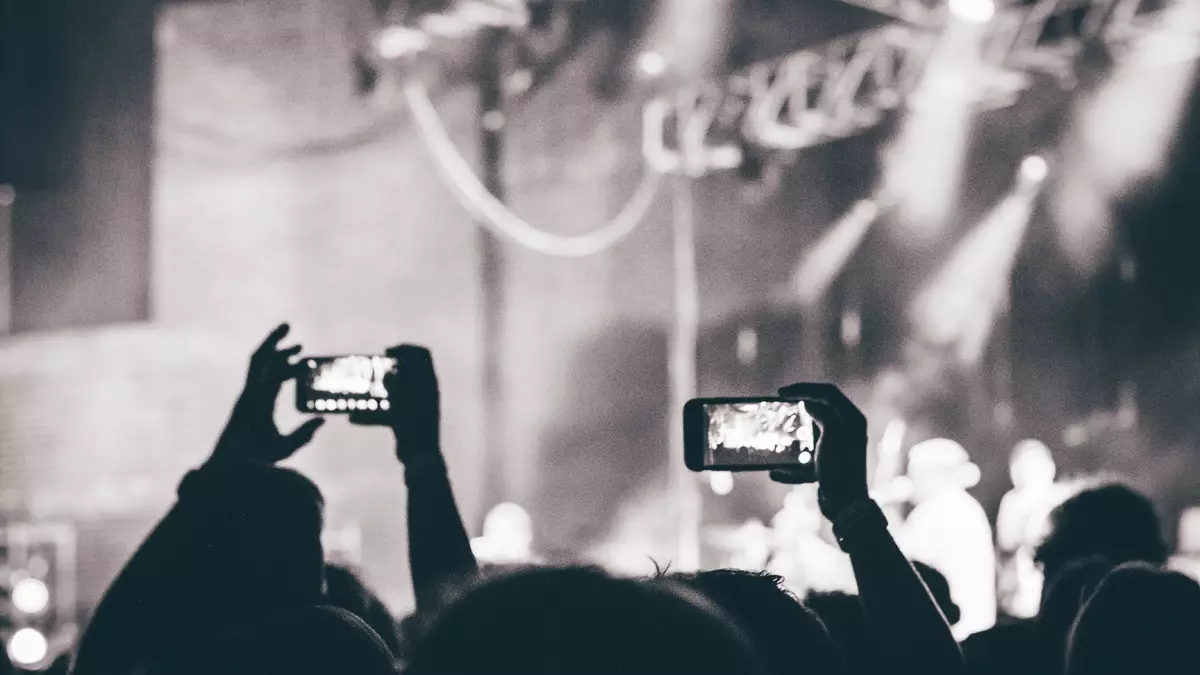
- Charge your phone, but don't live entirely through the screen—the visuals are better with your eyes than through a shaky video.
Why do people keep talking about "eras" when they talk about Muse?
Muse reinvent themselves almost every album cycle: different aesthetics, different stage designs, new political or sci-fi themes, and sometimes sharp stylistic pivots. Fans talk about the "Absolution era" or the "Black Holes" era or more recent dystopian phases like they're seasons of a long-running TV show.
Each era brings its own setlists, visuals, and fan culture moments. That's why people are so hungry for clues about what's next: a new era means new outfits, new lighting styles, new intros, new surprises in the encore. If you're just getting on board now, you're jumping into a story that keeps rewriting itself with every tour—and that constant evolution is exactly what keeps Muse at the center of rock conversations decades into their career.