Muse 2026: Are We On The Brink Of A New Era?
Veröffentlicht am: 06.03.2026 um 23:38 Uhr | Redaktionelle Verantwortung: Rafael Müller, Chefredakteur AD HOC NEWS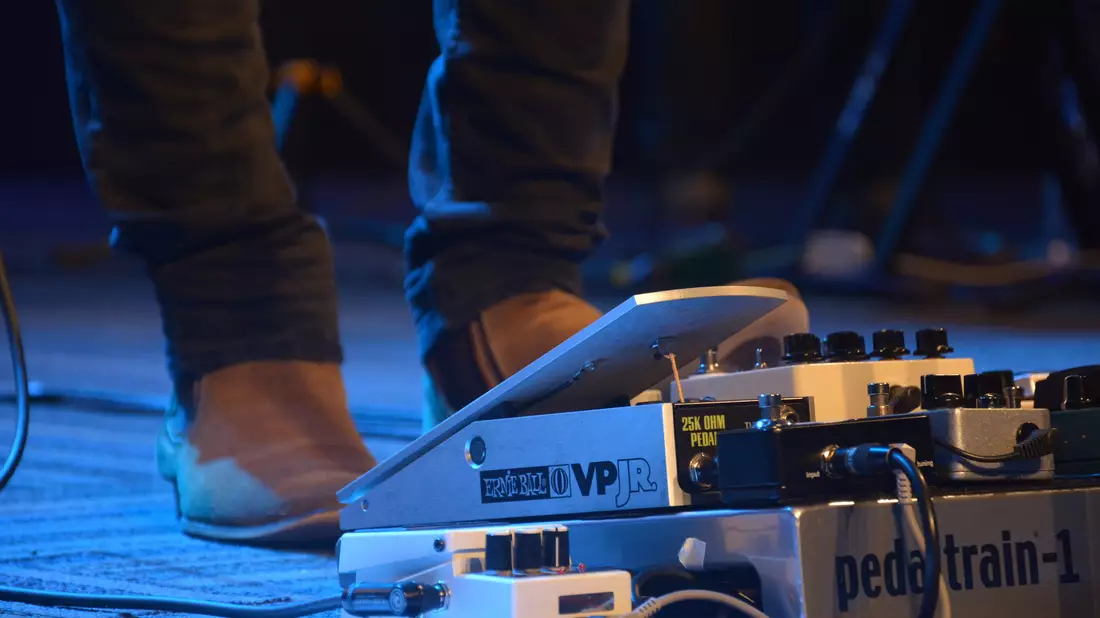
If you feel like your feed has suddenly turned into a nonstop Muse timeline, you're not alone. From fresh tour updates to suspicious studio hints, 2026 already feels like the start of a new chapter for one of the most obsessive fanbases in rock. Longtime followers are rewatching stadium clips on loop, newer fans are scrambling for tickets, and everyone is asking the same thing: is this just another tour cycle, or the beginning of a completely new Muse era?
Check the latest official Muse tour dates
For you, it probably started with a TikTok clip of "Knights of Cydonia" exploding into fireworks, or a friend dropping a link in the group chat with a simple: "Muse. 2026. We have to go." What makes the buzz feel different this time is how loud and global it is. US, UK, Europe – timelines are equally chaotic. Fans aren't just reliving the last 20 years; they're hunting for every hint that something bigger is coming.
So if you're trying to figure out where Muse are headed, what the shows actually look like in 2026, and whether you should be saving for tickets or vinyl first, here's the full rundown.
The Backstory: Breaking News in Detail
Muse operate in cycles: disappear into the studio, drop cryptic teasers, then roll out tours packed with lasers, drones, and riffs that sound like the apocalypse in 4K. The recent wave of tour updates has slotted neatly into that pattern – but fans have noticed subtle shifts that feel like the prelude to a new phase, not just a nostalgia lap.
Over the past weeks, official channels and ticketing sites have been quietly updating listings for new North American and European dates. The pattern looks familiar: major US cities, UK arena staples, and a string of European festival-style plays. But the way the band and crew are talking about the production suggests we're not in a simple rerun of past tours. Production insiders hint at a show that leans harder into live musicianship and deep cuts, while still keeping the huge cinematic energy Muse are known for.
In recent interviews with rock and pop outlets (think the usual suspects like NME, Kerrang!, and US alt radio stations), Matt Bellamy has kept things playful but loaded. He's talked about being obsessed again with raw rock energy and blending it with the kind of future?shock electronics that defined eras like "Black Holes and Revelations" and "Simulation Theory." That combination has fans reading between every line, convinced that the current tour build-up is also quietly pressure?testing ideas for the next record.
Look at the timing. It has been long enough since the last major album and tour cycle for the band to be refreshed, but not so long that the world has moved past them. Their streaming numbers remain stubbornly strong with younger listeners, especially on tracks like "Starlight", "Supermassive Black Hole", and "Hysteria" that keep going viral on TikTok edits. When a legacy band still pops up on Gen Z playlists next to hyperpop and bedroom pop, you know they're paying attention.
On the ground, fans in cities with newly announced dates are reporting the usual ticketing chaos: presale codes flying around Discord servers, Reddit threads tracking dynamic pricing spikes, and people trying to guess which nights will get the wildest setlists. But under that noise is something more emotional. For many fans, this is their first chance to see Muse post?pandemic, in a world where live music feels both more fragile and more necessary. That context adds weight to every announcement, every teaser image of lighting rigs and stage props being wheeled into arenas.
Implication for you? If you even think you might want to see them, you probably can't sit on it this time. Word of mouth from recent shows is strong enough that a wave of casual fans are now becoming must?go buyers. And if the constant whispers about new material prove true, these gigs might be your only chance to see certain songs in this specific, transitional form.
The Setlist & Show: What to Expect
Muse setlists have always been part rock concert, part science?fiction movie trailer. 2026 so far is no different – but the balance between old bangers and newer material is shifting in interesting ways.
Based on recent shows and fan?compiled setlist trackers, you can expect the big three to be almost guaranteed: "Hysteria", "Starlight", and "Knights of Cydonia". These are the tracks that still make entire arenas jump in unison, even when half the crowd has their phones out capturing every second. "Plug In Baby" keeps showing up too, often early in the set, hitting that sweet spot between nostalgia and pure adrenaline.
On the heavier side, "Stockholm Syndrome" and "Psycho" have been anchoring the mosh?friendly moments, proving the band still loves dropping into filthy riff mode. And for fans of the more theatrical side, songs like "Uprising" and "Supermassive Black Hole" remain central, supported by massive LED visuals and crowd?led chants. You know that ground?shaking stomp?clap moment in "Uprising"? It's still there, still ridiculous, still addictive.
The most interesting part of the 2026 sets, at least so far, is how much room Muse are carving out for mood and world?building. Some nights, they've rotated in deeper cuts like "Citizen Erased" or "Map of the Problematique" – songs that long?term fans treat like sacred texts. When those appear, social feeds from the show go absolutely feral. At the same time, newer tracks from their latest era are being slotted next to classics in a way that suggests the band is testing how all these eras can live together onstage.
Visually, you should brace for overload. Fans who've already hit recent shows describe a stage dominated by LED walls, dystopian?future imagery, and lighting cues synced with every bass drop and riff. Muse have a history of pulling in drones, massive props, and sci?fi visuals; 2026 is less about single gimmicks and more about a constantly shifting digital universe behind the band. One second you're staring at retro?futuristic cityscapes, the next you're in glitchy, AI?coded chaos.
The energy in the crowd, though, is the real headliner. Videos from the floor show a mix of seasoned fans yelling every word of "Time Is Running Out" and teenagers experiencing their first stadium rock epiphany. There's a strong sense of communal release – the kind of cathartic yell?sing that comes from living through messy years and finally being in a room where everyone is there for the same thing: loud, precise, dramatic rock music done on the biggest scale possible.
Support acts vary by region, trending toward modern alt?rock and electronic?leaning bands that make sense with Muse's futuristic vibe. Ticket prices, as ever, are a talking point: standard seats are relatively reasonable in some markets, brutal in others, and premium VIP packages can get eye?watering. But fans who've attended recent dates keep posting the same verdict after the stage goes dark – "worth every cent" – especially if you manage to get a good sightline for the full visual production.
What the web is saying:
Rumor Mill: What Fans Are Speculating
If you spend any time on Reddit or TikTok, you know Muse fans are basically unpaid detectives. Every new poster, setlist tweak, or interview clip becomes a clue. 2026 might be peak conspiracy season for this fandom.
One of the loudest theories on r/Muse and related threads is that the current tour is a stealth farewell to the purely "classic" setlist structure. Fans point out that the band has started to blur the edges between eras, using synth interludes and transitions that feel like brand?new compositions. The theory? Muse are blueprinting a more continuous, concept?album?style live experience for the future, where old and new tracks are woven together instead of blocked into clear eras.
Another popular speculation: new music is closer than the band is publicly admitting. Fans have clipped tiny moments from interviews where Bellamy mentions writing on the road again, or comments about wanting to respond to the current AI?driven, tech?paranoid culture with music that feels both human and futuristic. Combine that with suspicious studio photos, and you've got TikTok videos with captions like "Muse x AI concept album when?" pulling in hundreds of thousands of views.
On TikTok specifically, one trend has caught fire: mashups of Muse riffs with short?form hyperpop and EDM drops. Gen Z editors are slicing "Hysteria" and "Uprising" bass lines into modern sounds, tagging the band and joking that they're accidentally predicting the next era. What began as a meme is now folding into genuine speculation that any upcoming project might lean harder into electronic maximalism, while still keeping those big live?band dynamics.
Then there are the ever?present setlist wars. Threads pop up after every show with fans arguing over whether the band should retire certain songs for a while to make room for deep cuts. Some die?hards want more "Origin of Symmetry" and "Absolution" moments; others argue that tracks like "Pressure" and newer singles deserve more space because they light up younger crowds. The bigger underlying fear: that this could be one of the last big, expensive, all?out tours before the band shifts toward more selective shows and festival appearances.
Tickets, unsurprisingly, are another source of drama. Dynamic pricing screenshots circulate on X and Reddit, showing standard seats jumping as demand spikes. Fans trade strategies – joining fan?club presales, hitting regional ticket sites, or even traveling to another city where prices are less intense. And in the middle of that chaos are people just hoping Muse don't skip their region, especially outside the usual US/UK/EU triangle.
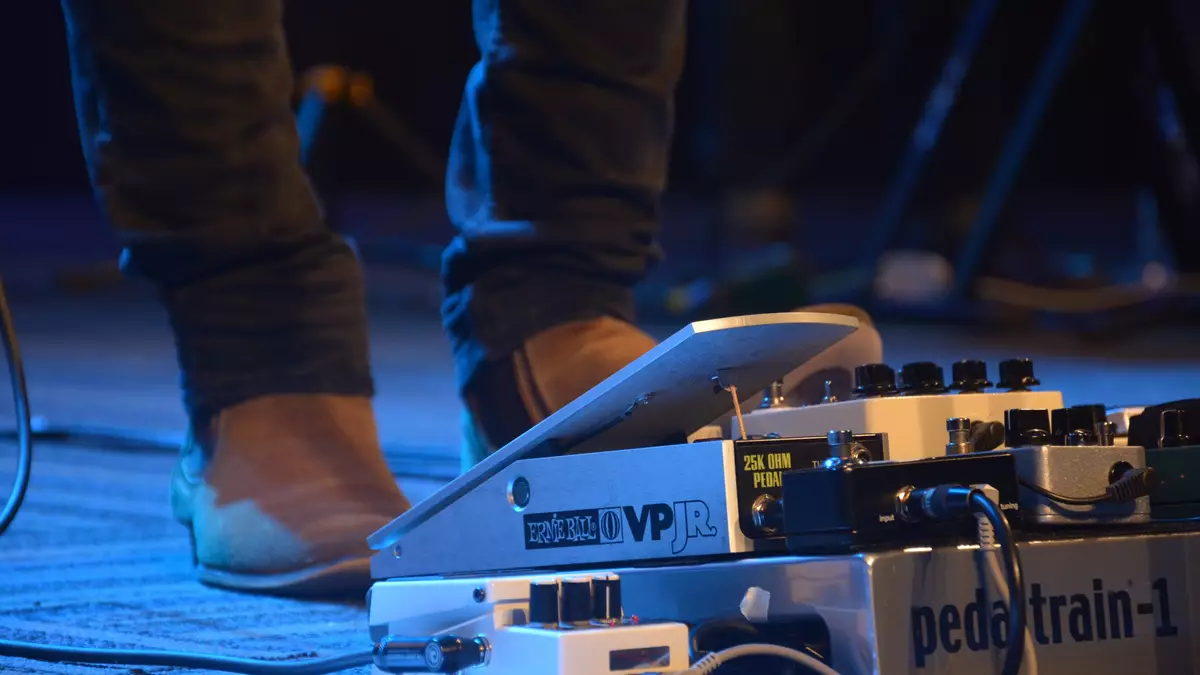
All of this anxious energy – the theories, the debates, the breakdowns of Bellamy's pedalboard spotted in a rehearsal photo – points to one thing: people feel like something is at stake in this era. Whether it's the possibility of a bold new album, a shift in live production, or the fear of missing what might be a historic run of shows, fans are treating 2026 as a year they don't want to blink through.
Key Dates & Facts at a Glance
- Official tour listings: The most accurate, up?to?date dates and venues are always on the band's site: Muse official tour page.
- Typical tour pattern: Major US cities (New York, Los Angeles, Chicago), then UK arenas (London, Manchester, Glasgow), followed by continental Europe (Paris, Berlin, Amsterdam, Madrid).
- Show length: Most recent Muse headline sets run around 90–120 minutes, usually 18–22 songs including encores.
- Guaranteed anthems: "Starlight", "Hysteria", "Knights of Cydonia", "Uprising" and "Supermassive Black Hole" almost always appear in some form.
- Possible deep cuts: Fans report seeing songs like "Citizen Erased", "Bliss" and "Map of the Problematique" rotated in on select nights.
- Visual production: Expect large LED walls, themed animations, intense laser work and carefully choreographed lighting tied to each song.
- Ticket types: Standard seated, standing/floor GA, plus VIP or "enhanced experience" packages that may include early entry or merch bundles.
- Streaming impact: After each tour leg, core tracks like "Starlight" and "Supermassive Black Hole" typically spike on Spotify and Apple Music as new fans go down the rabbit hole.
- Fan hotspots online: Reddit (r/Muse), TikTok under #muse and #museband, and YouTube comment sections on live clips.
- Best way to avoid FOMO: Follow official social channels and check the tour page weekly in case of added or upgraded dates.
FAQ: Everything You Need to Know About Muse
Who are Muse, and why do people care this much in 2026?
Muse are a British band formed in the 1990s, built around the core trio of Matt Bellamy (vocals, guitar, keys), Chris Wolstenholme (bass), and Dominic Howard (drums). They grew from small?venue upstarts into one of the biggest live rock acts on the planet by combining heavy riffs, operatic vocals, and sci?fi?soaked aesthetics. For many fans, Muse filled the hole between classic rock spectacle and modern electronic experimentation. In 2026, they matter because they're one of the few bands still delivering massive, story?driven arena shows that feel genuinely handcrafted for the live space, not just scaled?up versions of a playlist.
What kind of music do Muse actually play?
If you ask ten fans, you'll get ten answers. Officially, they're often tagged as alternative rock, progressive rock, or space rock. In reality, their sound ranges from heavy, riff?driven tracks like "Stockholm Syndrome" to piano?led ballads like "Sing for Absolution", synth?stacked anthems like "Starlight", and dance?leaning cuts that flirt with pop and electronic production. Albums like "Black Holes and Revelations" and "The Resistance" leaned into big, cinematic compositions, while later projects injected more overt pop and electronic flavors. The live show pulls from all of that, so if you like drama, big choruses, and musicians who flex technically without losing emotion, you're in the right place.
Where can I see Muse on tour right now?
The official answer is simple: start with the band's own listings. The Muse tour page aggregates current and upcoming dates across the US, UK, and Europe, with direct ticket links and status updates. Because dates can sell out or shift, third?party lists sometimes lag behind or miss last?minute additions. If you're in North America, expect major cities and festival slots; in the UK, look out for arena runs; and across Europe, Muse tend to favor capital cities and iconic outdoor venues. Fans outside those core territories should keep an eye on festival announcements – sometimes Muse will pop up as a headliner even if they're not running a full standalone tour in that region.
When is new Muse music coming?
Officially, there is no locked?in, publicly announced date for the next full album as of early 2026. Unofficially, fan speculation is intense. Hints in interviews about ongoing writing, plus the way newer live arrangements are sneaking in more synthetic textures and fresh interludes, have many people convinced that a new project is taking shape behind the scenes. Historically, Muse tend to work on album cycles that run a few years apart, and they like to road?test ideas live before fully unveiling them. That means the songs and soundscapes you hear on this tour might be your first preview of where the next record could go – even if the band haven't slapped official titles or release dates on anything yet.
Why are Muse tickets sometimes so expensive?
Muse's live show is not a bare?bones operation. You're paying for massive screens, laser rigs, intricate lighting, multi?camera capture for certain dates, and a crew that can set up and tear down a sci?fi?level spectacle night after night. On top of that, many markets now use dynamic pricing, where high demand pushes prices up in real time. It's frustrating – and fans aren't shy about saying so online – but it's also part of why the show looks and feels more like a blockbuster movie than a club gig. If you're on a budget, your best bet is to jump on presales, aim for upper?bowl or restricted?view seats, or check for last?minute drops close to show day when production holds get released.
What should I expect at my first Muse concert?
Expect it to be loud, precise, and very visual. Muse are known for tight musicianship – Bellamy's vocal range and guitar playing, Wolstenholme's bass tone, and Howard's drumming all hit harder in person than on record. The sound mix at most recent shows has been praised by fans for being punchy without turning into mush, even in big arenas. Crowd?wise, you'll see a wide age mix: teens in band shirts, thirty?somethings reliving their first festival summers, and older fans who've followed the band since small venues. Singalongs are intense on songs like "Time Is Running Out" and "Starlight"; moshier energy tends to cluster around the pit during heavier tracks. If you want to be in the middle of the chaos, go for floor GA. If you want to take in the full light show, a slightly elevated side seat can actually be the move.
How do I get ready so I don't feel lost in the setlist?
Hit a quick essentials playlist: "Starlight", "Hysteria", "Supermassive Black Hole", "Uprising", "Plug In Baby", "Knights of Cydonia", plus a few deeper fan favorites like "New Born" or "Citizen Erased". Listen once or twice in the week leading up to your show, and you'll recognize most of the big singalong moments instantly. If you want to go deeper, browse recent fan?made setlists posted online and build your own queue. But don't stress too much – part of the fun is being surprised when a song you barely know suddenly hits you harder live than anything you thought you were coming for.
Bottom line: 2026 feels like a hinge year for Muse. Whether it leads straight into a new album cycle or stands as a definitive late?career flex, it's clear the band aren't coasting. They're still chasing scale, still tweaking their sound, and still giving you plenty of reasons to scream along in the dark with thousands of strangers.
Disclaimer zu unseren Artikeln: Keine Anlageberatung, keine Kauf- oder Verkaufsempfehlung. Angaben zu Kursen, Unternehmen und Märkten ohne Gewähr; Änderungen jederzeit möglich. Börsengeschäfte können zu hohen Verlusten führen. Unsere Beiträge werden ganz oder teilweise automatisiert mit Unterstützung von AI erstellt und geprüft.