
Mumford & Sons: Are We Quietly Entering Their Next Era?
Published on 03/11/2026 at 19:59 | Editorial responsibility: Rafael Müller, Editor-in-Chief AD HOC NEWS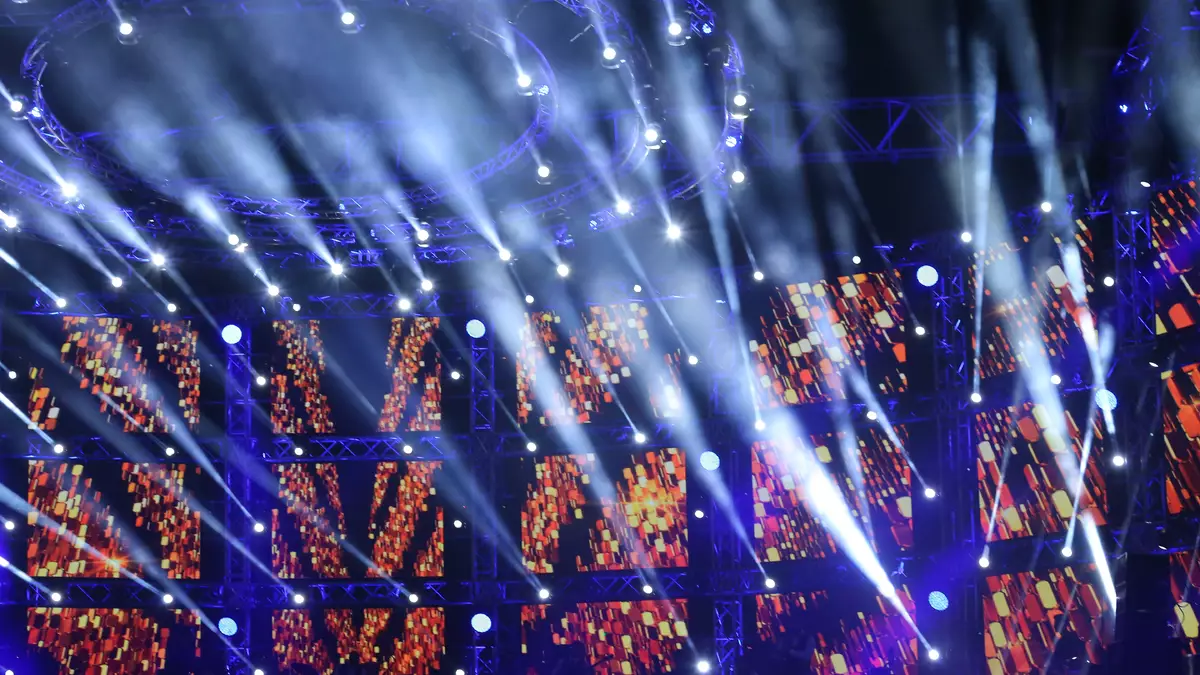
You can feel it in the timelines, in the group chats, even in the way old Mumford & Sons tracks are suddenly popping back into your algorithmic playlists again: something is moving in the Mumford camp. Hardcore fans are tracking every live update, casual listeners are remembering how hard I Will Wait used to hit, and the word "comeback" is floating around a lot more than usual. If you are even slightly Mumford-curious, this is the perfect moment to pay attention.
Check the latest Mumford & Sons live dates and tickets here
Fans who stuck with the band through the acoustic-folk explosion, the arena-filling Babel years, and the synth?leaning Delta era are suddenly all asking the same question: is this the start of a new phase? New setlists are shifting, old deep cuts are sneaking back in, and online rumor mills are going wild about possible new music. Let’s break down what is actually happening, what the live show looks like in 2026, and why Mumford & Sons are quietly becoming one of the most fascinating comeback stories in modern British rock again.
The Backstory: Breaking News in Detail
Mumford & Sons have always operated in waves. They blow up globally, tour to the absolute limit, then disappear just long enough for everyone to start wondering where they went. The current buzz around the band is driven by one simple thing: live activity. Whenever a band that has been relatively quiet starts updating their official live page, fans know it rarely stops there.
Over the last months, new festival slots and headline shows have begun to appear, especially across Europe, the UK and key US markets. The pattern feels calculated rather than random. Instead of throwing out a massive, 80?date world tour all at once, Mumford & Sons seem to be testing the water with curated appearances: high?impact festival headlines, select city stops, and a few under?the-radar dates that sell out before most casual fans even realise tickets were on sale. That slow-build approach is already lighting up TikTok and Reddit, because it usually means one of two things: a full studio comeback, or a major anniversary celebration.
Alongside these newly active live plans, there is also the bigger context of where Mumford & Sons sit in 2026. The band helped define the early 2010s "big folk" wave. Tracks like Little Lion Man and The Cave didn’t just chart – they rewired the sound of alternative radio and festival lineups from Glastonbury to Coachella. Then, instead of repeating themselves, they pivoted. Wilder Mind and Delta moved away from banjos and stomps and leaned into electric guitars, synths, and slow-burn crescendos.
That shift divided fans. Some people missed the raw, pub?shout chorus energy of Roll Away Your Stone; others loved the risk and saw songs like Guiding Light and Beloved as proof the band could age gracefully out of their own stereotype. In recent interviews across major music magazines and podcasts, band members have hinted that they no longer feel chained to either camp. Paraphrasing one widely?shared comment, they described their current mindset as something like: "We’re not on team banjo or team no?banjo anymore. We’re just on team song." That attitude is exactly what you can feel bleeding into their 2026 live choices.
Fans are also reading between the lines of the band’s public moves. When an established group starts refreshing artwork on socials, teasing nostalgic content on anniversaries, and hinting at studio time in offhand quotes, long?time followers know that usually signals a strategic rollout, not random nostalgia. Put simply: the band looks like they are lining up their next big moment, and the live shows are the first chapter.
The implications for fans are huge. If you are a day?one listener who fell in love with Sigh No More, this current activity looks like an invitation to reconnect with that era and see how those songs have evolved. If you discovered them later, through Wilder Mind or Delta, you are about to watch a band fully aware of their history make new decisions in real time. And if you only know the hits from playlists, this might be the best possible entry point: a band with arena-level confidence, a decade of songwriting behind them, and something still to prove.
The Setlist & Show: What to Expect
Let’s talk about the real reason fans refresh setlist sites after every show: which songs are actually being played. Recent Mumford & Sons gigs paint a clear picture of a band trying to balance nostalgia with evolution. The shows read less like "greatest hits" cash-ins and more like living mixtapes of their whole career so far.
Almost every recent set opens with a slow?building track that sets the emotional tone – something in the lane of Guiding Light or 42. These songs are perfect openers for 2026: moody, atmospheric, and written with enough dynamic range that the band can start almost in a whisper and end with thousands of fans screaming along. From there, they usually slam straight into a run of classics. Little Lion Man, The Cave, Roll Away Your Stone, and Winter Winds still land like crowd-control weapons. These are the tracks that built their festival legend, and the band clearly understands that those seismic sing?alongs are non?negotiable.
Where things get more interesting is the mid?set stretch. Recent setlists have pulled in deeper album cuts that casual fans might not know by title but hardcore stans treat like holy text: think Thistle & Weeds, Holland Road, or Ghosts That We Knew. When those songs appear, you can practically see the divide in the crowd – newer fans filming everything on their phones, older fans putting their phones away because this is "their" moment.
The band has also been carving out space for the moodier Delta material. Tracks like Woman, If I Say, or Beloved give the show a cinematic, almost post?rock energy, especially when they extend the arrangements live. There are long instrumental builds, drum?heavy breakdowns, and stretches where Marcus Mumford steps back from the mic and lets the band push the tension. In big rooms and on festival stages, those sections hit different. You feel the bass in your ribs, and the once?folky band suddenly feels closer to an alternative rock outfit who just happen to write heartbreak lyrics sharp enough to quote in your Notes app.
Of course, the signature stomp?and?shout moments are still there. When the opening chords of I Will Wait or Lover of the Light drop, the atmosphere snaps from moody introspection to full?body catharsis. These are the songs that turn even the most sceptical plus?one into someone yelling the choruses by the second hook. Interestingly, fans have noticed that some arrangements have shifted subtly: different intros, slightly altered tempos, harmonies adjusted to match where their voices are in 2026. It is the same emotional hit, but with the weight of a decade behind it.
Production?wise, do not go in expecting elaborate pop?star choreography or complex narrative staging. Mumford & Sons still build their shows around musicianship and collective energy, but the lighting and visuals on recent dates have levelled up massively. Think moody warm tones, silhouette?heavy backlighting during ballads, and explosive strobes when the drums and floor toms kick in. There is also usually a "circle" moment where the band steps away from big amplification and does a stripped?back song almost busker?style, either from a B?stage or at the edge of the main stage. In a world of hyper?produced stadium pop, those three minutes feel shockingly intimate.
One thing fans keep commenting on is the emotional honesty of the shows right now. Marcus has always been an expressive frontman, but recent performances carry a different kind of focus. Lines that once felt like confessional poetry from a rising songwriter now sound like journal entries from someone who lived through global fame, backlash, and rebuilding. When he sings older lyrics about guilt, faith, or forgiveness, they do not feel theoretical anymore. They feel earned.
So, what should you expect from a 2026 Mumford & Sons concert? Expect a 90–120 minute emotional roller coaster that moves from delicate to thunderous; a setlist that touches every era, with just enough surprises to keep even veteran fans guessing; and a crowd that ranges from nostalgic twenty?somethings to newer fans discovering these songs live for the first time. Bring your voice, bring decent shoes for the inevitable stomp?along sections, and maybe bring some tissues for that one line that always gets you.
What the web is saying:
Rumor Mill: What Fans Are Speculating
When a band with this kind of history starts booking fresh shows, the fan theories fire up instantly. On Reddit threads and TikTok comment sections, Mumford & Sons fans are already building full detective boards out of tiny fragments of information. No official album announcement has dropped yet, but that has not stopped the speculation machine one bit.
One of the biggest talking points across fan spaces is the question of sound. After the shift from folk to more electric and atmospheric textures, listeners are split on what they want from the next era. A loud camp is rooting for a "full circle" record – in their fantasy timeline, the band plugs the banjo back in, leans on upright bass, and writes the kind of communal shout?along choruses that made Babel era shows so legendary. Another camp argues that going backwards would be the safest, and therefore least interesting, move; they want the band to go even deeper into the moody, expansive world of Delta, or to push into something darker and more experimental.
Adding fuel to the fire, fans have pointed out little on?stage hints and offhand quotes. At a few recent shows, between songs, Marcus has made comments about "new ideas" and "seeing how these songs sit next to the new ones." Naturally, that single word – "new" – gets screenshotted, clipped, and reposted everywhere. Some TikTok clips claim to capture snippets of brand?new Mumford songs being road?tested mid?set, though without official confirmation, it is impossible to know whether those are genuine unreleased tracks, reworked old demos, or clever covers twisted into Mumford style.
Then there is the anniversary angle. Fans love a neat narrative, and the band’s early-2010s breakthrough era is hitting sentimental milestones. This has sparked theories about a special edition release, a nostalgic documentary, or a one?off show where they play Sigh No More or Babel front to back. Users on r/music and r/indiefolk have floated the idea of a "then and now" tour structure: first half of the set as a chronological run through the early records, second half highlighting the newer material and maybe a couple of unreleased songs. It is pure speculation, but it shows how ready the fanbase is to revisit those origin stories in a fresh context.
Of course, there is also the more chaotic side of the rumor mill: ticket price discourse. Screenshots of price tiers and VIP bundles inevitably land on Twitter and Reddit with heated comment threads. Depending on venue and market, fans are reporting a wide range of prices – from relatively accessible general admission for outdoor festivals to steeper seated options in major arenas. Some fans argue that prices are in line with current touring economics for a band of their size, while others reminisce about catching them in small rooms for a fraction of the cost. The conversation ties into a bigger 2020s trend: every major tour gets treated like an economic case study.
On TikTok, the vibe skews more emotional and less analytical. Clips of fans screaming I Will Wait in the rain, or tearing up during Beloved, rack up millions of views with captions like "this healed my 2012 self" or "POV: you finally hear the song that got you through high school live." There is a generational nostalgia here; people who were teens during Mumford & Sons’ initial explosion are now in their mid?20s or early 30s, bringing partners, siblings, or even kids to the shows. That creates a strange and powerful energy: the band is not just selling tickets, they are selling a chance to time?travel emotionally for a night.
Another thread that keeps surfacing is the question of band identity and resilience. Long?time fans are very aware of the lineup changes and public controversies that hit the group in the early 2020s. Somewhere between serious think?pieces and stan?level commentary, there is a shared curiosity: what does Mumford & Sons 2.0 look and sound like now? Many comments focus on how the current live shows feel like a band that has processed a lot of that chaos and chosen to refocus on the music, rather than on image or online arguments. In fan language: "They’re in their healed era."
Put all this together, and the rumor mill is not just noise – it is a signal that this fandom is very much alive. People are invested enough to track every setlist update, zoom into every blurry studio photo, and argue passionately about which direction the band should go. Whether the next big chapter arrives as a surprise single, a long?teased album campaign, or a one?off monumental live event, the emotional runway is already built.
Key Dates & Facts at a Glance
Need the essentials without wading through every theory thread? Here is a quick?hit rundown of key Mumford & Sons facts and dates that matter for 2026 fandom:
- Band Origin: Formed in London, UK, in the late 2000s, part of the West London folk?adjacent scene.
- Debut Album: Sigh No More released in 2009 in the UK and 2010 in the US, featuring breakout tracks like Little Lion Man and The Cave.
- Breakthrough Era: Babel released in 2012, winning major awards and cementing them as festival headliners worldwide.
- Electric Shift: Wilder Mind dropped in 2015, marking a move away from banjo?led folk into electric, rock?leaning territory.
- Atmospheric Phase: Delta arrived in 2018, expanding their sound into more cinematic, textured arrangements.
- Live Reputation: Known for emotionally intense, high?energy shows mixing quiet acoustic moments with full?band blowouts and mass sing?alongs.
- Touring Footprint: Regular appearances across the US, UK, and Europe, with festival slots at major events like Glastonbury, Reading & Leeds, and major US festivals.
- Current Live Focus (2026): Select festival headlines and key city shows, with updated setlists pulling from all eras.
- Setlist Staples: Fan?expected tracks include I Will Wait, Little Lion Man, The Cave, Lover of the Light, and at least one or two Delta highlights.
- Emotional Core Themes: Love, guilt, faith, doubt, family, forgiveness, and the messy process of trying to grow up without losing yourself.
- Fan Demographic: Heavy overlap between Gen Z and Millennials, with a strong nostalgia pull for early?2010s indie/alt kids.
- Where to Track New Dates: Official live updates are hosted on the band’s site, where new shows and on?sale times appear first.
FAQ: Everything You Need to Know About Mumford & Sons
If you are catching up on a decade of Mumford & Sons discourse, or just need ammo for group chat planning, this FAQ walks through the big questions fans are asking right now.
Who are Mumford & Sons and why did they matter so much in the 2010s?
Mumford & Sons are a British band who emerged from London’s late?2000s folk?adjacent scene and accidentally rewired global alternative music. When their early singles hit, the wider pop world was dominated by glossy EDM, synth?pop, and radio?polished rock. Their sound – acoustic instruments, banjo, upright bass, dramatic builds, huge choruses – cut through everything. Tracks like Little Lion Man and The Cave felt both ancient and modern at the same time. They wrote about guilt, faith, and heartbreak in a way that felt literate and honest, then wrapped it in melodies simple enough for a drunken festival field to scream in unison.
In the early 2010s, you could not go to a festival, indie club night, or student bar without hearing a Mumford chorus somewhere. They were part of a bigger movement (alongside bands like The Lumineers and Of Monsters and Men) that yanked acoustic folk instruments into huge mainstream spaces. Love or hate that wave, it defined an era.
What changed in their sound after the first two albums?
After Babel conquered almost everything, the band faced a choice: keep giving the world more of the same, or risk mutation. With Wilder Mind, they made the brave – and controversial – decision to put down a lot of the acoustic trademarks in favour of electric guitars, drum kits, and a more traditional rock setup. The songs were still intensely emotional, but the sonic palette shifted towards moody, atmospheric alt?rock. Some fans felt betrayed; others felt relief that the band refused to become a caricature of themselves.
By the time Delta arrived, you could hear them reaching even further. The production leaned into reverb?soaked textures, layered harmonies, and slow?burn builds that sometimes sounded closer to post?rock or cinematic soundtrack work than to their early stomp?folk days. Live, these songs opened up into long, immersive sections. It was a clear signal that they were more interested in evolution than in nostalgia.
Where are they touring in 2026 and how do I get tickets?
In 2026, Mumford & Sons activity centres around strategic live dates rather than non?stop touring. That means carefully chosen festivals, standout city shows, and a rollout that feels more curated than chaotic. Because schedules and venues change constantly, the smartest move is to keep an eye on their official live hub. That page typically lists confirmed dates, locations, and links to official ticket sellers, which is crucial if you are trying to dodge overpriced resale platforms.
If you are serious about going, treat ticket hunting like a mini sport. Sign up for venue newsletters, follow the band and major promoters on socials, and set reminders for on?sale times in your actual calendar. Many fans also recommend being flexible about location – sometimes a neighbouring city date will be cheaper, less intense, and just as emotionally huge as a major?market arena show.
What is a Mumford & Sons show like for someone who only knows a few songs?
You do not need to be a deep?cut scholar to have a life?changing night at a Mumford & Sons gig. If you know the big singles – I Will Wait, Little Lion Man, The Cave, maybe Believe or Guiding Light – you already have anchors scattered throughout the night. The rest of the set works almost like an emotional arc movie: quieter, lyric?heavy moments, huge release points, unexpected meditative stretches, then one or two earth?shattering finales.
The crowd energy also carries you. This is not the kind of show where everyone stands politely and claps at the end of each song. Entire sections of the audience sing harmonies, chant wordless melodies, and stomp the floor in time with the drums. If you go in willing to give a bit of yourself – your voice, your focus, your willingness to look a little un?cool – the show gives a lot back.
Why are fans so emotionally attached to this band?
Part of it is timing. For a huge slice of Millennials and early Gen Z, Mumford & Sons soundtracked formative years – first heartbreaks, long bus rides home, messy friendships, early attempts to figure out what you actually believe about anything. Their lyrics never pretended life was simple; they let doubt, anger, shame, and hope sit next to each other in the same verse. That hits differently when you are 16 and trying to survive your own internal chaos.
Another part is the way the band presents vulnerability. Marcus sings like the stakes are always high, even when the arrangement is tiny and hushed. There is a theatricality to it, but it rarely feels fake. In a culture that often rewards irony and distance, their willingness to go fully in on big, earnest feelings became a refuge for a lot of fans. Going to a Mumford show is, for many people, a safe space to scream about things they can’t talk about out loud anywhere else.
Are they releasing a new album soon?
As of now, no official release date for a new studio album has been confirmed. What we do have are hints, patterns, and fan?level reading between the lines. Increased live activity, subtle on?stage references to "new" material, and a general sense of forward motion all suggest that something is coming – whether that is a full album, an EP, or a series of standalone singles.
Historically, Mumford & Sons have not been the kind of band to drip?feed endless teasers for years. When they are ready to move, things tend to happen in a relatively tight window: a lead single, an album announcement, then a coherent tour cycle. If you like being there from day one of an era, this is the moment to pay attention so you do not just wake up one morning to find your whole feed screaming about a surprise track you missed.
Where should a new fan start with their music?
If you want the chronological story, start with Sigh No More and move forward album by album. You will hear the DNA of the band form, stretch, and mutate. If you want an instant emotional hit, create a mini?playlist with Little Lion Man, The Cave, I Will Wait, Lover of the Light, Believe, Ditmas, Guiding Light, Beloved, and one or two live versions of older tracks.
Listen to that on a long walk or late?night drive. Pay attention to how the lyrics land on you now, in 2026, versus how you imagine they sounded to someone in 2010. That contrast – between then and now, between who you were and who you are – is a big part of why this band still matters.
Why does seeing them live in this era feel different?
Because you are not just watching a band trying to blow up for the first time. You are watching musicians who already scaled the mountain, fell off a few cliffs on the way down, and chose to keep climbing anyway. There is a groundedness in that. The current shows feel less like a victory lap and more like a recommitment ceremony – to the songs, to each other, and to the people who still care enough to buy a ticket.
For fans, that is strangely reassuring. In a decade where a lot of things feel unstable, seeing a familiar band stand onstage and say, in so many chords and choruses, "We are still here, and so are you" can be exactly the kind of emotional anchor you did not know you needed.


