
Mumford & Sons: Are We On The Brink Of A Huge 2026 Live Era?
Veröffentlicht am: 04.03.2026 um 22:27 Uhr | Redaktionelle Verantwortung: Rafael Müller, Chefredakteur AD HOC NEWS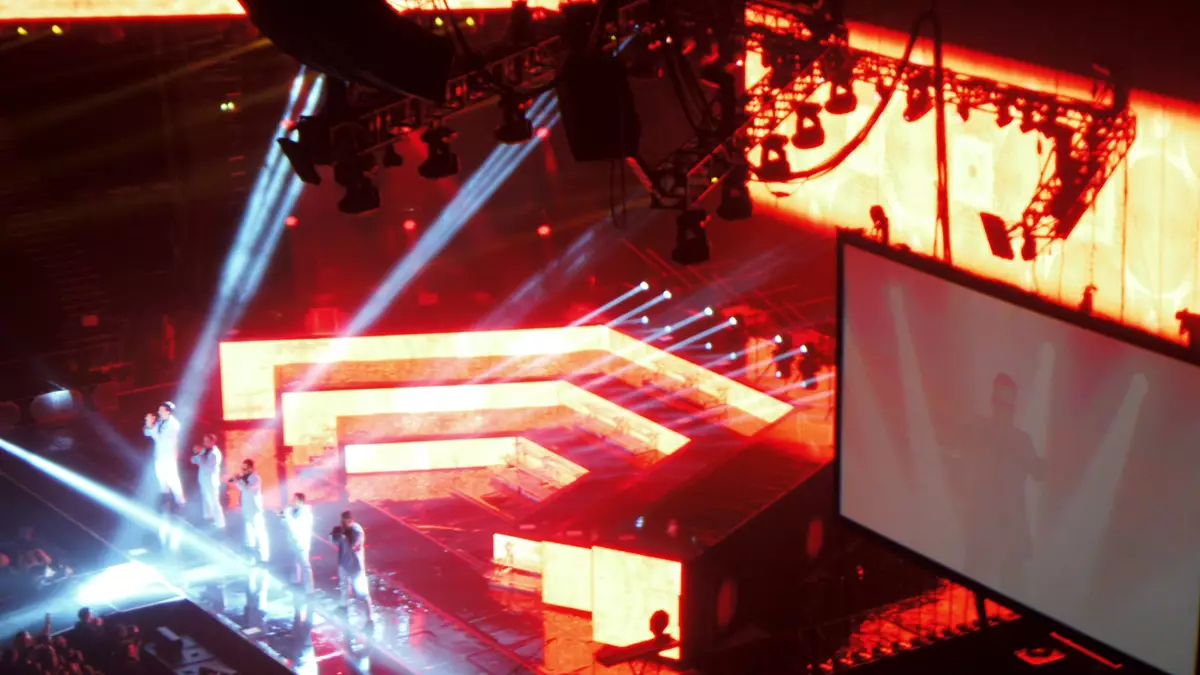
You can feel it across stan Twitter, Reddit threads, and TikTok edits: something is brewing in the Mumford & Sons universe. From cryptic social posts to fans spotting suspicious gaps in festival lineups, the question hanging in the air is simple: are Mumford & Sons gearing up for a huge new live era in 2026?
If you want the most reliable clue dump in one place, the first stop is always the official tour hub — and fans have been refreshing it like it’s a second job:
Check the official Mumford & Sons live page for the latest dates and updates
Even if every 2026 date hasn’t dropped yet, there are already enough clues from recent shows, festival appearances, and interviews to sketch out what the next chapter could look like — and what that means for you if you’re trying to score tickets, predict the setlist, or emotionally prepare to scream along to "Little Lion Man" with 20,000 other people.
The Backstory: Breaking News in Detail
Over the past few weeks, Mumford & Sons watchers have locked into detective mode. While the band hasn’t rolled out a full-scale global tour announcement for 2026 yet, fans have picked up on a pattern: subtle updates to their live page, increased social activity, and a noticeable uptick in interviews hinting that the group is firmly in "live mode" again.
In recent conversations with major music outlets, members of Mumford & Sons have talked about missing the shared chaos of touring and how the band’s sound has evolved since their early banjo-driven days. They’ve pointed to the way newer songs sit next to classics like "The Cave" and "I Will Wait" on stage, and how the chemistry of the crowd seems to pull them back onto the road again and again. Even when they dodge direct questions about specific dates, the energy is clear: playing live is still the heartbeat of this band.
For US and UK fans, the most important thing isn’t just if they tour — it’s how. The band has a reputation for mixing major arena shows and outdoor festivals with more intimate theater stops. Recent tours have featured a balance of big city staples (London, New York, Los Angeles) and slightly less obvious picks that still have hardcore fanbases. That means people outside the usual coastal hotspots are quietly optimistic that they’ll make the list again.
Another big talking point is the production side of things. In recent years, Mumford & Sons shows have leaned into a more cinematic setup: extended lighting rigs, long catwalks into the crowd, and 360-style staging that lets them play in the center of arenas, surrounded by fans on all sides. This creates the kind of "everyone singing at once" moment that made "I Will Wait" and "Below My Feet" into live events rather than just songs. If the band sticks with that format for 2026, expect a tour built around connection and visibility — less separation between stage and stands, more chances for Marcus to literally run past your row.
Implications for fans are obvious: when a band like Mumford & Sons leans into this kind of show, demand spikes. Their catalog is stacked with stadium-ready singalongs, they pull in both indie-rock heads and casual radio listeners, and they have multi-generational appeal. Translation: if you even think you might go, you’ll want to stalk that live page early, sign up for newsletters, and keep an eye out for presale codes from venues, credit cards, or fan clubs.
There’s also the question of new music. Although no official 2026 album has been confirmed, the way the band keeps hinting at "new chapters" and "fresh energy" in interviews has fans wondering if we’re heading toward a cycle where new material gets tested live before it’s recorded or fully rolled out. That’s become a huge trend across rock and pop: artists road-test songs, tweak arrangements based on crowd reactions, and then head into the studio with a more locked-in vision. If Mumford & Sons follow that route, catching an early tour date could mean hearing songs that don’t officially exist yet.
Bottom line: while the band is still playing their cards close on full 2026 touring plans, the combination of live-page activity, fan sleuthing, and recent performance patterns strongly suggests a busy year ahead for anyone who wants to experience that full-voice, hands-in-the-air, folk-rock catharsis in person.
The Setlist & Show: What to Expect
Trying to predict a Mumford & Sons setlist is half science, half pure chaos — but recent tours and festival sets paint a pretty clear picture of what you can expect when they hit the stage again.
First, the anchors. Almost every recent show has featured core tracks like "Little Lion Man," "The Cave," "I Will Wait," "Lover of the Light," and "Believe." These are the songs that trigger the loudest singalongs and the biggest light-show peaks. Fans tracking setlists online have noticed that the band rarely drops all of them at once; at least three or four of those heavy-hitters show up in a typical night, often spaced out to keep energy cycling between full chaos and slow-burn emotional moments.
Then there are the deeper cuts and evolving favorites. Tracks like "Ghosts That We Knew," "Hopeless Wanderer," "Ditmas," and "Tompkins Square Park" tend to rotate in and out. On recent runs, fans have reported that the band uses these as emotional pacing tools — the kind of songs that let you breathe, sway, and process whatever you’re going through in real life, before they punch back in with something huge and percussive.
Structurally, a typical Mumford & Sons show often opens with something atmospheric or mid-tempo, building into a first-act climax with a big track like "Little Lion Man." The middle of the set is where they stretch out: extended intros, more stripped-back arrangements, and moments when the whole band steps away from heavy production and leans into near-acoustic harmonies. If you’ve watched fan-shot videos, you’ve probably seen that moment where the crowd sings an entire chorus back to the band while the mics are almost off — those are the kind of memories people talk about for years.
Visually, expect a contrast between warm, rustic color palettes (oranges, ambers, and soft whites) and sudden bursts of stadium-level strobes. On recent tours, the band has used long ramps and risers so that different members can come forward or drop back depending on the song. It’s subtle, but it means the energy doesn’t just come from Marcus Mumford as a frontman; you actually feel the presence of each player as the night moves along.
The other big question is: how much new or rearranged material will make the cut? Fans posting on forums and TikTok have flagged a few experimental moments in recent sets — extended outros, tempo changes, or slightly altered vocal phrasing on songs like "I Will Wait" or "The Wolf." That suggests the band is still actively playing with their own material rather than just recreating the album versions. If they roll into 2026 with more new ideas, don’t be surprised if you get a reimagined version of a classic. Think heavier drums on "The Cave," or an almost whispered, intimate section in the middle of "Ghosts That We Knew" before the big swell.
Atmosphere-wise, a Mumford & Sons show tends to feel weirdly communal for a band operating at arena scale. You’ll see a mix of people who’ve been there since "Sigh No More" dropped, younger fans who discovered them through playlists or TikTok edits, and parents bringing kids to their first big concert. The shared DNA is that nearly everyone knows the words. When the band strips a song back and lets the crowd carry it, it stops feeling like a performance and more like a mass therapy session with better lighting.
Support acts are another key piece of the experience. While 2026 openers haven’t been rolled out across the board, Mumford & Sons historically lean toward indie-folk, alt-rock, and singer-songwriter artists with strong live chops. That means showing up early is worth it — the support slots are often future-headliner territory. And when ticket prices are a talking point, getting two or three legit performances in one night softens the blow for a lot of fans.
So if you’re prepping for a future date you haven’t even bought tickets for yet, the safest bet is this: expect around 18–22 songs, a core of beloved anthems, a few curveballs and deep cuts, at least one heart-stopping quiet moment, and a finale that leaves your voice shredded and your camera roll full.
What the web is saying:
Rumor Mill: What Fans Are Speculating
If you want to know what’s really happening in the Mumford & Sons fandom, you don’t start with press releases — you start with Reddit threads, Discord chats, and chaotic TikTok slideshows. That’s where the rumor mill has been working overtime.
One of the biggest ongoing theories is that the band is quietly gearing up for a new studio era and that upcoming live shows will double as a testing ground. On Reddit, fans point to small hints: setlists that leave a little breathing room between older songs, unusual instrumental jams that don’t quite match any released track, and Marcus teasing "new stuff" in passing on stage. Any time a fan posts, "Pretty sure I just heard a song I don’t recognize," the comments fill up with people screenshotting and trying to match lyrics from memory.
Another hot topic is ticket pricing and access. With live music costs rising across the board, fans are already debating how much would be "worth it" for a premium Mumford & Sons ticket in 2026. Some Reddit users argue that a band with their catalog and production level justifies higher prices, especially when the show runs two hours and the visuals are dialed in. Others are pushing for more transparent pricing tiers, hoping for a mix of standard seats, limited pit tickets, and maybe even fan-club presales that give long-time supporters a shot before the bots and resellers move in.
On TikTok, the energy is less about logistics and more about pure emotion. Edits of "Little Lion Man" over festival crowd footage, slow-motion clips of Marcus running through the audience, and teary reaction videos to "Forever" or "Ghosts That We Knew" are piling up under Mumford-related hashtags. Whenever a user posts a clip from a recent performance, the comments instantly fill with, "If they don’t tour near me in 2026, I’m suing," and "Someone drag me to this, I will literally sob." That kind of viral emotional response tends to push momentum back to the band: people who haven’t listened in a while find themselves checking back in, streaming the albums again, and watching old live videos just to feel something.
There’s also low-key speculation about collaborators and possible surprise guests. Because the band has ties across the indie, rock, and even pop worlds, fans on r/music and r/indieheads have tossed around names they’d love to see sharing a stage or studio with them — from rising Americana singers to big-name alternative acts. While that’s pure wish-list territory right now, it feeds into a broader feeling that the band’s next chapter could sound slightly different: bigger drums, bolder electronics, or more stripped, intimate arrangements.
One more recurring point in fan conversations is venue size. Some people are begging for a return to smaller theaters and club-style shows — the kind of spaces where you can actually see facial expressions without a jumbotron. Others are rooting for full-blown stadium or festival-headline moments, especially in cities where demand is clearly there. On social, you’ll see comments like, "Give me one night in a 2k-cap venue and I’ll die happy," right next to, "Put them back on the main stage at the biggest festival you can find." If the band splits the difference, we might see a hybrid run: festival weekends, a few arena nights, and some special one-off, underplay-style shows that sell out instantly.
Until the full 2026 live picture is revealed, all of this lives in theory mode. But that’s part of the thrill: the fandom collectively building expectations, sharing theories, and essentially pre-writing the emotional arc of a tour that hasn’t even been announced yet.
Key Dates & Facts at a Glance
- Official live info hub: All confirmed shows, festival slots, and updates are posted first on the band’s official live page: the place to check regularly for 2026 announcements.
- Typical show length: Recent tours have seen Mumford & Sons playing roughly 90–120 minutes, often around 18–22 songs.
- Core live staples: You’re highly likely to hear "I Will Wait," "Little Lion Man," "The Cave," and at least one emotional slow-burn like "Ghosts That We Knew" at most full-length shows.
- Stage style: The band has frequently used 360-style or extended stages, allowing more interaction with fans throughout the venue.
- Audience mix: Crowds usually combine long-time day-one fans, younger listeners discovering the band through streaming, and multi-generational groups — it’s a cross-age, sing-every-lyric type of environment.
- Presale patterns: Past tours have used fan-club, venue, and credit-card presales; expect similar structures for any major 2026 run.
- Streaming impact: Post-tour bumps in streams for tracks like "I Will Wait" and "The Cave" have historically followed major live runs, which often push older songs back into algorithmic playlists.
- Merch expectations: Fans report that tour merch usually includes city-specific items, classic logo designs, and minimalist artwork linked to the current album or era.
FAQ: Everything You Need to Know About Mumford & Sons
Who are Mumford & Sons, in simple terms?
Mumford & Sons are a British band known for blending folk, rock, and heartfelt storytelling into big, cathartic songs that feel built for live crowds. They broke through internationally with their 2009 debut album "Sigh No More" and quickly became festival-headlining, stadium-filling regulars. At their core, they’re about emotional lyrics, big group harmonies, and songs that build from quiet reflection to full-on shout-along climaxes.
What kind of music do they play now — is it still all banjos?
If you checked out after the early days, you might still think of Mumford & Sons as the banjo band — but their sound has evolved. Yes, there’s still acoustic guitar, banjo, and folk DNA in a lot of their music, but over the years they’ve leaned more into electric guitars, heavier drums, and atmospheric production. Live, that means a dynamic mix: some tracks feel like intimate folk confessionals, while others hit with full rock-band intensity. If you like songs that start soft and end with a massive release, this is your lane.
Where can I find out about 2026 Mumford & Sons tour dates?
The most reliable place is the band’s official live page on their website, which lists confirmed shows, festivals, and any official announcements. While fans often spot leaks or early hints through venue calendars and festival posters, nothing is real until it shows up there or on the band’s verified social channels. If you’re serious about going, make a habit of checking that page regularly and signing up for newsletters from both the band and your local venues.
When do Mumford & Sons usually tour — and what could that mean for 2026?
Historically, their biggest touring years line up with album cycles or major festival seasons, with heavy routing across spring, summer, and early fall. That pattern gives them space for outdoor shows, festivals, and indoor arenas. For 2026, fans are watching the usual festival announcement windows closely: big European and US lineups tend to drop months in advance, and any Mumford & Sons logo on a poster instantly kicks off speculation about side shows and extended runs.
Why are Mumford & Sons shows such a big deal to fans?
It comes down to how the songs translate live. Tracks like "I Will Wait," "Little Lion Man," and "The Cave" are already high-energy on record, but in a packed venue they turn into full-body experiences. People scream the lyrics, jump in unison, cry during the quieter songs, and walk out hoarse and emotionally drained in the best way. The band feeds off that energy: they stretch songs, add extra builds, and lean into those moments when the crowd basically takes over. If you’re into gigs that feel communal and slightly unhinged in the best way, a Mumford & Sons show hits that target.
How much do Mumford & Sons tickets usually cost?
Exact prices vary by city, country, and venue size, but fans generally report a range that starts in a relatively accessible bracket for upper-bowl or back-seating, rising into higher tiers for floor, pit, or premium packages. With overall live-music prices trending upward, many fans expect 2026 tickets to feel pricier than pre-2020 tours. To soften that, watching for presales, venue promotions, or fan-club codes can help. Also, remember that a typical night usually delivers a full-length headline set plus support acts, which adds value compared to shorter festival slots.
What should I expect from the crowd and vibe if it’s my first Mumford & Sons concert?
Expect a lot of people who know every word. The vibe is emotional but not pretentious: people cry, scream, dance, and hug their friends while shouting choruses back at the stage. You’ll see casual outfits (jeans, band tees, hoodies), some throwback folk-aesthetic looks, and plenty of people filming their favorite songs. If you’re shy, don’t stress — the lights are usually down low enough that you can just disappear into the sound. If you’re the type who lives to yell lyrics into the void, you’ll fit right in.
Do Mumford & Sons change their setlist from night to night?
To a degree, yes. There are core songs that almost always show up, but fans following multiple dates have noticed that the band tends to rotate a few tracks, experiment with pacing, and occasionally throw in a surprise or a reworked version. That means if you catch them more than once in a tour cycle, you’re not just watching a carbon copy of the same night. Hardcore fans sometimes pick specific cities known for wild crowds or special venues just to see how the band responds.
Is it still worth going if I only know the big hits?
Absolutely. The big songs are there as anchor points, but the rest of the set is built to pull you in even if you walked in with only "I Will Wait" saved in your playlist. Often, the tracks you don’t know yet end up being the ones that hit hardest live; something about the room, the build, and the lights can turn a deep cut into your new favorite song on the spot. And with a band like Mumford & Sons, half the experience is energy transfer — you’re not just listening, you’re part of the noise.


