
Mumford & Sons 2026: Tour Buzz, New Era & Fan Theories
Published on 02/25/2026 at 11:11 | Editorial responsibility: Rafael Müller, Editor-in-Chief AD HOC NEWS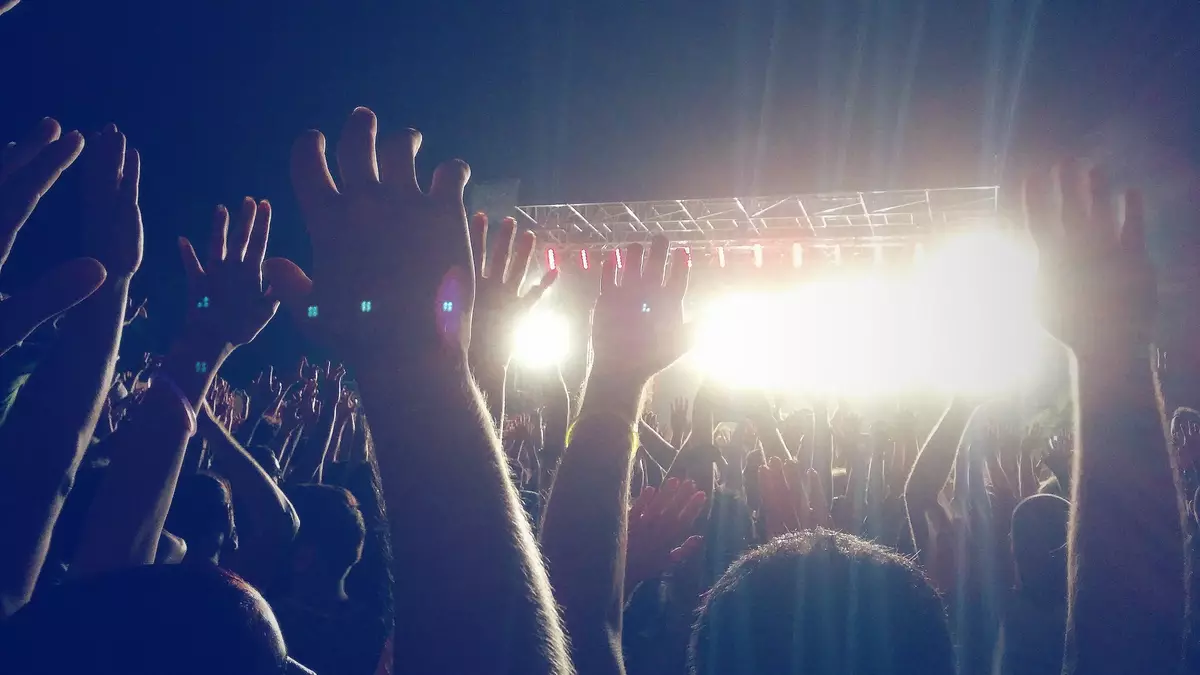
If you've felt your group chat suddenly light up with links, screenshots, and all?caps messages about Mumford & Sons, you're not imagining it. The band's 2026 buzz is very real, and it's hitting that sweet spot where nostalgia meets the possibility of a new era. Fans who grew up screaming along to Little Lion Man and I Will Wait are now refreshing tour pages like it's 2012 all over again – only this time, the stakes feel higher because the band has evolved, and so have you.
Check the latest Mumford & Sons live dates and tickets
Across X (Twitter), Reddit, and TikTok, fans are trading theories about new songs sneaking into the set, debating how the electric turn of Wilder Mind and the darker textures of Delta will play alongside the old banjo?driven anthems, and arguing over which city will get the most unhinged sing?along to The Cave. Whether you're plotting a road trip to catch multiple dates or just trying to score a single night of catharsis, this feels like the moment where everything might shift again for Mumford & Sons.
The Backstory: Breaking News in Detail
Mumford & Sons have always cycled between big public eras and quieter regrouping phases, and the current moment lands firmly in the "gearing up" category. Recent activity on their official channels – including refreshed live listings, subtle visual tweaks, and a renewed push around festival appearances – has fans reading between every line. While the band haven't officially confirmed a brand?new studio album for 2026, the pattern feels familiar: live dates first, then deeper hints, then full?blown rollout.
Their last album, Delta, dropped in late 2018, and the years since have been complicated for the group on several levels, from line?up changes to the wider cultural pause of the pandemic. Interviews over the past couple of years have suggested the band have been writing, experimenting, and reassessing what Mumford & Sons means in the 2020s. Members have mentioned in various conversations that they don't want to simply repeat the early folk?arena formula. Instead, they're leaning into a more expansive sound, pulling from alt?rock, electronics, and cinematic arrangements while holding on to the emotional intensity that made them break through in the first place.
That context matters when you look at the current live push. Fans are noticing that the shows being teased and announced aren't just nostalgia packages. They're being framed as "evenings with" the band, with plenty of room for deep cuts and rearranged versions. The buzz is that this run of shows is as much about testing new material and re?framing old songs as it is about delivering the hits.
Another big part of the story is geography. US and UK fans in particular are watching the live page closely, hunting for patterns in the routing. European city clusters hint at a potential festival?heavy summer, while select arena dates in English?speaking hubs suggest a more focused, emotionally?charged run, rather than the everything?everywhere touring of the early 2010s. For fans, that likely means slightly fewer dates overall, but more carefully built shows – the kind you travel for.
On the industry side, promoters and insiders have been quietly bullish on the band's draw power in 2026. Despite the gap since the last full record, Mumford & Sons still sit in that rare lane of "legacy but not old" – a band with huge catalogue recognition among millennials and strong name ID with Gen Z via playlists, TikTok edits, and parents who played Babel on loop in the car. That makes them a perfect candidate for festival top lines, hybrid folk/rock bills, and one?off special events.
The big implication for fans: if you've ever wanted to see them in a slightly more reflective, evolved phase – where the songs have history, the band have scars, and the arrangements have grown up – this stretch of touring looks like the moment.
The Setlist & Show: What to Expect
If you scan fan reports from recent shows, a very clear picture forms: Mumford & Sons are treating their setlist like a living thing. There are core pillars that almost always show up, and then there are rotating slots that keep hardcore followers guessing.
The non?negotiables? Little Lion Man is still one of the loudest sing?alongs of the night, often landing mid?set when the crowd energy is peaking. I Will Wait usually arrives as a late?set or pre?encore explosion, the moment where strangers on the floor become a single hoarse?voiced choir. The Cave, with its slow build into cathartic release, often opens or sits early in the set, setting the tone for the emotional arc.
From Babel, songs like Lover of the Light and Hopeless Wanderer still hit, but they're not always played straight. Fans describe updated arrangements – a little more electric crunch here, a more cinematic build there – as if the band are re?reading their own past. Roll Away Your Stone can appear as a raucous early highlight or stripped back as a semi?acoustic moment, depending on the night.
Then there's the post?banjo evolution. Tracks from Wilder Mind – like Believe, Tompkins Square Park, and Snake Eyes – bring a moody, alternative?rock weight to the middle of the show. These songs often work as the emotional spine of the set, leaning into atmospheric lighting, slow?motion strobes, and wide?screen guitar textures. Paired with the introspective, layered songs from Delta – think Guiding Light, Woman, and Picture You – you get a middle section that feels much closer to an art?rock or indie?cinema soundtrack than the hoedown stereotype critics used to throw at them.
Recent fan write?ups also mention moments where the band steps away from the full?throttle approach. A stripped?down segment – sometimes Marcus alone, sometimes in a tight semi?circle at the front of the stage – brings out songs like Forever, Ditmas, or even rarer cuts, giving the night a campfire?story energy despite the arena setting. This is usually when phones come down, people stop filming, and you actually hear the room breathing between lines.
New or unreleased songs are the wildcard. While titles are still largely under wraps, there have been repeated descriptions of "dark, slow?burn" tracks and "heavier, almost post?rock" builds sliding into the set. Fans on social media talk about elongated outros, experimental jams, and emotional bridges that don't appear on any streaming release – classic signs of a band workshopping future album tracks in real time.
Visually, don't expect pop?star choreography or elaborate costume changes. Mumford & Sons still rely on light, shadow, and movement across the stage instead of theatrics. But the production has definitely levelled up compared with the earliest era: think tasteful LED walls with abstract visuals, warm spotlighting for the acoustic sections, and timed strobes that underline the biggest drops in songs like Believe or Little Lion Man. When the whole room is lit up for a chorus, it doesn't feel like a gimmick – it feels like you're inside the song rather than watching it happen.
In short: you'll get the hits, but they're living alongside deeper, darker, and newer material. It's less about a greatest?hits playlist and more about a career?spanning narrative that hints strongly at whatever the band's next chapter will be.
What the web is saying:
Rumor Mill: What Fans Are Speculating
Every tour cycle comes with its own conspiracy theories, and the current Mumford & Sons era is no different. On Reddit, threads dedicated to the band are buzzing with speculation that the new batch of shows is quietly doubling as an album?preview tour. Fans are pointing to subtle clues: recurring unreleased songs, updated visuals that don't match any existing album artwork, and cryptic captions on social posts that sound suspiciously like lyric fragments.
One popular theory: the band are steering into a darker, more cinematic sound for their next project, somewhere between Delta and full?on indie rock. Fans analysing bootleg snippets describe slow?building tracks with minimal banjo, heavier drums, and shimmering guitar lines. Some are drawing comparisons to bands like The National or War on Drugs, suggesting that Mumford & Sons might be leaning further into that moody, late?night highway energy.
There's also a strong thread of conversation around the emotional tone of the new material. After a decade of songs that often framed struggle in ultimately hopeful, communal terms, people are wondering if the next record will sit more in the grey area – less resolution, more questions. TikTok edits built around live clips and older deep cuts like After the Storm and Ghosts That We Knew are already pairing those vibes with captions about "growing up with this band" and "hearing these lyrics differently now." That feeling – of ageing alongside an artist – is fuelling hype for whatever comes next.
Of course, not all the discourse is purely musical. There's plenty of chatter around ticket prices and access as well. With the entire live industry facing higher production costs, fees, and dynamic pricing systems, Reddit threads are full of fans comparing what they paid for Mumford & Sons tickets a decade ago versus now. Some users vent frustration about VIP packages, presale queues, and the way good seats seem to evaporate within seconds.
On the flip side, there are also posts from fans who managed to grab reasonably priced seats by jumping on presales fast or opting for slightly side?view sections. Screenshots of confirmation emails and seat maps have basically become mini?flexes on social feeds: "Row 12 for less than a big night out at the bar" is the energy. The consensus seems to be that while prices have climbed – like almost every major tour – there are still pockets of decent value if you're willing to be flexible.
Another ongoing topic is which cities will get the "special" shows. Fans in London, New York, and LA are half?joking, half?serious about expecting surprise guests, deeper cuts, or exclusive song premieres. Others argue that it's the secondary markets – places like Glasgow, Nashville, or smaller European cities – that often get the most unguarded, emotional shows, because the band feel less pressure to perform for an industry?heavy crowd.
Underpinning all of this is a bigger, more emotional vibe: people who found this band in their teens are now turning up in their late 20s or 30s, sometimes with partners or even kids. There's a strong sense online that these shows are more than just nights out. They're check?ins with your younger self, and maybe test runs for whatever the next version of Mumford & Sons – and your own life – looks like.
Key Dates & Facts at a Glance
- Live dates hub: All officially announced shows, locations, and ticket links are collected on the band's live page at their official site, which is updated as new dates drop.
- Typical tour pattern: Recent years suggest a mix of festival slots, select arena runs in major cities, and occasional one?off or special?event performances.
- Core markets: The band remain especially strong in the US, UK, Ireland, Western Europe, and Australia, with English?language audiences forming the bulk of their touring base.
- Breakthrough era: The debut album Sigh No More – featuring Little Lion Man and The Cave – positioned them as one of the defining folk?rock acts of the late 2000s and early 2010s.
- Arena?era peak: Babel cemented their status, winning major awards and fuelling huge world tours with stadium?level sing?alongs.
- Sound shift: Wilder Mind marked a conscious move away from their banjo?heavy roots toward electric rock textures and a more modern alternative sound.
- Experimental phase: Delta explored layered, atmospheric production, darker themes, and more expansive song structures, setting up the space they're now expanding into on stage.
- Setlist staples: Expect some combination of Little Lion Man, I Will Wait, The Cave, Lover of the Light, Believe, Guiding Light, and at least one or two deeper cuts for long?time fans.
- Show length: Recent concerts typically run between 90 minutes and two hours, depending on encores, acoustic sections, and whether they're headlining or playing a festival slot.
- Support acts: Historically, the band have picked openers from the indie?folk, alt?rock, or singer?songwriter scenes, often spotlighting emerging artists they personally rate.
FAQ: Everything You Need to Know About Mumford & Sons
Who are Mumford & Sons, and how did they become so big?
Mumford & Sons are a British band that came up in the late?2000s London folk scene and blew up globally on the back of emotionally direct, shout?along anthems. They cut through at a time when mainstream rock felt either overly polished or disconnected from real?life feelings. Their early sound – acoustic instruments, banjo, booming drums, and huge group harmonies – felt raw and communal in a way that resonated with young listeners trying to figure themselves out.
They hit the right moment culturally: festivals were booming, social media was amplifying live clips, and people wanted songs that felt as big as the choices they were making in their twenties. Tracks like Little Lion Man and I Will Wait didn't just work on radio; they became entire crowd experiences, the kind you film and rewatch years later. That combination of emotional honesty and massive hooks pushed them from indie?favoured act to full?blown headliners.
What kind of music do they play now – are they still "folk"?
Yes and no. The DNA of folk – storytelling, acoustic textures, and sing?along choruses – is still present, but the sonic palette has widened a lot. The early albums, especially Sigh No More and Babel, fit neatly into the folk?rock revival that also included artists like The Lumineers and Of Monsters and Men. By the time Wilder Mind arrived, the band had made a deliberate move away from being defined by the banjo, leaning into electric guitars, atmospheric keys, and a more alternative?rock feel.
Delta then took it even further, adding experimental production, ambient textures, and more dynamic arrangements. On stage in recent years, you're just as likely to hear shimmering electric build?ups and moody lighting as you are to see a stomp?clap folk breakdown. So if you're picturing a pure acoustic hoedown, update that mental image: the current Mumford & Sons sound pulls from folk, rock, indie, and even a bit of post?rock intensity.
Where can I see Mumford & Sons live, and how do I get tickets?
The most reliable source for up?to?date shows is the band's official live page on their website. That's where you'll find confirmed dates, cities, venues, and ticket links, often with details about presales or special packages. New dates can drop in waves – for example, a European leg first, followed by a North American run – so it's worth checking back regularly if your city isn't listed yet.
For tickets, your best bet is to hop on official presales if you can. Mailing?list signups, venue presales, or fan?club codes can get you in before the general rush. Given how fast good seats can go and how dynamic pricing can push up costs as demand spikes, moving early usually means better options, whether that's floor spots, lower?bowl seats, or more affordable upper?level tickets. As always, stick to official vendors to avoid scams, and be wary of suspiciously cheap resale listings.
What should I expect from a Mumford & Sons concert if it's my first time?
Emotionally? Expect to lose your voice and maybe cry a little. Practically, the night usually moves through several phases: an opening run of big, recognisable songs to hook the whole room; a moodier, more experimental mid?section that leans into their newer material; a stripped?back segment that feels almost like an unplugged session; and then a final stretch of huge choruses and cathartic shout?alongs.
Audience energy is a huge part of the show. Even in seats, crowds tend to be standing for most of the main set, clapping along to rhythm?heavy sections and singing full verses back at the band. It's less about watching perfection and more about being inside a shared moment. If you like your concerts polished but emotionally distant, this might not be your thing. If you crave songs that feel like group therapy with better lighting, you're in the right place.
Why do fans care so much about the setlist changes?
Mumford & Sons aren't the kind of band that plays a completely different set every night, but they do rotate songs enough that hardcore followers pay close attention. When you've lived with certain tracks for more than a decade, seeing them re?arranged – slower, heavier, or mashed into medleys – feels like watching your own memories get remixed.
Fans track which songs show up in which cities, trade theories about why, and sometimes build travel plans around the possibility of catching particular deep cuts. A surprise appearance of an older track like White Blank Page or a rarely played song from Delta can set social feeds on fire for days. With new or unreleased songs now creeping into the sets, that obsession has intensified: each show feels like a potential hint about the direction of the next album.
When is the next Mumford & Sons album coming?
As of now, there's no officially announced release date for a new album, but there are strong signs that something is in motion. The band have talked in past interviews about continuing to write and experiment, even when they're not in a full?blown release cycle. The fact that they're road?testing new material live is a major clue: historically, artists don't put that much effort into unreleased songs on stage unless they plan to capture them in the studio or are already deep into that process.
Industry watchers often look at patterns: ramped?up live activity, subtle visual rebranding, and fresh songs appearing in setlists usually indicate that a new chapter is approaching. Whether that means a full album, an EP, or a series of singles remains to be seen, but the energy around the 2026 shows suggests we're much closer to the start of a new era than the end of an old one.
Why do Mumford & Sons still matter to Gen Z and millennials in 2026?
For a lot of millennials, this band soundtracked those messy in?between years: first apartments, breakups, road trips, and the terrifying freedom of your early twenties. Gen Z often discovered them through older siblings, movie soundtracks, algorithm?blessed playlists, or TikTok edits that paired their lyrics with heartbreak POV videos. Either way, the connection runs deeper than just "that band with the banjo hit."
In a streaming era where music can feel disposable, Mumford & Sons operate differently. Their songs invite you to yell your feelings out in public, to claim your own wreckage and hope without irony. That still hits, especially in a time when so much online culture is built on detachment and sarcasm. The fact that the band are evolving – refusing to just remake old hits – means the music continues to grow with their audience rather than staying locked in the past.
So when fans obsess over tour dates, speculate about new albums, and trade shaky live clips on Reddit and TikTok, it's not just about content. It's about staying connected to a band that, for a lot of people, helped them feel less alone – and seeing what that connection looks like now that everyone, band and audience included, has grown up a bit.


