Mowi stock holds firm as salmon producer focuses on margins and growth
Published on 07/24/2026 at 08:47 | Editorial responsibility: Rafael Müller, Editor-in-Chief AD HOC NEWS
Mowi stock, backed by the Norwegian aquaculture group Mowi ASA (ISIN NO0003054108), continues to mirror the balance between strong global salmon demand and ongoing margin management in the sector. The company is one of the largest producers of farmed Atlantic salmon worldwide, and its shares are closely watched by international investors who track how operational efficiency, biological risk, and currency movements feed through to earnings and cash generation over time.
Revenue and earnings context
In recent reporting periods, Mowi has highlighted that its revenue base is driven primarily by harvested salmon volumes, achieved prices in key markets such as Europe, North America, and Asia, and the performance of its consumer products operations. The group typically reports results on a quarterly and annual basis, breaking down sales and profitability by farming regions and downstream activities. Revenue figures for a typical year run to multiple billions in NOK, reflecting the scale of operations across Norway, Scotland, Ireland, the Faroe Islands, Canada, Chile, and other farming regions, as well as processing and distribution networks in major consumer markets.
Profitability is strongly influenced by feed costs, biological performance, and market prices for salmon. In periods where spot prices for salmon are high, Mowi can see improvements in earnings before interest and taxes (EBIT) and operating margins, whereas disease events, sea lice treatments, or lower realized prices can weigh on margins. Over time, the company has invested in technology and farming practices aimed at stabilizing production and improving cost efficiency, with the goal of sustaining attractive EBIT per kilogram metrics across its farming portfolio.
Cash flow, investment and dividends
Mowi places emphasis on cash flow generation and disciplined capital investment. Operating cash flow is driven by profitability and working capital movements, while capital expenditures are focused on maintaining and expanding farming capacity, upgrading processing facilities, and meeting regulatory and environmental requirements. Net cash flow patterns can therefore vary depending on investment levels and biological cycles, with harvest timing impacting receivables and inventory levels.
The company has a history of paying dividends to shareholders, subject to earnings, financial position, and investment requirements. Dividend decisions reflect management judgment on balancing shareholder returns with reinvestment in the business. Mowi also monitors its leverage, typically expressed as net interest bearing debt relative to earnings measures, aiming to stay within target ranges that support financial flexibility and resilience against sector volatility.
Operational scale and geographic reach
Mowi’s farming operations are spread across multiple countries and production regions, which gives the company diversification but also exposes it to varied regulatory frameworks and environmental conditions. The total volume of harvested salmon across all regions is a key metric for investors, as it directly feeds into revenue and earnings potential. Higher harvested volumes can offset weaker prices, while lower volumes may be compensated by stronger pricing in certain market phases.
The company’s consumer products segment adds value by processing salmon into fresh, frozen, and value-added products for retail and foodservice customers. This downstream integration aims to capture margins beyond the primary farming operation, giving Mowi a more balanced profit profile across the salmon value chain. Product offerings range from branded consumer products to private-label supply for large retailers, with regional product mixes tailored to local tastes and regulatory requirements.
Product focus and brand relevance
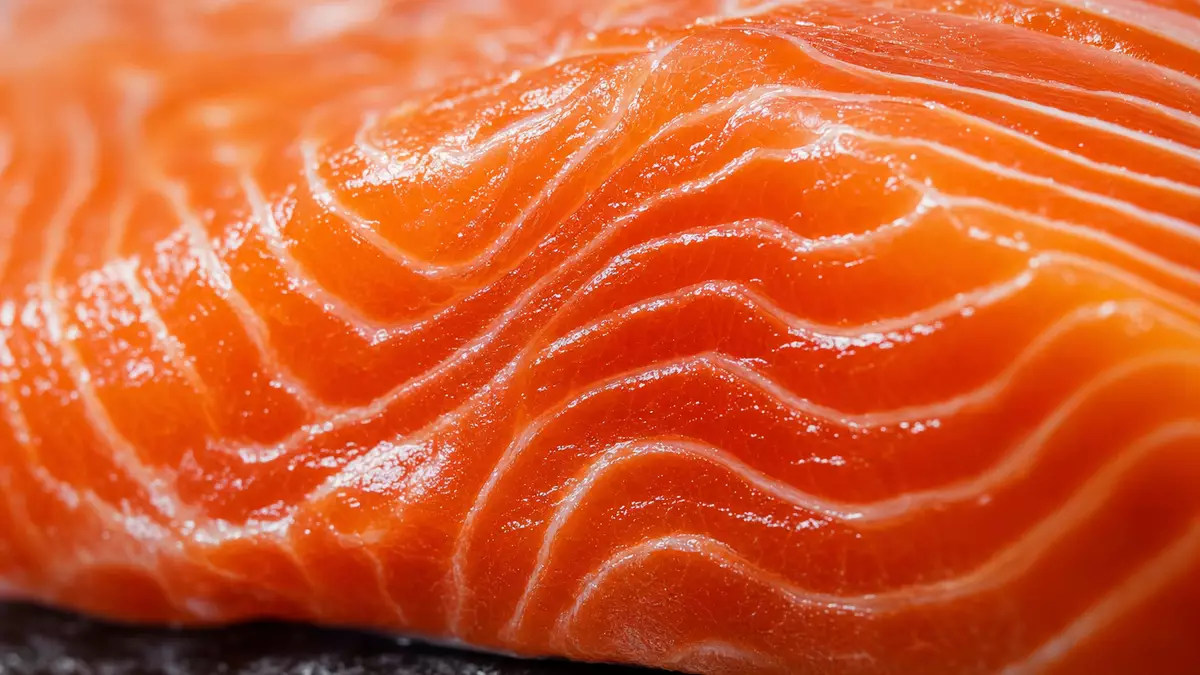
Mowi’s core product is farmed Atlantic salmon, which it supplies to customers in numerous markets through a combination of bulk and value-added offerings. The company has developed branded products aimed at consumer recognition and trust, focusing on quality, food safety, and sustainability messaging. These products can appear in supermarkets and other retail outlets, offering consumers ready-to-cook or ready-to-eat salmon options, alongside more basic fillet and portion formats.
Stock perspective
From an investor perspective, Mowi stock represents exposure to global seafood consumption trends, particularly the ongoing shift toward protein sources perceived as relatively healthy. Share performance over time reflects not only the company’s operational execution and financial metrics but also broader sector sentiment, regulatory developments, and macroeconomic factors that influence consumer demand and currency movements. Investors who follow Mowi typically track harvest volumes, realized prices, operating margins, cash flow, and dividend decisions as key indicators of value creation.
Beyond fundamentals, the stock’s trading behavior can be influenced by index inclusion, sector rotations, and relative comparisons with other listed salmon farmers. Liquidity and market capitalization levels shape how institutional investors position themselves, while long term performance is tied to Mowi’s ability to manage biological risk, maintain cost competitiveness, and align capacity with demand in major markets.
Company and listing details
Mowi ASA is listed on the Oslo Stock Exchange, with the ISIN NO0003054108. The company is a significant component of the Norwegian equity market and is often included in indices that track Norwegian or Nordic equities, as well as sector-specific benchmarks. Its trading symbol on the Oslo venue identifies the stock for investors who transact in Norwegian krona, reflecting its home market status. Market capitalization changes over time in line with share price movements and capital actions, such as dividends and potential share buybacks or issuance.
The company’s sector classification typically places it within the consumer staples or food products category, with industry definitions recognizing its role in food production and processing rather than purely within traditional industrial sectors. This classification can influence how portfolio managers group Mowi alongside peers, particularly when comparing valuation metrics such as price-to-earnings ratios, enterprise value to EBITDA, and dividend yields.
Investor information access
Investors seeking detailed financial information, including recent quarterly and annual reports, operational updates, and corporate presentations, can refer to Mowi’s investor relations resources. These materials provide formal guidance, historic financial data, and commentary on market conditions, biological performance, and strategic priorities such as sustainability, innovation, and capital allocation.
Updates often cover topics such as regulatory developments in key farming regions, progress on environmental targets, and investments in new technology or infrastructure. These insights help investors understand how Mowi positions itself within the broader aquaculture landscape and how it responds to changing expectations from regulators, customers, and society regarding fish welfare, environmental impact, and traceability.
Risk considerations and outlook
As a major aquaculture group, Mowi faces risk factors that are typical for the salmon farming industry. These include disease and parasite pressures, regulatory changes affecting farming practices or capacity, climate and environmental effects on sea conditions, and fluctuations in feed costs driven by commodity prices. Market risks include changes in consumer preferences, competition from alternative proteins, and macroeconomic conditions that influence spending on food products.
In response, Mowi invests in risk management measures such as improved biosecurity, technology for monitoring and controlling lice and other issues, and diversification across regions and product types. The company also engages with stakeholders on sustainability topics, aiming to align its operations with evolving standards and expectations. Over time, its outlook is shaped by how effectively it navigates these risks while capitalizing on growth opportunities in existing and new markets for salmon products.
Summary for Mowi stock
Overall, Mowi stock reflects a combination of operational performance in salmon farming and processing, exposure to global seafood demand trends, and the company’s approach to managing biological, regulatory, and market risks. Investors assess the stock by reviewing financial metrics such as revenue, margins, cash flow, and dividends, alongside operational indicators like harvest volumes and productivity. The balance between growth investment and shareholder returns, as well as the company’s sustainability efforts, forms a core part of the longer term narrative around the stock.
Disclaimer regarding our articles: No investment advice, no buy or sell recommendation. Information on prices, companies, and markets is provided without guarantee; changes are possible at any time. Stock market transactions can lead to substantial losses. Our articles are created and reviewed in whole or in part automatically with the support of AI.