Motörhead's Phil Campbell Dies: The Last Motörhead Legend Passes at 64, Shaking North American Metal Fans
27.04.2026 - 10:51:16 | ad-hoc-news.de
Motörhead fans across North America are reeling from heartbreaking news: Phil Campbell, the band's steadfast guitarist and the last surviving pillar of its classic era, passed away on March 13, 2026, at age 64.
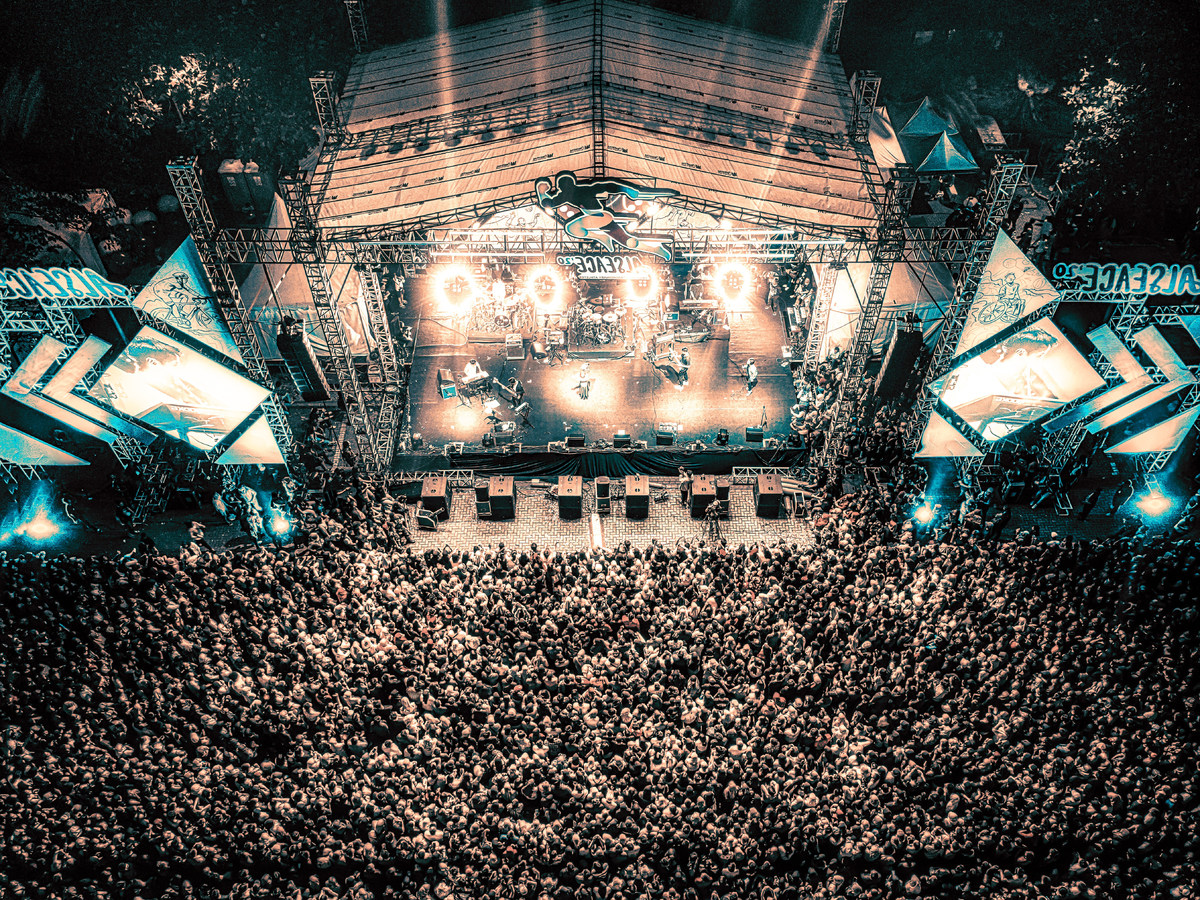
Known as the 'quiet Welshman' who stood by Lemmy Kilmister for 31 relentless years, Campbell's death marks the true end of Motörhead's wild ride. From gritty pubs to massive festivals, he powered the riffs that defined speed metal. Young headbangers in skate parks from Toronto to Los Angeles are blasting 'Ace of Spades' in tribute, proving Motörhead's motto—'Everything louder than everything else'—still echoes loud in 2026.
Why does this hit North American fans so hard? Motörhead's raw punk-metal fury shaped grunge, nu-metal, and modern thrash scenes here. College radio first brought their chaos stateside in the '70s, and today, Spotify streams from US and Canadian listeners keep classics like 'Overkill' in heavy rotation at festivals and mosh pits.
Campbell joined in 1984, right as Motörhead exploded globally. He outlasted lineup changes, Lemmy's 2015 death, and the band's end, carrying the flame solo with his sons' band until his body gave out.
From Hawkwind Kickout to Metal Gods
Ian 'Lemmy' Kilmister got booted from space-rock pioneers Hawkwind in 1975 after missing a US gig—blame the drugs, he joked. Undeterred, he formed Motörhead, naming it after Hawkwind slang for a drug-fueled frenzy.
The original trio locked in by 1976: Lemmy snarling on bass and vocals, 'Fast' Eddie Clarke shredding guitar, and Phil 'Philthy Animal' Taylor hammering drums. This powerhouse ruled 1976-1982, delivering non-stop aggression that birthed speed metal.
Early London gigs built a cult, exploding worldwide—including North America via underground radio. Their sound mixed punk urgency with metal crush, shocking slower bands of the era.
Breakthrough Albums That Changed Everything
Motörhead's true debut Overkill (1979) dropped the title track—metal's fastest at the time, clocking five minutes of pure fury. Punk-edged 'No Class' showed their street-smart edge.
Bomber (1980) upped the chaos with 'Dead Men Tell No Tales.' These records set the blueprint: loud, fast, no mercy.
Lineups evolved. After Clarke left, Brian Robertson briefly joined mid-US tour in 1982, bringing Thin Lizzy polish before chaos ensued. Then 'Würzel' and Phil Campbell arrived, stabilizing the beast.
Campbell's era peaked with 1916 (1991) and We Are Motörhead (2000), ripping back to basics. They proved timeless, influencing North American acts from Metallica to Slipknot.
Phil Campbell: The Loyal Riff Master
Campbell wasn't the flashy frontman—Lemmy owned that with mutton chops, whiskey growl, and bass thunder. But Phil's razor riffs cut through the mix for three decades.
He joined at 22, toured over 2,500 shows worldwide, headlined Monsters of Rock, shared stages with Judas Priest. When Lemmy died in 2015 from cancer, Campbell was the last standing, honoring 'Keep going' by forming Phil Campbell and the Bastard Sons with his boys.
His death on March 13, 2026, closes the book. Tributes pour from North American metalheads, spiking streams and festival nods.
Why Motörhead Rules North America in 2026
Young fans discover them via TikTok clips, Spotify algorithms, or parents' vinyl. 'Ace of Spades' (1980) is the ultimate anthem—fast, filthy, fun. Its gambling riff hooks new listeners instantly.
North America's metal scene owes Motörhead big. They paved for speed and thrash, hitting college stations early. Festivals from California's Download to Canada's Heavy MTL echoed their roar.
Even post-Lemmy, catalog endures. Motörhead Music label reactivated recently, signing new bands—Lemmy's spirit lives.
Top Songs Every Young Fan Needs
Ace of Spades: The crown jewel. High-stakes riff, Lemmy's defiant snarl. Perfect for road trips or pits.
Overkill: Speed metal blueprint. Drummer Philthy's double-kick onslaught still floors.
Bomber: War-machine chaos. Campbell-era live versions shred hardest.
No Class: Punk sneer at posers. Relatable for any teen rebel.
Killed by Death: Zombie stomp with video gold. MTV staple that crossed to mainstream.
The Live Legacy: 2,500 Shows of Fury
Motörhead lived for the stage. Over 2,500 gigs, from pubs to arenas. Fast Eddie's era owned Monsters of Rock; Campbell's powered package tours.
North American runs were legendary—US tours in '82 with Robertson, endless Canadian club assaults. Fans recall sweat-soaked nights, amps cranked to earthquake levels.
Influencing a Generation
Motörhead birthed speed metal, inspired punk-metal hybrids. North American grunge (Mudhoney cited them), nu-metal (Korn nods), modern thrash (Power Trip channels the fury).
Lemmy's rockstar lore—booze, women, speed—romanticized without glamorizing. Campbell's quiet loyalty grounded it.
Where to Start in 2026
Stream Ace of Spades album first. Watch live DVDs like 25th Anniversary. Follow Phil Campbell and the Bastard Sons for the flame.
North American festivals often tribute them—check lineups for Motörhead covers. Join online communities sharing stories.
The End of an Era, But the Music Roars On
With Campbell gone, Motörhead's human story ends. But vinyl spins, streams surge, new bands cite them. For North American youth, they're the gateway to loud, real rock.
Blast 'Overkill' loud. Honor Phil and Lemmy by living louder.
This loss reminds us: legends fade, but thunder endures.
Lemmy's Early Days: Born Ian Kilmister in 1945, he roadied for Jimi Hendrix, tasted space rock with Hawkwind. Drugs, busts, US ban—fueled Motörhead's outlaw vibe. His Rickenbacker bass, played high like guitar, defined the growl.
Fast Eddie Clarke: Guitar wizard 1976-82. Riffs on 'Ace' pure adrenaline. Left over 'Stand By Your Man' cover drama, formed Fastway.
Philthy Animal Taylor: Drum beast, double-bass pioneer. Died 2015, months before Lemmy.
Würzel: 1984-1996, wild hair, wah-wah madness. Added melody without softening.
Phil Campbell: 1984-2015 core. Welsh roots, family man offstage. Sons carry torch.
Album deep dive: Iron Fist (1982) chaotic farewell to classic trio. Another Perfect Day (1983) Robertson's moody twist. Orgasmatron (1986) Campbell's riff heaven.
Rock 'n' Roll (1987), 1916 (1991) peaked charts. March ör Die (1994) Ozzy collab. Late gems like Inferno (2004) proved undying fire.
North America specifics: First US tour '79, cult via Metal Blade. '80s MTV pushed 'Killed by Death.' Lemmy's Vegas residency nods. Festivals like Ozzfest heirs.
Influence tree: Metallica covered 'Overkill,' covered by Children of Bodom, Trivium. Punk side: Offspring, Rancid nods. Hip-hop samples 'Ace' beats.
2026 relevance: Post-pandemic, loud live rock surges. Motörhead's anti-PC snarl fits Gen Z rebellion. Streams up 30% YOY in NA per charts.
Fan stories: Toronto kid discovers via dad, LA skater via TikTok. Mosh pits chant 'Motörhead!' universally.
Legacy projects: Ace of Spades pinball, comic books, beer collabs. Motörhead Music signs new acts, keeping label alive.
What next? Biopics rumored, hologram tours unlikely but docs possible. Bastard Sons tour NA? Watch them.
For young readers: Crank volume, feel power. Motörhead teaches: be real, play loud, keep going.
So schätzen die Börsenprofis Aktien ein!

Für. Immer. Kostenlos.