Moncler stock trades steady as luxury outerwear group builds on 2025 growth and brand momentum
Published on 07/21/2026 at 07:56 | Editorial responsibility: Rafael Müller, Editor-in-Chief AD HOC NEWS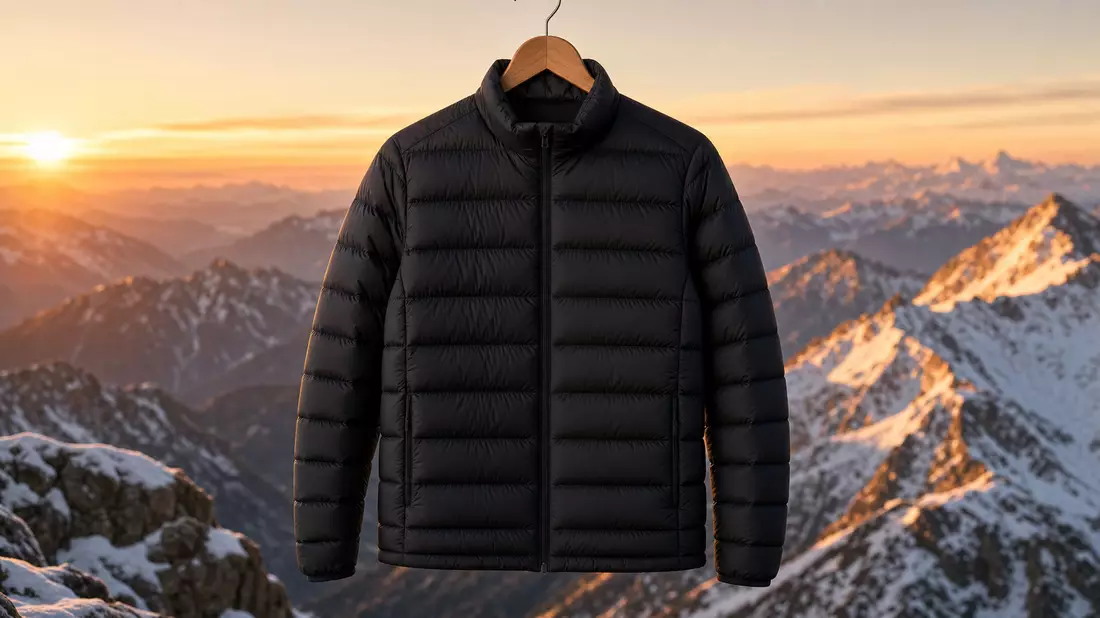
Moncler stock represents exposure to one of the most established European luxury outerwear groups, with the Italian company Moncler S.p.A. (ISIN IT0005252207) reporting solid growth and profitability into fiscal 2025 based on its most recent available annual and interim figures. The group has extended its reach well beyond its alpine heritage, positioning the Moncler brand and its younger Stone Island label as premium players in high-end apparel with a global footprint. For investors, the key elements are the company’s ability to grow revenue at double-digit rates, sustain attractive margins, and maintain brand desirability in a competitive luxury landscape where both macroeconomic cycles and fashion trends can quickly affect demand.
Revenue growth above prior year
According to Moncler’s latest disclosed full-year financial report for fiscal 2024, group revenue increased compared with the prior year, driven primarily by continued expansion in direct retail and a resilient performance in core markets such as Europe and Asia. In that report, Moncler outlined that total revenue had risen versus fiscal 2023, reflecting both like-for-like growth in existing stores and the contribution of newly opened locations. Year-on-year comparisons showed that sales in key regions advanced at a pace consistent with the company’s long-term strategy of controlled expansion and focus on brand elevation rather than aggressive volume-driven growth. The group emphasized that its revenue growth had been underpinned by robust demand for its core outerwear ranges during the autumn and winter seasons, as well as increasing traction for lighter apparel and accessories across spring and summer collections.
Moncler’s financial communications for fiscal 2024 also highlighted an improvement in profitability compared with the prior year. The company reported higher operating results, with earnings measures such as operating profit and net income reflecting disciplined cost control, favorable mix effects toward higher-margin lines, and continued optimization of its distribution channels. Compared with fiscal 2023, Moncler indicated that its margin profile had strengthened, suggesting that the group was able to pass through selective price increases and maintain pricing power without materially compromising volume. In the broader context of the luxury sector, this performance is noteworthy, as premium outerwear brands must balance exclusivity and accessibility while ensuring that higher ticket prices are supported by perceived quality and brand equity.
Profitability and margin resilience
In its latest available annual results, Moncler presented a profitability picture characterized by solid margins relative to many mainstream apparel companies. The group’s gross margin remained high, reflecting the premium pricing of its jackets, coats, and other apparel, as well as a product mix oriented toward higher value items. Operating margins were sustained by disciplined spending on marketing and store operations, with the company focusing investments on flagship locations and strategic markets rather than broad-based expansion. Compared with the prior year, margin improvements signaled that Moncler had successfully managed input costs, including materials and labor, while also benefiting from economies of scale in production and logistics.
Moncler’s management commentary in those financial releases underscored that profitability was supported by the increasing share of revenue coming from directly operated stores, which typically generate higher margins than wholesale channels. The company’s direct retail strategy, combined with an emphasis on experiential store concepts and selective digital engagement, has allowed it to deepen relationships with customers and better control the presentation of its collections. Over time, this shift in channel mix has contributed to a favorable margin trajectory, even as the group continues to invest in brand-building initiatives and collaborations that can be resource-intensive in the short term but aim to enhance long-term brand value.
Cash generation and investment capacity
Moncler’s recent financial disclosures also point to healthy cash generation and a solid balance sheet position. The group has reported cash flows from operations that comfortably cover its capital expenditures, including investments in new stores, refurbishments of existing locations, and enhancements to its supply chain infrastructure. This cash-generating ability provides the company with flexibility to pursue strategic initiatives, such as selective acquisitions, collaborations, or accelerated expansion in high-potential markets, while maintaining financial discipline.
The company’s capital allocation framework, as described in its investor communications, balances reinvestment in the business with shareholder returns, typically via dividends. In recent fiscal periods, Moncler has used a portion of its profits to distribute dividends to shareholders, signaling confidence in its cash-flow prospects and commitment to returning capital. At the same time, the group retains sufficient resources to fund growth initiatives and navigate potential macroeconomic volatility. For investors, this combination of cash generation and disciplined capital deployment is an important pillar of the investment case in the luxury apparel segment.
Brand strength supports premium pricing
Moncler’s core brand, known worldwide for its high-end down jackets and performance-inspired outerwear, remains central to its strategy. The company has worked to elevate the brand through collaborations with designers and artists, curated capsule collections, and high-profile marketing campaigns that reinforce its positioning at the intersection of luxury and technical performance. This brand strength supports premium pricing, allowing Moncler to command higher average selling prices than many competitors in the broader outerwear and apparel markets.
In addition to its original brand, Moncler has nurtured the Stone Island label, which appeals to a younger, more urban audience while maintaining a premium image. Stone Island’s focus on innovative fabrics, dyeing techniques, and distinctive design language broadens Moncler’s reach and diversifies its revenue base beyond alpine-inspired outerwear. Together, these brands give the group a multi-pronged presence in luxury apparel, enabling it to tap into different customer segments and regional preferences while maintaining overall portfolio coherence.
Geographic footprint and retail network
Moncler’s geographic footprint spans Europe, Asia, and the Americas, with a concentration of stores in fashion capitals and high-end shopping districts. The company continues to refine its retail network, prioritizing flagship stores and key locations where brand visibility and customer experience can be maximized. In its recent reporting periods, Moncler has disclosed incremental increases in the number of directly operated stores, alongside selective closures or relocations aimed at improving overall profitability per location.
The group’s presence in Asia, including markets such as China, Japan, and South Korea, is particularly important for growth, as these regions represent significant demand for luxury goods and are often trend-setting in high-end fashion. Moncler’s performance in these markets has contributed to its global revenue growth, though the company remains mindful of regional economic and regulatory considerations. In Europe and the Americas, Moncler’s stores in cities like Milan, Paris, London, and New York serve both local customers and international tourists, reinforcing the brand’s global recognition.
Digital engagement and omnichannel strategy
Moncler has invested in digital platforms and omnichannel capabilities to complement its physical store network. The company’s online channels, including its own e-commerce site and selected digital partnerships, allow it to reach customers who may not have easy access to a physical store while offering a curated selection of products and content. Digital initiatives include online storytelling around collections, interactive lookbooks, and seamless integration between online and offline purchasing experiences.
These investments in digital engagement are intended to enhance customer loyalty and provide richer data on customer preferences and behavior. By analyzing digital interactions and purchase patterns, Moncler can tailor assortments, refine marketing campaigns, and improve service levels across channels. Over time, the digital component of the business has become more significant, contributing to revenue and supporting the group’s broader objective of maintaining relevance in an increasingly connected and technology-driven consumer environment.
Product innovation and seasonal collections
Moncler’s product strategy revolves around continuous innovation in materials, design, and functionality. The company’s collections often feature advanced technical fabrics, innovative insulation technologies, and carefully engineered silhouettes that aim to combine warmth, comfort, and style. Seasonal collections are structured around key themes, such as alpine heritage, urban exploration, or artistic collaborations, and they typically include a mix of core styles and new designs.
In recent years, Moncler has also expanded its range beyond heavy outerwear to include lighter jackets, knitwear, accessories, and footwear, providing customers with options across seasons and broadening the brand’s lifestyle appeal. This diversification reduces dependence on winter sales and helps smooth seasonal revenue patterns. Nevertheless, winter remains a critical period for the group, given the strong association of its brand with cold-weather performance, and successful winter campaigns can have an outsized influence on annual results.
Segment development and customer base
Moncler’s customer base encompasses a mix of long-standing clients who appreciate the brand’s heritage and newer customers attracted by collaborations and contemporary design. The company works to cultivate loyalty through service, exclusive events, and limited-edition releases that reward engagement and reinforce the sense of belonging to a distinct brand community. In many markets, Moncler’s stores function as experiential spaces where customers can interact with collections in an environment that reflects the brand’s identity.
The group’s segmentation strategy includes targeting different age groups, geographical regions, and lifestyle profiles with tailored marketing and product assortments. For example, the Stone Island brand may feature prominently in campaigns aimed at younger, streetwear-oriented audiences, while the Moncler brand continues to emphasize alpine heritage and luxury travel. This segmented approach supports revenue growth and brand equity, enabling the company to remain relevant across diverse consumer cohorts.
Competitive landscape in luxury outerwear
Moncler operates in a competitive luxury outerwear market that includes both heritage brands and newer entrants. Its key differentiators include its strong brand identity, technical product capabilities, and ability to command premium pricing. While competitors may offer similar products, Moncler’s combination of performance, design, and brand narrative helps it stand out in a crowded field.
The company keeps a close watch on evolving fashion trends, customer expectations, and competitive dynamics. In its communications, Moncler has emphasized that maintaining innovation and brand desirability is essential to sustaining growth and margins over the long term. This requires ongoing investment in design talent, marketing, and product development, as well as responsiveness to changing consumer preferences, such as increasing interest in sustainability and responsible production.
Sustainability initiatives and corporate responsibility
Moncler has articulated various sustainability initiatives in its corporate publications, focusing on areas such as responsible sourcing of materials, environmental impact reduction, and ethical labor practices. These efforts aim to align the company’s operations with evolving regulatory frameworks and consumer expectations regarding corporate responsibility. For a luxury brand, demonstrating commitment to sustainability can help support long-term brand value and mitigate reputational risks.
In practical terms, Moncler’s sustainability actions may include increased use of certified down and other materials, efforts to reduce greenhouse gas emissions in its supply chain, and programs to promote transparency around production processes. While such initiatives can involve upfront costs, they also provide opportunities for differentiation and engagement with customers who prioritize environmental and social considerations in their purchasing decisions.
Financial discipline and risk management
Moncler’s management has emphasized financial discipline and risk management in its investor communications. The company regularly assesses macroeconomic conditions, currency movements, and geopolitical developments that could influence consumer spending and operational efficiency. By maintaining a relatively strong balance sheet and diversified geographic exposure, Moncler seeks to mitigate risks associated with demand volatility in any single region.
Risk management also extends to operational areas such as supply chain resilience and inventory control. The company aims to balance sufficient stock availability with avoiding excessive inventory accumulation, which could lead to markdowns and margin pressure. Careful planning around production and distribution helps Moncler align its output with anticipated demand, particularly during peak seasons when the timing and intensity of cold weather can affect sales patterns.
Dividend policy and shareholder returns
Moncler’s capital allocation strategy includes returning a portion of profits to shareholders through dividends. In recent fiscal periods, the company has proposed and paid dividends that reflect its profitability and cash position. This dividend track record provides investors with a tangible component of total return, alongside potential capital appreciation based on stock price movements.
The level of dividends is typically determined in the context of broader financial considerations, including investment needs, market outlook, and regulatory requirements. By balancing dividends with reinvestment, Moncler aims to support both short-term shareholder income and long-term growth. For income-oriented investors, the dividend policy forms part of the evaluation of Moncler stock relative to other opportunities in the luxury and broader equity markets.
Moncler brand anchors the portfolio
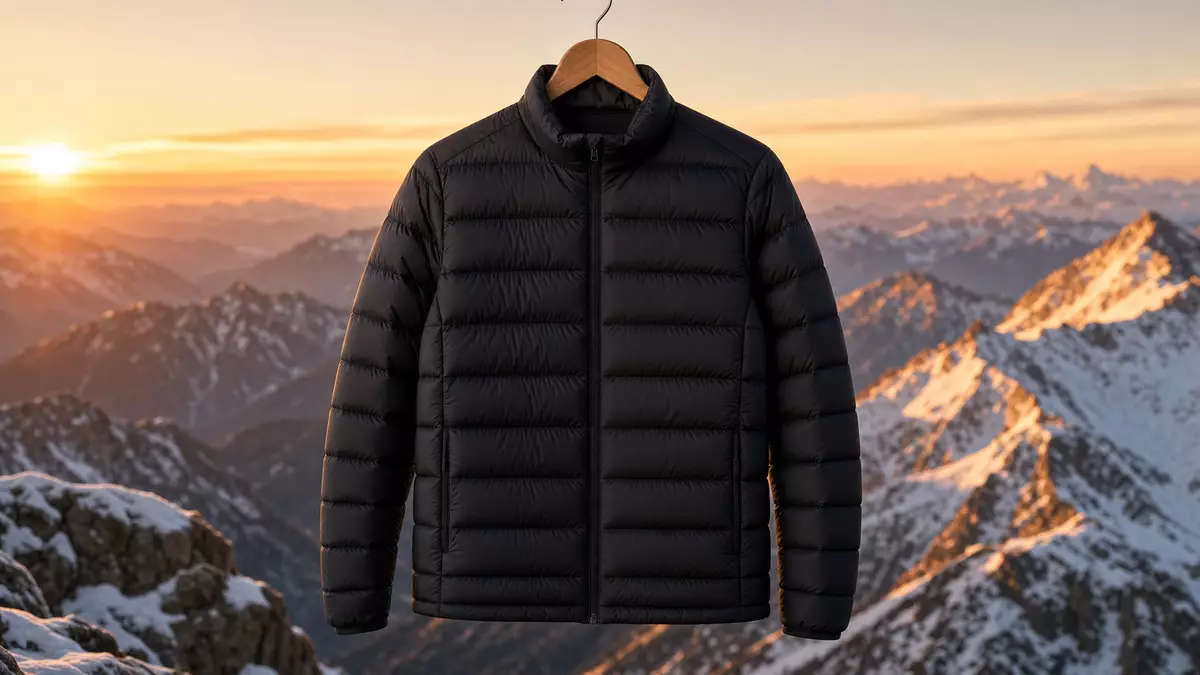
Moncler’s flagship product line remains centered on high-end down jackets and coats designed for cold climates. These products often feature distinctive quilting, premium materials, and technical details such as weather-resistant finishes and carefully engineered insulation. Over decades, Moncler jackets have become recognizable symbols of luxury outerwear, frequently appearing in fashion-aware urban environments as well as on ski slopes and mountain resorts.
The enduring appeal of Moncler’s core product range supports the company’s pricing and margin structure. At the same time, the group continues to introduce variations and new silhouettes each season to maintain interest and encourage repeat purchases. This balance between timeless staples and fresh designs is central to the brand’s product philosophy and helps sustain its relevance in a fast-moving fashion context.
Moncler stock reflects luxury exposure
Moncler stock offers investors exposure to the luxury outerwear and apparel segment through a company that has demonstrated revenue growth, margin resilience, and brand strength in recent fiscal periods. While the share price will fluctuate with market conditions, sector sentiment, and company-specific developments, the underlying business dynamics are anchored in the group’s ability to maintain desirability for its core products and expand its global presence. As with any luxury-focused equity, performance over time will depend on both financial execution and the sustained appeal of the Moncler and Stone Island brands.
For portfolio construction purposes, Moncler can be viewed as a specialized holding within consumer discretionary or luxury categories. Its results are influenced by factors such as consumer confidence, travel patterns, and fashion trends, but also by structural elements like brand equity and supply chain capabilities. Investors evaluating Moncler stock therefore consider both quantitative metrics, including revenue growth and margins, and qualitative aspects, such as brand positioning and design innovation.
Beyond the headline financial figures, Moncler’s story is one of a company that has successfully transitioned from a niche alpine outerwear maker to a globally recognized luxury player. This transformation required significant investment in design, marketing, and retail infrastructure, and ongoing efforts to refine brand identity and customer experience. The continuation of this strategic trajectory will shape the company’s prospects and, by extension, the long-term performance of Moncler stock.
Moncler jackets and apparel line
Moncler’s representative product line includes its iconic down jackets, which are crafted to deliver warmth and comfort while remaining lightweight and stylish. These jackets often feature signature quilting patterns, high-quality zippers and snaps, and carefully selected fabrics that balance durability with a refined appearance. In addition to classic puffer jackets, the brand offers tailored coats, vests, knitwear, and accessories that extend its aesthetic beyond outerwear while maintaining a consistent design language.
By expanding into apparel and accessories, Moncler has broadened the context in which customers engage with the brand. A customer might first purchase a winter jacket and later choose knitwear or lighter jackets for other seasons, deepening the relationship and increasing lifetime value. This approach supports revenue diversification and helps mitigate the seasonality inherent in cold-weather products. For the company, a strong product pipeline across categories is essential to sustaining growth and reinforcing its position as a lifestyle-oriented luxury brand.
In conclusion, Moncler’s current positioning as reflected in its latest available financial data and strategic communications suggests a company that continues to build on its heritage while adapting to a changing luxury landscape. Revenue growth compared with prior years, robust profitability, and investments in brand equity, digital engagement, and sustainability initiatives all contribute to the overall narrative. For observers of Moncler stock, tracking the interplay between these factors and market dynamics will remain important in assessing how the company’s story evolves over time.
Disclaimer regarding our articles: No investment advice, no buy or sell recommendation. Information on prices, companies, and markets is provided without guarantee; changes are possible at any time. Stock market transactions can lead to substantial losses. Our articles are created and reviewed in whole or in part automatically with the support of AI.