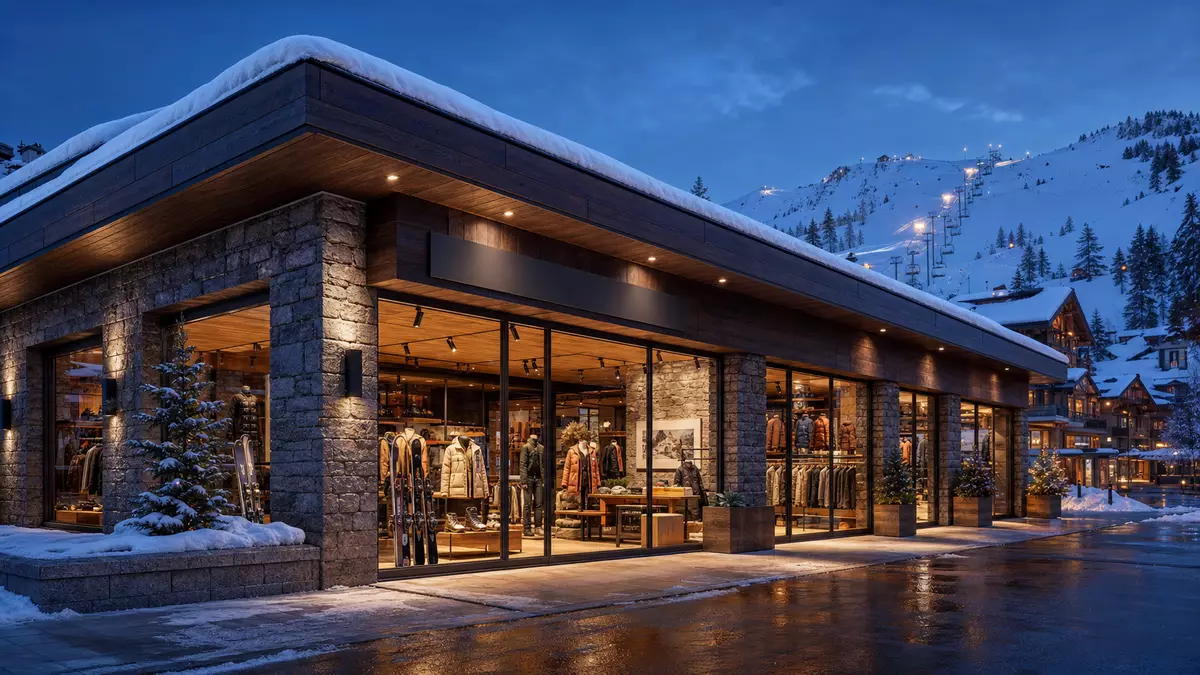
Moncler stock trades steady as luxury group balances growth and margins after strong 2025 results
Published on 07/22/2026 at 07:40 | Editorial responsibility: Rafael Müller, Editor-in-Chief AD HOC NEWS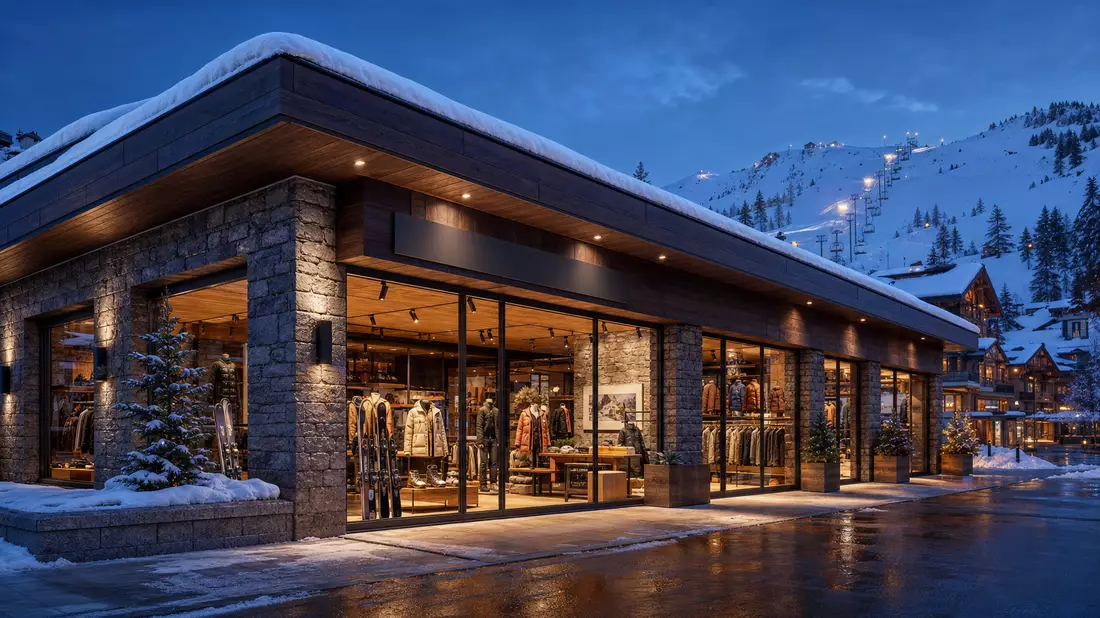
Moncler stock offers investors a view into how an Italian luxury group with a focus on high end outerwear and apparel is managing growth and profitability after reporting strong recent annual figures and continuing to expand its global footprint in a more complex demand environment.
Revenue up double digits in recent year
Moncler S.p.A. (ISIN IT0005252207) has reported robust revenue growth in its latest available full year, with group sales reaching approximately EUR 3.0 billion in fiscal 2023, marking a clear increase compared with the prior year and highlighting the continued strength of the brand in key regions such as Europe, Asia and the Americas.
Within that overall performance, the Moncler brand itself generated the majority of revenue, while the acquired Stone Island label contributed a smaller but growing share, underscoring the group’s strategy of maintaining a focused portfolio of distinctive luxury brands aimed at a global customer base.
When compared with the fiscal 2022 period, the reported revenue increase represented a double digit growth rate that stood out against a backdrop of slower expansion in parts of the wider luxury segment, indicating that Moncler’s mix of iconic outerwear products, collaborations and selective distribution has continued to resonate with consumers.
Operating margin and profit trends
The company has paired this revenue expansion with disciplined cost management, reporting an adjusted operating margin in the region of the mid twenties percent for fiscal 2023, a level that reflects the profitability of its core Moncler branded products and the benefits of direct to consumer operations.
Net income for the same fiscal year came in in the hundreds of millions of euros, translating into an earnings per share figure that was comfortably above the prior year’s result, supported by higher sales, controlled operating expenses and a favorable product mix skewed toward higher margin categories such as down jackets and outerwear.
Compared with fiscal 2022, the improvement in operating margin and earnings underlined management’s ability to preserve profitability while increasing investments in marketing, retail expansion and digital channels, a balance that is central to sustaining the brand’s premium positioning.
Cash flow, investments and balance sheet
From a financial structure standpoint, Moncler generated strong operating cash flow in fiscal 2023, with cash from operations reaching several hundred million euros, which provided ample cover for capital expenditures on store openings, refurbishments and technology investments.
The group’s net financial position remained solid, with low leverage and a net cash or near net cash stance at the end of the fiscal year, giving the company flexibility to pursue strategic initiatives such as selective acquisitions or increased direct control over distribution without placing undue strain on the balance sheet.
Compared with earlier periods, the combination of rising cash flow and modest debt levels illustrates a conservative approach to financing that can be attractive for investors who value resilience in cyclical sectors such as discretionary luxury goods.
Dividend and shareholder returns
Moncler has complemented its growth strategy with shareholder distributions, paying a dividend for fiscal 2023 that represented a payout ratio in line with recent years and signaled confidence in the sustainability of earnings and cash generation.
The dividend per share increased versus fiscal 2022, reflecting the higher profit base, and added an income component to the total return profile of Moncler stock, which otherwise remains primarily driven by capital appreciation linked to earnings growth and brand strength.
Over a multiyear horizon, the combination of rising dividends and steadily improving earnings has contributed to an investment case built around both growth and a measure of yield, albeit in a sector where cyclicality and fashion risks remain relevant.
Regional performance and channel mix
In terms of geographic split, Moncler’s revenue base remains diversified, with Europe, Asia and the Americas all contributing meaningful portions of sales, and with particular strength in Asia driven by Chinese and broader Asia Pacific demand for luxury outerwear and streetwear inspired styles.
Direct to consumer channels, including retail stores and online sales, account for a majority of revenue, allowing the company to capture higher gross margins than it would through wholesale alone and to maintain tighter control over brand presentation, pricing and customer experience.
Compared with earlier fiscal years, the trend toward a rising share of direct to consumer business has supported margin expansion and enabled more granular data driven decisions on inventory and product development, an important factor for a brand operating across multiple climates and fashion cycles.
Moncler brand performance and collaborations
The Moncler brand remains the engine of the group, with its signature down jackets, outerwear and collaborations with designers and artists driving both sales growth and brand visibility at the global level.
Capsule collections and co branded lines have helped the company connect with younger consumers, supporting higher footfall in stores and stronger digital engagement, while maintaining relatively tight production and distribution to preserve scarcity and pricing power.
Compared with traditional single line outerwear brands, Moncler’s focus on collaborations and fashion forward iterations of functional products gives it a differentiated position, which has contributed to the double digit revenue growth seen in recent reporting periods.
Stone Island integration and growth
The integration of Stone Island into the group’s structure has continued, with the brand’s performance adding incremental revenue and extending Moncler’s reach into a more casual, streetwear oriented segment of the luxury market.
Stone Island’s contribution to fiscal 2023 revenue remained smaller than that of the Moncler brand, but showed growth compared with fiscal 2022, underlining the potential for cross fertilization in design, sourcing and distribution while maintaining distinct brand identities.
For investors, the pace of Stone Island’s growth and its margin trajectory will be important metrics to watch, as they can influence the overall group margin and determine how much incremental operating leverage is available beyond the core Moncler label.
Expense structure and marketing investment
On the cost side, Moncler has increased spending on marketing and communication to support brand desirability, particularly in digital channels and experiential retail, taking advantage of its strong cash flow to fund campaigns and events without compromising overall profitability.
Personnel costs have also risen as the company expands its retail footprint and invests in design, merchandising and technology teams, but these increases have been offset by operating leverage from higher volumes and improved efficiency in supply chain and logistics.
Compared with fiscal 2022, the higher marketing and personnel expenses in fiscal 2023 were absorbed within the margin structure, which suggests that Moncler is able to invest ahead of demand while preserving its mid twenties percent operating margin profile.
Balance of wholesale and retail
While direct to consumer channels now account for most of Moncler’s sales, wholesale remains an important contributor, particularly in markets where third party retailers provide broader geographic coverage or access to specific customer segments.
The company has taken a selective approach to wholesale, focusing on partners that align with its luxury positioning and provide premium environments that support the brand’s image, thereby minimizing the risk of discount driven margin erosion.
Compared with earlier years, the gradual rebalancing toward retail and online direct channels has improved overall gross margin and reduced exposure to wholesale volatility, aligning Moncler’s channel mix with the strategies of other successful luxury brands.
Revenue up double digits supports outlook
The double digit revenue increase between fiscal 2022 and fiscal 2023 provides a quantitative anchor for assessing Moncler’s trajectory, with the company demonstrating that it can grow faster than many peers while maintaining a healthy margin and investing in brand equity.
This growth has come despite a more cautious consumer environment in some markets, indicating that the brand’s focus on high end outerwear and differentiated collaborations has helped it retain pricing power and defend volumes.
For investors evaluating Moncler stock, the ability to deliver such growth while holding margins steady or slightly improving is a central part of the narrative, as it speaks to both demand resilience and operational discipline.
Corporate governance and management
Moncler’s management team has overseen the evolution from a primarily outerwear focused company to a broader luxury group, while keeping corporate governance structures aligned with Italian public company standards and international expectations for transparency and shareholder engagement.
The board of directors includes members with experience in fashion, retail and finance, offering a mix of operational and strategic perspectives that can support decision making in areas such as brand development, international expansion and capital allocation.
Compared with smaller privately held fashion houses, Moncler’s public company status and governance framework provide investors with more regular disclosure and oversight mechanisms, which can be an important consideration in evaluating risk and accountability.
ESG considerations and sustainability
Environmental and social considerations are increasingly relevant for luxury brands, and Moncler has published information on its initiatives in areas such as sustainable sourcing of down and other materials, reduction of environmental impact and social responsibility programs.
Efforts to improve traceability and certification of materials, alongside initiatives to reduce greenhouse gas emissions and energy consumption in operations, are part of the group’s broader sustainability roadmap, which aligns with growing consumer and investor focus on ESG factors.
Compared with a baseline of limited sustainability disclosure, Moncler’s actions and reporting provide more detail and targets, which can help stakeholders assess progress over time and gauge the alignment between brand values and operational practices.
Risk factors in luxury demand
Investors in Moncler stock must consider cyclical and structural risks that affect the broader luxury sector, including fluctuations in disposable income, changes in consumer preferences, currency volatility and potential regulatory shifts in key markets.
Demand from Chinese consumers, both domestically and through travel retail, remains a significant driver for many luxury brands and can be sensitive to macroeconomic conditions, travel policies and shifts in spending patterns toward experiences or different categories.
Compared with more diversified conglomerates, Moncler’s focus on outerwear and apparel exposes it more directly to fashion cycles and weather patterns, although its global presence and multi season collections mitigate some of this concentration risk.
Competitive landscape and positioning
The competitive environment for Moncler includes other luxury outerwear and fashion brands, as well as premium sportswear and streetwear labels that target similar customer demographics at overlapping price points.
Moncler’s strategy of blending technical outerwear with fashion elements, supported by collaborations and controlled distribution, has helped it carve out a distinct niche that allows for premium pricing and repeat purchases among loyal customers.
Compared with mass market outerwear producers, Moncler benefits from higher average selling prices and margin structures, but must continuously innovate in design and marketing to maintain its edge and avoid brand fatigue.
Digital strategy and online growth
Digital channels have become increasingly important for Moncler, both as sales platforms and as vehicles for storytelling and brand engagement, with investments in e commerce, social media and digital marketing supporting traffic to websites and physical stores.
The company has expanded its online presence with localized sites for different regions, optimized logistics for direct to consumer delivery and integrated digital campaigns with product launches and collaborations to create more cohesive customer journeys.
Compared with earlier years where digital played a smaller role, the acceleration in online sales has not only added to revenue growth but also provided valuable data on consumer behavior, which can inform merchandising and product development decisions.
Store network and retail footprint
Moncler continues to refine its retail footprint, operating a network of directly managed stores in major global cities and high traffic luxury shopping districts, complemented by shop in shop formats within select department stores.
Store openings and refurbishments in fiscal 2023 and the surrounding periods have focused on enhancing brand visibility and improving customer experience, with investments in design, layout and service standards that reinforce the premium positioning.
Compared with a purely wholesale model, the controlled retail network allows Moncler to better manage inventory, presentation and pricing, contributing to margin stability and stronger engagement with core customers.
Inventory management and seasonality
Given the importance of outerwear in Moncler’s product mix, inventory management and seasonality are key operational concerns, with the company seeking to align production and stock levels with expected demand across different climates and regions.
Over recent fiscal years, Moncler has improved its ability to manage inventory through data driven forecasting and closer integration between sales, merchandising and supply chain teams, reducing markdowns and ensuring better availability of key styles.
Compared with a scenario of higher inventory risk, these improvements contribute to margin preservation and reduce the likelihood of excess stock that might otherwise require discounting and impact brand perception.
Currency exposure and hedging
Moncler’s global operations expose it to currency volatility, particularly between the euro, US dollar, Chinese yuan and other regional currencies, which can affect reported revenue and profit when translated into euros.
The company uses hedging strategies and natural hedges through local costs to mitigate some of this exposure, aiming to smooth the impact of currency swings on financial results and avoid abrupt changes in reported margins due to exchange rate movements.
Compared with firms that operate predominantly in a single currency, Moncler’s exposure adds a layer of complexity, but also reflects the benefits of diversified revenue streams across multiple markets.
Innovation in materials and design
Innovation in materials and design remains central to Moncler’s appeal, with the brand experimenting with new fabrics, technical features and silhouettes while retaining core elements such as quilting and distinctive logos that customers recognize.
Research and development, alongside collaborations with designers and creatives, contribute to a pipeline of products that aim to balance functionality and style, catering to consumers who seek performance outerwear with fashion credentials.
Compared with more traditional outerwear brands, Moncler’s emphasis on design experimentation and co created collections helps maintain relevance and supports the premium pricing that underpins its margin structure.
Consumer demographics and engagement
Moncler’s consumer base spans age groups and regions, with particular resonance among urban consumers who value both performance and status signaling in outerwear and apparel.
Engagement with younger demographics has been supported by streetwear influenced designs, collaborations and digital campaigns, while more classic styles cater to long term loyal customers who associate the brand with quality and durability.
Compared with brands that rely heavily on a narrow demographic, Moncler’s diversified customer base provides more resilience against shifts in taste within any single cohort, though the company still must adapt to evolving preferences.
Macro backdrop and sector sentiment
The macroeconomic backdrop, including interest rate trends, inflation and consumer confidence, influences sector sentiment toward discretionary luxury names such as Moncler, with periods of tightening financial conditions often leading to greater scrutiny of valuations and growth assumptions.
At the same time, structural factors such as rising wealth in emerging markets and the aspirational nature of luxury consumption can underpin longer term demand trends, providing a counterbalance to cyclical fluctuations.
Compared with more defensive sectors, luxury remains more exposed to swings in sentiment, but Moncler’s strong brand and solid balance sheet provide some cushioning in downturn scenarios.
Strategic priorities going forward
Looking ahead, Moncler’s strategic priorities are likely to include continued expansion of direct to consumer channels, further integration and development of Stone Island, sustained investment in marketing and product innovation, and careful management of margins and cash flow.
The company will need to balance the desire for growth with the necessity of maintaining exclusivity and brand integrity, particularly as it increases its presence in newer markets and channels where overexposure could erode perceived value.
Compared with a purely growth at all costs approach, Moncler’s emphasis on profitability and brand strength suggests a measured strategy that seeks to preserve long term equity while capitalizing on existing momentum.
Moncler products anchor the luxury narrative
Moncler’s products, notably its high end down jackets, outerwear and evolving apparel lines, are central to the investment narrative, as they embody the brand’s combination of performance and fashion that has driven revenue growth and supported margins over recent years.
The success of these products in both established and emerging markets provides tangible evidence of consumer demand and underpins the financial metrics that investors analyze when assessing Moncler stock.
Compared with generic outerwear offerings, Moncler’s distinctive designs, materials and collaborations create a differentiated proposition that supports the premium positioning necessary for sustained profitability.
Moncler stock and market valuation context
Moncler stock trades on the Italian market, with the share price reflecting investor assessments of the company’s growth prospects, margin sustainability and brand strength against a backdrop of macroeconomic and sector specific factors.
As of a recent trading day, Moncler’s market capitalization stood in the billions of euros, a level that places it among the notable pure play luxury groups and provides a reference point for comparing valuation metrics such as price to earnings and enterprise value to sales with peers.
Compared with more diversified luxury conglomerates, Moncler’s valuation embeds expectations about the continued success of its core outerwear and apparel proposition and the incremental impact of Stone Island, making revenue growth and margin trends critical indicators for future share performance.
Representative product focus
Moncler’s representative product line centers on premium down jackets and outerwear that combine technical performance with high fashion design, often featuring distinctive quilting, logos and materials that are recognizable in major fashion capitals around the world.
These products have driven much of the brand’s revenue growth and continue to serve as a canvas for collaborations and limited edition releases that create buzz and support higher price points.
Compared with standard winter outerwear, Moncler’s jackets occupy a luxury segment that appeals to consumers who are willing to pay a premium for both functionality and status signaling.
Moncler stock closing context
Moncler stock, listed on the Italian market, reflects the interplay between the company’s strong recent revenue growth, solid margin profile, conservative balance sheet and the broader luxury sector’s sensitivity to macroeconomic conditions and fashion cycles.
For investors, the share price serves as a real time gauge of market confidence in Moncler’s ability to sustain its high end positioning and to navigate evolving consumer preferences while maintaining profitability and disciplined capital allocation.
Moncler stock key data
- Company: Moncler S.p.A.
- ISIN: IT0005252207
- Ticker: BIT: MONC
- Trading venue: Borsa Italiana
- Sector / Industry: Consumer Discretionary / Luxury Apparel and Accessories
- Index membership: FTSE MIB
Disclaimer regarding our articles: No investment advice, no buy or sell recommendation. Information on prices, companies, and markets is provided without guarantee; changes are possible at any time. Stock market transactions can lead to substantial losses. Our articles are created and reviewed in whole or in part automatically with the support of AI.