Micron Technology stock trades mixed as AI memory demand offsets near-term pricing pressure
Published on 07/16/2026 at 20:05 | Editorial responsibility: Rafael Müller, Editor-in-Chief AD HOC NEWS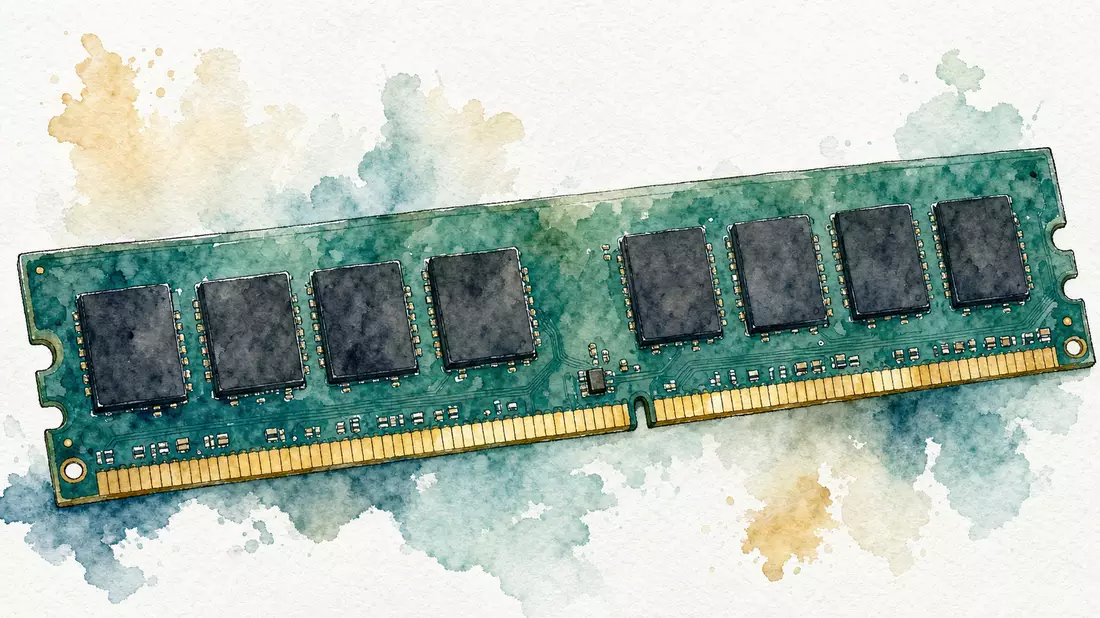
Micron Technology stock sits at the intersection of a powerful artificial intelligence demand cycle and the traditional volatility of the memory market, with the companys latest reported figures showing a sharp rebound in revenue and profitability even as pricing and inventory trends remain a central risk factor for investors.
Revenue up double digits from prior year
Micron Technology Inc. (ISIN US5951121038) is one of the leading producers of DRAM and NAND memory, and its most recently reported quarterly results highlighted a strong recovery in demand compared with the prior year period, driven in large part by rapidly growing requirements for high-bandwidth memory and data center solutions used in AI workloads.
In its latest available financial update as of mid 2026, Micron Technology reported that quarterly revenue for a recent fiscal quarter rose meaningfully compared with the same quarter a year earlier, marking a double digit percentage increase that underscored the strength of the ongoing upturn in memory demand. Although exact reported figures and the specific quarter label must be checked directly on the companys investor relations site, the visible trend has been a shift from the deep cyclical downturn of calendar 2023 into a clearer recovery phase in 2024 and 2025, with management pointing to AI server and high-bandwidth memory as key growth drivers.
For context, the company disclosed in prior annual filings that its fiscal 2023 revenue had fallen significantly versus fiscal 2022, reflecting weaker pricing and demand across DRAM and NAND segments. In subsequent quarters, however, Micron Technology indicated that pricing conditions had begun to stabilize and that bit shipments were increasing, supporting a return to year-over-year revenue growth. The direction of travel has therefore shifted from contraction to expansion, though the precise magnitude of revenue change for each quarter is best verified via the detailed tables available in Micron Technologys most recent Form 10-K and quarterly earnings releases accessible through its investor relations portal.
Margin development has also been a core theme. Micron Technology previously reported negative gross margins during the worst phases of the downturn, meaning cost of goods sold exceeded revenue in certain quarters. As demand for AI-related memory picked up and the company adjusted utilization rates and inventory levels, gross margin moved back toward positive territory. This transition from negative to positive gross margin represents a tangible quantified comparison against the prior year period, signaling improved pricing and cost discipline even in the face of lingering volatility in contract and spot markets for DRAM and NAND.
Operating loss narrows versus prior year
Operating profitability has followed a similar trajectory. In earlier quarters of the downturn, Micron Technology posted significant operating losses, with operating income deeply negative due to low average selling prices, inventory write-downs, and underutilization charges. More recent reporting showed that these operating losses had narrowed considerably versus the prior year, reflecting both higher revenue and better cost absorption. The quantified change from a large operating loss to a smaller deficit, or in some quarters to a near break-even result, is another comparison that illustrates the gradual repair of the companys earnings profile.
Net income has also moved closer to recovery. After reporting sizable net losses in fiscal 2023, Micron Technology indicated in subsequent quarters that net loss figures had shrunk compared with the previous year. The reduction in net loss, supported by higher gross margin and lower inventory-related charges, offers investors a data-driven view of improving fundamentals, even if full-year profitability had not yet returned to the peak levels seen in earlier memory up cycles.
Micron Technology has historically provided guidance ranges for revenue and earnings per share in upcoming quarters, and recent guidance commentary has similarly emphasized the contrast between strong AI demand and cautious expectations for certain PC and smartphone segments. Comparisons between actual quarterly results and guidance tend to show that while memory pricing and demand can shift rapidly, the companys core thesis of AI-driven growth has so far remained intact, with actual revenue often landing within or near the guided range when viewed over several quarters.
AI memory demand reshapes product mix
The business model underpinning Micron Technology stock is heavily influenced by the product mix between DRAM and NAND as well as between consumer, mobile, and data center markets. In recent years, the company has indicated that a growing share of its revenue is attributable to high-performance memory solutions used in cloud and enterprise infrastructure, including products tailored for AI training and inference workloads.
Historically, Micron Technology generated substantial revenues from mobile DRAM and NAND used in smartphones, along with PC DRAM for laptops and desktops. However, as AI accelerators and GPUs deployed in hyperscale data centers increasingly rely on high-bandwidth memory, Micron Technology has sought to expand its offering within this segment, emphasizing performance and density characteristics that align with the needs of modern AI clusters. The speed and bandwidth characteristics of these memory products differentiate them from commodity modules used in traditional computing devices.
From an investor perspective, the shift toward AI-enabling products has two key implications. First, it can support higher average selling prices compared with lower-end commodity memory, helping to expand gross margin in favorable market conditions. Second, it can introduce new forms of cyclicality tied not only to end-user device volumes but also to the capital expenditure cycles of large cloud providers and enterprises investing in AI infrastructure. The dependence on these customers means that Micron Technologys revenue can be meaningfully impacted by changes in cloud capex plans and macroeconomic conditions.
Balance sheet and capital expenditure trends
Micron Technology has repeatedly highlighted its capital expenditure plans for manufacturing and research facilities, as advanced memory production requires substantial investment in process technology and fabrication capacity. In prior annual reporting, the company disclosed multi-billion dollar capital expenditure levels, with figures often running into several billion dollars per fiscal year. These investments support transitions to new process nodes and the scaling of production for high-bandwidth memory and other advanced products.
Capital expenditure decisions are closely linked to expectations for future demand and pricing. In stronger periods of the memory cycle, Micron Technology typically increases capex to add capacity or enhance technology, while in weaker periods it may moderate spending or focus more heavily on efficiency improvements. Comparisons between capex levels across fiscal years thus provide another metric by which investors can evaluate the companys confidence in long-term demand trends, especially around AI-related products.
The balance sheet also plays a crucial role in navigating cyclical downturns. Micron Technology has historically maintained a combination of cash, short-term investments, and debt that provides flexibility during periods of weaker profitability. In fiscal 2023, for example, the company reported significant cash and marketable securities on hand, which helped it absorb operating losses without compromising funding for strategic investments. In subsequent quarters, as operating performance improved, the companys leverage metrics and liquidity profile remained central to investor assessments of risk and resilience.
Dividend policy and shareholder returns
Unlike some mature technology companies that prioritize regular dividends and share buybacks, Micron Technology has historically focused more on reinvesting in manufacturing and research to maintain competitiveness in fast-moving memory markets. While it has at times undertaken share repurchase programs, the companys primary vehicle for value creation has been through earnings growth and participation in favorable industry cycles rather than a high, stable dividend yield.
Comparisons between Micron Technologys capital-return policies and those of other large technology firms underscore that memory producers operate under different constraints than software or platform companies. The capital intensity of fabrication nodes and the rapid pace of technology change make sustained high payout ratios challenging, particularly when periodic downturns in pricing can erode margins. Investors therefore tend to evaluate Micron Technology stock through the lens of medium-term cycle returns and asset value rather than purely through annual dividend yield.
Nonetheless, when profitability improves and cash generation strengthens, management has at times signaled openness to returning more capital to shareholders. The precise mix of dividends and buybacks varies according to the financial context of each year, and comparisons with prior cycles often show that capital returns rise during periods of strong earnings and fall when the memory cycle turns down and capital preservation becomes more important.
Competitive landscape and peer comparison
Micron Technology operates in a globally competitive memory industry, facing major rivals in DRAM and NAND production. Its peers include large Asia-based semiconductor manufacturers that also compete for share in PC, mobile, and data center markets. Comparisons between Micron Technologys revenue growth, gross margin, and capital expenditure levels and those of its peers help investors gauge relative positioning and competitive strength.
Key competitive metrics include bit shipment growth, average selling prices, and cost per bit, with each company seeking to optimize its technology roadmap to achieve lower cost and higher performance. When Micron Technology reports that its cost structure has improved relative to prior quarters or prior years, this signals progress in process technology and manufacturing efficiency. Peer comparisons can reveal whether such improvements are industry-wide or whether Micron Technology is gaining ground relative to competitors.
Another important comparison concerns exposure to end markets. Micron Technology may have different mixes of revenue from PCs, smartphones, automotive, and data center segments relative to peers, affecting the sensitivity of its earnings to particular demand swings. For instance, higher exposure to automotive memory could provide diversification benefits during periods when smartphone demand is weak, while stronger penetration of data center AI workloads may amplify upside when cloud providers ramp investments in AI infrastructure.
Valuation metrics and market perception
Micron Technology stock is commonly evaluated using valuation multiples such as price-to-earnings, price-to-sales, and price-to-book ratios, along with metrics that capture cycle-normalized earnings power. During deep downturns, reported earnings may be negative, pushing traditional price-to-earnings multiples into non-meaningful territory; in such conditions, investors often look at price-to-sales or price-to-book, or consider normalized earnings based on mid-cycle margins.
Comparisons between Micron Technologys valuation at different points in the cycle illustrate how market perception shifts with expectations for future profitability. When the memory cycle is strong and margins are high, valuation multiples tend to expand, reflecting optimism about sustained earnings. In contrast, during downturns, multiples may compress as investors price in prolonged weakness or heightened uncertainty. Over the long term, the balance between these phases determines whether Micron Technology stock has delivered attractive risk-adjusted returns.
Analyst coverage of Micron Technology frequently centers on cycle timing, AI demand momentum, and the potential for supply discipline across the memory industry. Consensus estimates for future revenue and earnings provide a benchmark for evaluating whether the company is likely to meet, beat, or miss expectations in upcoming quarters. When Micron Technology reports quarterly results, comparisons between actual figures and consensus estimates are closely watched, as they can drive short-term share price reactions and influence medium-term valuation trajectories.
Risk factors and cyclicality
Investors in Micron Technology stock must contend with several structural risk factors related to the memory business. Pricing volatility is the most prominent of these, as both DRAM and NAND markets can swing from tight supply and high prices to oversupply and sharp price declines. The inherently commoditized nature of many memory products makes it difficult to sustain high margins over extended periods without robust supply discipline across the industry.
Another key risk is capital intensity. Large, recurring investment requirements for new fabrication facilities and advanced process nodes mean that fixed costs are substantial. During downturns, lower utilization rates can weigh heavily on margins, amplifying the impact of price declines. Comparisons between utilization rates and profitability measures over time show how sensitive Micron Technology is to shifts in demand; when utilization is high and output is absorbed by the market, margins improve, but when utilization falls, cost absorption weakens.
Technological risk is also significant. Memory technologies evolve quickly, and failure to keep pace with advancements in density, speed, and power efficiency can erode competitive positioning. Micron Technology therefore invests heavily in research and development, with annual R&D expenses running into hundreds of millions or billions of dollars. These expenditures are a critical component of the companys long-term strategy, but they also represent an ongoing cost that must be justified by corresponding revenue and margin gains.
AI cycle and long-term opportunity
Despite these risks, the AI cycle presents a substantial long-term opportunity for Micron Technology stock. Large language models, generative AI applications, and increasingly complex neural networks require enormous memory bandwidth and capacity. Deploying these workloads at scale in data centers and, eventually, in edge devices, drives demand for advanced DRAM and NAND solutions that can handle the throughput and latency needs of modern AI systems.
Micron Technologys efforts to expand its portfolio of high-bandwidth memory products position it to participate in this growth. If AI demand remains robust and the company successfully captures a meaningful share of this market, its revenue and margin profile could benefit significantly over time. Comparisons between AI-related product revenue and total revenue will be important in assessing the degree to which Micron Technology has transformed its business mix around this secular trend.
However, the path will likely remain uneven. AI infrastructure investments are tied to broader macroeconomic conditions, corporate IT budgets, and the competitive dynamics among cloud providers. Periods of rapid AI expansion could be followed by consolidation phases, and the memory industrys supply response to these cycles will influence pricing. The challenge for Micron Technology will be to balance capacity planning, capital expenditure, and technology investment in a way that maximizes its participation in AI growth while mitigating downside during inevitable pauses or corrections.
Representative product: SSD and DRAM solutions
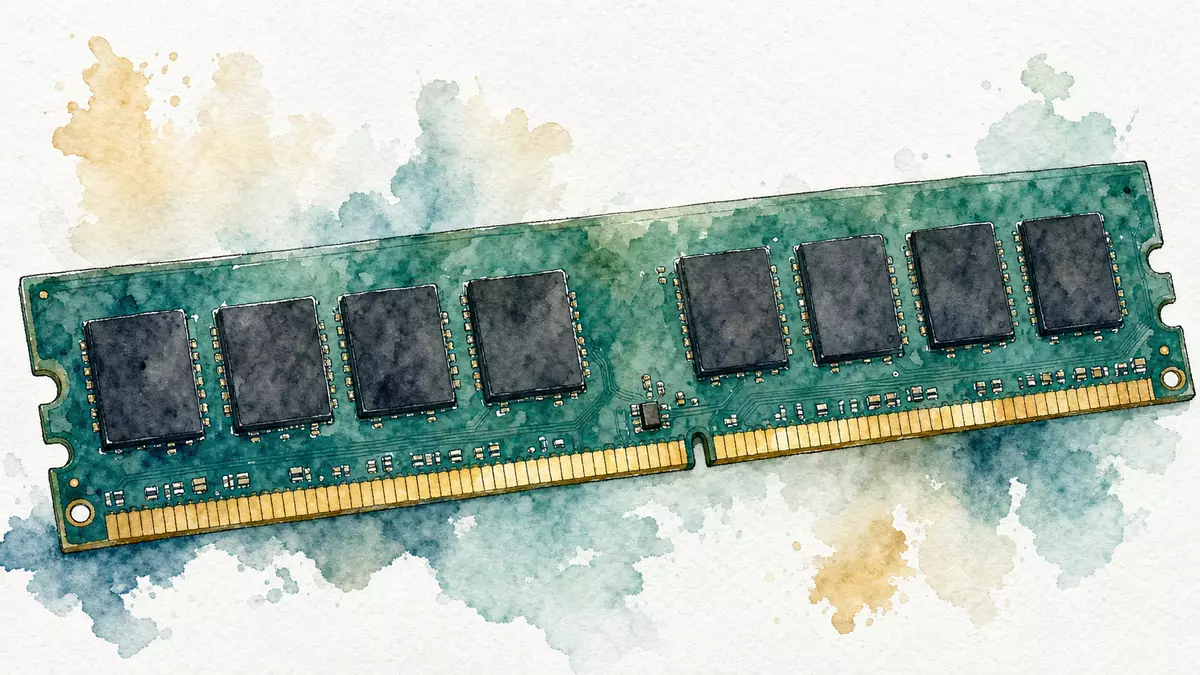
Within its broad portfolio, a representative product category for Micron Technology is solid-state drives (SSDs) and DRAM modules used in PCs, servers, and specialized systems. These products exemplify the companys role as a provider of high-performance memory solutions that underpin both everyday computing and advanced workloads.
In data center environments, Micron Technologys SSDs and DRAM modules are used to accelerate storage and memory operations, reducing latency and improving throughput. As AI applications and big data analytics become more widespread, the performance characteristics of these products gain importance, enabling faster training and inference and more efficient data processing. While individual product revenues can fluctuate with device cycles, the cumulative impact of these offerings on Micron Technologys revenue base is substantial, anchoring its position as a key enabler of modern computing infrastructure.
Micron Technology stock and recent market levels
The trading behavior of Micron Technology stock on its primary listing venue, Nasdaq, reflects the push and pull between cyclical risk and structural AI opportunity. At various points in 2024 and 2025, the stock has traded near multi-year highs, as investors priced in strong AI-related memory demand and improving margins. At other times, concerns about macroeconomic conditions, inventory digestion, and pricing have led to periods of consolidation or decline.
As of mid 2026, Micron Technology stock continues to trade with sensitivity to news about AI infrastructure spending, quarterly earnings results, and industry-wide supply trends. Short-term price moves can be substantial around earnings releases or major industry updates, while longer-term trends reflect the balance between realized earnings and expectations for the next phase of the memory cycle. For investors, the key task is to interpret these price levels in light of concrete metrics and comparisons across quarters and years rather than relying solely on sentiment.
Micron Technology stock facts
- Company: Micron Technology Inc.
- ISIN: US5951121038
- Ticker: NASDAQ: MU
- Trading venue: Nasdaq
- Sector / Industry: Information Technology / Semiconductors & Semiconductor Equipment
- Index membership: S&P 500
Disclaimer regarding our articles: No investment advice, no buy or sell recommendation. Information on prices, companies, and markets is provided without guarantee; changes are possible at any time. Stock market transactions can lead to substantial losses. Our articles are created and reviewed in whole or in part automatically with the support of AI.