Metallica 2026: Tour Hype, Setlists, and Wild Fan Theories
Published on 02/15/2026 at 21:24 | Editorial responsibility: Rafael Müller, Editor-in-Chief AD HOC NEWS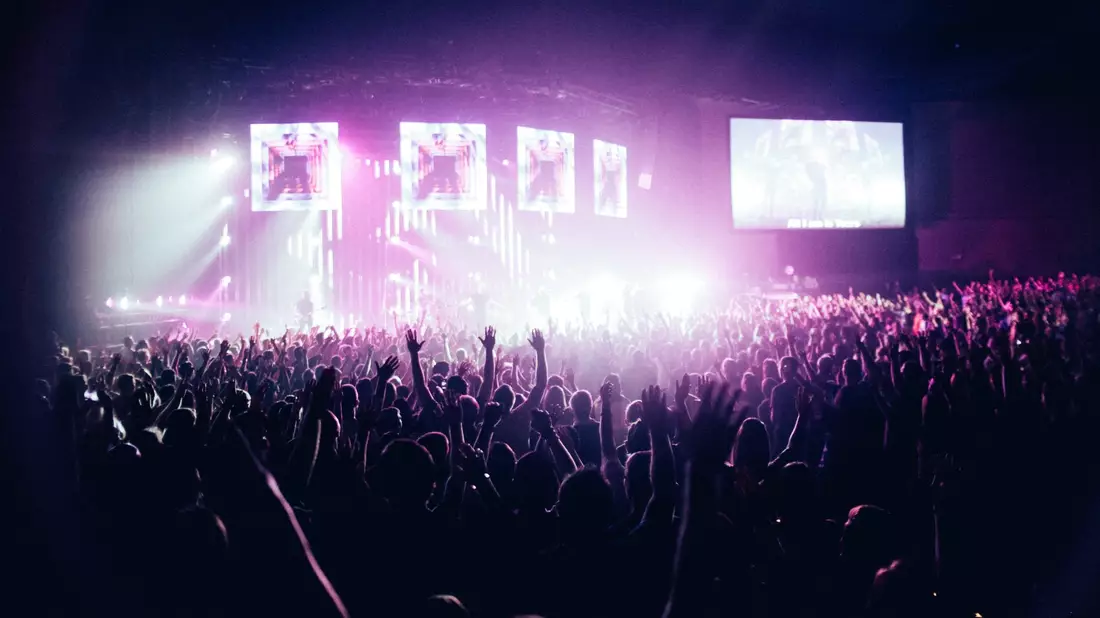
If it feels like everyone on your feed is suddenly talking about Metallica again, you're not imagining it. Between fresh tour dates, evolving setlists, and nonstop fan speculation about what they're planning next, the energy around the band in 2026 is intense. Whether you've seen them ten times or you're just now realizing you kind of need to hear Master of Puppets live at least once in your life, this is the moment to pay attention.
Check Metallica's official tour dates and tickets
Zoom out and you see a band four decades into their career still selling out stadiums, still tweaking their shows, still sparking Reddit threads and TikTok debates every time a new date appears on the schedule. Fans are comparing setlists like sports scores, dissecting every surprise song, and wondering if this next run of shows is a low?key bridge to something even bigger—like new music, an anniversary headline moment, or both.
This deep read walks you through what's happening, what the shows feel like, what fans are arguing about online, and how to actually plan if you're thinking of grabbing tickets.
The Backstory: Breaking News in Detail
Metallica have reached that rare tier where every move looks like a headline. In the last few weeks, the buzz has centered around fresh tour activity on their official site, new rounds of tickets popping up, and fans clocking how the band are keeping the momentum from their recent touring cycle rolling into 2026.
Recent updates on the official tour page show a clear priority: big?format shows, destination gigs, and carefully spaced dates instead of an endless grind. That pacing isn't random. In interviews over the past couple of years, members of the band have repeatedly said they don't want to burn out or phone it in; they'd rather play fewer shows that actually feel monumental. That's exactly the model they're still leaning into as 2026 takes shape.
Industry chatter points to a few key reasons. First, demand hasn't dropped. If anything, a new generation of fans has discovered Metallica through streaming, Stranger Things–style syncs, and parents dragging their kids to "just one show" that ends up changing their lives. That multi?generational demand means they can build tours around giant venues and festival?scale productions while still selling them out.
Second, the band have learned from earlier massive cycles: long, brutal tours used to be the rule, but they took a toll. Now, they seem to prefer clustered dates and weekend?centric scheduling, which makes it easier for international fans to travel in for "destination" shows. Scroll fan posts and you see people flying from the US to Europe and vice versa, treating Metallica concerts like once?in?a?lifetime events rather than just another night out.
The current wave of news is basically phase two of that plan. New date announcements, added nights in cities where demand exploded, and tightly curated festival appearances are giving 2026 heavy Metallica energy without feeling like a tired rerun of older tours. When you see extra nights being added or tickets re?released in waves, that usually means one thing: promoters are responding to intense demand while trying to keep resale chaos at least somewhat under control.
For fans, the implications are clear:
- If a city pops up near you, don't assume there will be a cheaper second leg later. These runs are designed to feel "special," not permanent.
- Flights and hotels around stadium dates are already creeping upward in price as soon as fans clock the schedule. Planning early actually matters.
- US and UK fans in particular are watching carefully to see whether new European dates signal another wave of North American or UK stadiums in late 2026.
Behind all of this, there's a constant question humming in the background: is this purely about finishing the current touring chapter, or is Metallica quietly clearing the runway for their next big release or anniversary?framed project? Nobody in the band has confirmed anything concrete, but that hasn't stopped fans from treating 2026 as a year to watch very closely.
The Setlist & Show: What to Expect
One reason Metallica shows keep trending on TikTok and YouTube: they refuse to just hit copy?paste on their setlists. While the broad skeleton usually includes cornerstone tracks, the details shift enough that hardcore fans follow each show in real time, comparing notes like they're tracking a tour?long storyline.
Across recent gigs, you can expect a core cluster of songs to show up again and again. Think:
- Enter Sandman
- Master of Puppets
- One
- Nothing Else Matters
- Sad But True
- Seek & Destroy
- For Whom the Bell Tolls
Those tracks anchor the show for newer fans and casual listeners. Around that core, though, Metallica rotate in deeper cuts and era?specific favorites. Recent tours have seen songs like Ride the Lightning, Battery, Fade to Black, Whiplash, Fuel, and The Day That Never Comes jumping in and out of the lineup, keeping both the band and the superfans awake.
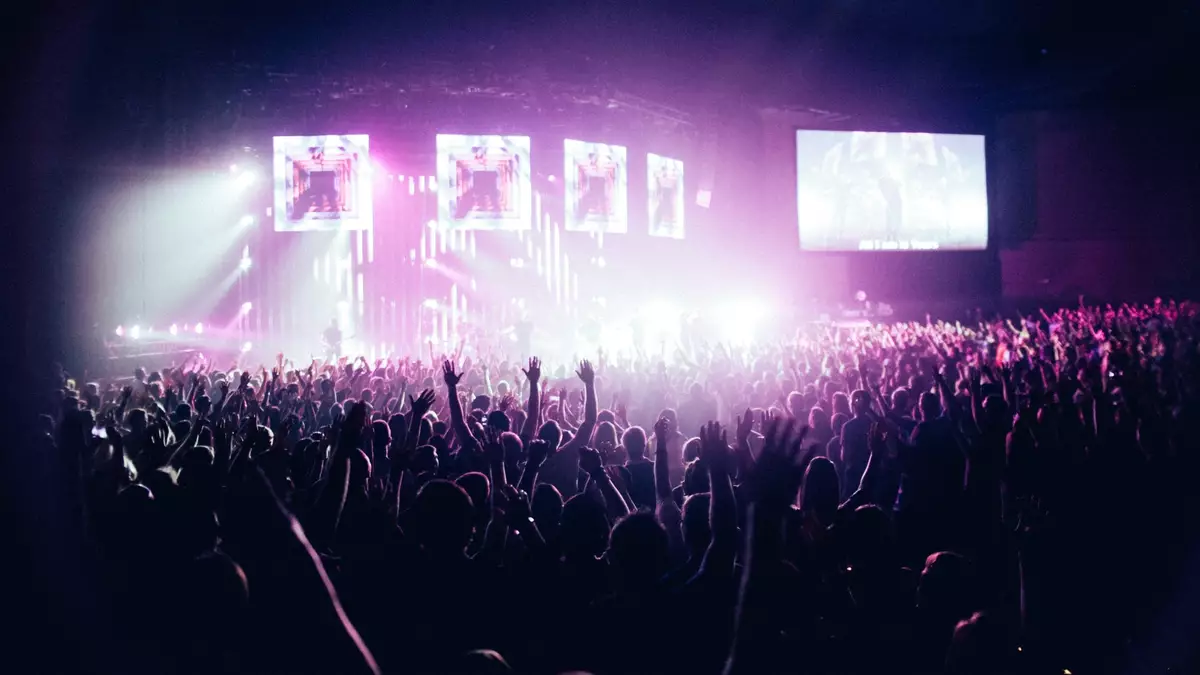
Atmosphere?wise, a modern Metallica concert is less "dark club" and more "metallic IMAX." Massive circular or in?the?round stages have become a signature. Think 360?degree views, towering LED screens, pyro that you can feel in the cheap seats, and a sound mix designed to hit the back of a stadium without turning everything into mud. Even if you're in the nosebleeds, you're not just watching ants onstage—you're part of a giant moving crowd scene, with cameras and production constantly bouncing around the venue.
Another consistent element: emotional pacing. Metallica don't just slam you with speed for two hours straight. They typically build the show in waves—opening with something high?impact, dropping into mid?tempo crushers, then pulling everything back for a ballad moment. Tracks like Nothing Else Matters turn thousands of people into a choir, couples into slow?dancing silhouettes, and older fans into tears. Then, a few songs later, you're back in full whiplash mode with something like Creeping Death or Battery.
On recent runs, the band have also leaned into the "two different nights in the same city" concept, where no songs repeat between nights. Even when they're not fully committing to that model in 2026, the idea has clearly influenced how they think about variety; you can feel them resisting the urge to lock in a rigid script.
For you as a potential attendee, here's what that all adds up to:
- If your main goal is to hear the big classics, you're safe. Those pillars aren't going anywhere.
- If you live for obscure tracks, watch setlists from earlier shows on the run. You'll get a rough sense of which deep cuts are "in rotation" and which cities are more likely to get surprises.
- Plan for a long night. Full Metallica sets easily run close to two hours, sometimes more with intros, extended solos, and crowd interaction.
Support acts vary by region and show, but the pattern the past few cycles has been a mix of contemporary heavy artists and legacy names that make sense alongside Metallica. Expect ticket packages where you're effectively getting a mini?festival: doors early, openers doing proper 30–45 minute sets, then Metallica taking over for the rest of the night.
What the web is saying:
Rumor Mill: What Fans Are Speculating
Head over to Reddit or TikTok and Metallica talk right now falls into a few big buckets: tour strategy, ticket prices, and the never?ending "are they cooking a new album?" question.
1. The "Hidden Pattern" Theory
On Reddit threads, fans are lining up recent tour announcements on a map and claiming there's a hidden pattern pointing to a major 2026 festival moment, possibly in the US or UK. The theory goes like this: the gaps between certain dates, combined with the kinds of cities getting shows, look like Metallica leaving space for one or two "anchor" events—huge, livestream?ready nights that will be marketed as global moments.
Is it confirmed? No. But historically, the band have used similar spacing when they were building towards major festival headlines or multi?night stadium takeovers. So fans watching the schedule obsessively aren't exactly out on a limb.
2. Ticket Price Debates
This is the hot topic almost everywhere. Some fans argue that modern Metallica prices feel steep, especially once dynamic pricing and resale enter the chat. Others counter that the show you're getting—full stadium production, multi?hour set, high?end staging—is closer to a festival than a standard rock tour, so the pricing lines up with that reality.
What you actually see on the ground is a mix: a limited number of more affordable upper?level seats that go instantly, mid?tier seats that sell steadily, and then pit and premium packages that vanish almost as soon as presales open. Fans who've been through recent cycles keep repeating the same advice: don't wait for some mythical "last?minute drop" unless you're willing to gamble with actually getting in.
3. New Album & Studio Speculation
Then there's the big one: will all this touring roll directly into a new studio era? On TikTok, short clips of band members mentioning "ideas" or "always writing" are being looped and dissected. Some fans believe the current tour runs are a victory lap before a longer quiet period; others are convinced these shows are doubling as live testing grounds for production ideas that will tie into future releases.
You also see micro?theories: fans convinced a specific city is getting a live album recording, others reading way too much into song choices on particular nights as "signals" about which eras the band care most about right now.
4. Generational Vibe Shift
A softer but real talking point: how much the crowd has changed. Multiple posts highlight the number of teens and twenty?somethings at recent shows, many of them in fresh merch rather than vintage shirts. Some longtime fans worried this would water down the energy, but the opposite seems to be happening. Younger fans are bringing festival?style enthusiasm—signs, coordinated outfits, viral choreos to sudden mosh pit eruptions—to songs that older fans have lived with for decades.
The result is a weirdly wholesome undercurrent in a very loud environment. Parents brag about taking their kids; younger fans post teary reaction clips after hearing One live for the first time. That generational crossover has become a theme in comment sections, with many people saying this era of Metallica feels less intimidating and more communal than they expected.
Underneath all the theories, there's one shared feeling: nobody wants to miss "this"—whatever "this" turns out to be. Whether 2026 ends up being remembered as a late?career touring peak, the setup for a new album cycle, or the year Metallica cemented their place with younger fans, the fear of missing out is real, and it's driving a lot of the frantic refreshing of the tour page.
Key Dates & Facts at a Glance
Exact dates and cities change as new shows are added, so always cross?check with the official site. But here's a snapshot of the kind of information fans are tracking for Metallica's current and recent activity:
| Type | Detail | Region | Notes |
|---|---|---|---|
| Tour Dates | Stadium & festival?scale shows through 2026 | US / UK / Europe | Check official site for latest city?by?city updates |
| Typical Show Length | Approx. 2 hours (sometimes more) | Global | Full production, rotating setlists, minimal backing tracks |
| Core Setlist Staples | Enter Sandman, Master of Puppets, One, Nothing Else Matters | Global | Rarely, if ever, skipped on recent tours |
| Rotating Deep Cuts | Ride the Lightning, Battery, Fade to Black, Whiplash | Global | Vary by city and night |
| Average Ticket Range | Varies by market & section | US / UK / Europe | From more affordable upper levels to premium pits & VIP |
| Streaming Highlights | Master of Puppets, Enter Sandman, Nothing Else Matters | Global | Still driving massive numbers on major platforms |
| Fan Travel Patterns | Multi?city runs, "destination" weekends | US / Europe | Common for fans to cross borders for key shows |
FAQ: Everything You Need to Know About Metallica
Who are Metallica, in 2026 terms, not just history?book terms?
In 2026, Metallica are less "just" a thrash band and more a living institution in heavy music. The classic lineup you know—James Hetfield, Lars Ulrich, Kirk Hammett, and Robert Trujillo—still anchors the band. But their role has expanded: they're headliners, brand stewards, curators of their own legacy, and somehow still active songwriters and road warriors.
What sets them apart from many of their peers is that they haven't faded into nostalgia?only mode. The shows still feel aggressive and present?tense, not like a museum exhibit. They tilt into their past because fans demand it, but their whole operation—visuals, stage design, marketing, the way they interact with fans—feels very 2020s. Metallica in 2026 are proof that a band can be "legacy" without being frozen in time.
What kind of Metallica show should you expect if you're going for the first time?
Expect something much bigger and more cinematic than a standard rock gig. Picture a football stadium or arena, a stage that cuts into the crowd instead of hiding at one end, and a demographic mix that runs from teenagers in fresh hoodies to people who bought …And Justice for All on vinyl the week it came out.
From the moment the pre?show music hits and the lights start dropping, the energy is more "event" than "night out." The band walk onstage slowly, milking the tension. Once they lock into the first riff, the sound is huge but surprisingly controlled, with guitars and drums punching through clearly. There's constant movement onstage—band members rotating positions, interacting with different sections of the crowd—so even if you're far away, you'll catch close?ups on the big screens and direct eye contact moments if you're lucky.
There are big emotional swings too. Breakdowns where thousands shout along to a single word. Quiet intros where you can practically feel everyone holding their breath. And then the classic closer energy, where fans know the last song or two is coming and try to wring every last second of noise out of it.
Where can you get the most accurate, up?to?date tour info?
The only source that truly matters for the latest Metallica schedule is their official website—especially the dedicated tour page. Promoters, third?party ticket sites, and social clips can lag or mislabel dates. The band's own page aggregates confirmed shows, on?sale times, venue details, and often links directly to verified ticket partners.
It's also where you'll see show status updates first: sold?out flags, second nights added, presale codes, and sometimes notes about production?side changes. If you're planning travel, don't build a trip around a rumor you saw on social when you can click through and double?check what's actually locked in.
When do Metallica tickets usually go on sale, and how do presales work?
Presale windows vary, but the general pattern lately has been layered access: fan?club presales and specific partner presales first, then broader credit?card or promoter presales, and finally the general on?sale. The first few waves often clear a massive chunk of the best seats, which is why people freak out about codes and links.
If you're serious about going, treat presale info like a mini research project. Sign up for official mailing lists ahead of time, keep an eye on time zones, and log in early. Having a plan for what sections you're okay with (floor vs lower bowl vs upper) makes a difference too—getting hung up on one perfect price point while thousands of other fans click past you is how you end up shut out.
Why do people call Metallica shows "bucket list" concerts?
It comes down to scale, history, and emotional punch all stacked in one place. You're not just seeing a band—you're stepping into something that connects generations of fans. Songs like One or Master of Puppets are part of metal history, sure, but they're also woven into movie scenes, TV moments, viral clips, and personal memories for millions of people.
Seeing those tracks explode live, with fire cannons and thousands of voices screaming the same lyrics, is one of those "I was there" experiences. Even people who don't consider themselves hardcore metal fans often walk out stunned at how emotional and communal it feels. That's why you see so many posts where people write, "I don't even care about metal, but this was one of the best nights of my life."
How do Metallica balance old material with newer songs?
Carefully, and very intentionally. They know people show up wanting specific classics. At the same time, the band doesn't want to act like everything after a certain era doesn't exist. Recent tours have dedicated meaningful space to newer material, but rarely in bulk. Instead, newer songs are woven into the flow of the set, sandwiched between proven crowd?crushers so the energy never tanks.
That approach has another side effect: it gives newer tracks a chance to grow. A song that felt just "fine" on first listen can suddenly make total sense when you hear it rip through a stadium PA, and you start seeing comments like, "I didn't get this one until I heard it live." For a band this deep into their career, that's a smart way to keep the catalog alive instead of turning the show into a museum of 80s and 90s hits.
What's the best way to prepare if you're going with friends who don't know Metallica that well?
Think of it like pre?gaming but for setlists. Build a short playlist around likely staples: Enter Sandman, Master of Puppets, Nothing Else Matters, Sad But True, One, For Whom the Bell Tolls, plus one or two deeper cuts you personally love. Get your friends familiar enough with the choruses that they can sing along without staring at their phones for lyrics all night.
On the practical side, plan for comfort. Stadium shows mean a lot of standing, walking, and shouting. Wear shoes you can survive in for hours, pack earplugs if you're sensitive to volume, and budget extra time for post?show transport chaos. And maybe line up a post?show spot to decompress—most people walk out wired, hoarse, and a little stunned. You'll want somewhere to rehash everything you just saw.
Disclaimer regarding our articles: No investment advice, no buy or sell recommendation. Information on prices, companies, and markets is provided without guarantee; changes are possible at any time. Stock market transactions can lead to substantial losses. Our articles are created and reviewed in whole or in part automatically with the support of AI.