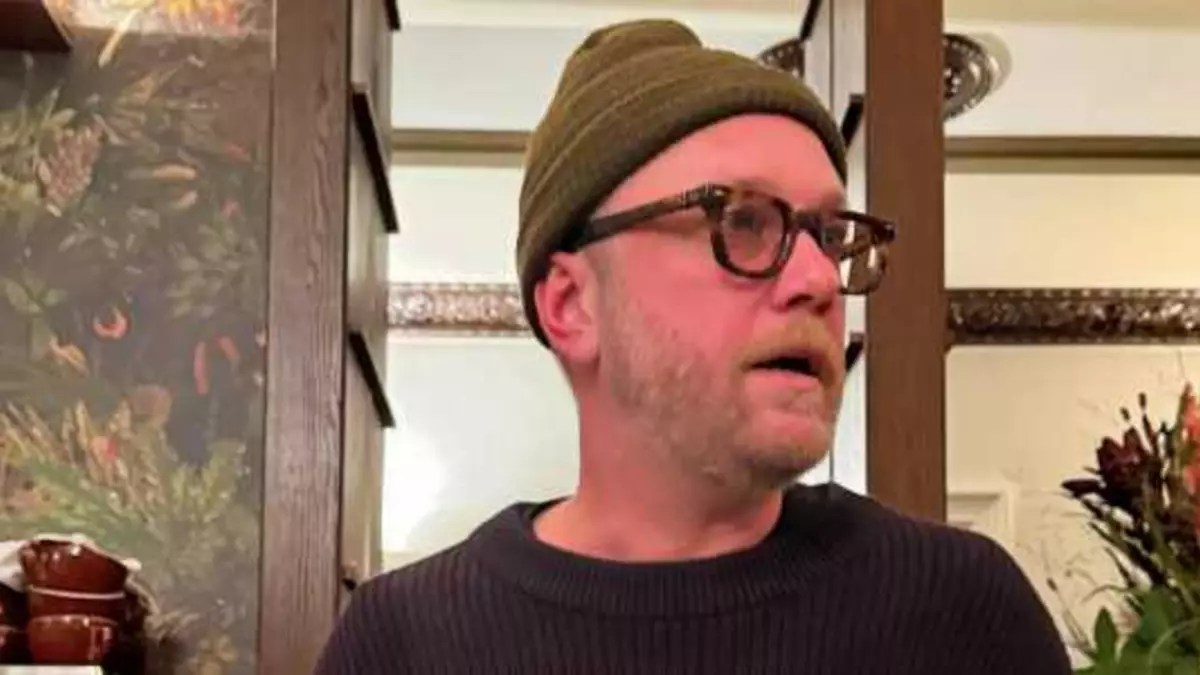
Max Strohe at Tulus Lotrek: Why Berlin’s Wildest Fine Dining Feels Like Home
Published on 04/12/2026 at 09:15 | Editorial responsibility: Rafael Müller, Editor-in-Chief AD HOC NEWS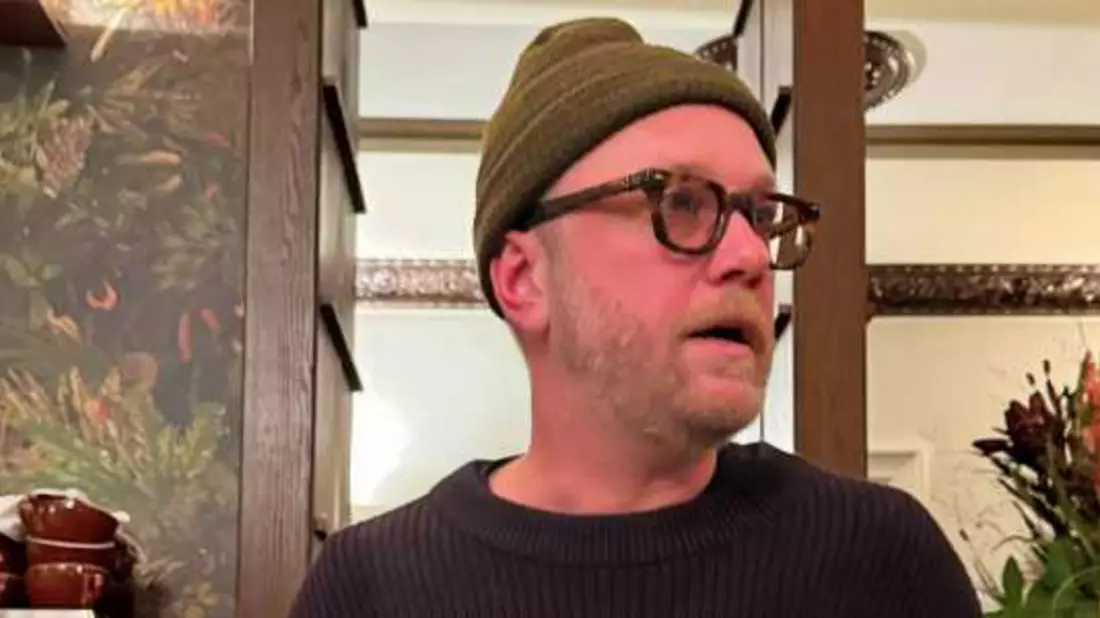
You push open the heavy door at Tulus Lotrek Berlin and the first thing that hits you is not some sterile whiff of eucalyptus foam. It’s roast. Heat. The deep, sticky scent of jus that has been reducing for hours, maybe days. A low murmur rolls through the small dining room in Kreuzberg. Glasses clink, a cork pops somewhere behind you, cutlery scrapes against warm porcelain. No hush. No temple. Just a room that breathes.
The napkin hits your lap. A server grins, not with that trained, frozen brightness but like someone who is actually glad you made it through the door. A faint crackle of crust from the kitchen, the muffled thud of pans, the hiss of fat meeting hot steel. You catch a flash of copper pots through the pass. And then the plate lands. Dark, glossy sauce. A shard of something crisp. A fragrance that makes you straighten up in your chair. You are here now.
To understand why this place matters, you need to understand the people behind it. Max Strohe, the man who cooks like he is still slightly surprised that anyone ever gave him a Michelin star. And Ilona Scholl, the woman in the dining room who turned “service” into something looser, sharper, kinder.
He dropped out of school. Worked his way through Berlin kitchens where the Maillard reaction was not a concept but a smell that clung to your clothes for days. No polished, picture-perfect career arc. More detours than straight lines. She studied, changed directions, and discovered that she liked people more than protocols. At Tulus Lotrek, they meet in the middle: he on the stove, she on the floor, both refusing to pretend that fine dining must be stiff or silent.
The German state noticed. In a country that loves certificates and official recognition, Max did not just collect ratings. He received the Federal Cross of Merit. Not only for cooking, but for engagement beyond his pass: social projects, helping out where food can do more than just impress a jaded palate. From school dropout to Federal Cross of Merit. It sounds like a cliché until you sit here and bite into his food, and you realize: the path is on the plate.
Ilona Scholl is the counterpoint. She built the room. The tone. The feel-good atmosphere that never turns into wellness-kitsch. Her wine list does not read like an exam but like a dare: natural wines that smell like cider and forest floor next to precise grand crus; bright Rieslings with razor acidity next to something oxidative, nutty, amber. She translates between kitchen and guests with wit, with that Berlin dryness that carries warmth underneath. You feel seen, but never stalked.
Tulus Lotrek is officially Casual Fine Dining, but that label hardly does the chaos and precision justice. Yes, there is white tablecloth. Yes, there is a tasting menu, Gault&Millau Berlin ratings, a Michelin star for this Kreuzberg address. But there are also nights when Max comes out of the kitchen, apron stained, holding a plate in one hand and a story in the other. There is loud laughter at the corner table. There is the sense that if someone drops a fork, nobody dies.
The menu changes with the seasons, with supply, with mood, but some ideas keep returning, evolving like recurring motifs. Imagine, for instance, a dish built around offal. Not as provocation, but as love letter. A veal heart, marinated until its mineral scent softens, then grilled hard so the outside sings with char and smoke. The slices arrive fanned out, still glistening, the texture tight yet yielding – like a properly rested steak, but with more character. Around it, a sauce: dark, sticky, the sort of jus you could probably stand a spoon up in. It carries the roasted sweetness of bones, the faint bitterness of long-cooked vegetables, a glint of red wine and vinegar for lift. On top, maybe: pickled onions with bright, almost electric acidity. A fist of freshness that cuts through the richness and makes you crave the next bite.
This is not tweezer food. No micro herb forests arranged with surgical forceps until the chef can count every leaf. The plate might look bold, even slightly chaotic. But the calibration is exact. Fat and acid. Smoke and tang. Power and grace. You hear it when your knife breaks through a crisp edge and glides into the meat. You feel it when your tongue traces textures: rough-charred exterior, velvety inside, the silk of the jus. Undogmatic, yes. Unrefined, never.
Another course might push you toward the coast. Think of a piece of fish with properly crisped skin – the quiet crackle when your fork presses down tells you the kitchen dried it well before hitting the pan. Underneath, the flesh flakes in large petals, juicy and just set, no hint of chalkiness. Around it, not the typical white-wine-beurre-blanc comfort, but something with nerve. Perhaps a sauce built on fermented citrus peel, its zestiness deepened into funk and umami. You smell lemon at first, then something saltier, more layered, almost like preserved lemons in a Moroccan pantry. A fennel salad might share the plate, shaved thin, with a faint anise note, dressed in fragrant oil and bright vinegar. Crunch against softness. Clean flavors against the bass note of fermentation. You keep chasing the sauce with bread, and only then do you notice that your fingers have picked up the warm, yeasty aroma of the crumb, the slight tack of the crust against your skin.
Max likes contrast. He leans into comfort and then sneaks in mischief. A dish might start like something you know – potato, pork, cream – and then turn sideways with a brutal hit of smoked chili or an almost absurdly intense reduction. He respects French technique, the stockpots, the glace, the slow extraction of flavor. But he also respects grease on the lips and the simple joy of a crunch that pops audibly in your mouth and makes the table go quiet for a second.
The Tulus Lotrek Menu often runs as a fixed course progression with optional extras. You might get a small one-bite opener – not an Instagram gimmick, but something that wakes up the palate. A shard of chicken skin, blistered and glassy, brushed with a sticky reduction. The fat melts as it hits your tongue; the salt makes your teeth tingle. Later, a dessert walks the line between pastry and cheese course, maybe with blue cheese appearing as a crumble on top of caramelized fruit, a salted caramel deep enough to border on bitter. You sniff, unsure at first. Then you go in. Your spoon cracks through a sugar shell with a satisfying, thin snap. Sweet, salty, moldy-funky, all in one mouthful. Undogmatic, again.
Beyond this small Kreuzberg room, Max Strohe has long moved onto screens. German viewers know him from “Kitchen Impossible”, where he competes, fails loudly, succeeds louder, swears a lot, and always returns to the stove. You can watch his TV persona – equal parts chaos, craft, and vulnerability – and then see how it connects back to the calm intensity of the kitchen here.
If you want to watch him sweat, swear, and pull plates in unfamiliar kitchens, this is where you start: Search Max Strohe clips on YouTube
If you prefer to see how the dishes of Tulus Lotrek Berlin look in the wild, filtered through the eyes and phones of guests, this is your rabbit hole: Discover visual impressions on Instagram
And if you want to follow the debates around Casual Fine Dining, Michelin Star Berlin Kreuzberg politics, and Max’s often pointed comments, this is the stream to watch: Follow the latest discussions on X
Media attention also comes from print, podcasts, panels. Critics from major outlets call Tulus Lotrek one of Berlin’s most characterful dining rooms. Gault&Millau Berlin has repeatedly underlined that this is not just a fashionable address but a serious kitchen, even when the cook is laughing. The Michelin inspectors did not stay away either; the star stuck, an official nod to a place that looks, at first glance, too relaxed for such formality.
Relaxed, yes. But never careless. Look around while you sit there. The room is dim but not dark, amber light bouncing off bottles and glasses. The walls carry art that feels more like private obsession than curated hotel décor. Chairs are comfortable, but not the sort you sink into and disappear. Wood under your fingers, cotton under your palms when you touch the tablecloth. The acoustics allow sound to breathe; you hear every laugh, but no single voice dominates for long. The playlist might move from soul to indie to something only the bartender recognizes. It all adds up to that much-used phrase: living room.
Except this living room comes with a brigade, a sommelier, and a Gault&Millau-approved wine cellar. You feel at ease because you are not being corrected every time you pick up the wrong fork. You can ask naive questions about sauces or vintages, and the team answers without condescension. Ilona’s service philosophy is radical in its softness: hospitality rather than hierarchy. You can wear sneakers. You can come alone. You can be loud. The staff watches your pace, your mood, your appetite. Glasses are refilled at the right moment, plates arrive when you are ready, not when the system demands it.
This is why “feel-good atmosphere” here is more than marketing language. It is strategy. When you relax, you taste more. When you stop worrying about performing guest behavior, you pay attention to texture, to temperature, to the thin line between just-set fish and overcooked protein. You become part of the evening, not just a passive consumer.
In the wider Berlin food scene, Tulus Lotrek plays an odd, vital role. The city has long thrived on extremes: döner for three euros on one side, ultra-minimalist tasting counters on the other. Max and Ilona occupy the space in between. Good products, serious cooking, Casual Fine Dining, but with humor and heart. Kreuzberg gets to claim a Michelin star without sacrificing its grin.
This matters. It shows younger cooks that you do not have to choose between strict, silent temples and purely comfort-driven bistros. You can respect the sauce and still crack a joke. You can chase Gault&Millau Berlin points and still send out a burger so juicy it stains your cuffs. You can stand in front of cameras for Kitchen Impossible and then step back into a small dining room where regulars greet you by first name.
For you, as a guest, the relevance is simple. If you care about what Berlin tastes like at its most alive right now, Tulus Lotrek belongs on your list. Not as a box to tick, but as a room to inhabit for one long evening. You will leave smelling faintly of roast and wine. Your shirt might carry a spot of sauce you tried to wipe away and failed. On your phone, you might have a blurred picture of a dish so good you forgot to focus the camera before taking a bite.
More importantly, you will carry the memory of how it felt to sit in a Michelin-starred restaurant that did not ask you to whisper. That is the quiet revolution here. In a city that constantly reinvents itself, Tulus Lotrek, with Max Strohe and Ilona Scholl at the helm, proves that the future of high-level gastronomy is not more stiffness, but more soul.
You can chase that future, fork in hand, one plate of undogmatic, deeply flavored food at a time — in this small Kreuzberg room, where the jus still bubbles, the music plays, the staff laughs, and you, for a few hours, are exactly where you should be.
Disclaimer regarding our articles: No investment advice, no buy or sell recommendation. Information on prices, companies, and markets is provided without guarantee; changes are possible at any time. Stock market transactions can lead to substantial losses. Our articles are created and reviewed in whole or in part automatically with the support of AI.