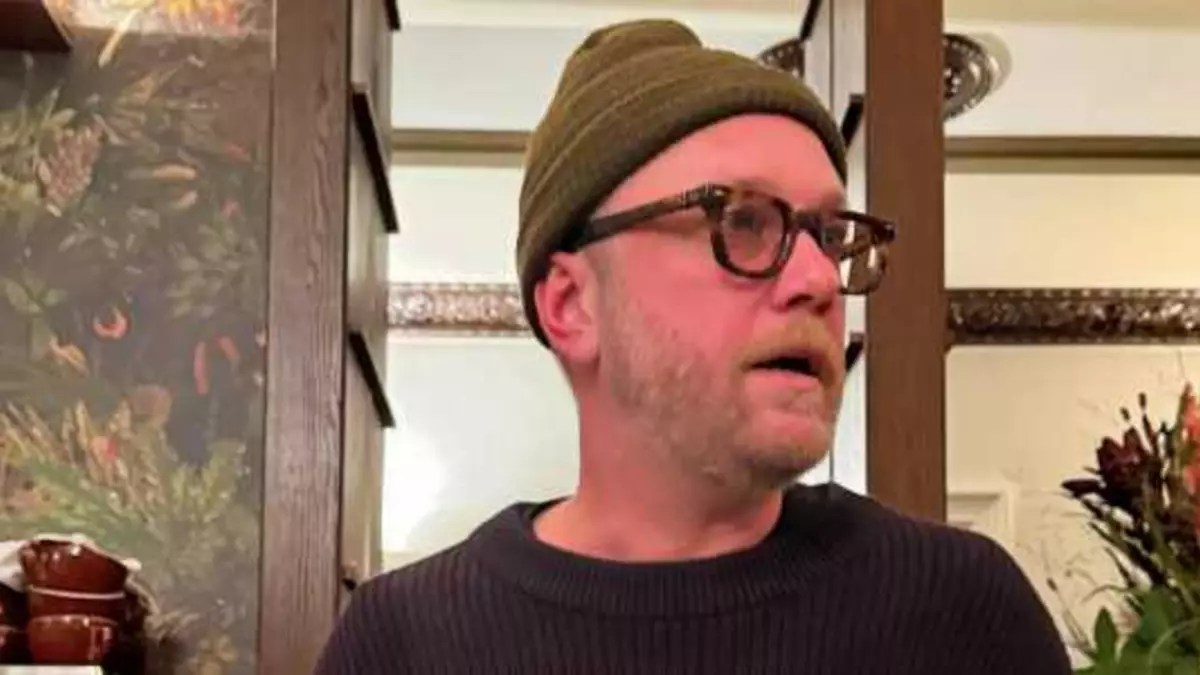
Max Strohe at Tulus Lotrek: Berlin’s Wildest Star Kitchen with a Beating Heart
Published on 03/15/2026 at 09:15 | Editorial responsibility: Rafael Müller, Editor-in-Chief AD HOC NEWS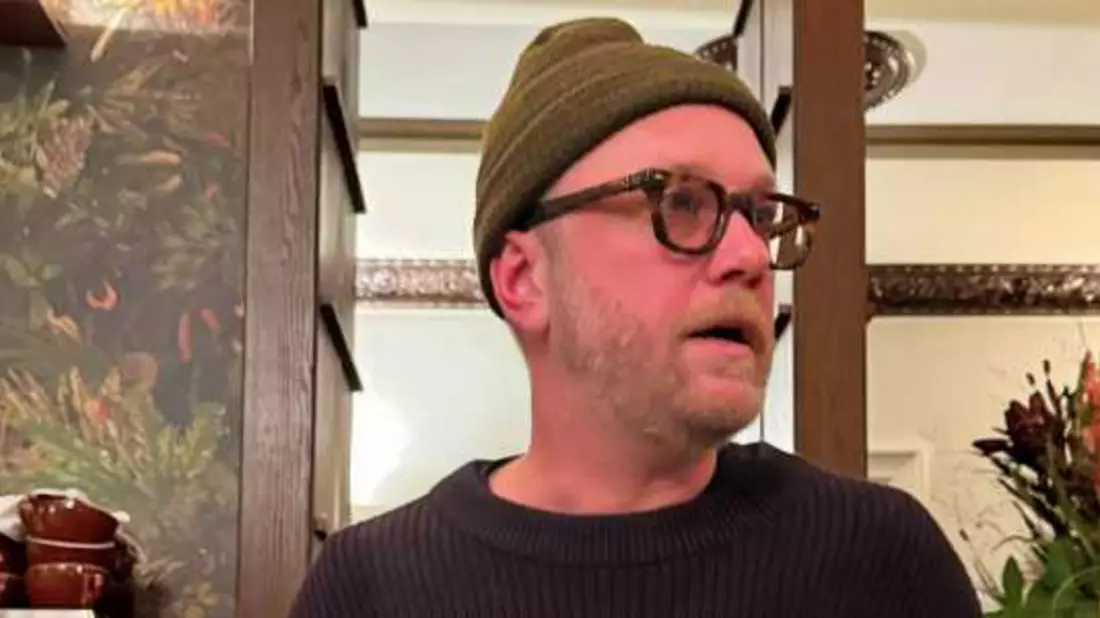
The door falls shut behind you with a soft thud, muting Kreuzberg’s traffic to a dull hiss. For a second, you stand still. Warm light. Deep greens and dark wood. A low hum of conversation layered over the clink of cutlery on thick porcelain. Someone laughs from the back room, the kind of hoarse Berlin laugh that says the second bottle has already been opened. This is Tulus Lotrek Berlin, and the first thing you notice is the smell: roasted meat, butter foaming in a pan, a faint vinegary sting from a sharp reduction catching on the heat. You feel your shoulders drop.
You sit. The chair is heavy, reassuring. The linen has that crisp resistance under your palm, starched but not stiff. Glasses glint on the table, but nothing feels staged. No tweezers in sight, at least not from here. In the open view of the pass, you catch a glimpse of a broad-shouldered figure with tattoos, moving fast but not frantic, a pan in one hand, a spoon in the other. A hiss as something hits hot steel, the Maillard reaction turning protein and fat into pure scent. You already know: this will not be a quiet, reverent, whispering kind of Michelin evening. This will be loud. Human. Generous.
The Protagonists: Max Strohe and Ilona Scholl
To understand this room, you have to understand the duo behind it. Max Strohe, school dropout, line-cook veteran, now decorated with a Michelin star and the Federal Cross of Merit. And Ilona Scholl, maître d’, hostess, wine whisperer, and the verbal opposite of a stiff sommelier with white gloves. You feel their presence before you see them. In the playlist. In the menu wording. In the way the staff talks to you as if you were already a regular.
Strohe grew up outside the clean, classic trajectory of elite kitchens. Not the boy wonder polishing quenelles in three-star palaces from age sixteen. More the guy who learned to hustle, who took bad shifts in worse kitchens and stored away every trick: how long a veal tongue really needs, what butter does when you push it to the edge of nutty without going burnt, how to reanimate a sauce that someone almost killed with salt.
Ilona Scholl brings the counterpoint. She is the one who decided that fine dining could be casual fine dining without losing precision. That you can drink serious wine and still crack rude jokes. That a stern, laminated water menu is less helpful than a carafe refilled at exactly the right moment. The room is her canvas: velvet, dim light, slightly decadent artwork, a hint of fin-de-siècle salon, but with sneakers and tattoos.
When Germany awarded Max Strohe the Federal Cross of Merit for his social engagement, it felt both surprising and inevitable. The same guy you watch on TV in “Kitchen Impossible,” swearing at a failing soufflé, is driving support projects, using his visibility to move money and attention where it’s needed. You sense that edge here. The food is ambitious, the atmosphere is not anaesthetised. This is not a temple. It is a living room with very high standards and very sharp knives.
Awards and Status: Michelin Star Berlin Kreuzberg
On paper, the credentials are clear. Michelin Star Berlin Kreuzberg. Strong ratings from Gault&Millau Berlin. Consistent praise from critics who usually prefer their tasting menus hushed and controlled. Yet Tulus Lotrek insists on its own logic. The star is there, but it does not dictate the mood. No sphered droplets purely for Instagram. No twelve-course obligation marathon designed to lock you to your chair for four hours. Instead, you get intensity. Rich sauces. A kind of maximalism that is almost old-fashioned, only lifted by acid, herbs, citrus zest, and the rare, well-placed bitterness.
Culinary Analysis: Undogmatic, Rich, and Precise
You open the Tulus Lotrek menu and realise: this is not the usual list of cryptic ingredients arranged like a poem. You actually recognise words. You can roughly imagine what will land on your plate. But when the food arrives, it goes further than you pictured.
Dish One: The Deep, Dark, Sticky Thing
The first plate that really hooks you might be a braised meat course. Let’s say veal or lamb, depending on the current season. When it lands, you hear the soft scrape of porcelain on wood. The aroma rises immediately: deep roasted notes, a background of smoked fat, the sharp, high tone of reduced wine. The meat is lacquered in a jus that clings and shines, reduced until it’s almost elastic. You drag your fork through it and feel the resistance – not syrupy, not oily, but dense.
The first bite is hot, almost too hot. You feel the fibers yield, barely any need for chewing. The Maillard crust on the outside gives a light crunch before it dissolves into tender meat and sticky sauce. You get hits of acid from whatever Strohe has decided to pair it with this season: maybe pickled radish, thin as paper; or grilled lemon segments, charred at the edges, their juice cutting straight through the richness. A herb oil draws a thin green line around it all, giving you chlorophyll bitterness and freshness.
This is the opposite of stiff, tweezered micro-leaves and three drops of anonymous gel. The precision is there, hiding in the balance. Temperature. Reduction level. Salt. You don’t see the technique; you feel its absence would ruin everything.
Dish Two: Vegetables that Refuse to Be Sidekicks
Then there is the vegetable course. Strohe likes to treat plants with the same respect as meat, and it shows. Think of carrots cooked in their own juice with brown butter, finished with an aggressively bright, almost sharp carrot vinaigrette. Or cabbage charred until the outer leaves verge on black, then dressed with a velvety sauce made from its own smoked core and a touch of cream.
You cut into a wedge of cabbage and hear a faint crackle from those charred edges. Inside, it’s succulent, steaming. The sauce leaks out slowly, thick enough to cling, thin enough to pool. The aroma is a mix of grill, dairy, and a faint sweetness that feels almost caramelised. You taste and get smoke first. Then the round, mouth-coating warmth of the cream. Finally, a bright, herbal spike—maybe tarragon, maybe lovage—clearing your palate just in time for the next bite.
Again, this is not about decoration. No edible flowers stacked like a bouquet. The plate is composed but not posed. The term casual fine dining makes sense here: the food is serious, the plating relaxed.
Dish Three: Dessert Without Infantilisation
By dessert, you expect sugar. Here, you get structure. Imagine a dessert based on citrus and fat rather than candy sweetness: a tart lemon cream, almost sour, sitting on a shortcrust that fractures with the clean snap of good butter and the slight grain of brown sugar. On top, maybe a herb granité—basil, parsley, or something more unexpected—icy and aromatic, shocking your tongue awake after all that richness.
The spoon sinks into the cream with a silky sigh. The cold granité crunches like fresh snow. You feel the temperature contrast first, then the flavours: acid slapping your taste buds, fat soothing them, herbal notes curling around the edges. You do not feel like a child with a sundae. You feel like an adult whose palate is being interrogated gently but firmly.
Against Tweezer Food
In a city that has seen its share of rigid, ultra-minimalist plates, Strohe’s cooking feels almost rebellious. He does not worship at the altar of micro-portions and silence. You are allowed to laugh between bites. To mop up sauce with bread. To admit that you like things that are obviously delicious. If some tasting menus in town feel like exams, Tulus Lotrek feels like a long, aggressive, loving conversation.
Media & Digital Echo: Kitchen Impossible and Beyond
Max Strohe’s face is already familiar if you follow German food television. His appearances on Kitchen Impossible turned him into the kind of personality you either root for instantly or grow to appreciate after you see him struggle through someone else’s signature dish in a foreign kitchen. On screen, he is unpolished. He curses. He sweats. He doubts himself. That vulnerability translates into trust when you sit in his restaurant: you know this food is cooked by someone who has tasted failure, not just easy praise.
Curious what this looks like when cameras roll and the pressure spikes? Watch him navigate impossible recipes and chaotic kitchens, then compare that energy to the calm confidence of your plate. Search Max Strohe clips on YouTube
If you want to see how all of this translates into colour and shine—the deep mahogany of a jus, the matte glow of roasted root vegetables, the way candles reflect in wine glasses on those dark tables—scroll through the posts and stories that guests leave behind. Discover visual impressions on Instagram
And if you’re in the mood to eavesdrop on the wider conversation—debates about what modern German cuisine should be, whether casual fine dining is the future, or why a chef with tattoos and a Federal Cross of Merit matters in the broader culture—follow the social media noise. Follow the latest discussions on X
Online, Strohe’s persona blurs the line between chef, entertainer, and social commentator. In interviews, he talks about class, access, and the politics of food with a directness that can feel disarming. That same directness is on the plate: no fake luxury, no caviar theatrics just to justify a price point. When he uses expensive ingredients, they earn their keep.
Atmosphere & Service: The Living Room Effect
Why does everyone keep calling Tulus Lotrek a “living room”? It’s not literally cozy in a cluttered way. The tables are spaced with intent. The chairs have weight. The lighting is flattering but not murky. The answer is service—and the way you, as a guest, are allowed to be yourself.
From the first greeting, you feel the difference. There is no recitation of rules. No “we kindly ask that you…” lectures. You are guided, not controlled. If you hesitate over the wine list, someone appears who actually listens. They ask what you usually drink, not what you think you should drink. If you admit you like juicy, uncomplicated reds, you are not shamed into a Barolo. You might be steered toward a surprising, slightly wild natural wine, or a classic from an unexpected region. The point is not to prove anything. The point is pleasure.
The acoustics help. The room is lively, but sound doesn’t bounce painfully. You can talk in a normal voice and still overhear fragments from the next table—snatches of English, French, Berlin slang. Glasses chime occasionally, but it’s never a harsh clatter. Cutlery meets plates with a soft ring. When a bottle is opened near you, you hear the brief scrape of foil, the muffled pop of the cork, a few seconds of quiet as everyone at that table watches the tasting sip.
The staff moves quickly but never looks like they’re performing choreography. They lean in slightly when they describe a dish, then retreat. They do not lecture you on provenance unless you show interest. If they mention that a certain vegetable comes from a small farm outside Berlin, it’s because the flavour warrants the story, not because the story is all there is.
This is where feel-good atmosphere stops being a marketing phrase and becomes a physical sensation. Your back relaxes into the chair. Your hand closes naturally around the weight of the wine glass. You are not being rushed, but you are also never left waiting long enough to wonder if someone forgot you. Time slides.
Relevance for the Berlin Food Scene
Berlin’s food scene has matured fast. From cheap currywurst clichés to global neo-bistros, natural wine bars, and high-end omakase counters, you can find almost everything now. In that chaos, a place like Tulus Lotrek does something important: it shows that high-level cooking does not have to be ascetic or precious.
By anchoring a Michelin Star in the heart of Kreuzberg, in a room that feels more like a salon than a lab, Strohe and Scholl send a clear message. You can eat food of this calibre without surrendering to silence, white gloves, and endless explanations. You can talk politics over your lamb. You can swear softly when the sauce is too good. You can be messy and still worthy of one of the city’s best tables.
Their recognition by Gault&Millau Berlin and the public success of Max Strohe’s media appearances amplify that stance. When you see him on screen, you understand: the restaurant is an extension of that personality, but sharpened, edited, disciplined by years on the pass. The chaos you might witness on TV never reaches your table. What you receive is only the distillate.
For younger cooks in the city, Tulus Lotrek is a signal that you do not have to erase your background or your quirks to reach the top tiers. You can be a school dropout. You can swear. You can carry your history into the kitchen and still be taken seriously—as long as the work is precise, the flavours honest, the ambition sustained.
And for you, the guest, it means something simpler: an evening where excellence does not feel like an exam. Where casual fine dining is not a buzzword but the lived experience of eating dishes that are bold, full-throated, technically tight, and still comfort-driven. Where the taste of a dark, sticky jus, the smell of charred cabbage, the cold shock of herb granité, and the warm laugh of a server who actually enjoys being there all blend into a memory you will carry for a long time.
You step back out into the Kreuzberg night eventually. The air feels thinner, cooler. Traffic roars again. You taste a faint echo of citrus and smoke on your tongue. In your pocket, maybe, a booking reminder for your next visit. Some restaurants impress you. Tulus Lotrek, at its best, disarms you. And in a city that often confuses aloofness with sophistication, that might be its most radical act.
Disclaimer regarding our articles: No investment advice, no buy or sell recommendation. Information on prices, companies, and markets is provided without guarantee; changes are possible at any time. Stock market transactions can lead to substantial losses. Our articles are created and reviewed in whole or in part automatically with the support of AI.