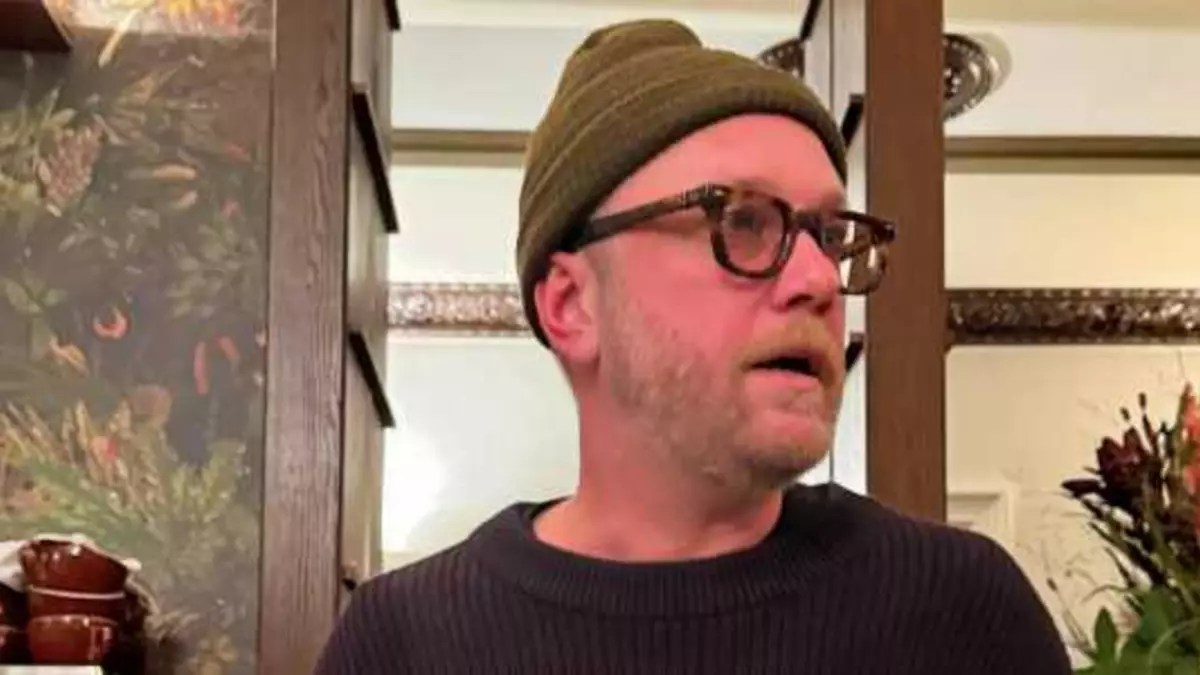
Max Strohe at Tulus Lotrek: Berlin’s Wildest Michelin Star With a Heart
07.03.2026 - 09:15:08 | ad-hoc-news.de
The door at Tulus Lotrek Berlin falls shut with a soft thud. Warm light, low ceilings, a clink of Riedel glass, the faint hiss of a pan catching flame in the open kitchen. You catch roasted chicken skin on the air, browned in butter until the Maillard reaction tips from golden to almost nutty. Someone at the next table laughs too loudly. No one shushes them. You hang up your coat and realize: this is a Michelin-starred restaurant that smells not of hushed reverence, but of dinner at very funny, very talented friends’ place.
The walls glow in deep color, somewhere between bordeaux and night. Candles throw soft shadows over framed art that feels more dive bar than palace. You slide into a padded chair; the upholstery has that slight give that lets you exhale. A playlist that actually has bass. Not hotel lobby jazz. You look around and think: this cannot be the same Berlin Kreuzberg that guidebooks still try to summarize in three clichés.
At the center of it all: two people. Max Strohe and Ilona Scholl. No white-tablecloth dynasties. No hotel group pedigree. Max, the school dropout who never quite fit into traditional kitchen brigades. Ilona, the host who talks faster than many people think, pours wine like she is telling you a secret, and reads a room in under three seconds.
They built Tulus Lotrek in Berlin with stubbornness and humor, then sharpened it with discipline. The result: a restaurant with a Michelin star and serious Gault&Millau recognition, run by people who still crack jokes about the absurdity of tweezers and edible flowers lined up like soldiers. And yet, the German president saw enough substance to award Max Strohe the Federal Cross of Merit for his social engagement and aid work. From dropping out of school to wearing one of the country’s highest honors on his lapel. It sounds like fiction, but you can taste the arc in the food: lived experience, then technique.
Ilona’s role is just as crucial. Without her, this would risk becoming another chef temple. With her, it becomes something else. She translated Max’s rough energy into a room where you can celebrate an anniversary, a Kitchen Impossible fan night, or just survive a bad Tuesday. Her awards as one of Germany’s most influential hosts, her presence in media pieces about the future of service, and her reputation among Berlin sommeliers all coil together into one simple effect: you feel looked after, not evaluated.
The current Tulus Lotrek menu keeps shifting with season 2025/2026, but the logic stays the same. Bold, clever, yet undogmatic. One plate might read like a joke until you take the first bite and realize how serious the craftsmanship is.
Take a signature line: a bird-focused main course that channels classic French technique but refuses to be fussy. Imagine aged poultry, the skin as taut and glassy as fine lacquer. The first crack is audible; your knife slides through with almost no resistance. Underneath, hot, juicy flesh, steam carrying scents of thyme, bay leaf, and lemon zest. A deep, glossy jus hugs the plate, reduced to the edge of caramelization, sticky in the best way. Beside it, maybe a decadent potato variation—something between fondant and gratin. Butter-saturated, edges just crisp, center silken. You catch a tiny crunch of finishing salt; the contrast between brittle skin and soft flesh is almost indecent. No towers, no architectural flourishes. Just focus, precision, and a quiet understanding of how much fat and acidity your palate can handle before you reach bliss.
Another example: a vegetable-driven course that refuses to apologize for being green. Picture smoked beetroot, sliced thick, the exterior almost leathery from the smoke, the center plush like sashimi. It rests on a pool of horseradish cream, sharp enough to sting your nose for a second before the dairy rounds it off. Sprinkled around: pickled mustard seeds that pop against your teeth, releasing heat and brine. A herb oil drifts across the plate in a muted electric green, smelling like crushed parsley and chive just out of the mortar. This is not tweezer food arranged in tiny grids. This is deliberate, but loose. The dish looks like it landed itself on the plate.
The desserts follow the same logic. Intelligent, sometimes cheeky, never cloying. Think a reinterpretation of a classic German pudding, maybe, but with salt, crunch and char. The surface might carry the toffee bitterness of burnt sugar; your spoon cracks through and meets something cool and trembling. Tiny shards of caramelized nuts stick to your lips. A last sip of a pairing wine or a non-alcoholic infusion cuts through the sweetness. You feel full, but not defeated.
This is what they mean when they talk about Casual Fine Dining here. You get linen, sharp knives, a brigade that can make a perfect jus in its sleep. But you also get jokes, volume, and the freedom to swear at the table without fear of a raised eyebrow. Ilona and her team move like experienced bartenders rather than silent butlers. They lean in. They explain, but never lecture. If you want to talk about Gault&Millau Berlin ratings, they can. If you just want another glass of that orange wine that smells faintly of apricot and old books, they can do that too.
Outside Tulus Lotrek, Max Strohe has become a familiar face on screens. His appearances on "Kitchen Impossible" cemented his status as one of the most recognizable chefs in the country, the one who curses, sweats, fails visibly, then pulls through anyway. That TV vulnerability strengthens what you feel at the table: this is not a sanitized persona, but a working cook who still knows what a double shift feels like in the knees.
If you want to see how his personality translates into moving images, from chaotic challenges to behind-the-scenes glimpses, you can start here: Search Max Strohe clips on YouTube
To understand how the plates actually look—the gloss of the sauces, the slightly imperfect quenelles, the way candlelight hits the glassware—let your thumb do the scrolling: Discover visual impressions on Instagram
And if you enjoy the heated debates around what Casual Fine Dining should be in 2025 Berlin, from pricing to portions to politics, you can join the argument here: Follow the latest discussions on X
Back in the dining room, the atmosphere does something unusual for a Michelin-starred address in Berlin Kreuzberg: it lets you unclench your jaw. The lighting is forgiving, the spacing between tables intimate but not suffocating. You overhear real conversation, not only tasting notes. Plates arrive with a soft thud; cutlery clinks in no particular rhythm. The soundscape is human, not curated.
Ilona’s service style is a major part of this feel-good atmosphere. She might crack a dry joke as she pours your wine, or nudge you toward a dish that fits your mood better than the one you stubbornly pointed at. Her team mirrors that tone—professional, but never stiff. They know the producers, the vineyards, the aging times, but they deploy that knowledge only when you ask. If you prefer a quick, direct recommendation—"What should I drink with that rich poultry?"—you get an answer in one sentence, not a monologue.
The chairs support you properly; your back does not start to ache halfway through the menu. The napkins are heavy enough to feel like something, light enough to forget. The physical experience matters here as much as the flavors. You touch a plate edge and feel the warmth. You pick up your glass and notice the thinness of the rim. Your steak knife is sharp enough that you do not need to saw through anything. These details build up to a room that feels more like a well-run living room than a shrine.
For the Berlin food scene, Tulus Lotrek operates as a pivot point. A Michelin Star in Berlin Kreuzberg that proves you can be serious about product, craft, and insight without sliding into cold perfectionism. Young chefs come here on their days off to see how far you can stretch the idea of fine dining without breaking it. Diners tired of tasting menus that feel like exams find relief here, without sacrificing ambition.
Max Strohe’s combination of media visibility, the Federal Cross of Merit, and the persistent excellence of his restaurant gives him cultural weight beyond his plates. He shows that a chef can engage with social issues, support aid projects, talk politics, and still run a tight, joyous kitchen. Ilona Scholl, with her clear stance on fair service conditions and genuine hospitality, anchors the entire operation in reality rather than myth.
If you care about where Berlin is heading—away from rigid formality and toward relaxed, intelligent gastronomy—this restaurant is essential. Not just because the guides say so. But because when you stand up from the table at Tulus Lotrek, coat on, last whiff of roasted chicken fat and citrus still clinging to your clothes, you feel two things at once: that you have been treated, and that you have been seen.