Max Strohe at Tulus Lotrek: Berlin’s wildest Michelin-star comfort zone
Published on 03/25/2026 at 09:15 | Editorial responsibility: Rafael Müller, Editor-in-Chief AD HOC NEWS
The door closes behind you and Kreuzberg’s traffic thins to a muffled hiss. Tulus Lotrek Berlin hums. Chairs scrape softly on wooden floors, cutlery glints under low, amber light. Brass details, deep colors, a bit of velvet, a bit of kitsch. You catch the quiet crackle of duck skin meeting hot fat from the open kitchen. The air is thick with roasted aromas, a hint of citrus zest, and something darker, sticky, almost primal – reduced jus working its way down in a saucepan.
A server glides past with a plate that smells like browned butter and smoke. Glasses clink, someone laughs too loud, nobody cares. You sit. The napkin is thick, almost plush. You press your palms into it for a second, centering yourself. This is not the hushed etiquette of classic fine dining. This feels lived in. A Michelin-star restaurant that dares to feel human.
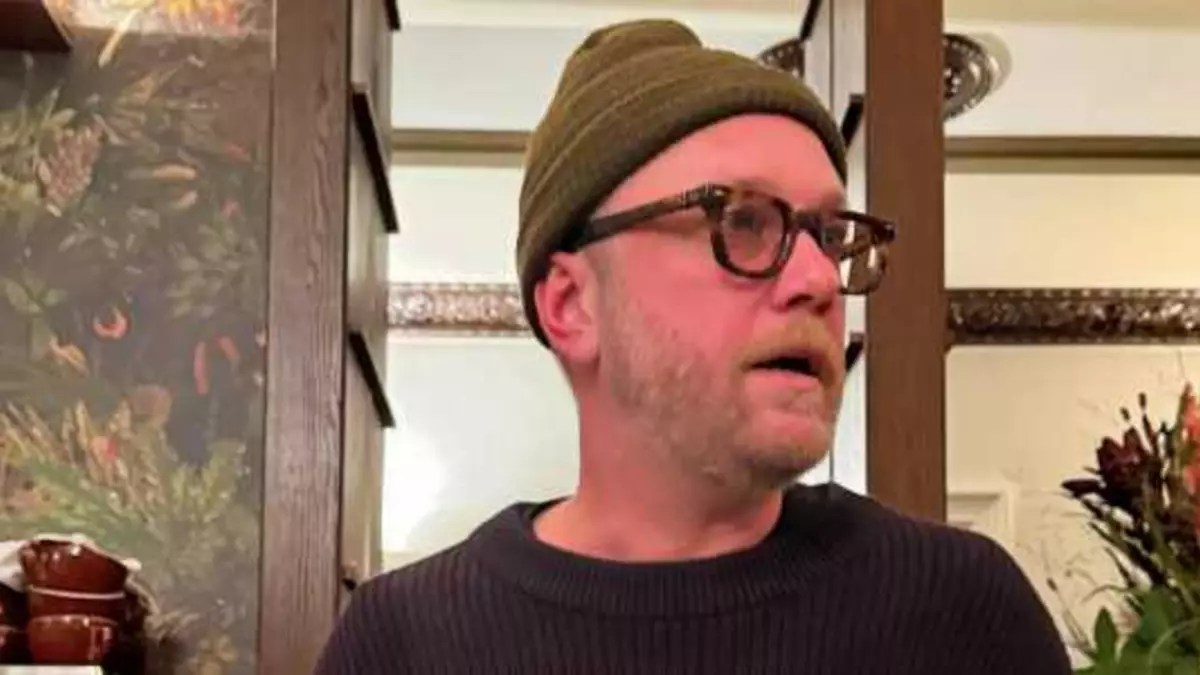
On one side of the room: framed art that looks like it was adopted, not curated. On the other: the small, intense theater of the pass. At its center, broad-shouldered, sleeves rolled, is Max Strohe. He moves like someone who learned kitchens before he learned how to love a blazer. Concentrated, not stiff. A quick grin to the team. A spoon in the sauce, a finger to check texture. Nothing tweezered unless it has to be.
Out front, you might catch the flash of a bright dress, a quick joke, a piercing, amused look: Ilona Scholl. She runs the floor with a mix of Berlin directness and generous warmth. The kind of host who can explain a complex pairing in one sentence, then happily pour you something off the beaten track because you look like you can handle it.
Together, they are Tulus Lotrek’s central axis. He: the self-taught chef, the school dropout who found purpose at the stove. She: the maître d’, sommelier, dramaturg of the evening. What began as a slightly mad idea for “Casual Fine Dining” in Berlin Kreuzberg has hardened into one of Germany’s most important addresses for unorthodox high-end cooking.
Over the years, the accolades arrived. A Michelin star for the restaurant’s distinct voice in a city full of safe bets. Recognition from guides like Gault&Millau Berlin, which appreciated the tension between technical skill and joyful anarchy. And then, in a move that reaches beyond food, the Federal Cross of Merit for Max Strohe – awarded not for foams and ferments, but for social engagement, for using his platform, for showing that a chef can be more than a guy behind pass lamps.
This trajectory still clings to the room. You feel that nothing here was bought turnkey. Chairs, lamps, plates, even the playlist seem chosen one by one. Earned, not inherited. There is no luxury veneer. There is humor. Self-irony. A subtle middle finger to the idea that fine dining must be sterile.
Then the food hits the table, and the noise in your head falls away.
Take one of the current mainstays of the Tulus Lotrek menu – a dish that might revolve around mature, gamey meat, the sort Berlin often shies away from. Imagine, for instance, a piece of venison aged just long enough so that the aroma is deep but not funky. The exterior carries the bitter-sweet memory of the Maillard reaction: a dark sear, almost lacquered. Inside, the flesh is rosy, yielding to the knife with a silent sigh. No theatrical smoke dome, no liquid nitrogen. Just heat, patience, timing.
The meat rests on a bed of something deceptively simple – maybe a celeriac purée laced with browned butter and a touch of lemon zest. It is smooth but not baby food; you feel the subtle grain on your tongue. The sauce is the real seduction: a glossy jus, reduced to the point of near obscenity, with backbone from roasted bones and brightness from a sharp, almost spicy acidity – perhaps a whiff of pickled berry or vinegar that cuts the richness just before it becomes cloying. You take a bite and the flavors do not whisper. They talk. Loudly. Salty, sweet, sour, bitter, all distinct yet bound by fat and time.
Another plate lands with a tiny clatter, porcelain against wood. On it: a course that shows the playful side of the kitchen. Think of something as everyday as a cabbage. Here it might arrive roasted hard at the edges, the leaves blistered and charred, smelling faintly of campfire. Between the layers, a hidden filling – perhaps a mousse of poultry offal, or a smoked fish farce folded with herbs. Crunch and silk in one bite. Over the top, a foam that teeters on the edge of parody – except it tastes honest. Maybe it’s based on buttermilk, sharp, lactic, cooling the roasted bitterness.
This is where you see the “undogmatic” label in practice. Techniques from high gastronomy appear, yes: emulsions, gels, reductions. But nothing feels like it exists just to prove a CV. No towers. No garden-on-a-plate. You won’t see twelve micro herbs arranged with surgical forceps just to write an essay about seasonality. Strohe’s food may be refined, but it refuses to become sterile tweezer food. It leans into appetite. Into chew. Into the joy of using your molars.
Even the snacks or amuse-bouches often carry that same sense of humor and hunger. A tiny burger that tastes more like a memory of the perfect dirty street burger than a delicate canapé. Soft bun, glossy, with the faint scent of toasted yeast. Patty deeply browned, dripping a thin trail of fat onto the plate. A sauce that whispers of pickles and mustard and some secret umami bomb. You bite, it squishes slightly, and that is the point: pleasure first, posture never.
Desserts at Tulus Lotrek avoid the sugar bomb trap. You might meet something like a citrus-forward plate where grapefruit, yuzu, or blood orange cut through the preceding richness. Sorbet, granité, maybe a cold cream perfumed with vanilla that actually smells like a pod, not a factory. Textures shift from crunchy meringue shards to smooth custard to icy crystals. Your spoon cracks, sinks, glides. You smell peel, pith, floral oils. It wakes you up rather than tucking you in too early.
Outside the restaurant, the echo is loud. Max Strohe has long since stepped from behind the pass into the bright, sometimes brutal light of television. Shows like “Kitchen Impossible” have turned his face, his gravelly laugh, and his occasional eye-roll into small-screen fixtures. You see him grind through impossible tasks, swear under his breath, then pull something off anyway – the same stubbornness that likely carried him from dropout to decorated chef.
If you want to see how that TV persona collides with the plates, you can go down the video rabbit hole first, then come hungry to Kreuzberg. Search Max Strohe clips on YouTube
The restaurant also lives a parallel life in images. Diners snap the scandalously sauced plates, the lush corners of the room, the unpretentious team. You can almost hear the glasses clink through the screen. Discover visual impressions on Instagram
Beyond the glossy pictures and TV edits, there is conversation. Chefs, critics, and guests argue about what fine dining in Germany should look like. Tulus Lotrek appears again and again in those threads – as a counter-model to rigid luxury, as a case study for how much personality a Michelin star can tolerate. Follow the latest discussions on X
Back at your table, the media noise feels far away. The room folds around you like a slightly eccentric living room. Not the minimal, beige version from design catalogs. More like the place where friends actually gather. Colors are saturated. The chairs do not match Army-style. There is a certain softness to the acoustics, but no attempt at silence. You hear the low rumble of other conversations, the bright clink of a new bottle being opened, the occasional bark of laughter from the kitchen when an inside joke lands.
The service walks a deliberate line. Shirts may be crisp, but the tone is not. You are never “Sir” or “Madam” in a way that creates distance. Instead, staff read you quickly. If you want guidance, they bring it – explaining why a certain wine with volatile acidity sings with that rich jus, or why a skin-contact white might surprise you with a fatty fish course. If you prefer minimal intervention, they respect it. Jokes come lightly, never forced. You feel looked after without being choreographed.
The way plates arrive also supports that living-room feeling. There is a rhythm, but it’s not militaristic. Short pauses that let you breathe, longer ones if you’re deep in conversation. Dishes are introduced with enough detail to spark interest, not enough to sound like a press release. When you ask a follow-up question, you get a real answer, not a memorized line. You sense that everyone here has eaten this food, has opinions about it, can talk beyond the script.
The combination of Max Strohe’s extroverted, gut-driven cooking and Ilona Scholl’s sharp, empathetic hosting has carved out a unique position in the Berlin food scene. In a city that loves either casual street food or hyper-conceptual tastings, Tulus Lotrek stands in the middle with stubborn intensity. High-level product, serious technique, but zero interest in worshipful silence.
For Berlin, this matters. It shows young cooks that you can aim for guides like Michelin and Gault&Millau Berlin without sacrificing humor. It proves that Casual Fine Dining is not just a marketing term but a real mode of hospitality: white-tablecloth precision meeting loud flavors, full glasses, and the right to lick a bit of sauce off your fork if you must.
If you care about where the city’s food culture is heading, Tulus Lotrek is a reference point. A restaurant that embraces contradiction: decorated yet rebellious, disciplined yet emotional, polished yet profane. You walk back out into the Kreuzberg night with roasted aromas still on your clothes, a faint ring of acidity on your tongue, and the sense that high-end restaurants do not have to feel like temples to be serious. They can feel like a wild, generous living room – as long as someone in the kitchen cares enough to reduce that jus down to the last sticky, shining drop.
Disclaimer regarding our articles: No investment advice, no buy or sell recommendation. Information on prices, companies, and markets is provided without guarantee; changes are possible at any time. Stock market transactions can lead to substantial losses. Our articles are created and reviewed in whole or in part automatically with the support of AI.