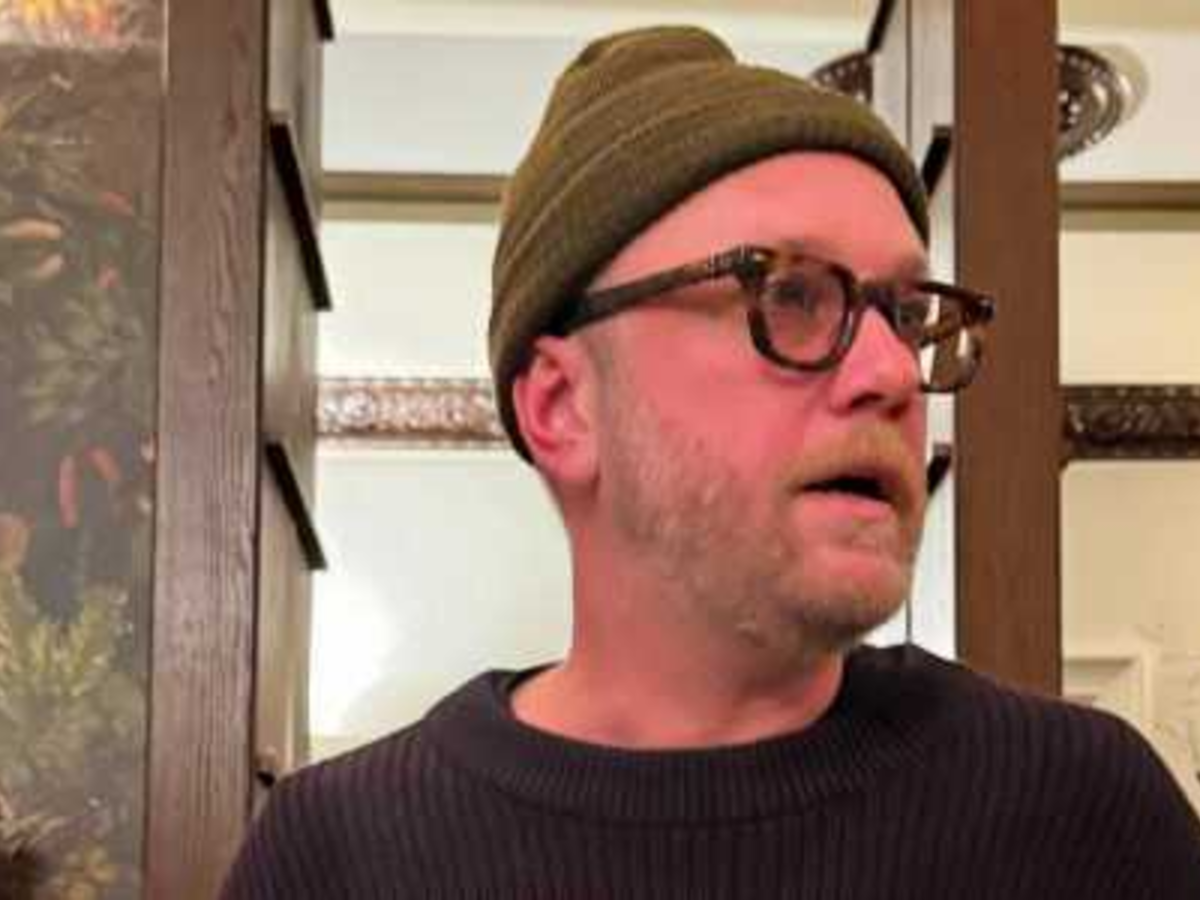
Max Strohe at Tulus Lotrek: Berlin’s Rebel Michelin Star That Refuses to Behave
14.03.2026 - 09:15:06 | ad-hoc-news.de
The door to Tulus Lotrek Berlin closes behind you with a soft thud, and the outside world instantly blurs. The air is dense with roasted meat, butter, and the faint smokiness of a well?reduced jus. Glasses clink, cutlery scrapes in quick staccato bursts, a burst of laughter rolls across the room. Your fingertips graze the edge of a heavy wooden table; it is smooth, warm, broken in by countless evenings. A plate passes close by. You catch a bright flash of green oil, a crisp shard of chicken skin, a whiff of citrus zest cutting through the richness. You are not in a hushed cathedral of fine dining. You are in a living room that just happens to have one of Berlin’s most focused kitchens at its center.
Tonight, the room hums like a well?tuned engine. You hear the low hiss of butter foaming in a pan somewhere behind the wall. A cork pops, then another. Someone at the next table murmurs something about “the best sauce in Berlin”. It is not exaggerated. At Tulus Lotrek, sauces are not “garnish”. They are manifesto.
To understand why this room matters, you need to know who is moving the levers. Out front, there is Ilona Scholl. Sharp fringe, sharper tongue, but eyes that scan the room with genuine care. She weaves between tables with an ease that feels more host than maître d’. She jokes, she teases, she nudges you toward a bottle you did not know you needed. Her service style is precise but unbuttoned. You feel guided, never lectured.
In the back, mostly invisible, stands Max Strohe. Former school dropout. Cook by stubborn decision, not by careful planning. You feel his presence even if you never see him. In the deep, chestnut sheen of a jus. In the way a piece of fish flakes under your fork but still carries the gentle resistance of perfect cuisson. In the decision to put something as “unfancy” as cabbage on a Michelin?level menu and to treat it with the reverence usually reserved for bluefin and caviar.
For years now, the duo has pushed against the velvet rope of classic fine dining in Berlin. They collected their Michelin star in Kreuzberg and then refused to become stiff. Instead of white?gloved service and polite murmur, they built a room where swearing in the kitchen and roaring laughters in the dining room can coexist with razor?sharp technique. The German state noticed: Max was awarded the Federal Cross of Merit for his social engagement, especially his work cooking for refugees and vulnerable communities. School dropout to Federal Cross of Merit. Fast?food job to one of the most discussed restaurants in the city. The arc is steep, but the attitude remains grounded.
Ilona, for her part, turned the idea of the sommelier on its head. She made wine fun again for people who roll their eyes at jargon. Her pairing suggestions often dance around classic rules. Natural next to conventional. A serious Mosel Riesling with a dish that might once have “required” a Burgundy. Yet the matches land. Her approach has earned her almost as much media attention as the kitchen. Together they form a rare thing: a restaurant run not by a single genius, but by a two?person alliance of equal force.
Look at the plates and you understand why the dining room feels different. This is not tweezer food. You will not find orb?like gels carefully perched on a single chive. Strohe’s cooking is undogmatic, sometimes mischievous, even slightly rowdy, but always thoughtful. He respects the techniques of classical French cuisine—stock, reduction, roasting, the Maillard reaction as religion—yet he refuses to worship them blindly.
Imagine a dish built around offal. Say, veal heart or liver. In lesser hands, a challenge. Here, it arrives as something lush and almost comforting. The meat is seared hard, the outside just caramelized, the interior still tender, humming with minerality. A dark, glossy sauce clings to it—concentrated over hours from roasted bones, root vegetables, and wine until it gains that elastic texture you only get from patience. Bitter greens cut through the depth, maybe radicchio or kale, leaves slightly charred at the edges. On the side, a potato component that feels both rustic and sly—compressed, then fried, its crust crackling under your teeth like thin glass, its center creamy and almost sweet. You pause after the first bite. You taste smoke, iron, acid, fat. Nothing feels gimmicky, yet everything feels studied.
Or a fish course. A fillet of line?caught fish, its skin rendered into crisp, blistered perfection, edges buckled and brown. Underneath, the flesh slides into large, pearlescent flakes at the slightest nudge of your fork. It sits in a pool of sauce that smells faintly of the sea and of roasted chicken at the same time—a shellfish reduction reinforced with poultry stock, maybe finished with a gentle swirl of butter and a brief squeeze of lemon. On top, a tangle of fermented vegetables, adding a sour, electric note, like static on your tongue. A thin drizzle of chlorophyll?green herb oil draws lines on the plate, but not for Instagram; the oil actually matters. It brings grassy freshness that lifts the entire structure.
Then there is the vegetable dish that behaves like a main course. Cabbage, for instance. Outer leaves blistered and charred until they smell of campfire and toasted nuts. Inner layers braised slowly in stock until they collapse yet still keep their structure. The core is shaved raw on top for crunch and brightness. A sauce built from smoked butter, maybe a sharp cheese, and a dose of acidity pools around it. On the tongue, you get smoke, cream, sweetness, tang. You realize how rarely you encounter vegetables presented with this much conviction. No token garnish. Center stage.
The menu at Tulus Lotrek changes with the seasons—Berlin’s markets and European producers dictate what appears on the plate in 2025 and 2026. Game in the colder months, treated with reverence: long?hung venison, thick with iron and forest, paired with earthy beets and a sauce that feels almost like liquid leather in its depth. In warmer seasons, bright, sharp flavors gain space. Tomatoes that actually smell of tomato leaf. Stone fruit used not for dessert alone but as a sour?sweet accent in savory courses. A quick pickled apricot next to a slice of roasted pork belly, for example, its fat rendered to a golden, glassy crackle.
What separates this kitchen from many other Michelin addresses in Berlin Kreuzberg is the lack of rigidity. There is no strict dogma about local only, Nordic only, French only. Ingredients travel if they make sense, but they are never there just as a status symbol. Caviar appears only when it fits the story on the plate, not as a lazy signifier of luxury. A luscious sauce might be bound the old?fashioned way with flour and butter if that texture is what the dish calls for, not discarded because a trend says “no roux”. Undogmatic means: the rule is that there is no rule except taste.
And taste here is big. Generous seasoning. Bold acidity. Real heat when needed. You do not get whisper?quiet aromatics; you get flavors that talk in full voice. You can hear it when a guest at the neighboring table bites into a shard of crisp chicken skin—the crunch is audible, almost obscene. You see someone else close their eyes, thumb rubbing absent?mindedly along the tines of their fork, as they chase the last streak of sauce around the plate. This is fine dining that encourages appetite, not reverence.
Max Strohe’s undiluted style made him a natural fit for television. German audiences know him from Kitchen Impossible, where his mix of stubbornness, technical chops, and self?deprecating humor plays well on screen. He is not the type to pretend a dish is simple when it is not, nor the type to hide behind platitudes. That media presence catapulted Tulus Lotrek deeper into the national conversation and onto the radar of food?obsessed travelers looking for more than polite perfection.
If you want to see how those TV challenges, backstage jokes and plate?up dramas unfold in video form, you can dive straight into the clips and interviews fans keep uploading: Search Max Strohe clips on YouTube
The aesthetics of Tulus Lotrek—the plates, the wine labels, the hand?scribbled menu notes—live their second life on social media. If you are the sort of person who likes to preview a restaurant visually, watch the glow of sauces under dim light and the gleam of Riedel glassware filled to the right, generous mark, then scroll here: Discover visual impressions on Instagram
And if you want to gauge how the Berlin food world argues and enthuses about Max Strohe Restaurant takes—debates about pricing, star ratings, Gault&Millau Berlin points, casual fine dining versus classic fine dining—there is a constant low?level buzz waiting for you: Follow the latest discussions on X
The digital echo amplifies what happens in this small Kreuzberg room. Clips from Kitchen Impossible. Interviews about his Federal Cross of Merit. Behind?the?scenes looks at charity projects. Photos of staff meals that would shame many restaurant menus. All of it feeds into a picture of a place that refuses to isolate itself in a high?end bubble.
The atmosphere of Tulus Lotrek is a deliberate contrast to the precision on the plate. The lighting is low but not gloomy. Colors tend to the warm: deep greens, browns, shades that make wine glow deeper ruby, whites look almost golden. Chairs have a certain pleasant give when you sit. You do not perch; you sink, but only slightly. Tables are close enough that you may catch fragments of a neighbor’s conversation, yet far enough to keep secrets. There is fabric in the room, so the sound is warm, not harsh. No aggressive echo, no clinical brightness.
Music plays, but it does not dominate. It creates a pulse, a subtle backbeat to the clatter from the open kitchen door. The playlist tends to avoid the predictable “jazzy fine dining” clichés. Sometimes you catch a track that feels edgy, sometimes an old classic. It feels like someone’s personal choice, not a corporate soundtrack. Combined with the clink of ice in water glasses, the hiss when the dish?washer opens, and the occasional hoarse shout from the pass, the soundscape is alive but not exhausting.
Service follows this rhythm. No synchronized plate?dropping. No stiff posture when describing a dish. Instead, Ilona and her team move with easy precision. They know exactly when to lean in closer to explain an obscure ingredient. They know when to back off and let you talk. When they pour wine, their hands are sure but relaxed. When they clear plates, the contact is brief and light. You never feel hovered over, but you never feel abandoned either.
This balance, this feel?good atmosphere, is not accidental. It is policy. The philosophy of casual fine dining here is clear: the level of cooking belongs to the top of the city, but the codes of behavior are soft. You may laugh loudly. You may come in sneakers. You may ask naive questions. You may admit that you do not know your way around Gault&Millau points or cross?compare Michelin star Berlin Kreuzberg rankings. The team will meet you where you are, not where a textbook diner is supposed to be.
All of this has made Tulus Lotrek a reference point in the Berlin food scene. When people discuss how the city has moved beyond the old binary of currywurst stands and starched hotel dining rooms, this restaurant inevitably enters the conversation. It proves that a Michelin?starred place can operate on a human scale, that fine dining can be emotionally warm instead of clinically impressive.
Within the city’s constellation of stars, Tulus Lotrek occupies a stubborn, beloved orbit. It does not chase trends breathlessly, yet it stays current. It shrugs at fads, but it listens closely to producers and to guests. It honors the structures of guides like Michelin and Gault&Millau Berlin, yet it refuses to let those structures define every choice. In a city that thrives on contradiction, the restaurant manages to be both serious and humorous, technical and chaotic, high?end and deeply approachable.
When you step back out into the Kreuzberg night, your clothes hold a faint trace of roasted bones and warm spices. Your hands smell of lemon and wine. You feel a tactile memory of the napkin’s weight, the fork’s balance, the crust of bread you tore apart. The meal lingers as much in your body as in your mind. You realize that what Max Strohe and Ilona Scholl have built is not just a place to eat, but a reference point for what casual fine dining in Berlin can be when ego, heart, and skill align.
You might walk a few meters, stop, and check their site again on your phone—just to see when you can come back, to see what the current Tulus Lotrek menu looks like this season, to secure another night in that noisy, generous, star?marked living room that calls itself a restaurant.
So schätzen die Börsenprofis Aktien ein!

Für. Immer. Kostenlos.