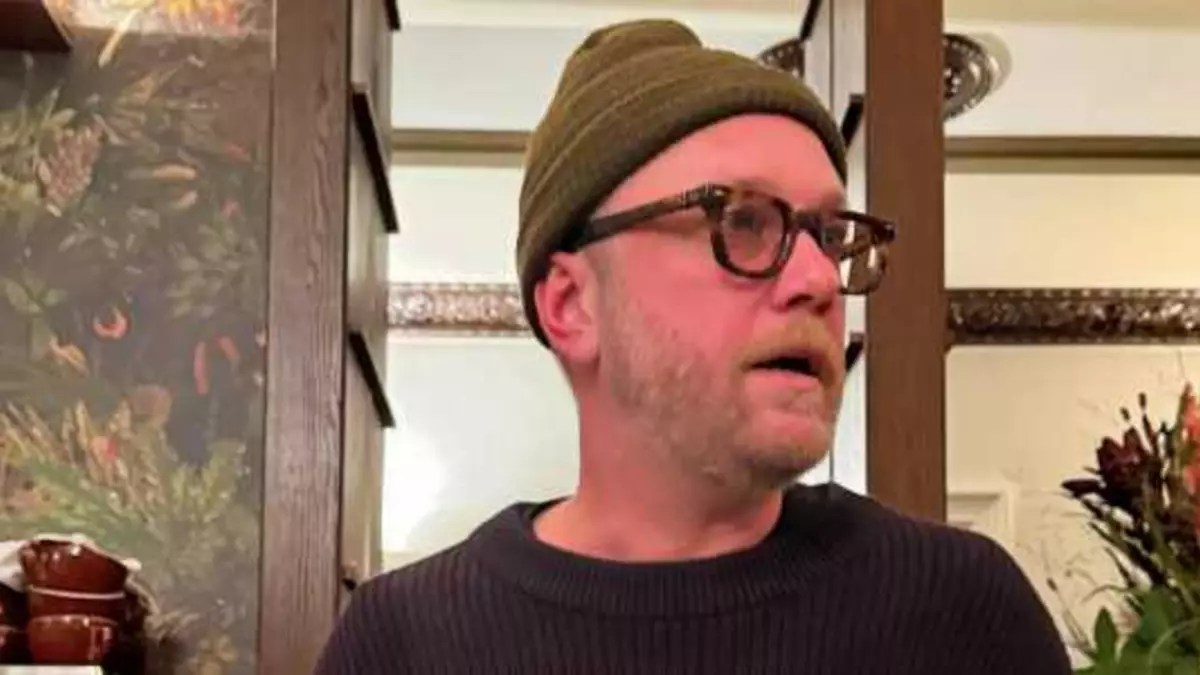
Max Strohe at Tulus Lotrek: Berlin’s Most Relaxed Michelin Star Rewritten
Published on 04/01/2026 at 09:15 | Editorial responsibility: Rafael Müller, Editor-in-Chief AD HOC NEWS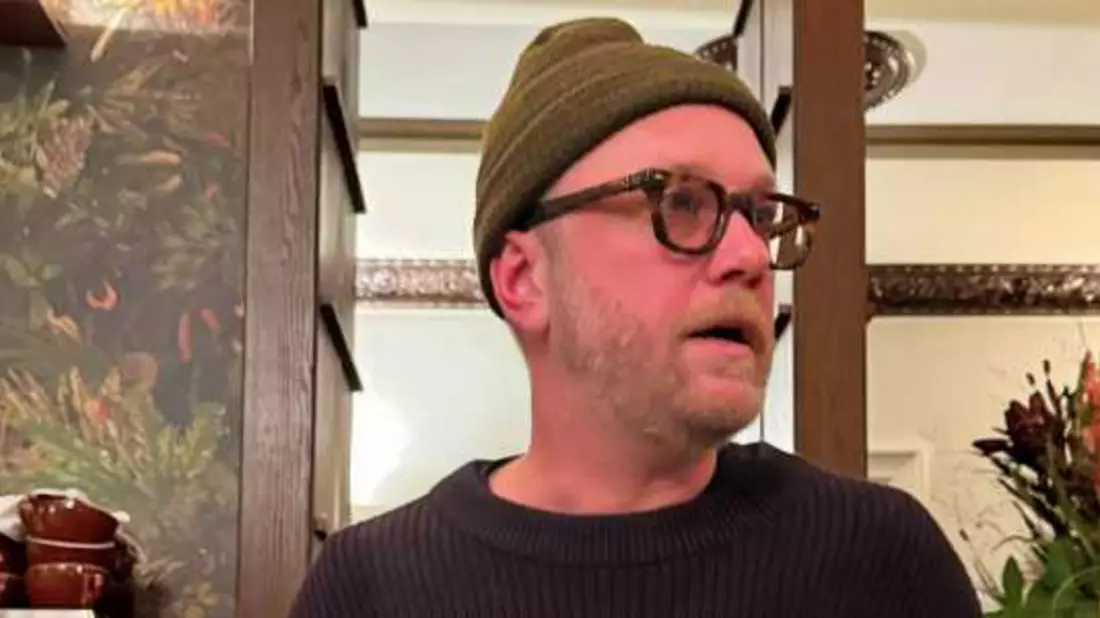
The first thing you notice at Tulus Lotrek Berlin is the noise. Not clattering chaos, but low laughter, glasses chiming, a bass line slipping between tables. The room glows in deep, saturated colors. Velvet, wood, soft light. You sink into your chair and feel it: this is not a temple of whispering reverence. This is a room that wants you to eat, drink, and forget the clock.
A server drops a slice of bread in front of you. The crust crackles under your fingers. Warm, slightly smoky fragrance drifts up, mingling with roasted meat aromas from the pass. You hear the soft hiss of butter melting on something hot in the kitchen, the quick bark of "Service!" from the back. You are in Max Strohe’s world now, even before you see a plate.
To understand why this place matters, you have to understand the people behind it. On the pass: Max Strohe, school dropout, dishwasher, self-taught cook, now one of the sharpest palates in Berlin. In the dining room: Ilona Scholl, host, curator of mood, the person who turns four walls into something like a living room for serious eaters.
They built Tulus Lotrek almost against the rules. No polished hotel background. No three-star mentor in France. No silver-spoon biography. Strohe worked his way up through kitchens that smelled more of sweat and fryer oil than truffle. Scholl learned early that hospitality is not about posture but about reading people in seconds: who needs another glass of wine, who needs a joke, who needs a quiet corner.
Over the years, their approach drew attention. First from Berlin locals, then from the guides. The Michelin star arrived and stayed. Gault&Millau wrote them into the Berlin canon. Then the state itself weighed in: Max Strohe received the Federal Cross of Merit, a medal usually associated with diplomats and scientists, not with cooks who swear on TV and send out plates full of offal and pleasure. The message was clear: this form of cooking, this kind of restaurant culture, is now considered part of Germany’s cultural capital.
You feel that contradiction at the table. Decor that laughs at stiff luxury, yet a wine card that could make a sommelier blush. Plates that look spontaneous, nearly wild, but hit your palate with the precision of a scalpel. This is the tension that defines Tulus Lotrek. High skill, low snobbery.
The menu changes constantly, responding to Berlin’s seasons, farmers, moods. But the style remains: undogmatic, indulgent, technically sharp. Strohe is not interested in tweezer food. You hardly ever see fragile towers or droplets placed with surgical tweezers. Instead you meet sauces finished with a slow, glossy swirl. Meat with visible Maillard crust. Vegetables that look like vegetables, not origami.
Imagine a plate that could easily exist in the 2025/2026 season: aged pork neck, grilled until the fat hums. The crust is dark, almost mahogany, a map of the grill bars. You cut in and the knife glides with quiet resistance, like slicing through firm butter. The aroma is deep and primal: smoke, roasted onion, a hint of sweet fat. Underneath sits a jus reduced almost to lacquer, sticky and bright on the tongue, made from bones roasted until their edges almost blacken. A swipe of fermented mustard lifts the richness, cutting through with acidity that tickles the back of your nose.
Next to it, maybe, a cabbage. But not a polite wedge. A charred, outer-leaf-on, aggressively roasted thing, its leaves blistered, edges blackened, core silky. You pull a leaf away and feel the softness against the fork. A drizzle of browned butter pools inside the folds. Hazelnut crumbs give a quiet crackle. Somewhere, a lemon zest note flickers through, a high note in a dark chord. You taste fire and sweetness and milk fat. Nothing fancy on the surface, but every detail is calibrated.
Another dish could start sweeter and stranger. Picture a plate focused on beetroot and offal. A smooth beetroot cream gleams like lacquered velvet, almost black-red. You drag your spoon through it and watch it cling to the metal. Next to it, slices of veal heart, seared fast, edges caramelized, center still tender, almost bouncy. The first bite resists, then gives way with a clean snap. The taste is iron, smoke, slight bitterness, quickly softened by the earthy sweetness of the beet. A sharp herb salad on top, maybe with tarragon and chervil, adds green anise notes and crunch. On the side, a spoonful of crème fraîche that cools everything down, coating your tongue, resetting it for the next bite.
With fish, Strohe often goes for contrast. Think of a piece of Arctic char with glassy, translucent flesh and a thin crackling skin. The kitchen renders that skin patiently, letting the fat hiss out until you hear the faint, crisping sound from the open pass. It arrives with a sauce that might be built on roasted fish bones, white wine, and a small avalanche of butter. Around it, pickled fennel slices that snap under your teeth and release licorice notes, bright and cold. A tiny spoonful of trout roe pops with salinity, like the echo of a wave.
There is always a sense of humor somewhere on the plate or in the pairing. A dish might reference a Döner, a Currywurst, or a cheap holiday memory. The plating, though, refuses gimmickry. Wide-rimmed plates, strong colors, some splashes, some pools of sauce, but no choreographed chaos. You never feel the anxiety of eating something too pretty to touch. This is the opposite of stiff tweezer food that dies under the weight of its own Instagram potential.
And then there is dessert. Something like a toasted brioche pudding soaked in vanilla-laced custard until it trembles. The top is sugared and torched, a crackable lid with caramel bitterness. Underneath, the inside smells like warm bakery air. A bright, sour note comes from a scoop of sorbet – maybe sea buckthorn or gooseberry – whose sharpness tightens your cheeks. A crumble of salted nuts reminds you that sugar without salt is boring. You scrape the plate clean because resistance would be pointless.
Strohe’s undogmatic style jumps easily from plate to screen. His appearances on "Kitchen Impossible" put him in front of a wide TV audience. You see him there the way he feels in the restaurant: big laugh, quick swear, but absolute focus at the stove when it counts. The show underlines his reputation as a cook who doesn’t hide behind gadgets, who respects tradition without being trapped by it.
If you want to get a feeling for his on-screen energy and how it mirrors the food at Tulus Lotrek, you can go down the video rabbit hole yourself. Search Max Strohe clips on YouTube
Of course, not everything fits into TV formats. The day-to-day life of the restaurant, the slow choreography of service and prep, breathes more quietly through images and short clips.
To see how the plates look when they land under the pass lights, how sauces shine and crumbs scatter, let your thumb scroll instead of your fork: Discover visual impressions on Instagram
And if you want to feel how the Berlin food world talks about Max Strohe – the jokes, the debates about "casual fine dining," the arguments about prices and awards – then the conversation on social platforms becomes its own arena.
Follow the arguments, the praise, the occasional rant, and the running jokes around Tulus Lotrek here: Follow the latest discussions on X
Back in the room, you understand why people call it a living room. The chairs don’t feel like design objects. They feel like seating you could fall asleep in after service, shoes off, glass in hand. The light is warm and kind to skin. No interrogation-bright spotlight on your plate. The music is present but never lecture-loud. It’s the kind of soundtrack that makes wine disappear faster without you noticing.
Ilona Scholl’s style defines the service. Precise, but relaxed. She and her team glide rather than march. They explain dishes with real sentences instead of memorized scripts. If you are into Gault&Millau Berlin ratings, they can talk at that level, drop vintages and soil types. If you just want "something red that goes with meat and doesn’t kill my budget," they pivot effortlessly. No raised eyebrows. No performance humiliation.
You notice the haptics of the room as much as the visuals. The table surface, often wood, feels warm under your forearms. The cutlery has weight; the knife rests in your hand with reassuring heft, not like a fragile ornament. Glassware is thin but not so delicate that you fear breaking it with every toast. When plates land, they do so with a soft, cushioned thud, not the clang of a rushed brasserie. You exhale. Your shoulders release an inch.
The feel-good atmosphere isn’t accidental. It’s engineered. Scholl choreographs distance and closeness. One table gets banter and jokes, another gets quiet discretion. A solo diner receives a quick check-in and maybe an extra pour. A birthday table might get something with a candle and a line that makes the whole room laugh, not groan. You realize this is hospitality as fine-tuned as any sauce reduction.
For Berlin, a city now stuffed with natural-wine bars, minimalist chef’s counters, and concept-driven eateries, Tulus Lotrek fills a different role. It proves that Michelin-level cooking doesn’t have to feel like an exam. That a restaurant can be both serious and silly. That "casual fine dining" can be more than a buzzword tacked onto a website.
In Kreuzberg, where every second basement seems to house a pop-up, Strohe and Scholl offer something enduring. A place where regulars come to mark anniversaries, finish book projects, lick emotional wounds, or just eat something that reminds them why technique matters when it serves pleasure instead of ego. Guides like Michelin and Gault&Millau may frame the conversation in stars and points, but you feel the real verdict in the volume of the room, in the way tables linger long after dessert.
For you as a guest, Tulus Lotrek Berlin means one clear thing: you can have a plate worthy of any ranking, a wine glass worthy of any sommelier list, and still laugh with your mouth full. You can talk loudly without shame. You can ask naive questions about the menu and get real answers. You can taste the Maillard reaction on your tongue and the relaxed chaos of Kreuzberg in the air.
If you care about the Berlin food scene, this restaurant is not a footnote. It is a reference point. Other chefs watch what happens here. Young cooks see a path that does not begin with a perfect CV. Guests understand that a Michelin star in Berlin Kreuzberg can come with loud music, curses in the kitchen, and a host in sneakers rather than heels. The Federal Cross of Merit on Strohe’s chest formalized something that regulars already knew: what happens between these walls is cultural work as much as gastronomy.
You leave the restaurant late, appetite satisfied, head a little cloudy from wine. The street is quieter than the room you just left. The smell of grilled meat and reduced jus still clings to your clothes. On your tongue, there is a ghost of acidity from the last sip, a memory of char, of butter, of something pickled. You walk through Kreuzberg and feel slightly spoiled, slightly altered. Not because you have ticked off another guide-listed address. But because, for a few hours, you were allowed to eat seriously without taking yourself too seriously.
For a city that thrives on contradiction, Tulus Lotrek, Max Strohe, and Ilona Scholl offer the most Berlin thing of all: a Michelin Star Berlin Kreuzberg restaurant that would rather feel like your most indulgent friend’s apartment. Only with better jus.
Disclaimer regarding our articles: No investment advice, no buy or sell recommendation. Information on prices, companies, and markets is provided without guarantee; changes are possible at any time. Stock market transactions can lead to substantial losses. Our articles are created and reviewed in whole or in part automatically with the support of AI.