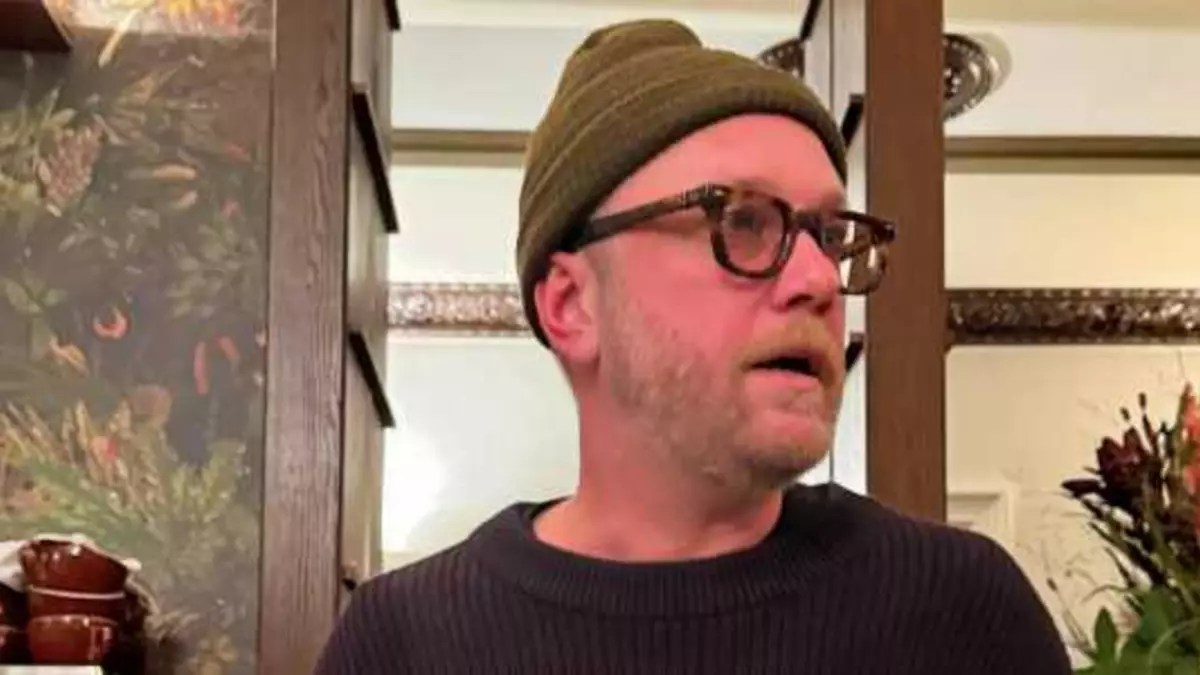
Max Strohe at Tulus Lotrek: Berlin’s Most Relaxed Michelin Star Revolution
Published on 03/22/2026 at 09:15 | Editorial responsibility: Rafael Müller, Editor-in-Chief AD HOC NEWS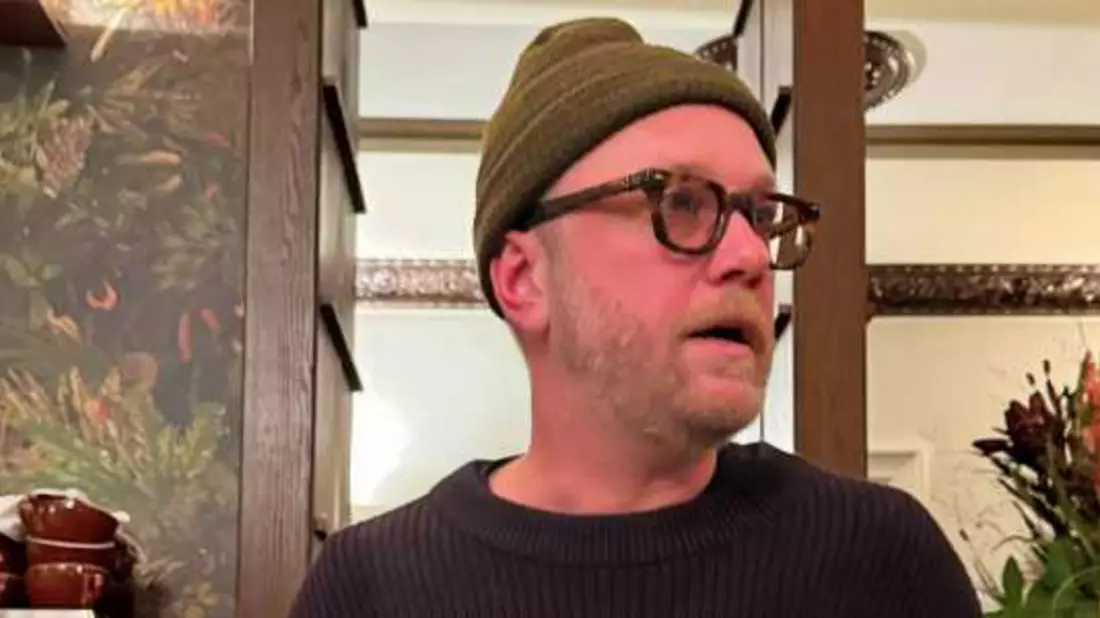
You push open the dark door to Tulus Lotrek Berlin and the first thing that hits you is not a white tablecloth chill, but warmth. Actual heat from the pass, a low murmur of voices, the clink of Burgundy glasses. The air smells faintly of roasted bones and beurre noisette, with a whisper of smoke and citrus zest riding on top. Candles flicker against green walls. A spoon hits a pot in the open kitchen; you hear the hiss of butter meeting hot steel, that sharp Maillard sizzle that always announces something good. Someone laughs too loud at the next table and nobody shushes them. You realise, within thirty seconds, that this is not a stage for stiff Michelin theatre. This is a room that expects you to eat. Properly.
You sit, and the chair has that small give that signals real wood and real use. The napkin is weighty in your lap, cotton with a bit of grip. The first pour—maybe a Riesling with quiet petrol and wild herbs—slides over the tongue. Fresh acid, a little salty edge. You glance toward the kitchen: Max Strohe, broad-shouldered, tattoos, not hiding, moving in short, efficient bursts. No tweezers in sight at this moment. Just ladles, spoons, pans. Next to you, a server jokes about the menu, quotes its own irreverent descriptions, and you feel your shoulders drop. Casual fine dining, in the most literal sense.
The Protagonists: Max Strohe and Ilona Scholl
To understand why this room in Kreuzberg feels the way it does, you have to know its two main characters. Tulus Lotrek is not just a restaurant; it is the joint project of a school dropout and a former theatre kid who decided that gastronomy could be both serious and unserious at the same time.
Max Strohe, largely self-taught, walked through kitchens the way many cooks do: long hours, low pay, endless prep, learning with his hands. That non-linear path matters. It explains the food here. There is deep technique, of course—proper jus, emulsions that do not split, sauces with the right collagen sheen—but there is no academic stiffness. A dish can be inspired by a TV challenge, a childhood memory, or a random Berlin Späti snack. The through-line is flavour, not dogma.
Ilona Scholl is the other half of the equation and the reason the dining room hums the way it does. She writes the menu texts with sharp wit, runs the floor with the assurance of a director and the warmth of a favourite bartender. Her service style rejects the lecture. She tells stories instead. She will absolutely explain the difference between two natural wines, but she might also tell you which bottle she would drink after a bad day and why.
When Max received the Federal Cross of Merit for his social engagement—especially with initiatives supporting refugees and people in need—it felt perfectly aligned with the restaurant’s ethos. Tulus Lotrek does not float above Berlin. It swims in it. The award acknowledges a cook who sees his platform not only as a place for ego, but as a tool. You taste that attitude: generosity of portion, generosity of fat, generosity of humour.
And yet, awards line up. A Michelin star for this Kreuzberg address. Gault&Millau Berlin praising the cuisine with serious points and even more serious wording. Critics rank Tulus Lotrek among the city’s best restaurants, sometimes the best, and still the room refuses to behave like a temple. That tension is the crucial spice.
Culinary Analysis: Plates with Personality, Not Tweezers
The menu at Tulus Lotrek changes with the seasons—game and roots in the cold months, lighter fish and sharp herbs when Berlin finally thaws—but certain ideas repeat. You notice an affection for contrast: fat against acid, crisp against soft, high-toned aromatics cutting through deep, slow-cooked bases.
Imagine a plate built around noble offal, for instance. A veal sweetbread, bronzed in foaming butter until the outside crackles slightly, the inside custard-soft. You cut through, and the knife slides like through a ripe peach. Next to it: a sauce pulled from roasted veal bones; long-reduced, shimmering, with that sticky mouthfeel you only get from patient extraction. The surface shows tiny lucid fat droplets, not an oil slick but a shine, the culinary equivalent of velvet. Then something bright: maybe pickled celery or fermented kohlrabi, thin as tracing paper, slapped with acidity. On top, fried capers pop like salty little grenades when you bite them. You taste roast, earth, cream, then a spark of sour that resets your palate. This is not tweezer food lined up in geometric tragedy. It is structured chaos that still lands precisely where it should.
Another signature thread: the playful treatment of comfort food. Take the idea of a burger, which Max has discussed publicly as a personal obsession. You might find an haute-burger echo on the menu. Not as a joke, but as homage. A dry-aged patty, maybe from a small German producer, ground coarse so you can feel the grain of the meat between your teeth. The sear marks bring the unmistakable roasted smell that makes you think of street stalls and backyard grills. The bun could be a brioche variation, butter-rich yet robust enough to soak juices without collapsing. Instead of anonymous orange cheese, there is a raw-milk variety, melting at the edges, bringing a nutty aroma. The toppings? Perhaps a pickle cream with sudden acidity, a smoked mayo, some crisp salad element for crunch. Each bite drips. You need the napkin. You feel slightly messy in a Michelin-starred room, and that is exactly the point.
Fish dishes here often show a different, quieter side. Think of a perfectly translucent fillet—char, cod, or zander—cooked gently, the flakes barely holding together. The skin is rendered until it crackles like fine paper, seasoning the air with marine fat when your fork breaks it. It might rest on a beurre blanc infused with something unexpected: yuzu, perhaps, or preserved lemon, offering perfume rather than brute force. Around it, small vegetal elements: young leeks, lightly charred; peas popped from the pod at season’s peak; or bitter salad leaves that cut through the richness. You hear the faint crunch when you bite into one crisp leaf, feel the sauce coat your tongue in a warm, silky layer, then the citrus lifts everything like a final chord held slightly off-key.
The undogmatic style means meat and fish coexist with vegetables that are not merely decoration. A beet can be roasted in a salt crust until its sugars caramelise, then sliced thick, served with a punchy vinaigrette and maybe a smoked cream. The colour stains your knife deep purple; your fingers pick up a faint earthy smell if you steady the plate. Luxurious, but not in the predictable places.
Media, TV and Digital Echo
By now you have probably seen Max Strohe somewhere even if you have never set foot in Kreuzberg. His appearances on “Kitchen Impossible” showed a cook who swears, sweats, fails sometimes, then pulls it together. You can taste that TV narrative when you eat his food: it is ambitious, but it does not pretend to be effortless. There is visible labour in the sauces, in the reductions, in the time-heavy preparations.
If you want to see how that kitchen energy translates to the screen before you book, watch him wrestle with foreign recipes and time pressure online: Search Max Strohe clips on YouTube
The more visual soul of Tulus Lotrek lives on phones every night. Guests photograph the emerald light of the room, the stew-like sauces, the stained-glass terrines, the wine labels scribbled with inside jokes. If you are the type who eats with your eyes first, it is worth scrolling your way through these impressions: Discover visual impressions on Instagram
And because Berlin loves to argue, the restaurant also lives on X. People debate the price point, the boldness of seasoning, the loudness of the room. Some celebrate the wine pairings as among the city’s smartest, others fixate on one risqué dish description on the menu. If you like to read unfiltered reactions before making up your own mind, the live commentary runs here: Follow the latest discussions on X
This media presence does not feel bolted on. It feeds back into the restaurant. A dish tested on TV might reappear in refined form on the Tulus Lotrek menu. A social-media meme might sneak into the menu wording. The border between screen and plate blurs, yet the core remains stubbornly analog: you, a table, a plate that smells like hard work.
Atmosphere and Service: Kreuzberg Living Room with a Michelin Star
The phrase “feel-good atmosphere” is usually a red flag. It often means nothing. At Tulus Lotrek Berlin, it means you can speak in your normal voice. It means you can laugh in the middle of a serious wine explanation and nobody will punish you with a raised eyebrow. It means the servers read your table quickly: do you want long stories, or do you just want to eat?
The room helps. Deep tones, green walls, dim light that flatters but does not hide the food. Tables are close enough that you pick up fragments of other conversations—someone dissecting a “Kitchen Impossible” episode, someone else whispering about a proposal—but not so close that you feel watched. The floorboards have a faint creak, a soft wooden protest you feel through your shoes as someone passes your table. It is a homey sound, not a flaw.
Service at many Michelin addresses still follows a rigid script. Here, the script has been annotated with jokes. You might hear a server describe a dish with brutal honesty: “This is rich. Really rich. You will need the acid in the pairing.” You might get a half-confession about a favourite staff snack. There is no pretending that hospitality is invisible. It is visibly human.
Yet behind the relaxed chatter, the choreography is tight. Plates land on the table at the same time. Allergies are remembered, not re-asked. Wine refills happen in the gaps of conversation, not on top of your punchline. The casual fine dining idea succeeds because the foundations are strict. Like a jazz band that can improvise only because everyone knows the standards.
This duality—Michelin star Berlin Kreuzberg precision with living-room energy—is what draws regulars. You can come in sneakers and be treated with the same care as the couple in their best shoes. You can ask beginner questions about wine and receive real answers, not condescension. You can admit that this is your first Michelin restaurant. The staff will guide you instead of testing you.
Conclusion and Verdict: Why It Matters for Berlin
Berlin has no shortage of serious restaurants. Some lean into Nordic minimalism, some into experimental ferment, some into art-gallery vibes where the plates are more colourful than the guests. Tulus Lotrek stakes out a different territory. Here, pleasure is not a guilty secret; it is the thesis. Butter is used with intent. Sauces are not whispers but statements. The Maillard reaction is celebrated, not hidden behind foams.
For the city, that stance is important. It proves that a Michelin-starred kitchen can be both technically sharp and emotionally loose. It proves that a Gault&Millau Berlin darling can speak in everyday language, can write menu lines that actually make you smile. It shows younger cooks that you do not have to choose between heart and head. You can have a Federal Cross of Merit on your record and still plate something that looks like it belongs in a bar after midnight.
For you as a guest, the relevance is simpler. If you are hunting for “Tulus Lotrek Menu” late at night, wondering whether to commit to an evening there, you should know this: you will not be fed a thesis. You will be fed food. You will smell stock that has been on the stove long enough to change character. You will hear pans scream as proteins hit them. You will feel the slight tack of reduced jus on your lips, the snap of properly seasoned vegetable garnish, the soft weight of a dessert spoon as it breaks a crust of burnt sugar or dives into a mousse.
You will also feel seen. The room is designed to keep you alert but comfortable, curious but never intimidated. Ilona Scholl’s team holds that balance. They move between tables like hosts at a very organised party. If you want to talk about “Kitchen Impossible”, they will. If you want to talk about nothing at all and just chew, they will let you.
Tulus Lotrek Berlin, in the end, stands as a counter-argument to sterile fine dining. It is proof that you can run one of the best restaurants in the city, featured in guides, talked about in TV formats and social feeds, and still cook like you are feeding friends. It proves that Michelin Star Berlin Kreuzberg does not have to mean hushed tones and tiny bites. It can mean lip-smacking sauces, slices you actually have to chew, and a room that sounds alive.
If you care about where the Berlin food scene is going, watch this place. More importantly, go. Sit under those green walls. Let Max Strohe’s undogmatic plates and Ilona Scholl’s sharp, kind service recalibrate what fine dining can feel like. When you walk back out into the Kreuzberg night, your clothes faintly scented with roast and wine, you will understand why so many people argue that this is Berlin’s best restaurant—and why, for once, the hype tastes justified.
Disclaimer regarding our articles: No investment advice, no buy or sell recommendation. Information on prices, companies, and markets is provided without guarantee; changes are possible at any time. Stock market transactions can lead to substantial losses. Our articles are created and reviewed in whole or in part automatically with the support of AI.