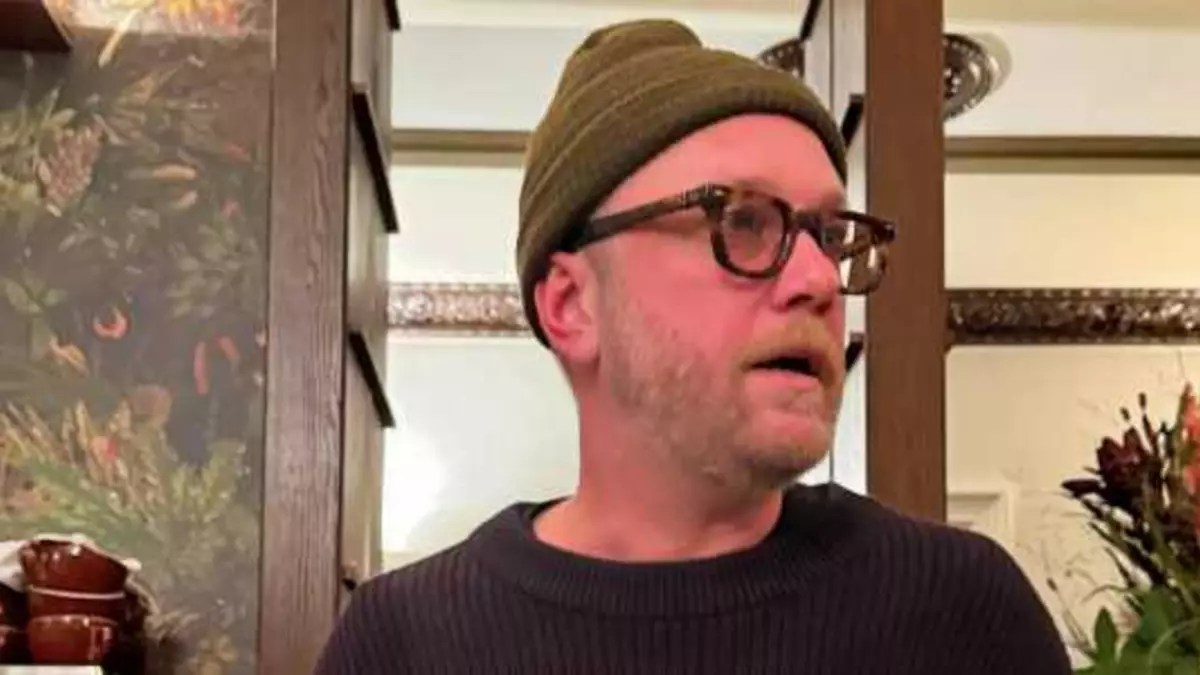
Max Strohe at Tulus Lotrek: Berlin’s most relaxed Michelin star and its loudest voice
20.02.2026 - 09:15:07 | ad-hoc-news.de
The first thing you notice at Tulus Lotrek Berlin is the sound. Cutlery clinks, someone at the bar laughs too loudly, a cork pops. From the open kitchen comes the hiss of butter hitting hot steel, the Maillard reaction in real time. Duck jus reduces in a small copper pot, dark and glossy, sending a deep, roasted scent into the dining room. You touch the heavy linen napkin; it feels like a reassurance. This does not feel like a lecture in fine dining. This feels like you are meant to stay.
You sit down, and the room wraps around you. Dark green walls. Slightly offbeat art. Light that flatters the food and your skin equally. The table is set precisely, but not fussily. There is a sense of permission here; you feel you are allowed to exhale, to swear, to laugh. You are in one of Berlin Kreuzberg’s most decorated dining rooms, yet nobody whispers.
At the center of this balancing act stand two people: Max StroheIlona Scholl. He comes from the line, from heat and pressure. A former school dropout who found structure in mise en place and the brutal honesty of service. She comes from the front-of-house side, the sly smile, the quick read of a guest’s mood, the art of pouring hospitality as if it were a second glass of wine.
Their story is now part of Berlin food folklore. Strohe left school early, drifted, ended up in kitchens where hierarchy was clear and respect had to be earned with each perfectly seasoned sauce. Over time, he moved through serious houses, picked up technique, discipline, and a healthy disrespect for culinary dogma. When he and Scholl opened Tulus Lotrek, they aimed for something that Berlin did not quite have: Casual Fine Dining that was truly casual, not just a buzzword slapped onto stiff service.
Scholl curates the room like a host at a very good house party. She watches the door, the shoulders, the eyebrows. She knows when you need another glass of wine, when you need a moment of silence, when you need a joke. Her wine list pulls in natural-leaning bottles, serious German Rieslings, and oddities that match Strohe’s undogmatic plates. This blend of guts and nuance, front and back, earned the pair not only accolades but also one of Germany’s most symbolic honors: the Federal Cross of Merit, for their social engagement and outspoken stance during the pandemic and beyond.
The awards keep tally: one Michelin star for years running, recognizing Tulus Lotrek as one of the essential addresses for Michelin Star Berlin Kreuzberg; strong ratings in Gault&Millau Berlin, praising both the ambition and the comfort of the cuisine. Yet the mood in the room stays disarmingly relaxed. No hush, no ballet of waiters tiptoeing around invisible rules. You feel that the star is in the kitchen, not on a pedestal.
The menu, constantly evolving with the 2025/2026 seasons, reads like a collection of in-jokes and obsessions. Take a current highlight: a dish built around aged duck. The skin arrives lacquered, tight, shining like polished mahogany. As you cut through, there is gentle resistance, then a soft give. The flesh inside is a precise rosé, juices glistening. On the side, a reduction of duck jus so intense it feels almost illicit; you smell roasted bones, char, a touch of orange zest. There might be a bitter green—radicchio or puntarelle—bringing a clean snap, brushed with something smoky to keep it from behaving too politely.
Nothing sits on the plate as if arranged for a product shot. The elements are placed with intent, but without that tweezered fussiness that turns food into a museum object. Strohe does not hide his joy in fat, in crunch, in sauce. A smear of parsnip cream might be torched at the edges, so you taste both sweetness and smoke. A crumble of something crispy—chicken skin, rye, or onions fried to the edge of darkness—adds texture and noise between your teeth.
Another dish might focus on fish: a precisely cooked fillet with opaque, pearly flesh, set on a sauce that tastes like the sea remembered and improved—shellfish stock reduced, mounted with butter, sharpened with a small jab of citrus. Beside it, maybe a root vegetable glazed in miso and brown butter, sticky and salty-sweet, its edges slightly charred. When you drag fish through sauce and catch a bit of the caramelized vegetable, you understand what “undogmatic” means in this kitchen. Classic technique. Zero fear of mixing references. No rigid borders between bistro and grand restaurant.
The Tulus Lotrek menu for 2025/2026 continues to play with this contrast. A rich, almost old-school game course might share space with something playful, like a riff on a burger—Strohe has spoken often about his love of the perfect burger, the smash of meat, bun, and sauce. You might taste this obsession in a dish that borrows char and umami from street food, then threads it through a meticulously tuned sauce and a precise garnish. High and low. Grease and finesse. You feel it on your tongue, in the way your brain lights up from the first, loud hit of flavor down to the quiet, lingering finish.
This is not “tweezer food” that collapses if you breathe too hard. It is cooking with elbows, with appetite, but also with sharp culinary intellect. Sauces cling to the tongue. Acids cut cleanly. Bitterness is used deliberately, like a punctuation mark.
Outside the restaurant, Max Strohe has become one of the more recognisable faces of the German food world. His appearances on Kitchen Impossible turned him into a kind of reluctant TV character: loud, honest, unpolished, occasionally at war with the format, but clearly skilled. You see the same energy on screen that you feel when he strides through the dining room, apron still on, to greet a table or crack a joke at the pass.
If you want to see how this energy translates on camera, including his Kitchen Impossible challenges and talk-show moments, you can start here: Search Max Strohe clips on YouTube
The restaurant’s visual identity lives strongly on social media; if you want to preview plates, glassware, and the small absurdities of service, there is a whole universe of guest photos and stories waiting for you: Discover visual impressions on Instagram
And because every strong voice attracts debate, you can follow the discussions about Strohe’s activism, his cooking, and his media presence in real time here: Follow the latest discussions on X
Back in the room, the social media buzz feels far away. What you sense immediately is the feel-good atmosphere everyone talks about. The chairs have a certain give; they don’t punish your back. The music is loud enough to keep the room from feeling staged, but not so loud that you need to lean in and shout. Service glides, then suddenly cracks a joke. Someone might describe a sauce not with French terminology, but with a reference to a childhood dish, or a late-night snack after service.
This is where Casual Fine Dining becomes more than a phrase. You feel seen even if you are not a regular. There is no test, no quiz on wine knowledge. If you want a serious pairing, they have it. If you want one glass you like and then a beer, they will probably smile and make it work. The Gault&Millau Berlin ratings and guidebooks speak of precision and ambition, but the lived experience is closer to a very good living room where someone happens to cook at an extremely high level.
The plates arrive and are explained with enough detail to build trust, but not so much that you feel trapped in a monologue. Textures are varied deliberately: something soft, something crunchy, something that resists and then yields. You notice how sauces are always hot when they should be, how the crust on a piece of meat stays crisp even after a few minutes of conversation. This is technique in service of comfort, not ego.
In the wider Berlin food scene, where trends burn bright and fast—ramen this season, neo-bistro the next—Tulus Lotrek functions as an anchor. It proves that you can hold a Michelin star and still swear in the kitchen. That you can earn the Federal Cross of Merit and still serve food that drips a little. That Kreuzberg can host a serious restaurant without losing its edge.
For you as a guest, the relevance is simple. If you care about where Berlin gastronomy is heading, you come here. You taste how classic French-rooted technique can collide with current produce, with global influences, with Berlin’s own stubborn character. You sit in a room that feels more like a friend’s lounge than a shrine. You watch Ilona Scholl steer the evening with a raised eyebrow and a bottle in hand, while Max Strohe and his team push out plates that are both rigorous and joyful.
You leave with the smell of roasted bones and butter still on your clothes, a faint echo of laughter in your ears, and the sense that fine dining does not have to behave. Tulus Lotrek shows you that a Michelin-starred restaurant in Berlin Kreuzberg can be sharp, generous, and gloriously unbuttoned—all at once.