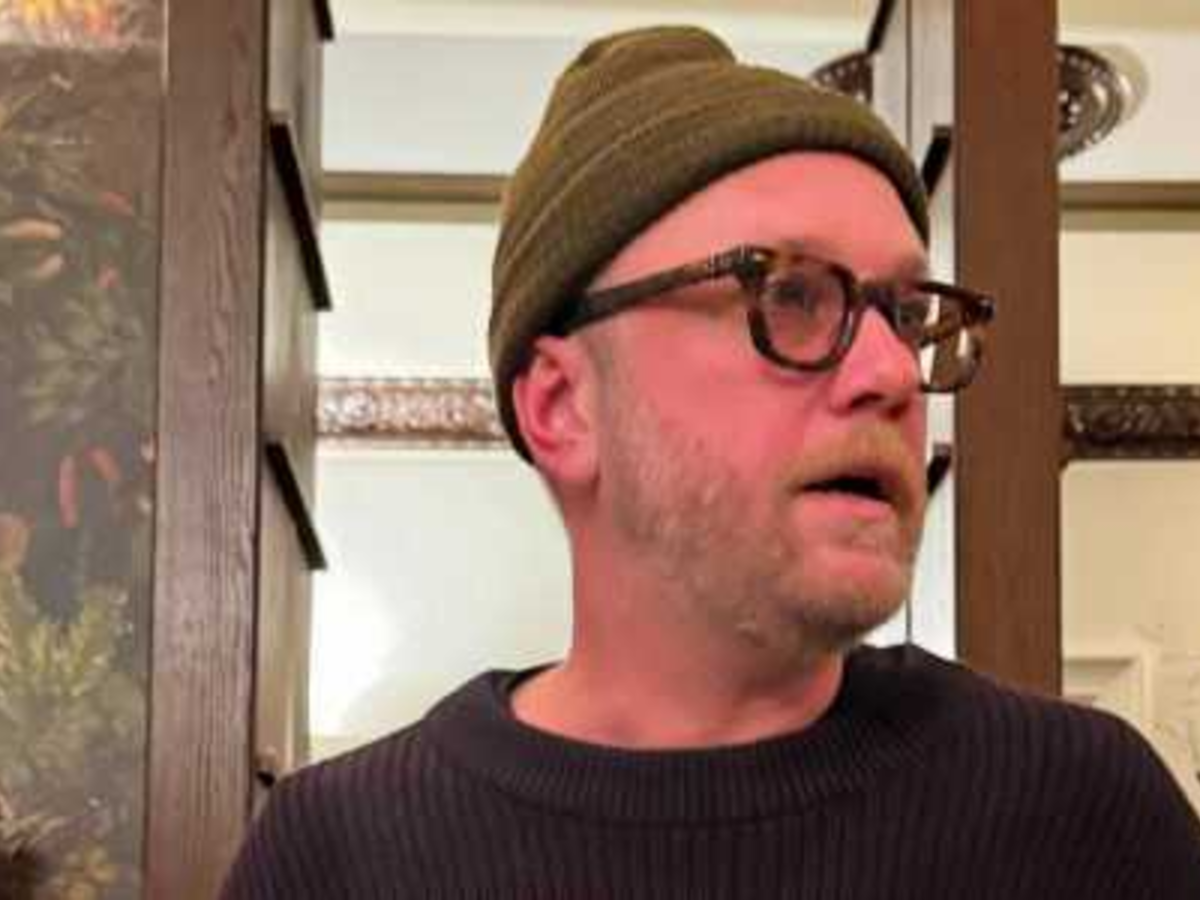
Max Strohe at Tulus Lotrek: Berlin Kreuzberg Casual Fine Dining With Bite
12.03.2026 - 09:15:06 | ad-hoc-news.de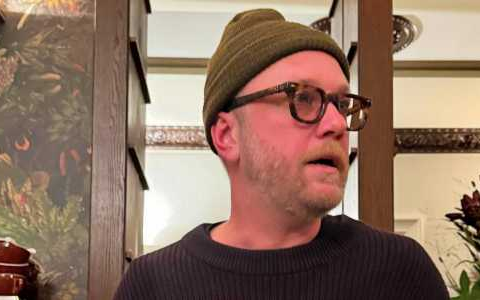
The first thing you notice at Tulus Lotrek Berlin is the sound. Not hushed reverence. Laughter. Cutlery that actually hits plates. Glasses that clink, not whisper. A deep, dark sauce being whisked somewhere behind the pass, thick as velvet. You sink into a chair that feels more like a friend’s flat than a starred dining room. The air smells of roasted poultry skin, citrus zest and warm brioche. You are not intimidated. You are hungry.
In the middle of Kreuzberg, between kebab joints and late-night Spätis, Max Strohe’s restaurant refuses to behave like a classic Michelin address. The room is low-lit but not dark, patterned wallpaper, framed art, shelves with bottles, a hint of chaos that feels curated. You sit at a wooden table that has seen evenings, not showroom furniture. A candle flickers. Someone laughs at the next table over a joke about jus and childhood trauma. Welcome to Berlin’s most notorious feel-good dining room.
To understand why this place matters, you have to know the two people running it. In the kitchen: Max Strohe, once a school dropout, now a chef with a Michelin star in Berlin Kreuzberg and the Federal Cross of Merit pinned to his name. Out front: Ilona Scholl, maître d’, wine brain, agent provocateur of comfort and sharp service. She talks, she teases, she reads the room harder than any algorithm ever could.
Strohe’s road here was not tidy. No straight-line CV, no polished academy kid. He went through odd jobs, unfinished paths, real kitchens where things burn and tempers flare. That restlessness is still on the plate. You can taste the refusal to conform. Scholl caught the same wave. Instead of hiding behind stiff politeness, she turned her own personality into the brand: direct, witty, uncompromising when it comes to hospitality. The Federal Cross of Merit they received together did not fall from the sky. It acknowledged a pair that has used food and service as a social act, especially with their work supporting people in need during the pandemic and beyond.
Today, Berlin knows their names. Guidebooks do too. One Michelin star, steady in its glow. Gault&Millau Berlin recognizes the house with high points and affectionate respect, not only for the cuisine but for the stubborn individuality. Yet, inside the restaurant, you feel none of the weight. No gold-rimmed boredom. No anxiety.
The current Tulus Lotrek menu changes with the seasons, but the logic is stable: product-driven, fat-friendly, joy-first. Imagine a plate that sounds simple on paper. Maybe a poultry course. The skin comes out blistered from the Maillard reaction, crisp enough that your knife gives a tiny crackle when it breaks through. Underneath, the meat is just shy of pink, juices beading at the cut. Around it, a dark jus, reduced until it almost clings like lacquer, built from roasted bones, vegetables pushed hard in the oven, time, and more time. A side of something that feels like memory: maybe a potato purée whipped with enough butter to make the spoon stand, or a cabbage variation that smells faintly of smoke and winter markets.
You take the first bite. The crunch of the skin hits first. Then the warm, fatty drip on your tongue. The jus slides in, intense but restrained, no sugar tricks, no unnecessary foam. A streak of acidity from pickled onion or a sharp herb cuts through, like a cymbal in a slow waltz. You get texture that your molars can work with, not fragile shards engineered for Instagram.
Another dish leans even closer to Berlin’s ongoing burger obsession. Strohe is famous for his love of the perfect burger, and the influence leaks onto the menu. Imagine a course that plays with that idea: maybe a rich beef preparation, ground or slow-cooked, deeply browned on the outside, the inside still juicy and loose, perfumed with aged fat. The bun element might be deconstructed into brioche crumbs fried in butter, or a milk bun on the side, barely sweet, feathery, steaming when you tear it open. There is crunch from pickled cucumbers or something fermented. A smear of sauce built like a classic burger sauce but sharpened with real mustard heat, proper acidity, not the bland, sugary version.
You taste smoke. You taste char. You feel the sticky warmth of rendered fat at the corners of your mouth. It is casual food dressed with serious technique, but without the fetish of stiff tweezer food. Leaves are not placed one by one in geometric terror. Plates look lived in, not clinical. If a sauce spills a little wider, nobody panics. The focus is flavor, mouthfeel, the way your jaw works through each layer.
Vegetables do not play polite side roles here either. Carrots might arrive roasted until their edges almost burn, sugars caramelized, served with a nutty beurre noisette and something crunchy like hazelnut crumble. You cut through the softened root. The knife slides like through butter. On your tongue, you get earthy sweetness, browned milk notes, salt, maybe a lurking spice like cumin or coriander. A flash of citrus zest brightens it. You breathe in the steam and it smells of soil, of fields after rain, and of the hot, snug air of a small kitchen in winter.
This is what the team means by Casual Fine Dining. The technique belongs on the highest level. The attitude does not. You can show up without a suit, laugh loud, ask real questions about the wine, admit you do not understand every word on the Tulus Lotrek menu. Nobody rolls their eyes. Ilona Scholl guides you with a mixture of precision and playfulness, pulling bottles that stretch from classic Burgundy to unexpected natural choices that smell of cider and farmyards before they open up into pure fruit.
Outside the restaurant walls, Max Strohe long ago stopped being a secret. Public television turned him into a familiar face. His appearances on “Kitchen Impossible” sent him into living rooms across the country, flour on his shirt, sarcasm in his voice, and genuine respect for craft behind the jokes. If you want to feel that contrast between TV chaos and the calm hum of his Kreuzberg kitchen, you start online.
Watch how his dishes move and talk on screen, and how he handles pressure against other chefs.
Search Max Strohe clips on YouTube
Then compare it with the stillness of plated food in photographs and guest snapshots, the way sauces shine under low light and glasses glow against patterned wallpaper.
Discover visual impressions on Instagram
And if you want to read what fans, skeptics and fellow cooks are arguing about after another TV appearance or a new menu idea, the social feed never sleeps.
Follow the latest discussions on X
This digital echo feeds back into the room. You might sit down already knowing his voice from television, the story of the school dropout who cooked his way into Gault&Millau Berlin’s good graces, the Michelin Star Berlin Kreuzberg headline, the Federal Cross of Merit. But as the evening unfolds, that narrative gets quieter. What remains are details: the way the bread crust crackles when you tear it. The faint squeak of your knife on warm porcelain. The smells layering over each other, course by course.
Service here rejects the usual starched script. There is choreography, yes, but written in pencil. Plates arrive in a steady rhythm, yet if a conversation at your table runs long, nobody punishes you with awkward hovering. You get explanations, but also jokes. If you want to know the exact origin of a cheese or the grain of a steak, they tell you. If you just want to eat and talk, they sense that too.
This is why people keep calling Tulus Lotrek a living room. The room has warmth in its bones. The chairs are comfortable in a way that has nothing to do with luxury branding and everything to do with the fact that you can sit for four hours without thinking about your back. The lighting flatters faces instead of dishes. The music has actual bass. You may overhear two sommeliers off-duty at the bar, an artist arguing about color at the next table, a couple celebrating an anniversary with the kind of ease you rarely find in Michelin city temples.
You feel looked after, not observed. That difference is subtle but decisive. Fine dining often creates performance anxiety. Here, the performance belongs to the kitchen, not the guests. You are allowed to be yourself. That is the real feel-good atmosphere: not candles and cushions, but the suspension of self-consciousness.
In the larger Berlin food scene, Tulus Lotrek and Max Strohe occupy a sharp, necessary corner. The city is filled with high-end concepts, tasting menu laboratories, neo-bistros, street food. Many are excellent. Few are this unapologetically personal. This house shows that a Michelin star does not have to mean a silent room and surgical tweezers. It can mean fat, crunch, laughter, real appetite.
For you as a guest, this matters. You get access to a kitchen that is recognized by guides like Michelin and Gault&Millau, yet refuses to talk down to you. You get to taste a style that is undogmatic, humorous, sometimes a bit rough around the edges, and therefore very Berlin. You leave smelling faintly of roasted meat and wine, your fingertips a little sticky from gripping bread and wiping sauce. That trace lingers on the U-Bahn ride home, a reminder that "fine" and "fun" do not have to be opposites.
If you care about where Berlin gastronomy is heading, Tulus Lotrek is not optional. It is a reference point. A place where Casual Fine Dining actually means something: technique in the kitchen, freedom in the dining room, and a chef-proprietor who once left school and now helps redefine what success looks like. You walk out into the Kreuzberg night, full, a little dizzy, thinking about when you can come back.
So schätzen die Börsenprofis Aktien ein!

Für. Immer. Kostenlos.