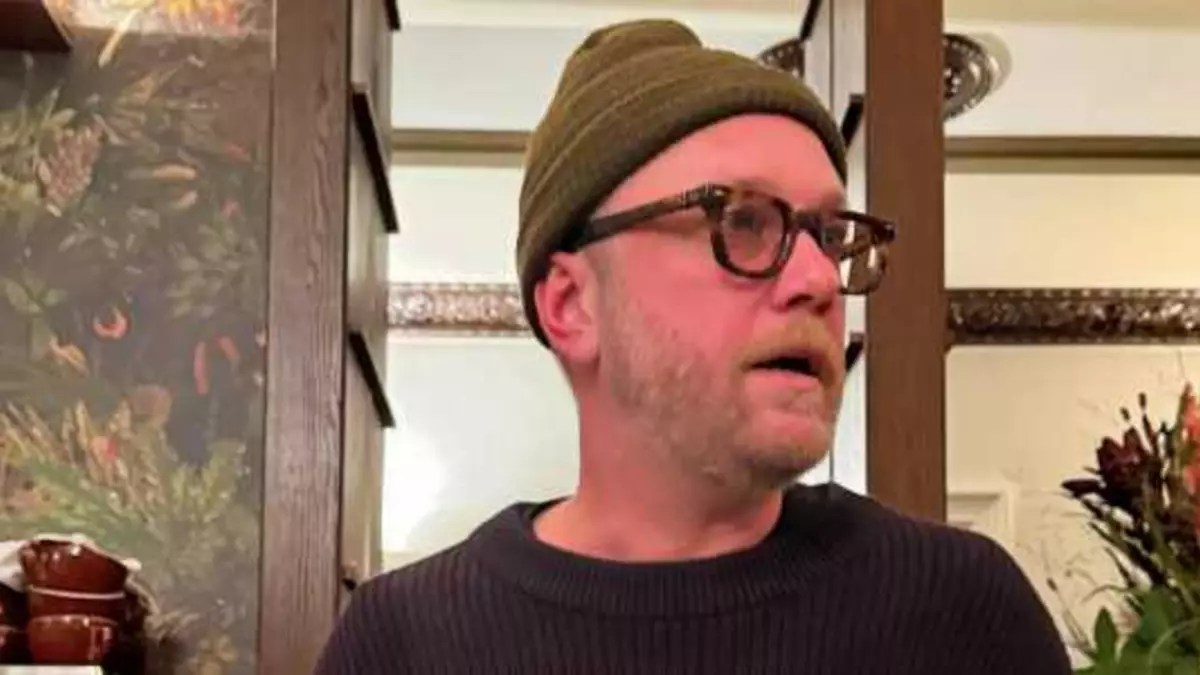
Max Strohe at Tulus Lotrek: Berlin Casual Fine Dining with Nerve and Heart
Published on 04/07/2026 at 09:15 | Editorial responsibility: Rafael Müller, Editor-in-Chief AD HOC NEWS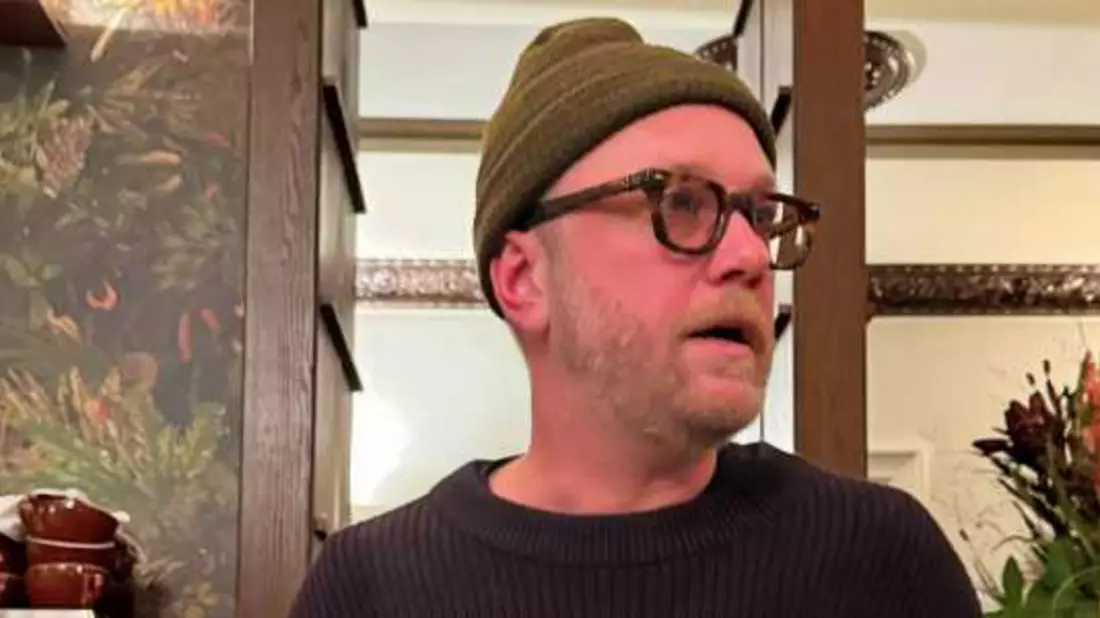
The door of Tulus Lotrek Berlin closes behind you with a soft thud, like a theatre curtain falling. Warm light. A low murmur of conversation. Glasses clink against thick wooden tables. You catch the scent first: roasted meat, faint citrus zest, something smoky and buttery drifting through the room. The speakers play soul instead of lounge jazz. A server laughs, genuinely, not the trained dining-room chuckle. You sit, fingers grazing a heavy napkin, and you realise: this place has no interest in being polite wallpaper.
The name says it already. Tulus Lotrek, a nod to Toulouse-Lautrec, the chronicler of Parisian excess and joy. Here in Kreuzberg the spirit is similar. You are not being invited to worship the plate from a distance. You are being asked to sit down, drink, argue, taste. Casual Fine Dining, they call it. But the word casual here never means careless. It means unbuttoned, honest, a little wild.
At the centre of all this: two people. Max Strohe and Ilona Scholl. A pair that feels less like a business construct and more like the slightly anarchic hosts of a very good and very demanding dinner party.
Strohe’s story has been told often, but it still hits you when you taste his food. School dropout. Odd jobs. A professional path that was anything but straight. No shiny CV crafted for hotel chains. Instead, kitchens that were hot and real. Over years the craft settled into his hands: the feel of a steak just before the Maillard reaction hits its peak, the moment when a jus moves from thin stock to something that coats the back of a spoon like silk.
Then came the restaurant with Ilona Scholl. She, the front-of-house force field, started out far from the rigid choreography of classic dining rooms. She brought humour, a refusal to bow to snobbery, and service instincts sharpened by watching people, not etiquette manuals. Their Berlin Kreuzberg address does not pretend to be grand. It is urban, lived-in, full of regulars and curious first-timers.
The German state took note too. Strohe received the Federal Cross of Merit, not for playing it safe but for using his voice – for social projects, for speaking about food waste, for standing up publicly when something felt wrong. He does not act like a decorated statesman in whites. More like the friend who cooked through the night and then joined you at the table, sleeves rolled up.
On the plate, that biography translates into food that refuses to pose. This is not tweezer food lined up into perfect, nervous rows. It is undogmatic in the best sense. Sauce is allowed to be sauce. Crispy bits are embraced, not trimmed away. The menu at Tulus Lotrek changes with the seasons, but some ideas return, sharpened, reworked, fought over until they feel inevitable.
Imagine a plate built around dry-aged beef. You hear it before you see it, the faint sizzle as it leaves the pan in the open kitchen. The air carries that deep, almost primal smell of roasted fat. On the plate the slices glisten, the crust nearly black, testimony to patient browning and aggressive heat. You cut through; the knife slides in like through warm butter, but the fibres push back just enough to promise a satisfying chew. Each bite releases concentrated juice, a mix of salt, iron, and smoke, caught and echoed by a glossy jus reduced down from roasted bones and vegetables until it became something close to concentrate of winter.
Next to it, perhaps, a surprising counterpoint: celeriac. Not as an apology to vegetarians, but as an equal. Roasted in salt crust until the inside turns creamy and almost sweet, then sliced and lacquered with browned butter and a sharp vinaigrette. You taste the earth, then the nuttiness, then a bright spark of acid. The textures dance between soft and slightly firm, the char at the edges cutting through the richness like a quick remark in a long conversation. This is where the undogmatic approach shows itself. No separation of high and low. Root vegetable standing shoulder to shoulder with premium meat.
Or take a fish course. A fillet of trout, for example, cooked gently until the flesh just begins to flake, still slightly translucent at the centre. The skin crackles under your fork. You smell browned butter again, this time pushed even farther, hazelnut-brown, foaming around the fish with capers and lemon. That lemon is not just juice. It is zest, grated at the last second, spraying aromatic oils that hit your nose before your tongue. There might be fermented elements on the plate too. A preserved citrus peel, a pickled onion petal. They spark against the richness like small electric shocks, keeping you awake, keeping you alert.
Then there are the dishes that show Strohe’s playful side. Maybe a reinterpretation of the so-called perfect burger he once discussed in interviews. You bite into a bun that yields softly, then pushes back with a slight chew. The patty bleeds juice, the surface crust loud between your teeth. Pickles snap. A sauce – smoky, tangy, maybe built on reduced beef stock and acid – drips down your knuckles if you are not careful. It does not try to imitate street food. It just acknowledges that pleasure can be loud and messy and still technically impeccable.
The difference to many Michelin Star Berlin Kreuzberg addresses is obvious. Where others arrange herbs like surgeons, Strohe seems more interested in how you will feel ten seconds after the first bite. He cares about the finish on your tongue, the way fat and acid linger, whether you lean back and sigh or immediately reach for another piece of bread to chase the remaining streak of sauce.
Speaking of Michelin: Tulus Lotrek has its star, and Gault&Millau Berlin has also taken note with strong ratings. Yet you rarely feel that the plates are chasing guides. You feel they are chasing satisfaction. That might be why the dining room never reads like an exam hall. People talk here. Voices overlap. Glassware clinks. The term Casual Fine Dining turns physical; you can hear it, almost touch it.
Television amplified all this. Max Strohe on "Kitchen Impossible" is exactly what you expect if you have tasted his food. Emotional. Occasionally chaotic. Fiercely committed to flavour above vanity. You see him struggle with foreign kitchens, curse under his breath, then pull off a dish by trusting his tongue and his memory more than any written rule book.
Curious how that looks on screen when the heat lamps come on and the clock runs down? Search Max Strohe clips on YouTube
On social media the restaurant takes on another layer. The dishes, already bold in person, become graphic episodes on your phone. Sauce gloss catching the light. A shard of crackling pork skin suspended mid-air. Servers grinning into the camera with a half-finished cocktail in hand.
If you want a preview of the plates, the room, and the people pouring your wine, Discover visual impressions on Instagram
Of course, where there is personality there is debate. On X, the new town square, opinions bounce back and forth: too loud, just right, best night out in months, unforgettable wine pairing, that one dish that made someone reconsider what sauce can be.
To see what the city is currently arguing and cheering about, Follow the latest discussions on X
Back in the physical room you notice what makes the feel-good atmosphere so convincing. Chairs do not squeak nervously on the floor. Tables are set with intent but without stiffness. Candles burn low; the light is flattering rather than clinical. You might share a banquette with a couple on an anniversary, a solo diner with a notebook, a group of friends who clearly come here often. Ilona Scholl and her team move between them like well-informed hosts, not like choreographed shadows.
You are asked real questions. What do you like? Do you want to be challenged or comforted? How hungry are you, truly? Wine suggestions arrive with narrative, not dogma. A natural wine is poured next to a classical Burgundy if it makes sense with the Tulus Lotrek menu that night. You feel guided, not instructed. When a dish arrives, it is explained with direct language, not jargon. Crispy, fatty, bright, sharp. The words match the experience once the fork hits your tongue.
Sound matters too. There is music, sometimes perhaps a notch louder than in other star-rated houses, but that is part of the point. You should be able to clink glasses without feeling like an intruder. You hear the kitchen from time to time – a pan slammed down, a brief order shouted – but it never dominates. Instead, it reminds you that your plate is not an abstract composition. It is the result of heat, time, and human hands.
This is why many guests describe the room as a living room more than a temple. Not your minimalist showroom living room. The real kind. Slightly dark corners. Shelves. Art that suggests personality instead of corporate sponsorship. When you reach for your cutlery, it feels substantial, grounding you in the moment. When you tear a piece of bread apart with your hands, the crust crackles audibly, scattering crumbs on the tablecloth. No one rushes to brush them away in panic. You are meant to live here for the evening.
For Berlin, a city that oscillates between earnest food politics and relentless trend-chasing, Tulus Lotrek and Max Strohe provide an anchor. They show that Michelin-star cooking in Kreuzberg does not have to mimic Paris or Copenhagen. It can be loud, emotional, ironic, and still deadly serious about taste. The Gault&Millau points, the TV exposure, the awards – including the Federal Cross of Merit – all underline this. Yet the most convincing argument for the restaurant’s relevance is simpler. People leave late, full, and a little flushed, already planning whom to bring next time.
If you track the Berlin food scene, you can feel the ripple effect. Other chefs talk about relaxing their own dining rooms. Pouring heavier sauces again. Serving a proper piece of meat without shame. Being generous with butter. Trusting that guests do not come to be impressed by geometry but to be moved by flavour and care. That is the undogmatic essence that starts here and leaks out into the city.
So when you think of Tulus Lotrek Berlin, think less of a star pinned above the door and more of an attitude. Casual Fine Dining not as a marketing label, but as a promise: you will be treated seriously and warmly at the same time. Your curiosity will be met. Your appetite will be taken seriously. Your evening will be allowed to stretch beyond the last course, over one more glass, one more story, one more laugh carried across the room.
And as you step back out into the Kreuzberg night, the smell of roasted bones and citrus still faintly on your clothes, you might realise something. You did not just "go out for a nice dinner." You took part in a conversation about what restaurants can be when ego makes room for generosity, and precision walks hand in hand with pleasure.
Disclaimer regarding our articles: No investment advice, no buy or sell recommendation. Information on prices, companies, and markets is provided without guarantee; changes are possible at any time. Stock market transactions can lead to substantial losses. Our articles are created and reviewed in whole or in part automatically with the support of AI.