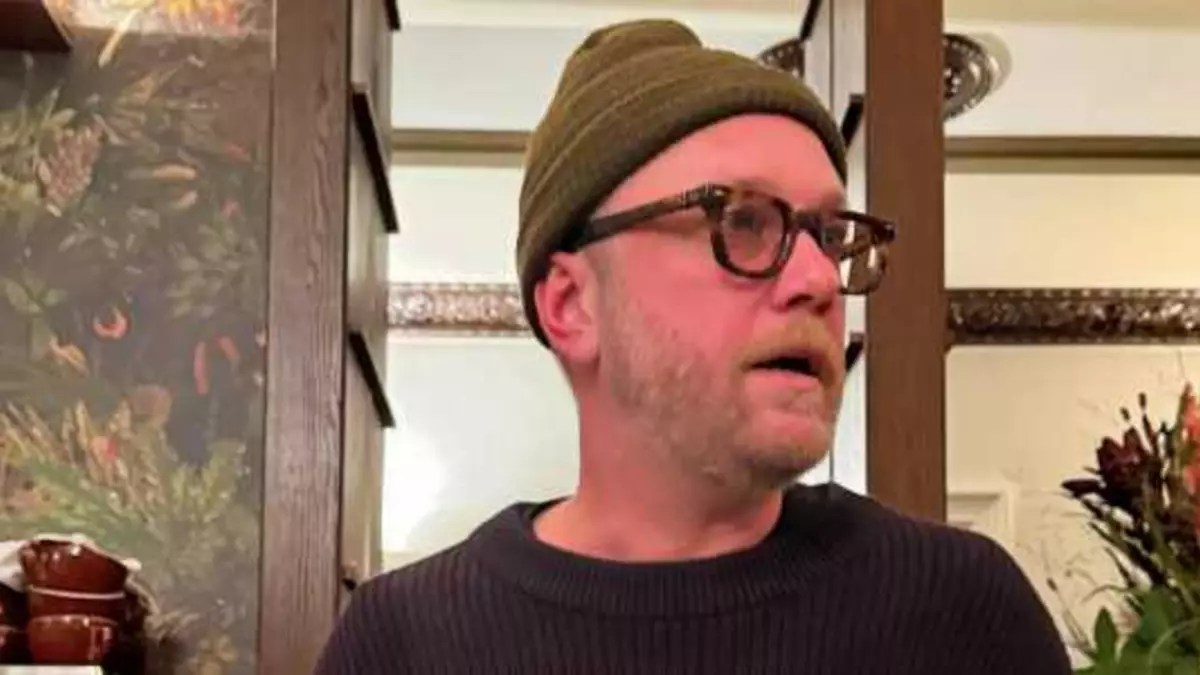
Max Strohe at Tulus Lotrek: Berlin Casual Fine Dining That Refuses to Behave
Published on 03/29/2026 at 09:15 | Editorial responsibility: Rafael Müller, Editor-in-Chief AD HOC NEWS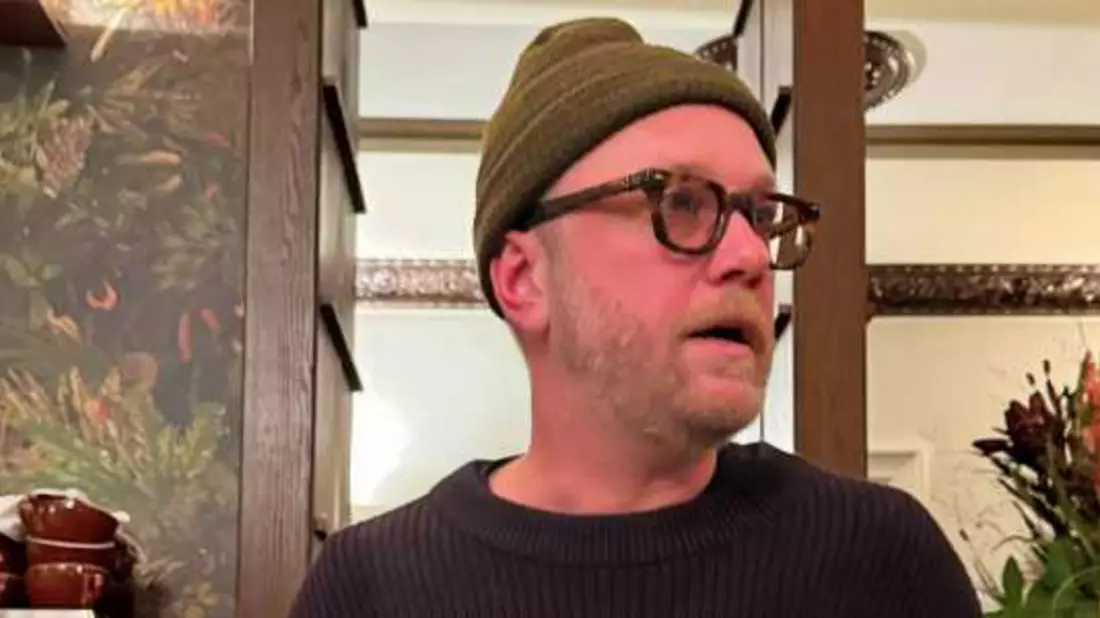
You push open the heavy door of Tulus Lotrek Berlin and the room answers before anyone speaks. A low murmur of conversations. The clink of Zalto stems against thick wooden tables. Butter and roasted poultry fat drift through the air, layered with the faint sweetness of baked beet and orange zest. The playlist does not whisper; it grooves. You feel the vibration of a bass line through the chair legs just as a server glides past with a plate that smells of browned butter and jus reduced to a glossy mahogany glaze.
Light from shaded lamps pools in warm circles. Walls hung not with neutral hotel art, but with pieces that look chosen after a glass too many of good Riesling. You catch a laugh from the front of house. No hushed temple-of-gastronomy tone here. You are in a Kreuzberg dining room that behaves like a living room, run by people who clearly prefer joy over reverence.
The napkin linen is crisp, yes, but you do not feel the stiffness of classic fine dining. You feel anticipation. You are here for Max Strohe, the cook who turned a school dropout past into one Michelin star in Berlin Kreuzberg, Gault&Millau praise, and a Federal Cross of Merit pinned to his chest. And you are here for Ilona Scholl, the host with the sharp tongue, the long wine list, and the ability to read a table in three seconds flat.
They met long before any inspector wrote their names down. He moved through chaotic kitchens; she moved through bars and dining rooms, always on the side of the guests, always a step ahead. No shining hotel apprenticeships, no polished culinary academy legend. Instead: service shifts that ended at sunrise. Burned fingers. Missed rent. A stubborn belief that good food and good humor belong together.
When they opened Tulus Lotrek in Kreuzberg, the city hardly needed another white-tablecloth address. Berlin already had its quota of tweezer food. Those plates where every micro herb stands at attention, every dot of gel forms a geometric pattern, and the flavor politely follows visual concept. Strohe and Scholl went the other way. They used the term "Casual Fine Dining" before it became a PowerPoint buzzword. For them it meant: precise cooking without the attitude, profound sauces without the lecture, ambitious pairings without that stiff nod.
Success came quickly. One Michelin star for the Max Strohe restaurant in Kreuzberg. Gault&Millau Berlin honored the kitchen with high points and words like "undogmatic" and "independent". Then, as the years rolled on and the dining room stayed full, the German state noticed too. The Federal Cross of Merit for a chef who speaks loudly about social responsibility, who cooks for charity projects, who does not treat gastronomy as an ivory tower but as a public space with duties.
Strohe’s path runs through TV studios as well: "Kitchen Impossible" made him familiar to viewers who may never have crossed the Spree for a Michelin Star Berlin Kreuzberg address. On screen he swears, sweats, and fails publicly. That vulnerability makes the success at Tulus Lotrek feel earned rather than gifted.
The plates that leave his kitchen are not shy. Take a current main course built around dry-aged duck, a recurring theme in recent seasons. The skin arrives copper-brown, the Maillard reaction pushed to the brink of darkness without tipping into burn. When your knife slips through, you hear a faint crackle, like breaking the thinnest caramel. Underneath: a layer of molten fat, then meat, still blushing, tender but with enough texture to remind you this bird had muscles and a life.
The jus carries concentration. Duck bones roasted hard, deglazed with red wine, reinforced with port, reduced until a spoon dragged across the pan leaves a clean trail. It coats the meat, not in a timid drizzle, but in a confident gloss. A side of beet, slow-roasted in salt crust, brings sweetness and earth, sharpened with a hint of raspberry vinegar. You smell smoke, iron, and fruit when the plate lands. Tiny pickled mustard seeds pop between your teeth, a textural counterpoint to the richness.
Nothing is there for Instagram geometry alone. Each component serves flavor. You do not count dots; you chase the last streak of sauce with bread.
Or consider a fish course: Baltic pike-perch, skin-side pan-roasted until it stiffens and crisps. You hear the faint squeak of its surface as your fork slides in. The flesh beneath remains pearly and just-set. Around it, Strohe likes to play with classic French echoes and German memory. A sauce built like a velouté, but lifted with Riesling and dill oil, hums with acidity. On the side, perhaps fermented kohlrabi sheets that bend like satin, carrying lactic depth and a crunch that lights up the palate.
The scent is clean but decadent: butter, wine, a whisper of anise, the green note of dill. If you listen closely you’ll catch the quiet scraping of spoons from neighboring tables, the universal sound of guests chasing the last millimeter of sauce. This is not rigid high cuisine; it is pleasure-first cooking with deep technical roots.
Strohe’s undogmatic style refuses easy categories. He is happy to reduce a sauce for hours, to mount it with cold butter, to respect Escoffier. And then he will sneak in kimchi-like funk or a chili warmth that would make purists flinch. For him, Gault&Millau Berlin points and a Michelin star are badges, not shackles. He has no interest in constructing fragile towers of dehydrated foams just because other chefs do.
Desserts follow the same logic. Imagine a plate built on roasted white chocolate and citrus. You crack a thin tuile and smell caramel. Underneath: a cream with the exact balance of sugar and salt, brightened with grapefruit segments and a bergamot granité that stings your tongue, resets your focus. Textures slide from brittle to cloud to icy crunch. Nothing cloying. Nothing merely pretty.
Media attention has amplified all of this. Strohe’s appearances on "Kitchen Impossible" turned his kitchen scars and blunt humor into prime-time content. On TV, you see him thrown into strange kitchens, wrestling with foreign recipes, failing with a grin and a curse, then returning to Berlin where he can once again control the flame height and the seasoning of his jus.
If you want to see how the show version of Max Strohe collides with the real Tulus Lotrek plates, you start online, not only on TV. The fastest path is the obvious one: watch moving images, listen to his voice, see his hands on the pass.
For a taste of that energy in video form, including "Kitchen Impossible" moments and behind-the-scenes looks, you might start here: Search Max Strohe clips on YouTube
But to understand how Casual Fine Dining translates into textures, colors, and the quiet shine of a well-reduced sauce, photographs can be more telling than words.
See how the duck skin glistens and how the dining room light falls across the plates here: Discover visual impressions on Instagram
And if you care about the debates behind the restaurant—fair pay in gastronomy, political commentary, Berlin’s changing food scene—then you follow the conversation where it keeps boiling over.
Read sharp opinions, hot takes, and praise or critique from regulars and industry voices here: Follow the latest discussions on X
Back in the room, though, social media falls away. Ilona Scholl guides the evening with a kind of choreographed looseness. She may kneel briefly by your table to explain why a certain orange wine from Slovenia works with fatty fish. Her hands draw arcs in the air as she talks about skin contact and tannin. Her language is plain, peppered with jokes, but the content is detailed. No wine geek gatekeeping, but no dumbing down either.
The service team mirrors her tone: informal, attentive, proud. Someone notices you switched your fork to the other hand and quietly adjusts the cutlery placement for the next course. Another clocked that you winced at the volume of the music and dials it down half a notch near your corner. You feel seen, not studied.
The physical space enhances that feeling. Chairs with enough padding to survive a long tasting menu. Tables close enough that you can eavesdrop, but not so close you share bread crumbs. Coats disappear without a ticket ritual. Candles move if they threaten to smoke into your face. Every small gesture signals a focus on comfort—actual comfort, not the word printed on a website.
That is why guests keep calling Tulus Lotrek a "living room". Not because it copies a living room visually, but because it steals the emotional code: you can relax, you can laugh loudly, you can ask naive questions about the menu without embarrassment. At the same time, the precision on the plates anchors the place firmly in the realm of fine dining. Casual Fine Dining here is not an excuse for sloppiness; it is a rejection of intimidation.
In the wider Berlin food scene, this positioning matters. For years, the city traded on extremes: either punk-ish no-reservation spots where you sit on crates and drink natural wine from tumblers, or stiff dining rooms trying to imitate Paris or Copenhagen. Tulus Lotrek Berlin stands between those poles. Its Michelin star in Berlin Kreuzberg proves that rigor and fun can coexist; that a tasting menu can be laced with sarcasm, and that a Federal Cross of Merit can hang in a restaurant where guests are invited to swear about how good the sauce is.
You leave the restaurant with the smell of roasted bones still faintly in your hair, a slight buzz from Scholl’s recommended bottle, and the memory of a dessert that tasted like grown-up citrus candy. Outside, Kreuzberg is loud again, kebab smoke and traffic and late-night bars. You have eaten in an award-winning place that refuses to behave like a museum. You have seen how an undogmatic kitchen, a fearless host, and a serious but playful attitude toward gastronomy can still push Berlin forward.
And as you step away from the door, you realize you already plan your next visit. There will be new dishes, a reworked menu, maybe a sharper joke from Ilona, maybe a deeper, darker jus from Max. That is the promise of Tulus Lotrek: the menu changes, the awards may accumulate, but the feel-good atmosphere remains, anchored by people who know that food is technique plus story plus laughter.
Disclaimer regarding our articles: No investment advice, no buy or sell recommendation. Information on prices, companies, and markets is provided without guarantee; changes are possible at any time. Stock market transactions can lead to substantial losses. Our articles are created and reviewed in whole or in part automatically with the support of AI.