Massive Attack return to the stage as a new era builds
17.05.2026 - 01:53:14 | ad-hoc-news.de
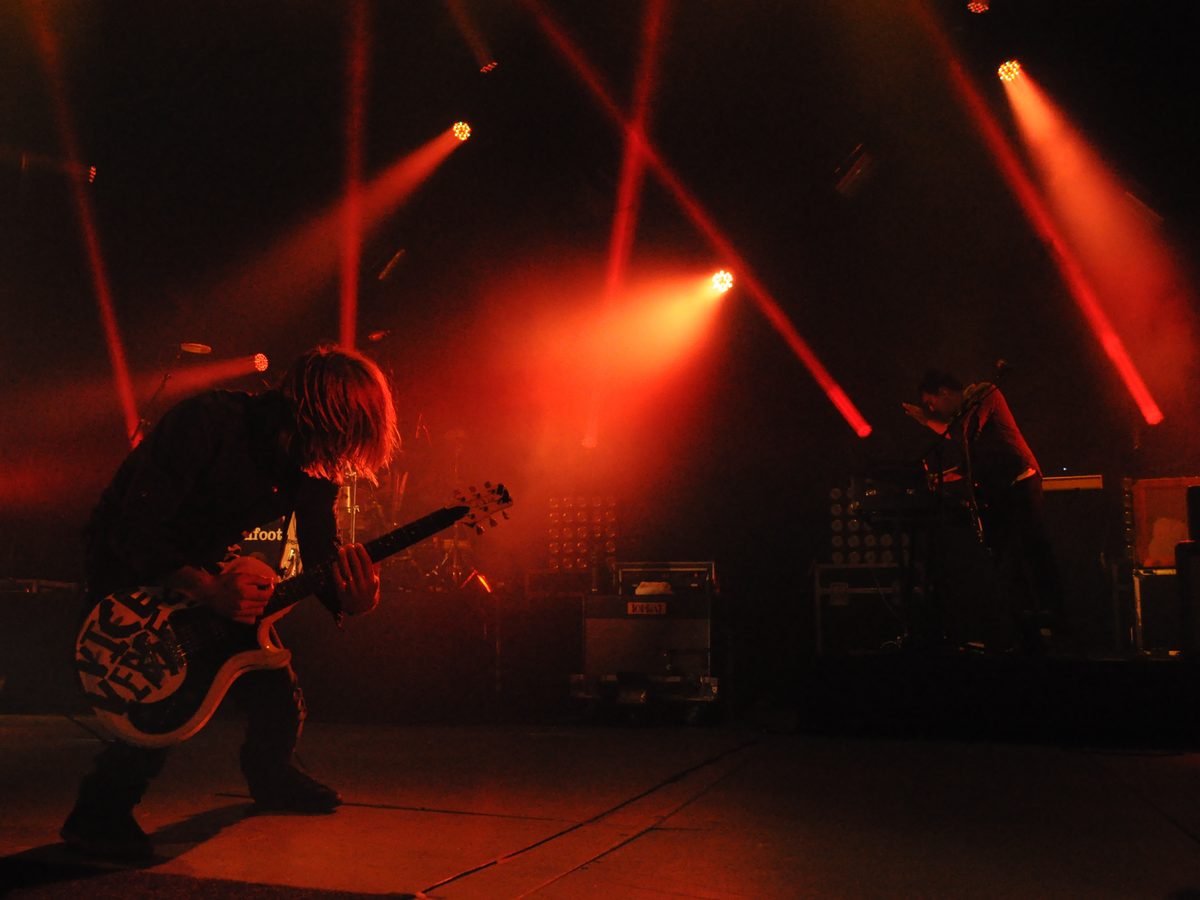
On a dimly lit festival stage in Bristol, Massive Attack reduce a crowd to silence with the first notes of Teardrop, a reminder that the band still controls one of the most distinctive atmospheres in modern music. For more than three decades, Massive Attack have shaped what audiences think of as trip-hop while quietly influencing stadium pop, indie rock, and electronic music far beyond their hometown. As new live dates assemble around the world, the group enter yet another phase of a career that keeps bending mainstream expectations.
Massive Attack’s latest chapter centers on live shows and legacy
In recent years, Massive Attack have kept studio plans close to the vest while treating live performance as their main public canvas. The group’s official site lists an evolving slate of tour dates and festival appearances, with stops across Europe and other territories that periodically expand as promoters confirm new slots. As of 17.05.2026, no full-scale North American tour has been formally announced, but the band’s history with key US venues and festivals keeps anticipation high in the States.
According to reporting from Rolling Stone and confirmations in Pollstar archives, Massive Attack have previously brought their immersive production to American stages including Los Angeles, New York, and major festivals like Coachella in Indio, California. Those earlier runs leaned on a powerful combination of live instrumentation, onstage guests, and stark political visuals that turned each set into something closer to an audio-visual installation than a conventional concert. Current plans, as signaled by the band’s website and promoter announcements overseas, suggest that future shows will likely continue this blend of sound and message even as the exact US routing remains to be seen.
Because the band seldom saturates the market with constant tours, each batch of dates feels like a significant event in itself. Fans and critics follow every hint of a new run, reading between the lines of festival posters and venue teasers. For a US audience accustomed to yearly arena cycles from mainstream acts, Massive Attack’s intermittent approach makes their appearances feel more like special exhibitions than regular tour stops.
To understand why these upcoming shows generate such attention, it helps to revisit the core of the group’s story, from Bristol sound-system culture to crossover success on charts and soundtracks around the world.
Who Massive Attack are and why their sound still matters
Massive Attack are a Bristol, England collective often credited with crystallizing the sound known as trip-hop, even though the musicians themselves have sometimes pushed back against strict genre labels. Formed out of the late-1980s Wild Bunch sound system scene, the group brought together producers and vocalists who fused hip-hop breaks, dub basslines, soul harmonies, and cinematic textures into something both intimate and expansive. In American terms, their sensibility sits somewhere between the mood-driven production of classic East Coast hip-hop and the atmospheric sweep of art rock.
NPR Music has described the band’s work as a kind of nocturnal cinema for the ears, a phrase that captures how their songs tend to unfold more like short films than traditional radio singles. On tracks such as Unfinished Sympathy, Safe from Harm, and Teardrop, beats move with hip-hop weight while strings, keyboards, and sampled textures float above, allowing singers to deliver performances that feel raw and reflective at the same time. That tension between precision and vulnerability has helped keep the group relevant for listeners who came of age long after their early records were released.
For US listeners, Massive Attack may first register through familiar placements in film and television. Their music has colored scenes in shows and movies ranging from high-profile dramas to science fiction and crime series, making songs like Teardrop recognizable even for casual fans. Billboard has noted that this sync presence, alongside consistent catalog streaming, keeps the band’s work hovering in the algorithmic playlists that define how new generations discover older acts.
Beyond their own releases, members of Massive Attack have produced or remixed an array of artists, helping to shape the sound of modern pop, rock, and electronic music. Their fingerprints appear indirectly in the moody downtempo edges of mainstream hits and in the atmospheric approach of acts from Radiohead to The Weeknd, even when those artists break in very different genres. That reach, more than any one chart statistic, explains why the group still matters in 2026.
For readers watching the US music scene, Massive Attack occupy a space similar to legacy American acts like Nine Inch Nails or Sonic Youth: they may not dominate the Hot 100, but their ideas flow under the surface of countless younger artists and producers.
From the Wild Bunch to global acclaim: origin and rise
Massive Attack’s story begins in Bristol during the mid-1980s, when a loose collective known as The Wild Bunch mixed hip-hop, reggae, funk, and soul at parties and in local clubs. Out of that crew, Robert Del Naja (often known as 3D), Grant Marshall (Daddy G), and Andrew Vowles (Mushroom) emerged as key creative figures. They started recording as Massive Attack, working with singers such as Shara Nelson, Horace Andy, and Tricky to craft tracks that felt rooted in sound-system culture but ready for the album format.
The group’s debut album Blue Lines arrived in 1991 on Circa and Virgin, and many critics now regard it as a turning point in British music. The Guardian and NME have both ranked the record among the most important albums of the 1990s, citing its blend of hip-hop beats, dub bass, and soul melody as the foundation for what would later be called trip-hop. Although Blue Lines did not storm the US charts immediately, it became a cult favorite among American DJs, college-radio programmers, and producers who heard in tracks like Unfinished Sympathy a new template for emotionally rich electronic music.
Massive Attack’s second album, Protection, released in 1994, deepened that approach. With contributions from guest vocalists including Tracey Thorn of Everything But The Girl and reggae legend Horace Andy, the album extended the group’s palette into more spacious, jazz-influenced territory. Critics in outlets such as Rolling Stone praised Del Naja and his collaborators for balancing introspective moods with rhythmic intensity, and the record further solidified the band’s reputation both in the UK and within US alternative circles.
Their commercial breakthrough, however, came with 1998’s Mezzanine, a darker, more guitar-driven album that still retained the group’s signature rhythmic feel. Featuring the haunting Teardrop, with lead vocals by Cocteau Twins singer Elizabeth Fraser, as well as the menacing Angel and Inertia Creeps, the album crossed over to rock, electronic, and pop audiences at once. According to Billboard and the Official Charts Company, Mezzanine climbed into top-tier chart positions in several territories and became the band’s most commercially successful release.
In the early 2000s, Massive Attack continued this evolution with the album 100th Window, which leaned into more digital textures, and later with Heligoland, released in 2010. Along the way, membership shifted, side projects flourished, and the band occasionally stepped back from the spotlight. Yet they maintained a steady presence on the touring and remix circuits, collaborating with a range of vocalists and producers.
Throughout this period, the group developed a reputation for meticulous studio work. Sessions could stretch on for years, with tracks being built, deconstructed, and rebuilt as the musicians chased a mood or narrative. That perfectionism explains in part why Massive Attack’s discography is relatively compact compared with some peers, but it also helps each album feel like an intentional statement rather than a snapshot.
Signature sound, key works, and how Massive Attack record
Massive Attack’s signature sound centers on contrast: heavy, often slow-motion beats paired with delicate melodies and atmospheric textures. The band’s rhythm tracks draw heavily from hip-hop, funk, and dub, typically using thick basslines and crisp snares that give even their quietest songs a sense of weight. Over that foundation, they layer keyboards, sampled soundscapes, guitars, and orchestral elements to create a sense of depth, often leaving plenty of negative space so that each detail lands with impact.
Vocal performances play an equally important role. Rather than rely on a single frontperson, Massive Attack curate a rotating cast of singers whose voices carry different emotional colors. On Blue Lines, Shara Nelson brings a soaring soul presence to Unfinished Sympathy. On Protection, Tracey Thorn adds a weary, intimate tone that anchors the title track. On Mezzanine, Elizabeth Fraser’s voice on Teardrop becomes almost another instrument, weaving in and out of the mix in a way that feels both human and spectral.
Behind the scenes, producers such as Neil Davidge have been crucial to shaping Massive Attack’s sound. Davidge co-produced Mezzanine and 100th Window, helping the group integrate live instrumentation with electronics in a way that retained emotional warmth. As various interviews in outlets like Pitchfork and Mixmag have detailed, the band often built tracks from extended jam sessions, sampling themselves and manipulating those recordings as if they were vinyl or library material. This recursive process blurs the line between live performance and studio construction.
Several key works stand out as entry points for new listeners, especially in the United States:
- Blue Lines (1991) — The debut studio album that laid the blueprint for their blend of hip-hop, soul, and dub, featuring Unfinished Sympathy.
- Mezzanine (1998) — The dark, guitar-tinged classic with Teardrop and Angel, often recommended as the first Massive Attack record to hear front-to-back.
- Heligoland (2010) — A later-period album that introduced new collaborators and refined their atmospheric production for the streaming era.
- The singles Protection, Safe from Harm, and Karmacoma — Tracks that showcase different sides of the group’s songwriting and production approach.
Onstage, Massive Attack translate these studio constructions into a dramatic live experience. Shows typically involve a full band, including drums, bass, guitars, keyboards, and multiple vocalists, all set against large-scale visuals. The group is known for projecting scrolling text, statistics, and images that comment on surveillance, climate change, war, and social inequality, turning concerts into a form of political theater. Variety and The New York Times have both highlighted how these visuals work in tandem with the music, reinforcing themes of unease, empathy, and resistance.
Importantly for a US audience, this live approach plays differently than a straightforward nostalgia set. While the band performs many of their most beloved tracks, they often rework arrangements, stretch intros and outros, and pair songs with unexpected imagery. The result is that even well-known material can feel newly urgent in the context of current events.
Massive Attack’s cultural impact and long-term legacy
Massive Attack’s impact on modern music extends far beyond the borders of trip-hop as a genre tag. In the early 1990s, the band helped establish Bristol as a creative hub on par with more widely recognized scenes like Seattle grunge or New York hip-hop, proving that globally influential sounds could emerge from local ecosystems outside traditional industry centers. This model would later echo in cities such as Montreal, Berlin, and Atlanta, where localized scenes birthed movements that reshaped global pop.
Critically, the group’s influence runs deep in the worlds of electronic music, indie rock, and even mainstream R&B and pop. Artists ranging from Radiohead and Portishead to The xx, James Blake, and FKA twigs have cited Massive Attack or the broader Bristol scene as an inspiration. According to analysis in Rolling Stone and interviews compiled by Pitchfork, producers in genres like dubstep, trap, and alternative R&B often point to Mezzanine as a touchstone for how to combine heavy low end with a sense of emotional nuance.
In commercial terms, the band’s catalog has enjoyed a long tail of steady performance. While Massive Attack’s studio albums did not dominate the Billboard 200 in the way of some American pop acts, their work has shown remarkable staying power through streaming, vinyl reissues, and sync placements. The RIAA database lists select releases as certified in the United States, and international bodies such as the BPI in the UK have recognized several of their records with Silver, Gold, or Platinum awards. These milestones underscore that the band’s influence is not just critical but also reflected in sustained listener engagement.
Massive Attack’s political engagement is another key part of their legacy. Over the years, the group have used tours, record packaging, and public statements to address issues including climate change, war, refugee rights, and surveillance. They have supported organizations focused on social justice and environmental action, sometimes structuring tours to minimize environmental impact by adjusting travel and production practices. Their willingness to interrogate the ethics of touring and recording has resonated with a generation of artists and fans who see music as a platform for more than entertainment.
Within the live sphere, Massive Attack’s headline slots at festivals such as Coachella, Glastonbury, and other international events have set a standard for large-scale, politically conscious electronic shows. In a US context, their Coachella appearances helped open doors for darker, more atmospheric acts to secure prime evening spots at festivals that had traditionally favored either rock bands or straightforward EDM. That shift is visible now in lineups where moody, experimental electronic artists sit near the top of bills alongside pop superstars.
The band’s legacy also lives on in the way modern listeners approach mood playlists and late-night listening. In an era dominated by streaming and algorithmic discovery, Massive Attack tracks continue to surface in curated spaces labeled as chill, nocturnal, or downtempo, placing their early 1990s experiments alongside current releases from younger artists. This ongoing presence introduces the group to new audiences who may not know the history but feel the emotional pull of tracks like Protection or Angel.
For the US music industry, Massive Attack represent a case study in long-term relevance without constant chart visibility. Their model shows how a group can prioritize artistic control, thoughtful touring, and careful release schedules while still maintaining global influence. That example is especially resonant as more artists push back against hyper-fast album cycles and look for more sustainable ways to build careers.
Frequently asked questions about Massive Attack
How did Massive Attack get started as a band?
Massive Attack grew out of The Wild Bunch, a Bristol sound-system collective active in the mid-1980s. Core members Robert Del Naja, Grant Marshall, and Andrew Vowles began recording their own material, combining hip-hop, dub, and soul influences. Those sessions led to the debut album Blue Lines in 1991, which established the template for the group’s future work.
What are Massive Attack’s most important albums for new listeners?
For most new listeners, three studio albums form the essential starting point. Blue Lines introduces their early blend of hip-hop and soul with tracks like Unfinished Sympathy. Mezzanine presents a darker, more guitar-driven sound and includes fan favorites such as Teardrop and Angel. Heligoland showcases their later-period approach, with a wide cast of guest vocalists and meticulous production suitable for headphone listening.
Have Massive Attack toured the United States recently?
Massive Attack have a history of touring the United States, with past shows in cities such as New York and Los Angeles and festival appearances at events like Coachella. As of 17.05.2026, current live plans listed on the band’s official channels focus primarily on international dates, and no full new US tour has been formally confirmed by promoters. However, the group’s previous touring patterns suggest that American dates often follow European or festival runs when logistics allow.
What genre is Massive Attack usually associated with?
Massive Attack are most commonly associated with trip-hop, a term coined in the 1990s to describe downtempo, beat-driven music that blends hip-hop, electronic production, and atmospheric textures. The band themselves have sometimes expressed discomfort with strict genre labels, since their work also draws from dub, rock, soul, and experimental electronic music. Many critics now frame Massive Attack as a pioneering left-field pop and electronic act rather than limiting them to a single category.
How have Massive Attack influenced American artists?
Massive Attack’s influence can be heard in the moody textures and spacious arrangements of numerous American artists. Producers and bands in genres such as alternative R&B, indie rock, and experimental hip-hop have cited Mezzanine and Blue Lines as key inspirations. Outlets like NPR Music and Rolling Stone have pointed to echoes of Massive Attack in the work of artists including The Weeknd, TV on the Radio, and various members of the Los Angeles beat scene, especially in their emphasis on atmosphere and emotional ambiguity.
Massive Attack on social media and streaming
For listeners in the United States and beyond, streaming platforms and social networks remain the easiest way to explore Massive Attack’s catalog and stay aware of future touring news. The band’s tracks live comfortably alongside contemporary releases, making it simple to drop classics like Teardrop or Protection into modern playlists.
Massive Attack – moods, reactions, and trends across social media:
More coverage from AD HOC NEWS
More coverage of Massive Attack at AD HOC NEWS:
Read more on Massive Attack at AD HOC NEWS ->Browse all Massive Attack coverage at AD HOC NEWS ->
So schätzen die Börsenprofis Aktien ein!

Für. Immer. Kostenlos.