Massive Attack: Are They Finally Coming Back Live?
Published on 03/08/2026 at 12:07 | Editorial responsibility: Rafael Müller, Editor-in-Chief AD HOC NEWS
If you've had Teardrop or Angel on repeat lately and keep refreshing Massive Attack's channels like it's a reflex, you're not alone. The Bristol legends have gone quiet in that very specific Massive Attack way that usually means something is brewing. Fans are watching every tiny website tweak, every cryptic post, and every festival lineup drop for one thing: proof that the band is finally ready to get back onstage properly.
Check Massive Attack's official live page for the latest hints
Right now, chatter around Massive Attack is less about the past and more about what might be around the corner: a fresh run of dates, surprise festival sets, and possibly new material threaded into their famously heavy, cinematic live shows. You can feel the tension: people who missed the last tours are desperate for a do-over, and even veterans of those legendary 90s and 00s gigs are itching to feel that low-end rumble in their chest again.
The Backstory: Breaking News in Detail
Massive Attack move differently from most bands their size. There isn't a constant drip-feed of content, no endless cycle of tour vlogs and TikTok dances. They disappear, then resurface with carefully chosen moves: a one-off performance tied to a political cause, a limited run of dates, a cryptic EP, a short film. That pattern is exactly why the current buzz feels serious. Fans have clocked subtle updates to the official live portal, festival rumor lists sprinkling their name, and an uptick in playlist activity on major platforms that often precedes some kind of campaign.
In the past few years, the group have balanced health concerns, environmental activism, and a perfectionist approach to production with demand from fans who still see them as one of the most important live acts of their generation. Reports from industry insiders and booking chatter suggest that promoters in the US, UK and across Europe are actively trying to lock in dates, especially for late-summer and autumn festival windows. Even when details don't get published, that machinery tends to start moving months in advance.
On the UK side, Bristol, London and Manchester are the obvious touchpoints. Bristol is home base and always carries emotional weight: it's where the trip-hop sound took shape, where crews like the Wild Bunch blurred the lines between soundsystem culture, hip-hop, dub and post-punk. London remains the international showcase city, the place where they can roll out their full visual arsenal and know that every global outlet is in the room. Manchester has become a regular northern anchor, where fanbases from across the Midlands and the north of England converge.
For European fans, any appearance at major festivals in countries like Germany, France, the Netherlands, Spain or Scandinavia tends to spark a run of side shows in nearby cities. Historically, Massive Attack have used these festival seasons to road-test new visuals, refine setlist pacing and occasionally slip in unreleased material. That's why even the faintest rumor of their name being floated on a lineup draft is enough to send Reddit and Discord into overdrive.
In the US, the situation is a little more complicated. Postponed and reshuffled touring cycles in previous years left some American fans feeling like they might never get a proper full-production tour again. But that also means there's a big emotional payoff waiting if the band commit to a run. Cities like New York, Los Angeles, Chicago and San Francisco are the obvious targets, but secondary markets with strong electronic and alternative scenes—think Seattle, Portland, Denver, Austin—are on many fans' wish lists as well. Promoters know that Massive Attack fans travel, so a relatively small batch of shows could still feel like a national event.
From a fan perspective, the "why now?" question has a few answers. First, there's a nostalgia cycle: their peak 90s and early 00s records have fully crossed into "classic" territory for Gen X and elder millennials, while Gen Z are finding them through TikTok edits, Netflix syncs and algorithmic discovery on streaming. Second, there's the wider political atmosphere. Massive Attack's commitment to climate and social issues has only become more relevant, and their shows are one of the few places where that gravity is baked directly into the production without feeling like a slogan.
So when people talk about "breaking news" around Massive Attack right now, it's less a single explosive headline and more a sense that the pieces are lining up: subtle official nudges, industry whispers, and fan-driven detective work converging on the idea that the next live chapter is close. Until official dates hit the live page, nothing is confirmed—but the energy says: keep your calendar flexible.
The Setlist & Show: What to Expect
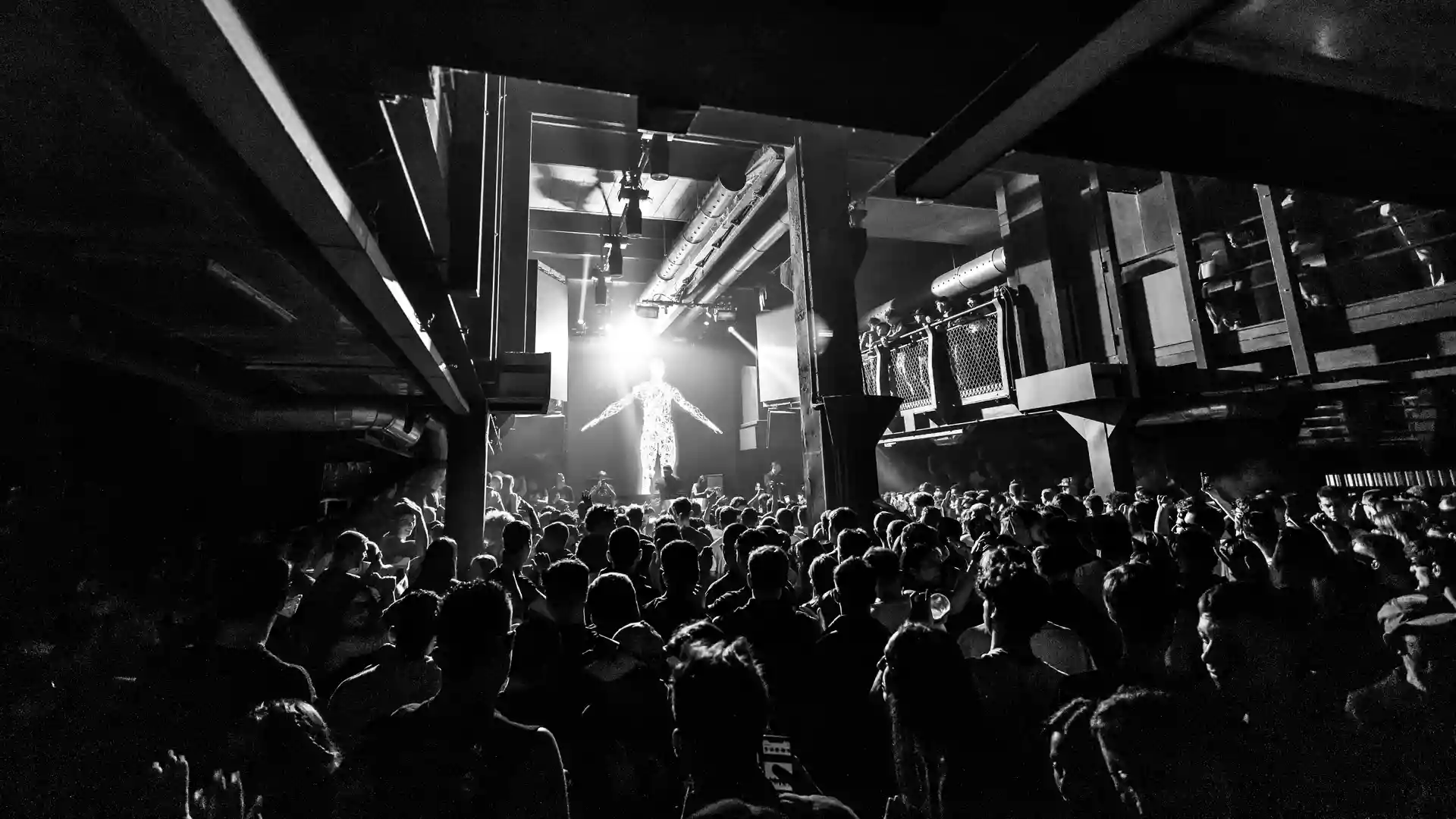
If you've never seen Massive Attack before, it's easy to imagine a chilled, almost ambient show. In reality, their gigs hit like a system shock. The bass is physical, the screens are confrontational, and the setlists are built like a slow, spiraling ascent instead of a quick-fire hit parade.
Recent tours have followed a rough emotional arc that fans expect to continue. Early in the night, they favor mood-setters: deeper cuts like Risingson, Eurochild, or Mezzanine tracks that drag you into that shadowy, paranoid headspace. From there, the tension builds through Inertia Creeps, Angel and older tracks like Daydreaming and Safe From Harm—songs that carry that unmistakable Bristol blend of dub weight and hip-hop swagger.
The middle of the show is where Massive Attack tend to play with expectations. Depending on guest vocalists and touring collaborators, you might get spectral, slow-motion takes on Teardrop or Black Milk, or darker, reworked versions of songs that originally felt more mellow on record. They are not afraid to deform their own catalog: adding harsher synth textures, stripping arrangements down to drum and bass, or stretching intros and outros until the crowd is suspended in a loop.
There are also the more rhythm-forward moments that lock the whole room into motion: Karmacoma and Man Next Door always turn into communal experiences, where you can feel how many different generations of fans have claimed these songs as their own. And then there are the late-set gut punches—Group Four, Live With Me, Splitting the Atom—that leave you standing in the dark, processing whatever just happened on those screens.
Speaking of screens: Massive Attack shows are as much about visuals as they are about sound. In previous tours, they've used towering LED rigs to flash statistics about climate change, migration, surveillance, and inequality, often tailored to the city or country they're playing in. One moment you're immersed in swirling, abstract shapes; the next, the screen is screaming real-time facts about CO2 emissions or corporate lobbying. It's not background decoration—it's the point.
Expect any upcoming tour to double down on that angle. The tech has evolved, and so has the data. With the band’s long-running commitment to environmental issues, there's every chance the visuals will integrate live information about a city's air quality, energy mix, or climate policies, thrown up alongside footage and graphics that echo the mood of the songs. If you're used to arena pop shows with pre-programmed fluff, a Massive Attack set feels almost confrontational in its honesty.
Sonic-wise, the band’s live mix is traditionally heavy but incredibly clean. The kick and sub-bass sit right at the edge of what a venue can handle without falling apart. Guitars and live drums, when used, cut through the fog of samples and synths. Vocals—whether from long-time collaborators or guest singers—float just above the chaos, never over-sung, always slightly ghostly. For fans used to listening on headphones at night, hearing tracks like Unfinished Sympathy or Protection bloom into a full sound system is a milestone moment.
Setlist-wise, it's smart to expect a core backbone of Blue Lines, Protection and Mezzanine essentials, surrounded by later material and the odd curveball. Massive Attack rarely play only the obvious songs, and they sometimes use new arrangements or interludes to stitch tracks together. That means Shazam gets a workout, and long-term fans get those "wait, is this…" moments when a deep cut suddenly emerges from an extended intro.
What the web is saying:
Rumor Mill: What Fans Are Speculating
On Reddit, Discord and TikTok, Massive Attack fans are basically running their own detective agency right now. Threads pick apart every tiny update to the official website, especially the live page. If a placeholder appears, a font changes or a region label pops up, you can guarantee someone will screenshot it, zoom in, and ask, "Did they just confirm a tour?"
One recurring theory: a tightly curated run of shows tied either to a landmark album anniversary or to a new body of material. Given how important records like Blue Lines and Mezzanine are to the band's legacy, fans keep floating ideas like "full album" performances, or at least setlists heavily weighted toward a specific era. At the same time, there's caution in the fanbase—people acknowledge that Massive Attack rarely do anything as obvious as a nostalgia tour. If they celebrate an anniversary, it’ll likely be folded into a larger conceptual show.
Another hot topic is ticket pricing. Recent years have seen major debates around dynamic pricing and fees, especially for big acts playing arenas. In discussions about a potential Massive Attack tour, fans are hoping the band will push for more transparent, less exploitative pricing and maybe even smaller venues where possible. Screenshots of past ticket stubs regularly appear in comment threads, with people comparing how accessible the shows used to be versus what they're bracing for now.
TikTok, unsurprisingly, is where the emotional side of the speculation lives. Clips of live performances from older tours—grainy phone videos of Teardrop dropping into silence, or the audience losing it when the bass hits on Angel—carry captions like "If Massive Attack tour again, I'm selling a kidney" or "Need to hear this live at least once before I die." Younger listeners are discovering the band through edits, especially moody scenes synced to Teardrop, Paradise Circus or Unfinished Sympathy, and then jumping into the comments begging for tour news.
Some of the more speculative Reddit posts go further, linking potential live shows with the band’s political and environmental work. Massive Attack have already collaborated with scientists and climate organizations, and there's a theory that future tours could double as awareness platforms: low-carbon touring experiments, venue-specific environmental data in the visuals, or partnerships with local climate groups at each stop. For fans who see the band as more than just music, that idea has serious appeal.
There are also whispers about who might join them onstage vocally. Long-time collaborators and iconic voices associated with Massive Attack are a huge part of the mythology. Whenever a vocalist posts a studio selfie, a cryptic caption, or a shot from Bristol on Instagram, fans immediately speculate: "Are they rehearsing with Massive Attack?" Even without solid evidence, the idea of surprise guest appearances keeps the rumor mill spinning. People are already building imaginary setlists in comment sections, arguing over which voices they have to hear on certain songs.
Not all debate is dreamy, though. There are threads worrying about accessibility—both financial and physical. Massive Attack attract an audience that spans ages and backgrounds. Fans are asking for seated options, clear policies on strobe and intense visuals, and strong communication from venues. Those concerns sit alongside excitement; they don't cancel it out, but they show how much people want these shows to feel inclusive.
Put all of that together and you get a fandom that's doing what Massive Attack themselves often do: combining emotion, politics, nostalgia and future-thinking into one restless conversation. Until official announcements land on the live page, that conversation is where the band mainly exists—in speculation, in memories of past gigs, and in hopeful planning for nights that haven't been confirmed yet but already live in people's heads.
Key Dates & Facts at a Glance
- Official live updates: Massive Attack publish confirmed shows and festival appearances via their official live hub: massiveattack.co.uk/live.
- Origin: Massive Attack formed in Bristol, UK, emerging from the Wild Bunch soundsystem scene in the late 1980s.
- Debut album: Blue Lines was released in 1991 and is widely considered one of the defining records of trip-hop and modern electronic music.
- Key follow-up albums: Protection dropped in 1994, and Mezzanine arrived in 1998, pushing the project toward darker, more industrial territory.
- Visual reputation: The band is known for politically charged live visuals, often referencing climate change, surveillance, war and corporate power.
- Core members: The project’s key creative forces are Robert "3D" Del Naja and Grant "Daddy G" Marshall, alongside a rotating cast of collaborators.
- Signature tracks: Fan favorites that repeatedly surface in setlists include Teardrop, Unfinished Sympathy, Angel, Karmacoma, Safe From Harm and Protection.
- Political and climate focus: Massive Attack have publicly supported climate research, campaigned on environmental issues and used their shows to highlight data and activism.
- Global fanbase: The group retain strong followings in the UK, across Europe and in North America, with growing discovery among Gen Z via streaming and social platforms.
- Tour rumor hotspots: Online discussion often centers on potential dates in Bristol, London, Manchester, New York, Los Angeles, Berlin, Paris, Amsterdam, Barcelona and major summer festivals.
FAQ: Everything You Need to Know About Massive Attack
Who are Massive Attack, and why do people care so much about their live shows?
Massive Attack are a pioneering electronic collective from Bristol, UK, often mentioned alongside Portishead and Tricky as foundational to what people started calling "trip-hop" in the 1990s. But that label barely covers it. Their sound fuses hip-hop beats, dub bass pressure, post-punk mood, soul vocals and cinematic atmospheres. Albums like Blue Lines, Protection and Mezzanine shaped how a whole generation thought music could feel—intimate and political at the same time.
Their live shows matter because they translate that mood into a full-body experience. It's not just about hearing the records louder. The band reworks songs, brings in live drums and guitars, and designs visuals that comment on the world outside the venue. For many fans, seeing Massive Attack once is enough to turn them into "If they tour, I travel" people. The gigs feel rare, deliberate and emotionally heavy, which is part of why a potential new run of dates has so much weight.
What kind of venues do Massive Attack usually play?
Massive Attack tend to land somewhere between cult heroes and full-on festival headliners. In Europe and the UK, they've played everything from big indoor arenas and outdoor amphitheatres to curated festival slots with control over staging and sound. They lean toward spaces that can handle serious production: large stages for LED walls, strong PA systems, and room to experiment with lighting and projection.
When they play festivals, they're often given late-night or headline-adjacent slots, where the darker, bass-heavy mood makes sense. For club and theatre shows, the focus is on detail: how the visuals wrap around the room, how the sub-bass behaves, how to keep the vibe tense without losing clarity. Fans hoping for intimate 300-capacity gigs might be dreaming, but mid-size theatres and open-air spaces are very much in their historical comfort zone.
What songs are basically guaranteed if Massive Attack tour again?
No setlist is truly guaranteed, but some songs are so tied to the band’s identity that dropping them would cause chaos in the comments the next day. Teardrop is the obvious one—its mixture of fragile melody and weighty beats has turned it into a generational touchstone. Unfinished Sympathy is another near-essential, with its orchestrated sweep and emotional punch. Live, it often becomes a release moment, when the tension built over an hour finally spills over.
Angel is almost always there, frequently positioned as a turning point in the set when everything gets darker and louder. Safe From Harm, Karmacoma and Inertia Creeps are also high on the "likely" list, rotating in and out depending on the shape of the tour and who's on vocals. Beyond that, the band like to balance eras, so you can expect representation from multiple albums, not just one "greatest hits" block.
How political are Massive Attack shows really?
Very—though not in a preachy, spoken-word-from-the-mic way. Instead, politics are coded into the visuals and the curation. Past tours have included scrolling statistics about surveillance, refugee crises, climate breakdown and corporate concentration of power. Cities have been called out by name, with local data—on emissions, inequality, or policy failures—flashed up on screens while the music plays.
For some fans, that's a key part of the appeal: you're not just going to vibe, you're going to be reminded that the world outside the venue is on fire, even as you escape into sound. For others, it can be intense or uncomfortable. But that tension is part of what makes Massive Attack who they are. They treat the live show as a space where aesthetics and reality collide, not something sealed off from the news cycle.
Where should fans look for the most reliable tour information?
The single most important place is the official live hub: massiveattack.co.uk/live. That's where confirmed dates, venues and ticket links appear. Anything not mirrored there—no matter how slick the graphic or how viral the tweet—is, by definition, not official.
After that, watch the band’s verified social channels and trusted ticketing partners. Reddit, TikTok and fan-run accounts are amazing for catching whispers early, but they also recycle outdated posters and speculative "leaks." A good rule: use social chatter to get excited, but only commit your travel money once the live page lists the show.
When is the "best" time in a Massive Attack show to arrive?
This is one of those bands where you don't want to miss the opening. The first 10–15 minutes are usually designed as an immersion: dark stage, slow-building visuals, an opening track that sets a tone rather than chases a cheap sing-along. Arriving late means losing the narrative arc they build across the night.
If there are support acts—and historically, Massive Attack have chosen interesting openers from electronic, experimental or left-field pop scenes—it's worth checking who they are. Some fans treat the whole night as a curated bill rather than a headliner-plus-afterthought situation. With a band this intentional, even the walk-in music and lighting choices feel considered.
Why does everyone say Massive Attack are such a "bucket list" live act?
Because they operate at a crossroads most artists never quite reach. The music is emotionally resonant enough to pull in casual listeners who only know a few songs, but complex enough for deep heads to obsess over details. The visuals are bold enough to go viral as clips, but rooted in real-world issues. And the shows themselves are infrequent and carefully staged, which adds to the sense of occasion.
For fans who grew up in the 90s, seeing Massive Attack live can feel like closing a loop with a younger version of themselves. For younger fans discovering them now, it's like being handed a key to a part of music history that still feels contemporary, not museum-like. That mix of rarity, intensity and emotional depth is why any hint of new tour dates triggers such a strong reaction—and why watching the official live page has basically become a ritual in itself.