Live Nation Entertainment stock (US5380341090): DOJ antitrust lawsuit puts live events giant under pressure
19.05.2026 - 01:36:45 | ad-hoc-news.de
The regulatory spotlight on Live Nation Entertainment has intensified after the US Department of Justice (DOJ) and several US states filed a sweeping antitrust lawsuit against the live events group and its Ticketmaster unit in late May 2024, accusing the company of illegally maintaining a monopoly in the live entertainment industry, according to US Department of Justice as of 05/23/2024 and coverage by Reuters as of 05/23/2024.
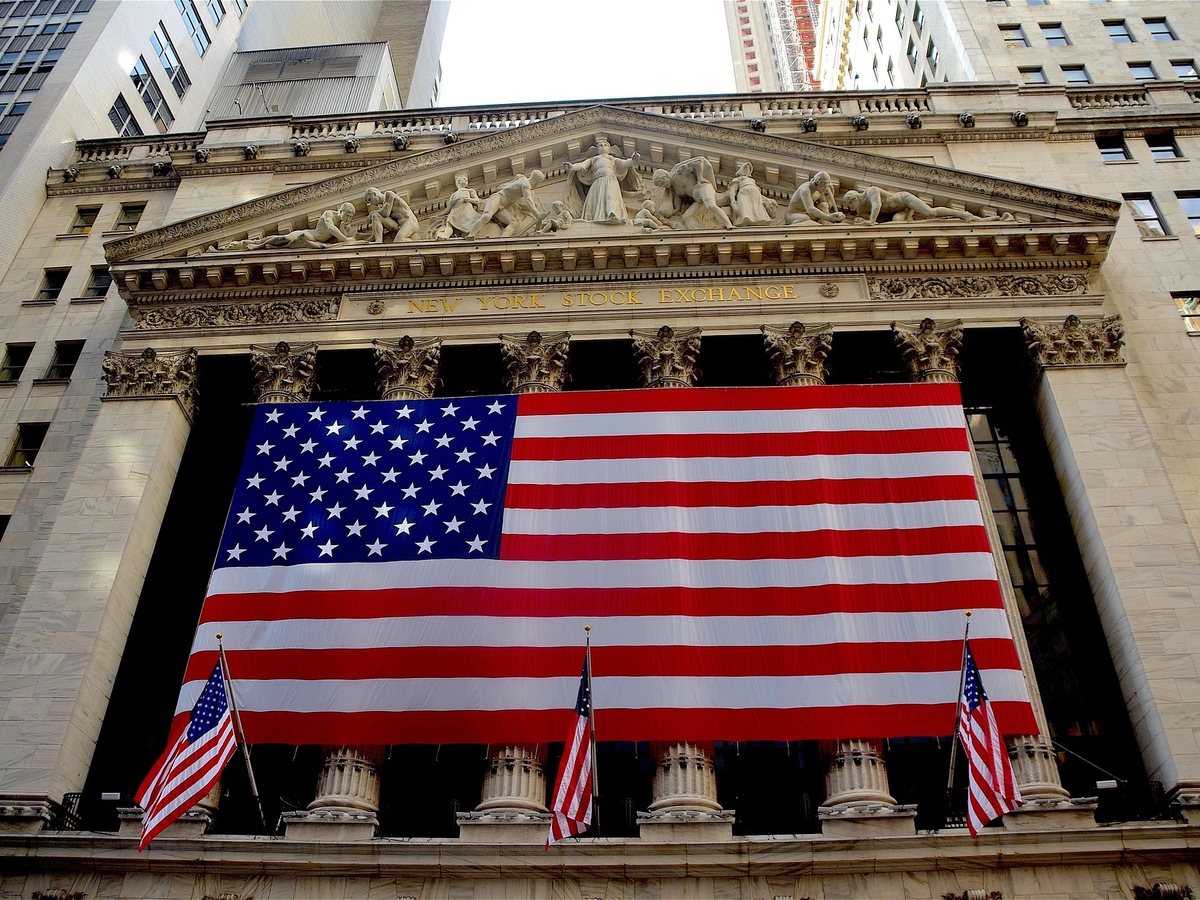
In the wake of the lawsuit announcement, Live Nation Entertainment’s share price reacted sharply, with the stock dropping intraday on the New York Stock Exchange as investors reassessed the regulatory risk around the company’s integrated model of concert promotion, ticketing and venue operations, according to market data reported by Reuters as of 05/23/2024.
As of: 19.05.2026
By the editorial team – specialized in equity coverage.
At a glance
- Name: Live Nation
- Sector/industry: Live entertainment and ticketing
- Headquarters/country: Beverly Hills, United States
- Core markets: North America, Europe, selected global markets
- Key revenue drivers: Concert promotion, ticketing fees, sponsorship and advertising
- Home exchange/listing venue: New York Stock Exchange (ticker: LYV)
- Trading currency: US dollar (USD)
Live Nation Entertainment: core business model
Live Nation Entertainment operates one of the world’s largest integrated platforms for live music and events, combining concert promotion, ticketing and venue management under one corporate umbrella. The company emerged from a 2010 merger of Live Nation and Ticketmaster and has since expanded its global footprint through organic growth and acquisitions, according to company background information in its annual filings published on 02/22/2024 for fiscal year 2023 as reported by SEC filing as of 02/22/2024.
The group is broadly structured into three main segments: Concerts, Ticketing and Sponsorship & Advertising. The Concerts business organizes and promotes tours and events for global and local artists, while the Ticketing unit – most prominently Ticketmaster – sells tickets for both Live Nation events and third-party venues. The Sponsorship & Advertising segment monetizes brand partnerships, naming rights and digital inventory associated with these live experiences, according to segment descriptions from the company’s 2023 annual report published on 02/22/2024 by Live Nation investor materials as of 02/22/2024.
Live Nation’s strategic positioning is built around scale, data and an integrated network of artists, venues and fans. By controlling a significant portfolio of venues and having long-term relationships with top touring artists, the company seeks to secure attractive content, while its ticketing platform aims to maximize seat utilization and monetization through dynamic pricing and ancillary fees. This combination has helped Live Nation capture a large share of the global live entertainment value chain, particularly in North America, as highlighted in the company’s 2023 10-K filing published on 02/22/2024 by SEC filing as of 02/22/2024.
Main revenue and product drivers for Live Nation Entertainment
On the revenue side, the Concerts segment has historically generated the majority of Live Nation’s top line, driven by ticket sales, on-site spending and related revenue from festivals, arena shows and club tours. In its 2023 annual report for the year ended 12/31/2023, Live Nation reported double-digit growth in concert attendance versus the prior year, supported by strong demand for large-scale tours and festival events, according to figures published on 02/22/2024 by Live Nation press release as of 02/22/2024.
The Ticketing segment, anchored by Ticketmaster, is a key profit driver through service charges, processing fees and other ticket-related revenue. The platform not only sells tickets for Live Nation–promoted events but also for third-party sports teams, theaters and independent venues, widening the addressable market. In 2023, the company highlighted record levels of ticketing gross transaction value and growth in digital ticket adoption, according to the same full-year 2023 report and press release published on 02/22/2024 by Live Nation press release as of 02/22/2024.
The Sponsorship & Advertising division leverages Live Nation’s reach and data insights to craft brand partnerships both on-site and digitally. Sponsors may secure naming rights for venues, access to festivals and tours, or integrated campaigns across Live Nation’s digital channels. This segment is generally less capital-intensive than venue ownership and can carry comparatively high margins, especially when combined with data-driven targeting and cross-platform campaigns, according to segment commentary from the company’s 2023 10-K filed on 02/22/2024 by SEC filing as of 02/22/2024.
Beyond these core segments, the company also depends on ancillary revenue streams such as food and beverage sales at venues, merchandise, VIP packages and parking. These add-ons can materially impact profitability on a per-event basis, especially in larger amphitheaters and arenas where Live Nation controls more of the on-site ecosystem. For investors, the mix of recurring sponsorship income and event-driven revenue creates a business that can benefit from strong consumer demand for experiences, but may also be sensitive to economic slowdowns or shifts in entertainment spending, as discussed in risk factors in the 2023 annual report published on 02/22/2024 by Live Nation investor materials as of 02/22/2024.
Regulatory pressure: DOJ antitrust lawsuit against Live Nation Entertainment
The antitrust lawsuit filed by the US Department of Justice in May 2024 represents a central overhang for Live Nation Entertainment. The complaint alleges that Live Nation and Ticketmaster used exclusionary practices to maintain a dominant position in live events and ticketing, potentially harming competition, artists and fans, according to the detailed filing made public on 05/23/2024 by US Department of Justice as of 05/23/2024.
Among other points, the DOJ claims that Live Nation allegedly leveraged long-term venue contracts, threats of withholding tours and preferential treatment to reinforce its position, while also raising concerns about ticketing fees and transparency. The lawsuit seeks structural remedies, which could potentially include a separation of Ticketmaster from the broader Live Nation group, according to reporting from Reuters as of 05/23/2024.
Live Nation has rejected the DOJ’s allegations, arguing that the live entertainment market is competitive and that it does not set ticket prices, which are typically determined by artists and their teams. The company also contends that service fees are often shared with venues and other partners, and it has stated that a breakup would not address consumer complaints around pricing or availability. These points were highlighted in the company’s public response and FAQ on the lawsuit published in late May 2024 on its website, according to reporting summarized by CNBC as of 05/23/2024.
For investors, the key questions revolve around the timeline, potential outcomes and knock-on effects of the case. Antitrust litigation can take years to resolve, and possible scenarios range from a negotiated settlement with conduct remedies to more far-reaching structural changes. During this period, Live Nation may face constraints on its contracting practices, additional compliance costs and reputational scrutiny, all of which could influence margins or growth initiatives, as suggested by legal experts interviewed in coverage by Bloomberg as of 05/23/2024.
Financial performance backdrop: Live Nation Entertainment’s latest results
Against this regulatory backdrop, Live Nation’s financial performance provides important context. For the full year 2023, the company reported record revenue and attendance, continuing the strong rebound in live events following the pandemic. Live Nation posted 2023 revenue of approximately $22.7 billion, an increase versus 2022, with operating income and adjusted operating income also growing year over year, according to its full-year 2023 results released on 02/22/2024 by Live Nation press release as of 02/22/2024.
On a quarterly basis, Live Nation’s 2023 fourth-quarter performance showed continued strength in ticket sales and sponsorships, though seasonality and event timing always play a role in quarterly comparisons. Management emphasized a robust pipeline of tours for 2024 and signaled that early ticket sales for major shows remained strong, indicating ongoing consumer appetite for live experiences, as noted in commentary on the Q4 2023 earnings release published on 02/22/2024 by Live Nation press release as of 02/22/2024.
The company’s balance sheet metrics and leverage are also part of the investment debate. Live Nation carries debt related to its venue portfolio and acquisitions, and it manages event-related working capital that can fluctuate depending on the timing of tours and ticket sales. In its 2023 10-K, the company discussed interest rate risk and liquidity management, noting that it had access to revolving credit facilities and cash on hand to support operations and growth initiatives, according to disclosure in the filing published on 02/22/2024 by SEC filing as of 02/22/2024.
Looking at profitability, margins can vary significantly across segments. Concert promotion often runs on relatively thin margins due to artist guarantees and production costs, while ticketing and sponsorships typically generate higher margins thanks to the digital and contractual nature of those revenue streams. Live Nation’s 2023 results showed that growth in high-margin sponsorship and ticketing helped support overall profitability, although rising costs for production, labor and security were also noted as pressure points, as highlighted in management’s discussion and analysis in the 2023 annual report released on 02/22/2024 by Live Nation investor materials as of 02/22/2024.
Why Live Nation Entertainment matters for US investors
For US-focused investors, Live Nation is a prominent play on consumer spending in experiences, particularly concerts and live entertainment. The company’s listing on the New York Stock Exchange under the ticker LYV ensures high visibility in US equity portfolios, especially in sectors related to media, entertainment and travel. Live Nation’s revenue base is heavily skewed toward North America, making it sensitive to trends in US discretionary income, consumer confidence and tourism flows, as indicated by geographic revenue breakdowns in its 2023 10-K filed on 02/22/2024 by SEC filing as of 02/22/2024.
The company also provides indirect exposure to major global music trends and the touring industry. When superstar artists embark on large-scale tours, Live Nation can benefit through ticketing, promotion and venue economics, tying its fortunes partly to the health of the recorded music and artist management ecosystems. This connection to high-profile events can translate into share price volatility around tour announcements, ticketing controversies or changes in consumer sentiment, as illustrated by market reactions to previous high-demand tours covered in media reports such as Wall Street Journal as of 11/15/2023.
US investors also track Live Nation from a regulatory and political angle. Ticketing practices, including service fees and presales, have been discussed in US Congress, adding a layer of policy risk that is relatively unique within the consumer discretionary space. Hearings and proposed legislation on ticketing transparency and competition could shape how the company structures its fees and relationships with venues, which in turn could impact unit economics over time, as highlighted during Senate hearings on ticketing competition reported by New York Times as of 01/24/2023.
Risks and open questions around Live Nation Entertainment
Beyond the DOJ lawsuit, Live Nation faces several broader risks that investors often consider. One is macroeconomic sensitivity: live events can be discretionary spending, and a significant downturn in the US or global economy could weigh on ticket demand, sponsorship budgets and on-site consumption. While the post-pandemic period demonstrated a strong rebound and even “revenge spending” on experiences, it is unclear how demand would evolve in a prolonged period of slower growth or higher unemployment, as economists have cautioned in discussions about consumer behavior reported by Bloomberg as of 10/02/2023.
Another risk is operational complexity. Managing thousands of events, venues and partnerships globally can create exposure to logistical challenges, safety incidents, weather-related disruptions and local regulatory requirements. These factors can influence event profitability and occasionally lead to cancellations or rescheduling. Live Nation’s risk section in its 2023 10-K, published on 02/22/2024, notes that adverse events at venues, including security or crowd control issues, could affect the brand and lead to legal claims, as described in the filing by SEC filing as of 02/22/2024.
Lastly, technological and competitive risks play a role. While Ticketmaster is a large platform, alternative ticketing solutions and resale marketplaces continue to evolve, and artists or venues might explore direct-to-fan models over time. At the same time, regulators and consumers are focusing more on dynamic pricing and fee transparency, which could change industry norms. Investors will likely watch how Live Nation adapts its product offerings and communication to maintain relevance and trust among both artists and fans, as explored in industry analyses from trade publications such as Pollstar as of 12/05/2023.
Read more
Additional news and developments on the stock can be explored via the linked overview pages.
Conclusion
Live Nation Entertainment stands at the intersection of strong structural demand for live experiences and mounting regulatory scrutiny of its market power. The company’s integrated model across concert promotion, ticketing and sponsorships has produced record revenue and attendance in recent years, but it is now being tested by the DOJ’s antitrust lawsuit and ongoing political debate around ticketing practices. For US investors, Live Nation offers exposure to the live entertainment cycle and consumer spending on experiences, balanced against legal, regulatory and macroeconomic uncertainties that could shape its business model and valuation over the coming years.
Disclaimer: This article does not constitute investment advice. Stocks are volatile financial instruments.
So schätzen die Börsenprofis Live Nation Aktien ein!

Für. Immer. Kostenlos.