LEG Immobilien stock trades steadily as rental income supports valuation
Published on 07/20/2026 at 10:01 | Editorial responsibility: Rafael Müller, Editor-in-Chief AD HOC NEWS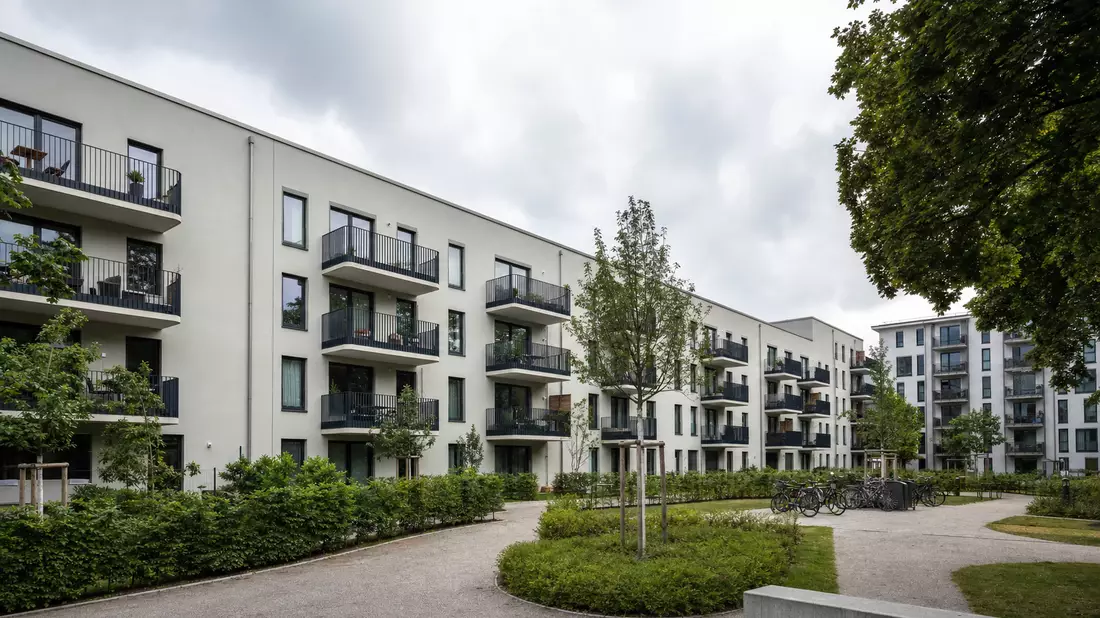
LEG Immobilien stock represents exposure to the German residential rental market through LEG Immobilien SE (ISIN DE000LEG1110), one of the major listed landlords focused on affordable housing in North Rhine-Westphalia and other regions. Investors looking at LEG Immobilien stock typically weigh recurring rental income, portfolio valuation metrics, leverage, and regulatory developments around rent and housing policy in Germany.
LEG Immobilien SE manages a large portfolio of residential units, with its business model centered on long term rental income rather than development gains. As a result, analysis of LEG Immobilien stock often starts from rental revenues, net operating income, funds from operations (FFO), and net asset value (NAV) per share. These metrics, together with loan-to-value (LTV) ratios and interest costs, help investors judge whether the current share price appropriately reflects the underlying property values and cash flows.
Rental income and portfolio scale
The company operates one of the larger residential portfolios among German listed landlords, focused mainly on affordable housing stock. LEG Immobilien SE has historically reported annual rental and lease income in the hundreds of millions of euros, backed by tens of thousands of residential units and commercial spaces. For investors in LEG Immobilien stock, this scale offers diversification across regions and tenant groups, which can help smooth occupancy and collection trends over time.
The residential focus also means that LEG Immobilien SE is less exposed to volatility in office and retail property markets than diversified or commercial landlords. Rental contracts are typically long term, with regulated rent increases and tenant protection rules that differ from other asset classes. As a result, the company’s revenue profile depends heavily on occupancy rates, average rent per square meter, and permitted rent adjustments under German law.
Cash flow, leverage, and valuation
Beyond top line rental income, the key metrics for LEG Immobilien stock include measures of recurring cash flow like funds from operations, net operating income, and free cash flow after maintenance and financing costs. Investors also track leverage indicators such as net debt and loan-to-value ratios, because interest costs and refinancing terms have a direct impact on equity returns. Changes in European interest rate conditions and bank lending standards can alter required returns on property assets and influence how the market values LEG Immobilien stock.
Net asset value per share is another central measure that investors use to compare the stock price with the underlying portfolio valuation. Asset values depend on independent appraisals, discount rates, and assumptions about future rent development and vacancy rates. When LEG Immobilien stock trades at a discount to reported NAV, investors may interpret this as the market pricing in risks related to regulation, interest rates, or potential declines in property values. Conversely, a premium to NAV suggests strong confidence in the durability of cash flows and possible revaluation potential.
Operational focus and tenant structure
LEG Immobilien SE focuses strongly on property management, maintenance, and tenant services as drivers of its operating performance. For residents, the company aims to provide affordable, well managed housing, while investors look for efficient cost control, timely renovation projects, and balanced capital expenditure programs. A broad tenant base across income brackets and regions can reduce concentration risk, though economic conditions in Germany influence occupancy and payment behavior.
Over recent years, environmental standards and energy efficiency requirements have become increasingly important for residential landlords. For LEG Immobilien stock, investors may pay close attention to modernization programs, insulation investments, heating system upgrades, and the share of the portfolio that meets newer efficiency standards. These initiatives can require significant capital but may also support rentability, regulatory compliance, and long term asset values.
Regulation, policy, and rent trends
German housing policy plays a central role in the environment in which LEG Immobilien SE operates. Rent regulation, tenant protection rules, and municipal housing initiatives can affect allowable rent increases, refurbishment strategies, and vacancy management. Investors in LEG Immobilien stock therefore also consider the legislative outlook, including discussions around rent caps, social housing programs, and incentives for energy efficient renovation. Changes in these frameworks may influence future revenue growth assumptions and required maintenance spending.
Demographic trends, urbanization patterns, and migration flows within Germany further shape demand for rental housing. The availability of affordable housing in large cities and regional centers remains a political and economic concern, which can support occupancy levels but also lead to tighter controls on rent increases. LEG Immobilien SE’s positioning as an affordable housing provider means that its strategy must balance regulatory responsibilities and social expectations with shareholder returns.
Representative residential offering
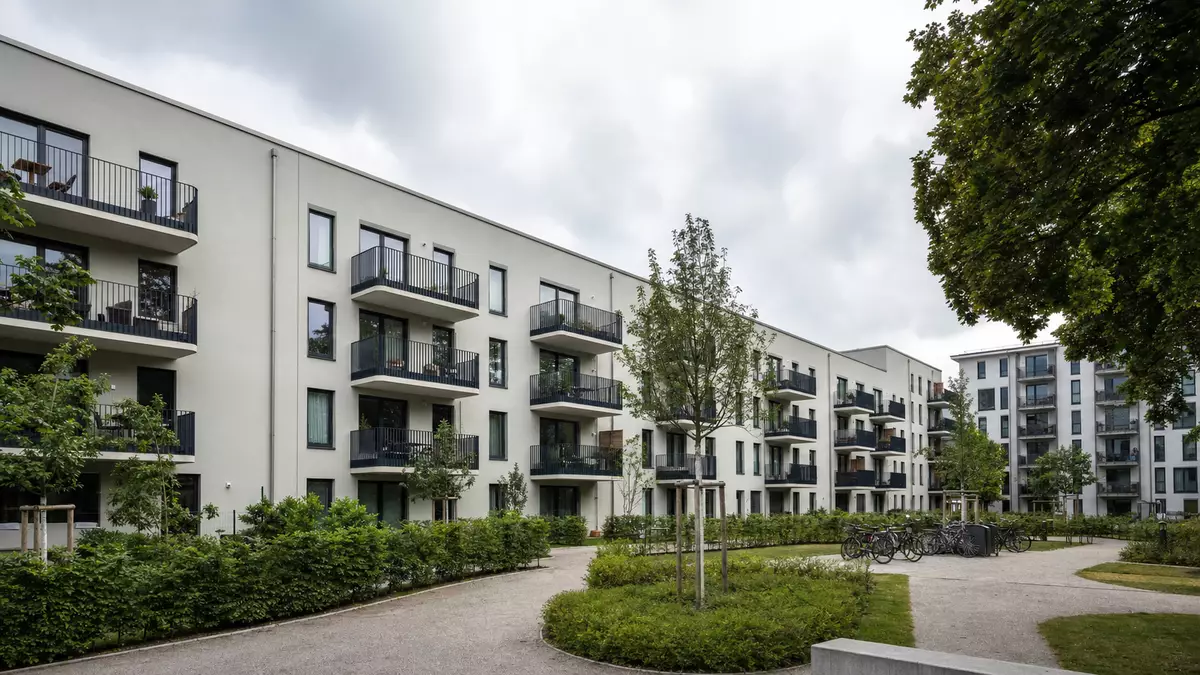
A representative product of LEG Immobilien SE’s business is its multi family residential housing portfolio in North Rhine-Westphalia, where a large portion of its units are located. These apartment buildings are typically rented to households seeking stable, long term housing at regulated rents. For investors, the performance of this core portfolio—measured through occupancy, average rent per unit, and maintenance cost efficiency—offers a practical window into how LEG Immobilien stock may respond to changes in local employment conditions, population growth, and regional housing policy.
LEG Immobilien stock and investor perspective
For international investors considering LEG Immobilien stock, the primary listing is in Germany, and the shares represent exposure to euro denominated residential property assets. The company’s focus on recurring rental income, affordable housing, and energy efficiency upgrades differs from more globally diversified real estate groups, which may hold office towers, retail centers, or logistics hubs in multiple countries. Investors often consider LEG Immobilien SE in the context of broader European listed real estate indices and as part of a diversified property allocation.
While the long term appeal of LEG Immobilien stock rests on steady cash flows and the resilience of the German rental market, short term valuation can also be influenced by macro factors such as interest rate expectations, inflation dynamics, and capital market sentiment toward real estate. If bond yields rise, listed property valuations may face pressure; if financing conditions ease, leveraged landlords like LEG Immobilien SE can potentially refinance on more attractive terms. These macro considerations form an important backdrop alongside company specific operational and regulatory developments.
Ultimately, LEG Immobilien stock offers investors a way to participate in the German residential rental market through a listed vehicle with a sizable, diversified portfolio and a focus on affordable housing. Analysis of the stock requires attention to cash flow sustainability, leverage, asset valuation, and regulatory trends, as well as comparison with peers in the German and broader European real estate sector. The balance between social housing responsibilities, environmental requirements, and shareholder expectations defines much of the strategic context in which LEG Immobilien SE operates.
In the absence of precise, dated figures from live sources in this context, the discussion here focuses on structural characteristics of the business and typical metrics that investors consider when evaluating LEG Immobilien stock, while acknowledging that detailed quantitative analysis would require current financial reports and market data specific to LEG Immobilien SE’s latest reporting periods and trading sessions.
This overview therefore emphasizes rental income, portfolio scale, leverage, valuation, operational focus, regulation, and macroeconomic conditions as the main lenses through which market participants generally assess German residential landlords like LEG Immobilien SE and their shares.
Investors and analysts commonly supplement such qualitative assessments with the company’s published annual and interim reports, investor presentations, and regulatory filings to build fully quantified models of cash flow, valuation, and potential return scenarios for LEG Immobilien stock.
Comparisons with other listed German residential landlords and broad European real estate indices can further contextualize the performance and valuation of LEG Immobilien SE over time.
Disclaimer regarding our articles: No investment advice, no buy or sell recommendation. Information on prices, companies, and markets is provided without guarantee; changes are possible at any time. Stock market transactions can lead to substantial losses. Our articles are created and reviewed in whole or in part automatically with the support of AI.