Kroger Co. stock (US5010441013): Analyst sentiment and valuation in focus after fresh institutional buying
Published on 05/21/2026 at 07:13 | Editorial responsibility: Rafael Müller, Editor-in-Chief AD HOC NEWS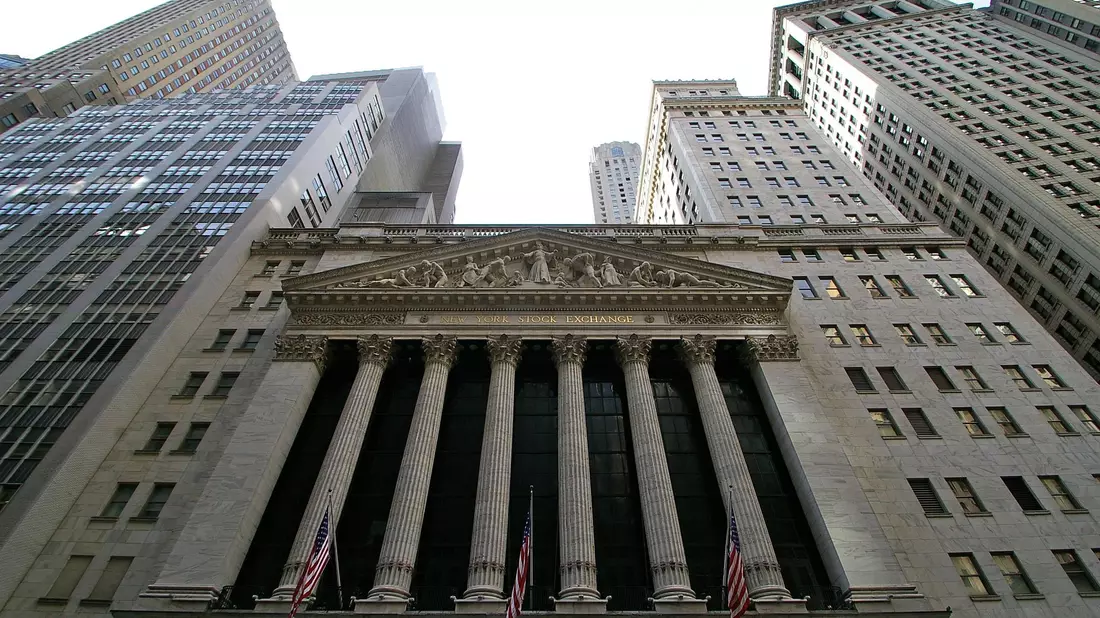
Kroger Co. stock has drawn fresh attention after new institutional buying and updated analyst data on the US grocery chain. According to a filing summary reported on May 20, 2026, the North Dakota State Investment Board initiated a roughly $1.30 million position in Kroger, highlighting continued interest from long?term investors, as noted by MarketBeat as of 05/20/2026. On the same day, a separate overview showed that 16 brokerages currently rate the stock a “Moderate Buy” with an average 12?month price target around 74.87 USD, according to MarketBeat as of 05/20/2026.
As of: 21.05.2026
By the editorial team – specialized in equity coverage.
At a glance
- Name: Kroger Co.
- Sector/industry: Food retail, supermarkets, grocery e-commerce
- Headquarters/country: Cincinnati, United States
- Core markets: US supermarket and grocery market
- Key revenue drivers: In?store grocery sales, private label brands, fuel and pharmacy services, digital and delivery
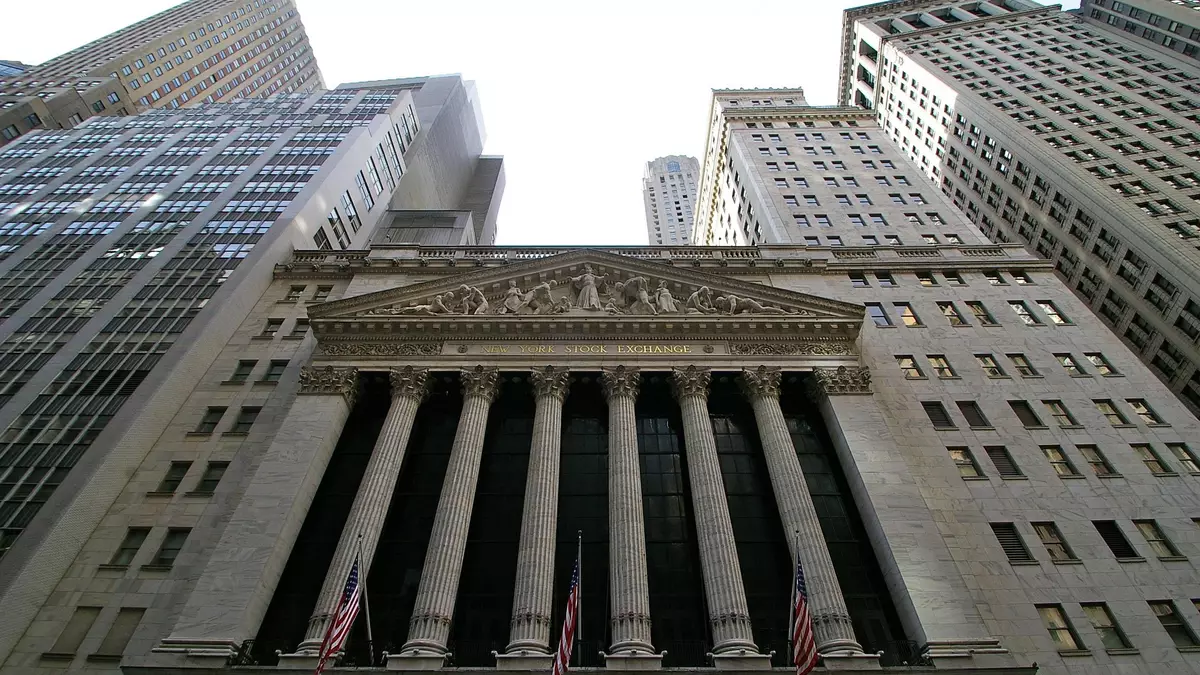
- Home exchange/listing venue: New York Stock Exchange (ticker: KR)
- Trading currency: US dollar (USD)
Kroger Co.: core business model
Kroger Co. is one of the largest traditional grocery retailers in the United States, operating supermarkets, multi?department stores and smaller format locations across numerous states. The company’s strategy centers on combining a broad supermarket assortment with value?oriented own brands and customer loyalty programs, creating a recurring revenue base that is less cyclical than many discretionary retail segments. With its focus on food and everyday essentials, Kroger is closely tied to US consumer spending patterns and inflation dynamics.
The retailer generates most of its sales through brick?and?mortar stores under regional banners, supplemented by fuel stations and pharmacy operations in many locations. This multi?service approach is designed to increase shopper frequency and average basket size, as customers can combine grocery, fuel and basic healthcare purchases in a single trip. For US investors, this creates an exposure profile that is heavily driven by volumes and pricing power in food, rather than by highly discretionary categories such as apparel or big?ticket electronics.
Over recent years, Kroger has also invested heavily in its digital ecosystem to support online ordering, curbside pickup and home delivery. The company partners with third?party logistics providers in some markets, aiming to improve last?mile economics while defending market share against pure?play e?commerce rivals. The integration of online and offline channels forms a core part of Kroger’s long?term model, as management seeks to keep existing customers within the ecosystem and capture incremental spend from digitally engaged households.
An additional pillar of Kroger’s business model is its emphasis on private label products, which typically offer higher margins than comparable branded goods. By expanding store brands in categories such as fresh food, packaged goods and household items, the retailer can differentiate its assortment and exert more control over pricing. This strategy tends to become especially important in inflationary periods, when consumers look for cheaper alternatives to national brands, potentially supporting Kroger’s profitability even when shoppers trade down.
Main revenue and product drivers for Kroger Co.
The lion’s share of Kroger’s revenue comes from in?store grocery sales, including fresh produce, meat, dairy and packaged foods. These categories are considered defensive since they represent non?discretionary spending for most households. As inflation and wage trends shift in the US, Kroger’s ability to maintain traffic and preserve volumes in these core food categories remains a central driver for overall performance. Promotions, loyalty programs and digital coupons are used to manage price perception and encourage repeat visits.
Complementing the grocery base, Kroger operates fuel centers at many of its stores, adding an additional revenue stream that can be significant when fuel prices are volatile. Fuel sales tend to have thin margins but can serve as a powerful loyalty tool, especially when integrated with points programs that reward frequent shopping with fuel discounts. Pharmacy and health?related services add yet another layer, giving Kroger exposure to prescription volumes and over?the?counter products, which can provide more resilience during economic downturns compared with purely discretionary retail.
Digital and e?commerce services have become a growing component of Kroger’s revenue mix. Through order?online?pickup?in?store options and home delivery in selected markets, the company is positioning itself to capture the shift in consumer behavior toward convenience and time?saving solutions. Job postings for roles such as e?commerce supervisors highlight the ongoing operational focus on scaling these services, as reflected in descriptions on Kroger’s own careers pages that emphasize managing day?to?day online order operations and meeting digital sales objectives, according to Kroger careers as of 05/2026.
Another important revenue driver is the company’s portfolio of private label brands, which includes ranges targeting value?conscious shoppers as well as more premium segments. These brands can improve gross margin and strengthen customer loyalty, because they are typically only available within Kroger’s own network. The expansion of private label into categories such as organic food and plant?based products also allows Kroger to tap into consumer trends without relying solely on external suppliers. Over time, the balance between national brands and private label offerings can materially influence profitability, especially if competition intensifies and headline price increases slow.
Official source
For first-hand information on Kroger Co., visit the company’s official website.
Go to the official websiteRecent sentiment, valuation views and stock performance
Investor sentiment around Kroger Co. has been shaped by both fundamental assessments and recent share price performance. On May 20, 2026, a valuation article highlighted that the stock had gained roughly 9.8% over the preceding week and about 14.2% over the prior three months, while trading near 70.60 USD at the time of analysis, according to GuruFocus as of 05/20/2026. Over a 52?week period, Kroger shares have moved in a range between 58.60 USD and 76.58 USD, as indicated by market data cited by MarketBeat as of 05/20/2026.
The GuruFocus analysis combined different discounted cash flow approaches and suggested an intrinsic value around 85.97 USD per share based on earnings, compared with a contemporaneous price near 71 USD, implying a margin of safety in the high?teens percentage range, according to GuruFocus as of 05/20/2026. However, the same piece pointed out that a separate valuation framework, the so?called GF Value™ measure, indicated the shares might be overvalued, leading to a mixed overall picture and a call for caution regarding long?term predictability. This underlines that valuation opinions for Kroger are not uniform and depend heavily on the underlying assumptions about future cash flows and margins.
Alongside these third?party assessments, the broader analyst community continues to see Kroger in a relatively constructive light. As of May 20, 2026, 16 brokerages covered by MarketBeat assigned Kroger an average rating of “Moderate Buy” with an aggregate 12?month target price near 74.87 USD, as reported by MarketBeat as of 05/20/2026. Individual targets and recommendations vary, but the consensus indicates that a majority of analysts do not currently view the stock as fundamentally overextended, even after its recent gains. For US retail investors, this backdrop of moderately positive analyst sentiment can serve as one data point when evaluating where Kroger sits within the broader consumer staples universe.
From a valuation standpoint, Kroger’s market capitalization and earnings multiples position it firmly among large?cap US consumer staples names. On May 20, 2026, the company’s market value was reported at about 43.28 billion USD, with a price?to?earnings ratio in the mid?40s based on trailing metrics, according to data compiled by MarketBeat as of 05/20/2026. These figures can shift with earnings updates and share price moves, so investors typically monitor forthcoming quarterly reports for any changes in guidance, margin trends or capital allocation plans that might influence valuation multiples.
Why Kroger Co. matters for US investors
For many US investors, Kroger Co. represents a large?cap exposure to the domestic food and grocery market, a segment that is often perceived as defensive relative to cyclical sectors. The company’s footprint across numerous states means its performance can reflect broader trends in US household spending, food price inflation and competitive dynamics between traditional supermarkets and online platforms. As such, Kroger can play a role in portfolios that aim to balance growth with stability, especially for investors seeking to diversify beyond technology, financials or energy.
Kroger’s relevance also stems from its position in the evolving landscape of omnichannel retail. The integration of brick?and?mortar assets with digital channels provides a test case for how established US retailers can respond to the shift toward online grocery shopping. Trends in Kroger’s digital sales, fulfillment costs and customer retention can offer insight into whether large supermarket chains can maintain or even extend their market share as consumer expectations around convenience, delivery speed and personalization continue to rise.
Finally, Kroger’s capital allocation decisions, including dividends, share repurchases and investment in store remodels or technology, are watched by income?oriented and total?return investors alike. While specific payout data and buyback figures depend on the most recent quarterly disclosures, the company’s historical willingness to return capital, combined with its defensive revenue base, has often made the stock a candidate for long?term holding strategies. Any changes in these policies, or in the competitive environment, could influence how US investors position Kroger within their consumer staples allocations.
Read more
Additional news and developments on the stock can be explored via the linked overview pages.
Conclusion
Kroger Co. stands at the intersection of defensive food retail and rapidly changing omnichannel shopping habits in the United States. Recent institutional buying and analyst data underscore that the stock remains closely followed, while valuation analyses present a nuanced picture that balances perceived upside against questions about long?term predictability. For US?focused investors, Kroger offers direct exposure to domestic grocery spending and the continued digitalization of supermarket operations. Whether the current share price adequately reflects these dynamics depends on individual risk tolerance, time horizon and views on competition, inflation and consumer behavior, making up?to?date company disclosures and market data an important reference point.
Disclaimer: This article does not constitute investment advice. Stocks are volatile financial instruments.
Disclaimer regarding our articles: No investment advice, no buy or sell recommendation. Information on prices, companies, and markets is provided without guarantee; changes are possible at any time. Stock market transactions can lead to substantial losses. Our articles are created and reviewed in whole or in part automatically with the support of AI.