KNDS IPO on Ice as Defense Sector's Valuation Crisis Spreads to Renk and KfW Entry Plan
Veröffentlicht: 11.07.2026 um 04:52 Uhr, Redaktion boerse-global.de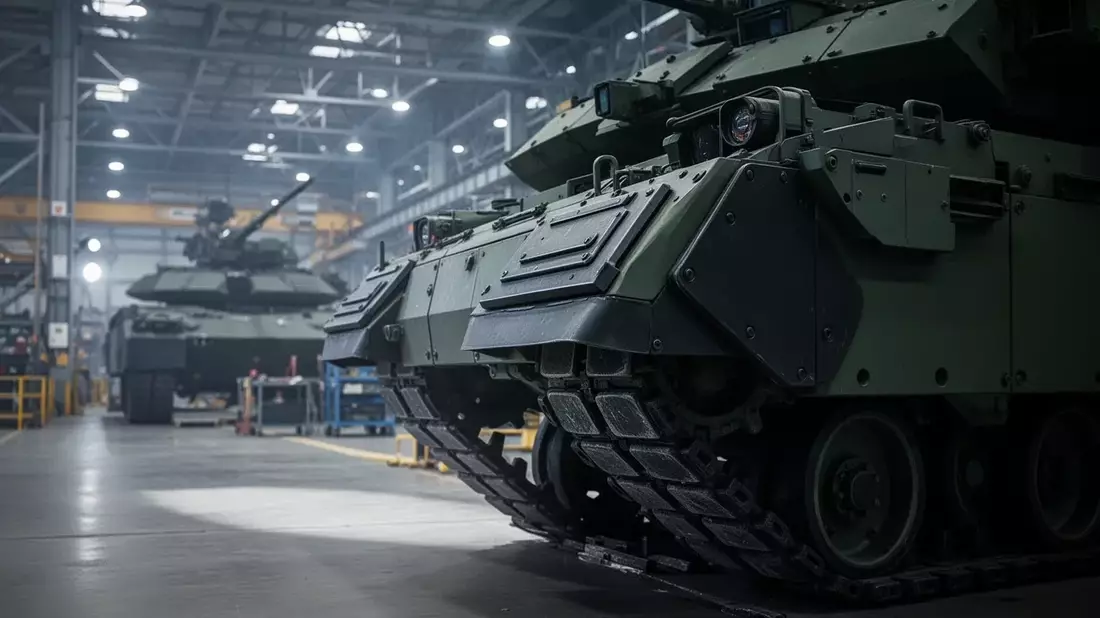
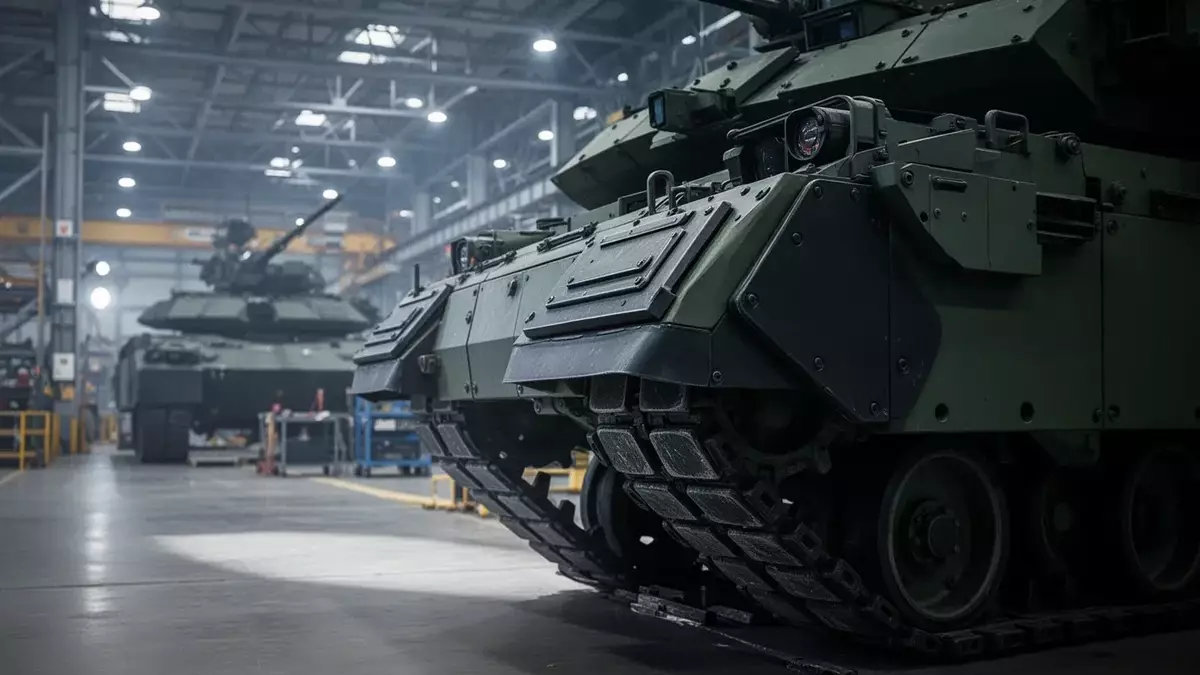
The NATO summit in Ankara this week unveiled a $50 billion programme for “Deep Strike Weapons,” yet the defence industry barely flinched. Rheinmetall shares slid 4% on July 9, and the broader sector shrugged off what should have been a catalyst. The reception underscores a shift: investors are no longer swayed by political promises; they want to see contracts converted into cash flow. That sentiment has placed the planned initial public offering of Franco-German tank maker KNDS in a deep freeze, with knock-on effects rippling through its shareholder structure and unsettling the German government’s own entry strategy.
KNDS had kicked off its long-awaited dual listing in Frankfurt and Paris in late May, targeting a mid-July debut. Within a week, its own shareholders pulled the plug. The stated reason was market “volatility,” but the real culprit was a yawning valuation gap. French state shareholders, according to Le Monde, were seeking around €14 billion for the company, while institutional buyers would only stomach roughly €10 billion. Separately, KNDS’s founding families have insisted on a floor of €12.5 billion – a threshold that institutional bidders have consistently refused to match, with many unwilling to go above €12 billion. With no meeting point in sight, the IPO was postponed indefinitely.
The collapse in pricing expectations was accelerated by a shock in the defence sector’s bellwether. On 25 June, Rheinmetall shares crashed 18% in a single session after Berlin cancelled the F126 frigate programme, a contract originally valued at roughly €10 billion. Rheinmetall is the closest listed comparable for KNDS’s valuation model, and the sudden de-rating dragged the entire peer group down. Hensoldt and Renk both suffered, and the panic underscored how fragile market confidence had become.
Should investors sell immediately? Or is it worth buying KNDS?
That fragility already had a direct impact on Renk, a company in which KNDS is a major shareholder. On 26 May, KNDS reduced its stake from 15.83% to 10.03%, placing 5.8 million shares worth €262 million in an accelerated bookbuild. The proceeds were explicitly earmarked to strengthen KNDS’s balance sheet ahead of the now-frozen IPO. The remaining holding is subject to a lock-up period of several months, but the partial sale injected fresh uncertainty into Renk’s ownership picture. Further pressure came from the F126 fallout: on the day Rheinmetall plunged, Renk shares tumbled 4.95% to €46.05, triggered by Rheinmetall’s decision to halt new hiring in its naval division – a direct consequence of the frigate cancellation.
For the German government, the IPO freeze is more than a market disappointment. Berlin had secured approval from the Bundestag budget committee in late June for state-owned KfW to take a 40% stake in KNDS at a cost of up to €7.2 billion. The entire arrangement was contingent on the IPO price serving as the entry reference. Without a listing, there is no price. Financial analysts have described it as a “no listing, no entry” clause that has left Berlin’s defence strategy stuck. The standoff is a setback for efforts to anchor Germany as an equal co-owner alongside the French state, and budget politicians view the delay as a serious blow to domestic rearmament ambitions.
The underlying problem is that the defence sector’s financing model is being stress-tested. KNDS boasts a record order book, but the market is scrutinising delivery speed – especially against Germany’s notoriously sluggish procurement processes. The completion of the Boxer armoured vehicle programme, involving several thousand vehicles, is seen as a potential trigger for a renewed IPO attempt, because it would provide the concrete execution data investors demand. Until then, the shared leadership structure between Paris and Berlin remains in limbo, and the valuation dispute shows no signs of resolution.
KNDS management has signalled it will re-enter the market when conditions stabilise. But with the valuation gap as wide as ever, and with institutional patience wearing thin, the path back to a listing is likely to require a major reassessment of the order backlog’s near-term cash generation potential. In the meantime, the company’s influence over Renk – via the remaining stake under lock-up – will continue to hang over the market, and Berlin’s €7.2 billion entrance ticket lies unclaimed.
Ad
KNDS Stock: New Analysis - 11 July
Fresh KNDS information released. What's the impact for investors? Our latest independent report examines recent figures and market trends.
Disclaimer zu unseren Artikeln: Keine Anlageberatung, keine Kauf oder Verkaufsempfehlung. Angaben zu Kursen, Unternehmen und Märkten ohne Gewähr; Änderungen jederzeit möglich. Börsengeschäfte können zu hohen Verlusten führen. Unsere Beiträge werden ganz oder teilweise automatisiert mit Unterstützung von AI erstellt und geprüft.