
Judas Priest 2026: Why This Tour Feels Like the Final Boss of Metal
Published on 03/11/2026 at 13:36 | Editorial responsibility: Rafael Müller, Editor-in-Chief AD HOC NEWS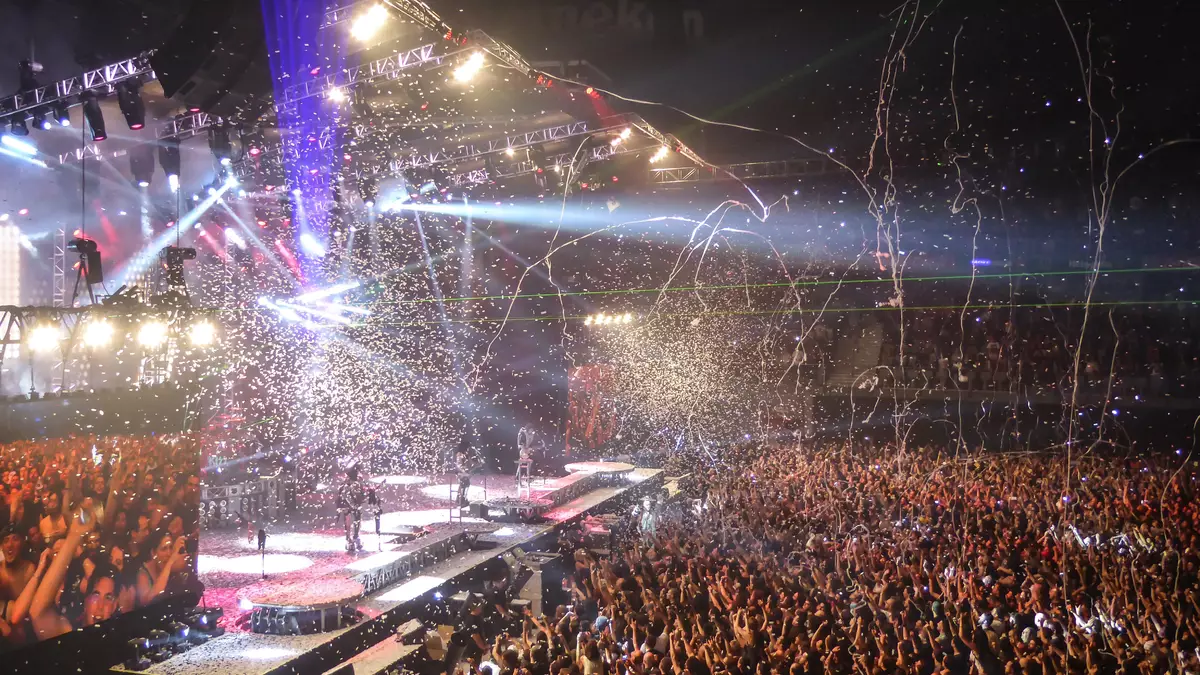
If you’ve even scrolled music TikTok once this week, you’ve probably seen it: grainy fan clips of Judas Priest tearing into Painkiller, crowds losing their minds to Breaking the Law, and comments full of “I need tickets now.” The metal legends are back out and the hype is real, especially if you’re in the US, UK or Europe and watching dates sell out fast.
Check the latest Judas Priest tour dates & tickets here
For a lot of younger fans, this is the first chance to see Judas Priest in full stadium-crushing mode. For longtime metalheads, it feels like a victory lap from a band that refuses to slow down. So what exactly is going on right now, how wild is the setlist, and what are fans whispering about online? Let’s break it all down.
The Backstory: Breaking News in Detail
The current buzz around Judas Priest is built on a few key pillars: fresh touring energy, festival headlines, and the constant question of how long a band this heavy can keep going at full power.
In recent interviews with major rock and metal outlets, Rob Halford has been very clear: Judas Priest are not interested in phoning it in. He’s talked about wanting the current tour cycle to feel like a celebration of every era of the band, from the classic twin-guitar glory days to the heavier, modern material that’s won them a new wave of fans.
Industry reports and fan ticket screenshots show that the band is focusing hard on big markets in the US, UK and mainland Europe, with a mix of arenas, large theaters, and key festival slots. You’re seeing a pattern: major US cities getting prime weekend dates, UK shows lining up with festival season, and continental European dates filling in the gaps so that no huge metal scene is completely left out.
Why now? A few reasons keep popping up when you read between the lines of those interviews and backstage chats:
- Legacy pressure: Judas Priest know they’re at a point where every tour could be someone’s last chance to see them live. That adds weight to the production, the setlist and the way they’re promoting the shows.
- Streaming-era revival: Their classic tracks have been getting fresh life on playlists and TikTok edits. Songs like Electric Eye and Turbo Lover keep showing up in fan-made content, which pulls Gen Z and younger millennials straight into the fandom.
- A new chapter, not just nostalgia: In recent press, the band has consistently framed the current run as part of an ongoing story, not just a “remember when” cash-in. That means mixing newer material into the live show and keeping the energy closer to a contemporary metal gig than a polite heritage act.
For fans, the implication is simple: if you go, you’re not just watching history, you’re getting a full-force live show that’s aimed at 2026 ears. Think upgraded sound, tighter pacing, and a crowd that skews way younger than people outside the scene might expect.
There’s also the emotional angle. Halford has mentioned more than once how surreal it feels to look out and see multiple generations in one crowd — parents who saw Priest in the 80s standing next to kids who discovered them through a video game soundtrack or a YouTube reaction channel. That multi-gen energy is a big part of why this run feels so charged. Fans are treating these shows like a shared ritual, not just a night out.
The Setlist & Show: What to Expect
If you’ve peeked at recent setlists posted by fans, one thing jumps out instantly: Judas Priest are loading the shows with stone-cold classics while still flexing their heavier late-career cuts. You’re not getting a lazy greatest-hits shuffle — it’s more like a curated history lesson with pyro.
Here’s the kind of structure fans have been spotting in recent gigs:
- High-impact opener: Tracks like Firepower or Electric Eye have been popular openers in recent years, and it makes sense. Both come in fast, sound massive in an arena, and instantly snap the crowd to attention.
- Early-era punch: Songs from the 70s and early 80s — think Victim of Changes, The Ripper, or Sinner — usually anchor the first third of the set. These tracks showcase Halford’s dramatic vocal delivery and the classic twin-guitar interplay that basically defined modern metal.
- Anthems in the middle: Expect the major sing-alongs to hit mid-show. Breaking the Law, Living After Midnight, and You’ve Got Another Thing Comin’ often show up here, firing up even the casual fans who only know the biggest hits.
- Heavy modern cuts: Tracks from their more recent albums — songs in the spirit of Lightning Strike, War, or other newer bangers — bring a denser, darker sound that sits perfectly alongside modern metal bands. These songs remind everyone that Priest are not just living off their past.
- Final boss encore: The encore slot tends to belong to the absolute monsters: Hell Bent for Leather, Painkiller, sometimes paired with another deep classic. This is where the motorcycles, massive screams and arena-wide chants kick in.
Atmosphere-wise, fans online keep saying the same thing: the shows feel surprisingly emotional. You’re still getting all the classic metal visuals — leather, studs, lights, and crushing riffs — but there’s a seriousness underneath it all. People know they might not get infinite chances to see Halford hit those notes live.
Production is big but focused. Think bright, clean LED backdrops flashing album art and iconography, razor-sharp spotlights for the solos, and well-timed pyro bursts on big choruses. It’s not a chaotic overload; it’s tight and deliberate, with the band front and center at all times.
Online setlist chatter also shows a few talking points:
- Some fans are obsessed with whether Victim of Changes will be played on any given night; its inclusion is always a big deal in post-show reviews.
- There’s a lot of love for when deeper cuts sneak in — think songs that don’t show up on every tour. Those nights instantly become bragging rights moments on Reddit and X (Twitter).
- The pacing of the show is praised a lot; older fans in particular say it feels more like a modern metal performance than a retro throwback, with fewer long dead spots and tighter transitions between songs.
If you’re going for the first time, you can expect a crowd that actually sings the guitar harmonies, not just the lyrics. You’ll hear entire sections wailing along to the intro of Electric Eye or the chorus of Turbo Lover. It’s intense but welcoming: if you know even three songs, you’re pulled straight into the noise.
What the web is saying:
Rumor Mill: What Fans Are Speculating
On Reddit, X and TikTok, the Judas Priest conversation is constantly looping between three big themes: “Is this the last big run?”, “Are we getting more new music?”, and “Why are ticket prices like this?”
1. The “final chapter” theory
A big chunk of r/Metal and r/Music threads are debating whether this current stretch of shows is effectively the last massive world tour. Nobody in the band has officially slapped a “farewell” label on it, but fans keep pointing to age, touring intensity and emotional speeches on stage as signs that things are starting to wind down.
Clips of Halford thanking the crowd for “sticking with us for 50 years” and talking about how much these shows mean to him are being pulled apart line by line. Some fans hear it as a soft goodbye; others say it’s just a grateful frontman acknowledging the obvious: the band is legendary and time is not infinite.
2. Album speculation and new songs
Every time a band like Judas Priest heads out on a big run, fans start looking for hints of new material. Threads on Reddit and TikTok comments are full of questions: will they road-test a new song mid-set? Will there be a surprise single drop tied to the tour?
People are poring over interviews, looking for any hint of studio time, and dissecting every slightly unfamiliar riff captured in soundcheck videos. Even the slightest comment from a band member about “working on ideas” gets turned into a 50-comment debate about tempo, style and whether the next batch of music will lean more classic or more modern.
3. Ticket prices and access
No big tour discussion in 2026 is complete without a ticket price argument, and Judas Priest are no exception. Some fans are frustrated with how quickly good seats vanish and how expensive resale markets have become. Others argue that for a band of this status, the price is just the cost of seeing a legend in a big production setting.
You also see a lot of practical advice flying around:
- People sharing which cities still have decent face-value tickets.
- Tips for using official fan presales and avoiding overpriced resellers.
- Small venue vs arena debates — some swear the atmosphere is better in slightly smaller halls, even if you need to travel.
4. Festival versus headline dates
Another recurring thread: is it better to catch Judas Priest at a festival or on their own headline night? Festival defenders love the chaos — seeing Priest alongside newer bands, massive crowds, summer air. Headline fans argue you get more songs, better sound, and a crowd that’s 100% locked into the band.
On TikTok, you can literally see the difference: festival clips are wide, daylight shots with huge pits, while arena clips feel more theatrical and moody, with laser-thin spotlights and tighter camera angles.
5. Generational vibe
One of the coolest recurring observations from fans online is how mixed the crowds are. You see posts of teens wearing fresh band tees standing next to parents in original tour shirts from the 80s. People joke about “metal family reunions” and post photos of three generations of fans in one row.
This multigenerational thing is exactly what makes the rumor mill feel emotional instead of toxic. Yes, people argue about setlists and prices, but there’s an underlying sense that everyone is grateful they’re still able to argue about a band that started before many of them were born.
Key Dates & Facts at a Glance
Planning your Judas Priest experience or just trying to keep the main info straight? Here’s a quick hit list of what matters most for fans right now:
- Official tour updates: All current dates, venues and ticket links are listed on the band’s official site under the tour section.
- Typical show length: Expect around 90–120 minutes of music, depending on whether it’s a headline show or a festival slot.
- Setlist balance: Recent tours have mixed 70s/80s classics like Breaking the Law, Living After Midnight, Electric Eye, and Victim of Changes with newer-era heavy tracks from their later albums.
- Encore staples: Painkiller and Hell Bent for Leather very often appear in the encore block, regularly highlighted in fan reviews.
- Stage production: Expect strong lighting design, big backdrops, and carefully timed special effects. No tiny club minimalism here; this is full-scale metal theatre.
- Audience mix: Online fan reports consistently note a heavy mix of longtime metalheads, younger streaming-era fans and plenty of parents bringing kids to their first big metal show.
- Merch highlights: Tour shirts featuring classic album art, patches, hoodies and sometimes limited-run designs tied to specific legs of the tour tend to sell fast.
- Accessibility: Venues on the official tour list generally offer accessible seating and entry; fans recommend checking the venue’s own site early if you need specific arrangements.
FAQ: Everything You Need to Know About Judas Priest
Who are Judas Priest, in simple terms?
Judas Priest are one of the definitive heavy metal bands — the kind of group that helped shape what the genre looks and sounds like. Formed in England in the late 1960s, they’re known for Rob Halford’s soaring vocals, twin lead guitars, and a visual style built on leather, studs and motorcycles that went on to influence entire generations of bands. If you think of the classic metal image, you’re probably thinking of something Judas Priest did first or popularized.
Why are Judas Priest still such a big deal in 2026?
Because their music aged incredibly well, and because they never fully disappeared. While some classic bands faded into tribute-act territory, Judas Priest kept touring, releasing new material and staying connected to the evolving metal world. Their old songs still hit hard on big PA systems, and newer fans keep discovering them through playlists, metal festivals, video games, and reaction channels.
On top of that, the band’s influence runs deep: countless modern metal and hard rock acts cite them as an inspiration. When you watch current bands on festival stages, you can often hear echoes of Priest in the riffs, choruses and guitar harmonies.
What does a Judas Priest concert feel like if you’re new?
If you’ve never been to a show, picture this: loud but clean sound, a crowd that actually listens and responds, and a band that has their timing down to the second. There’s a ritual vibe — fans throwing horns, chanting, singing along — but it’s not closed-off or gatekeep-y. Even if you only know the biggest hits, you’ll slot into the energy quickly.
Halford’s stage presence is theatrical but focused. He paces himself, saves the most brutal screams for the right spots, and communicates a lot with just his stance and gestures. The band behind him feels locked in, whether they’re playing a fast, almost thrash-level track or a mid-tempo, riff-driven anthem.
Where can you find the most accurate tour info and setlists?
For official dates, venue details and ticket links, the band’s own site is the primary source, with updates when new shows are added or plans shift. For setlists, fans often track each show on dedicated setlist websites and share screenshots on Reddit and X. TikTok and YouTube Shorts are also stacked with short clips from different stops, so you can get a real-world feel for what they’re playing right now.
Most fans cross-check those sources: official site for the date, fan-run setlist archives and social media for what the night actually looked and sounded like.
When should you arrive at the venue, and do you need ear protection?
Metal shows are loud, and Judas Priest are no exception. If you care about your hearing, quality earplugs are a smart move. They cut volume without killing the vibe, and you’ll still feel the kick drum in your chest. Many Gen Z fans are taking hearing health more seriously, and you’ll see plenty of people with plugs in the pit and on the floor.
Arrival-wise, if you’re on the floor and want a great spot, get there early. Lines form quickly, especially in cities with big metal communities. If you’re seated, you have more flexibility but still want to plan around traffic, parking and security lines. Fans online often recommend being inside at least 30–45 minutes before the scheduled start to avoid rushing and to catch any support acts.
Why do older and younger fans connect so hard at these shows?
Judas Priest sit at this sweet spot where the music is heavy enough for modern ears but melodic enough for people who grew up on classic rock. That shared middle ground pulls in multiple generations at once. Parents who blasted Screaming for Vengeance on vinyl can stand next to kids who first heard Breaking the Law in a meme or a game, and the song hits both groups in real time.
There’s also a respect factor: younger fans know they’re watching musicians who helped invent the genre they love. Older fans see that the band they followed from the 70s or 80s is still inspiring new crowds. That mutual respect kills a lot of the cross-generational cringe you sometimes feel at legacy shows. Instead, it feels like one big, loud, shared statement: this music still matters.
What if you only know a few songs — is it still worth going?
Absolutely. Many fans admit online that they went in as casual listeners and came out obsessed. The live versions of these tracks often hit harder than the recordings, with more low-end, bigger drums and that crowd-surge adrenaline you can’t reproduce at home.
If you want to prep a bit, you can’t go wrong by spinning a quick starter pack: Breaking the Law, Living After Midnight, Painkiller, Electric Eye, and one or two newer tracks from their later albums. Even that tiny bit of familiarity will make the show feel massive — and odds are you’ll leave with a handful of deeper cuts stuck in your head.
What’s the best way to experience Judas Priest in 2026?
If you can get to a show, do it. Pick your city from the official tour listings, grab tickets at face value if possible, and plan to be fully present — phone in your pocket for at least a few key songs. If traveling isn’t realistic, use the internet to your advantage: watch full-show uploads, follow tour hashtags on Insta and TikTok, and dive into live performance reviews on YouTube.
Either way, this current chapter is one of those moments fans will talk about years from now. Whether you’re screaming along in the front row or blasting the setlist at home, you’re catching Judas Priest at a point where history, energy and emotion are all peaking at once.


