Jimi Hendrix: Why His Guitar Revolution Still Defines Music for Young Fans Today
04.04.2026 - 11:43:27 | ad-hoc-news.de
Jimi Hendrix didn't just play guitar—he reinvented it. Born in 1942 in Seattle, Washington, this music icon blended blues, rock, and psychedelic sounds into something totally new. For young fans in North America today, his bold style shows up everywhere: in the fuzzy guitar tones of your favorite indie songs, the high-energy jams at festivals like Coachella or Lollapalooza, and viral videos recreating his epic solos. Hendrix's story proves that breaking rules can change the world of music forever.
Growing up in a tough family situation, Hendrix turned to music as an escape. He got his first guitar as a kid—a cheap, secondhand one—and taught himself by copying songs from the radio. By his early teens, he was already experimenting, dreaming big despite the odds. He even served in the U.S. Army for a bit, but music called him back. Gigging in R&B bands across the South and hustling in New York clubs sharpened his skills. Then, in 1966, he exploded onto the scene in London with hits like 'Hey Joe' and 'Purple Haze.' These tracks used feedback, distortion, and wah-wah pedals in ways no one had before, blowing minds and topping charts.
His debut album, Are You Experienced, hit No. 5 on the U.S. charts and sold millions. It wasn't just music; it was a revolution. North American fans feel this connection deeply because Hendrix hailed from Seattle, the same rainy city that later birthed grunge legends like Nirvana and Soundgarden. His Pacific Northwest roots keep his spirit alive in today's alt-rock scene, from local venues to streaming playlists.
Why does this still matter?
Hendrix's influence isn't stuck in the past—it's alive and kicking in modern music. Streaming services like Spotify slide his songs into Gen Z playlists right next to artists like Tame Impala or King Gizzard & the Lizard Wizard, who borrow his trippy, experimental vibes. Social media keeps him buzzing: clips of his guitar solos rack up millions of views, sparking rebellion that hits home amid today's conversations on identity and change.
In North America, where live music pulses from Austin's SXSW to Toronto's massive fields, Hendrix's freewheeling improv style fires up jam bands and guitar shredders. Chart data shows his streams surging every year, proving he's adapting to digital life. He's not nostalgia; he's a living blueprint for creativity. Young listeners discover him through algorithms, family stories, or festival tributes, realizing his raw emotion cuts through any era.
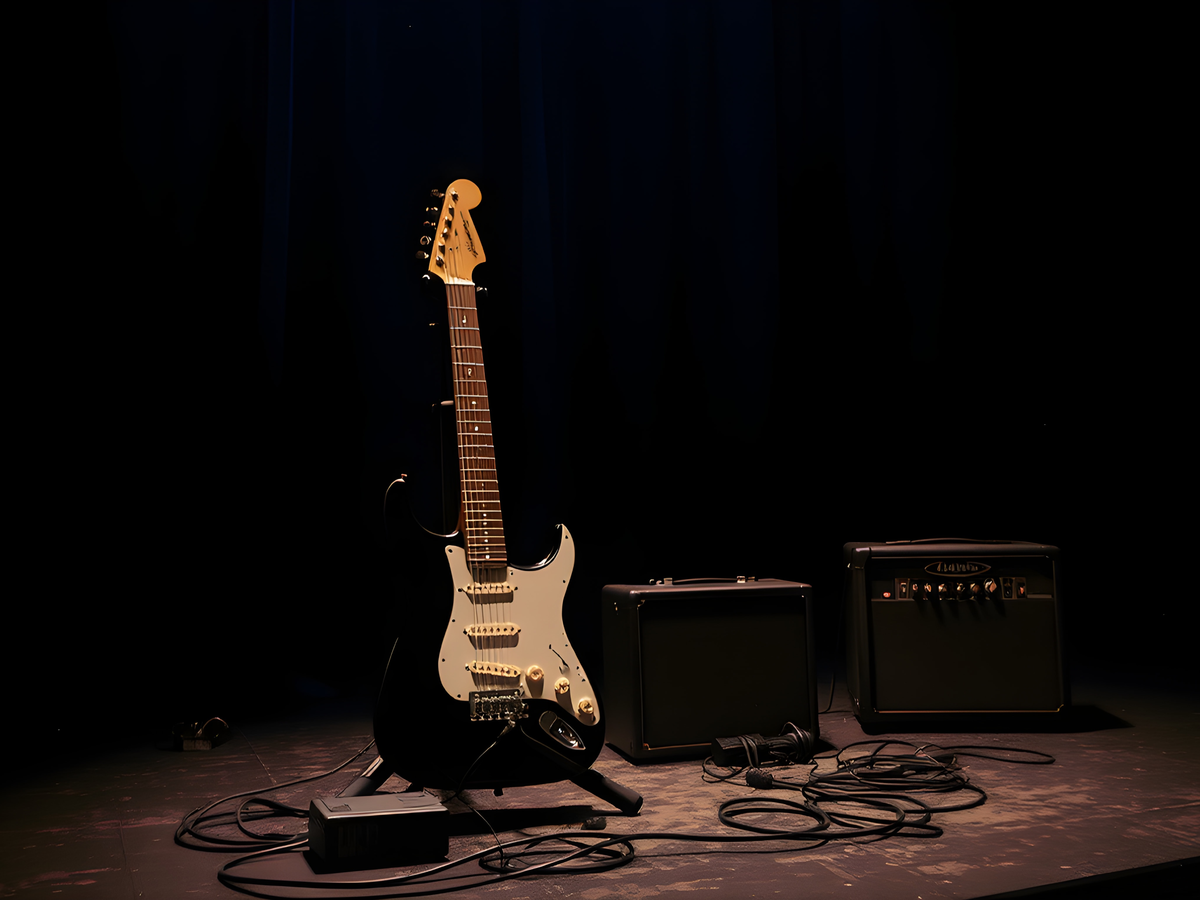
What makes Hendrix stand out? His gear wizardry. He flipped a right-handed Fender Stratocaster upside down to suit his left-handed play, creating that signature look and sound. Effects like the Octavia pedal gave him otherworldly tones that producers still chase. This tech-savvy edge appeals to today's bedroom producers tweaking plugins on laptops.
His fearless stage presence
Hendrix performed like a force of nature—setting guitars on fire, playing with his teeth, behind his back. These antics weren't gimmicks; they matched his sonic chaos. For North American youth hitting shows, this energy mirrors the thrill of mosh pits and light shows today.
Which songs, albums, or moments define the artist?
Hendrix's catalog is packed with game-changers. Start with Are You Experienced (1967): 'Purple Haze' kicks off with a riff that's cryptic and crushing, defining psych-rock. Its lyrics about a dreamlike haze capture the '60s counterculture perfectly. 'Foxey Lady' oozes swagger with flirtatious lyrics and a gritty groove. The title track features a backwards solo that feels like time travel.
Then there's Axis: Bold as Love (1967), diving deeper into emotion. 'Little Wing' is a gentle acoustic gem, covered by Stevie Ray Vaughan, Prince, and more—its melody lingers like a soft breeze. 'Bold as Love' explores feelings with colorful imagery and soaring solos. These tracks show Hendrix's range: from wild to tender.
Woodstock's legendary moment
At Woodstock in 1969, Hendrix closed the festival with a 10-minute 'Star-Spangled Banner.' He warped the national anthem with dive-bombing feedback and distortion, turning it into a raw protest against war and division. That three-day event drew 400,000 people, and his set—though at dawn—is etched in history. Clips of it still go viral, symbolizing freedom.
Other must-hears: 'The Wind Cries Mary,' a ballad inspired by a fight with his girlfriend, blending vulnerability with virtuosity. 'All Along the Watchtower,' his take on Bob Dylan's song, became the definitive version with explosive builds. Electric Ladyland (1968) pushed boundaries further, with 'Voodoo Child (Slight Return)' showcasing blistering riffs that metal bands worship.
Albums that shaped rock
Band of Gypsys (1970) captures live fire from New Year's Eve at the Fillmore East in New York. Tracks like 'Machine Gun' are marathon jams blending blues pain with rock fury—a nod to Vietnam-era turmoil. These aren't just songs; they're blueprints for songwriters and shredders alike.
What makes this interesting for fans in North America?
Seattle claims Hendrix as its own. The Experience Music Project (now MoPOP) houses his artifacts, drawing fans to the Pacific Northwest. Grunge icons Kurt Cobain and Chris Cornell cited him as a hero, linking his bluesy grit to '90s angst. Today, PNW spots like The Tractor Tavern host acts echoing his vibe.
His Black heritage in a mostly white rock world broke barriers. Artists like Gary Clark Jr., H.E.R., and Brittany Howard owe him for paving paths. In North America, where music scenes mix cultures—from Atlanta's hip-hop to Chicago's blues—Hendrix represents trailblazing.
From festivals to streets
Festivals across the continent nod to him. Lollapalooza, Bonnaroo, and Outside Lands feature tribute acts or covers. In the South, blues fests in Memphis honor his R&B roots. Urban skate parks blast his tracks in edits shared on Instagram, while road trips from California to New York pair perfectly with 'Castles Made of Sand.'
For 18-29-year-olds, he's accessible. No need for vintage gear—apps simulate his pedals. TikTok challenges mimic his licks, turning practice into play. This mobile magic keeps him relevant for digital natives.
What to listen to, watch, or follow next
Dive into playlists: Spotify's 'This Is Jimi Hendrix' or 'Hendrix Radio' uncovers deep cuts. Watch documentaries like Jimi Hendrix: Electric Church or the classic Monterey Pop film for live footage that electrifies. YouTube gems include full Woodstock sets or isolated guitar tracks revealing his genius.
Modern nods and covers
Listen to Tame Impala's Currents for psych echoes, or Gojira's heaviness channeling 'Voodoo Child.' Covers by John Mayer ('Bold as Love') or Kirk Hammett (Metallica's 'Purple Haze') bridge eras. Follow MoPOP online for exhibits, or Hendrix estate releases like restored live albums.
Grab a Stratocaster (or app) and try his bends—start slow with 'Little Wing.' Hit local open mics; channel that improv spirit. Share your takes online; the Hendrix fire spreads through fans like you.
Essential starter kit
- Are You Experienced: The blueprint.
- 'Star-Spangled Banner' (Woodstock): Iconic improv.
- 'Little Wing': Emotional core.
- Electric Ladyland: Experimental peak.
- Live at Monterey: Pure energy.
His magic? Anyone feels the bends' emotion, noise's freedom. For North American youth crafting identities, he's proof: shatter norms, spark legends. Stream on commutes, air guitar at gigs, clip with friends—his blaze endures.
Fan mood and reactions
Legacy in Today's Sound
Hendrix's DNA threads modern genres. Indie rockers like The Black Keys riff on his blues. Psychedelic revivalists such as Unknown Mortal Orchestra twist psych like he did. Even hip-hop samples him—Dr. Dre flipped 'Are You Experienced' vibes.
In North America, guitar camps from Guitar Center to Berklee teach his techniques. Kids in Detroit garages or Vancouver basements start with 'Purple Haze' tabs. This grassroots spread ensures his revolution rolls on.
Tech meets tradition
Apps like Amplitube offer 'Hendrix stacks'—virtual amps mimicking his Marshall setup. VR experiences let you 'jam' with holograms of him at festivals. Gaming soundtracks in Guitar Hero introduced generations.
Cultural nods abound: Simpsons episodes parody his fire tricks; movies like Almost Famous evoke his era. Books like Room Full of Mirrors unpack his life for deeper dives.
Challenges He Overcame
Hendrix faced racism, poverty, addiction—yet triumphed briefly. Dying at 27 in 1970, he joined the '27 Club,' fueling myths. But his output in four years outshines lifetimes. This underdog arc resonates with ambitious youth.
Personal life flavored art: 'The Wind Cries Mary' (named for Kathy Etchingham) shows vulnerability. Romances with models and muses inspired swagger tracks.
From soldier to star
Army stint at 19 honed discipline; he faked epilepsy to exit for music. R&B tours with Little Richard taught showmanship—Richard dubbed him 'Wild Man.'
New York grind with Curtis Knight built resilience. London breakthrough via Chas Chandler (Animals bassist) launched The Jimi Hendrix Experience: Mitch Mitchell on drums, Noel Redding on bass.
Why North America Owns His Story
Monterey Pop Festival (1967) was his U.S. debut—'Wild Thing' ended with a flaming guitar, shocking America. Fillmore East and West runs cemented West Coast love.
Seattle's Jimi Hendrix Shrine and grave draw pilgrims. Annual sky concerts project lasers mimicking his solos. PNW pride ties to tech boom—Microsoft's Paul Allen built MoPOP.
Influence on genres
Blues revival: Susan Tedeschi, Joe Bonamassa trace lines. Funk: Sly Stone borrowed psych. Metal: Black Sabbath's fuzz from Hendrix pedals.
Women in rock: St. Vincent, Courtney Barnett cite him. Diversity push: His barrier-smash inspires.
So schätzen die Börsenprofis Aktien ein!

Für. Immer. Kostenlos.