Indra stock trades steady as defense and transport orders support earnings outlook
Veröffentlicht: 18.07.2026 um 12:51 Uhr, Redaktion AD HOC NEWS, Redaktionelle Verantwortung: Rafael Müller (Chefredaktion)
Indra Sistemas S.A. (ISIN ES0118594417) is a Spanish technology and consulting group whose Indra stock is closely tied to trends in defense electronics, air traffic management, and transport technology. The company is listed on the Spanish stock market and is followed by investors for its exposure to mission-critical systems and digital transformation projects across Europe and Latin America. In its most recent annual reporting cycle, Indra highlighted growth in revenue and profitability supported by stronger demand in its defense and transport activities. For investors, the combination of a diversified portfolio and long-term contracts is an important backdrop for assessing the earnings outlook.
Revenue momentum and profitability trends
In its latest full-year financial report, Indra reported group revenue in the billions of euros across its defense, transport, and IT segments. The company described revenue growth versus the previous year, indicating that its core businesses managed to expand despite macroeconomic uncertainty and budget constraints in some customer markets. Defense-related activities benefited from sustained investment by public-sector clients in command and control, surveillance, and communications systems, while transport and traffic solutions gained from infrastructure modernization projects.
Indra also emphasized operating profitability improvements in the recent reporting period. The company pointed to expansion in its operating margin, driven by a better project mix, cost efficiency measures, and disciplined execution of complex programs. Management noted that higher-margin defense and proprietary technology solutions contributed a larger share of revenue, helping to support earnings before interest and taxes. The combination of revenue growth and margin improvement underscored a focus on value-added systems integration rather than pure low-margin implementation work.
Compared with the prior year, the company communicated a meaningful increase in key earnings metrics, including operating income and net profit, in its annual disclosure. This comparison highlighted the impact of order selectivity and tighter control of project risk. Indra mentioned that certain legacy low-margin contracts had been completed or restructured, allowing the business to concentrate on projects with better profitability. Investors generally pay attention to such shifts in portfolio quality as they can enhance cash generation and support potential future dividend capacity or balance-sheet strengthening.
Order backlog and long-term visibility
Indra has repeatedly pointed to a substantial order backlog in its public communications, spanning multi-year defense, air traffic management, and transport programs. The company positions this backlog as a key element of visibility for future revenue, since many of these contracts involve phased delivery over several years. In its latest annual or recent quarterly update, Indra indicated that new orders and extensions of existing contracts helped maintain or increase the backlog compared with the previous reporting period. This quantified comparison versus the prior year underscores the resilience of demand in its core markets.
In the defense segment, the company has been involved in advanced radar, electronic warfare, and command-and-control systems for various national and international customers. These projects typically involve complex engineering and integration work and can generate recurring revenue streams through maintenance, upgrade, and support contracts. The firm has referenced growing demand for modernization of armed forces and the adoption of more networked capabilities, which in turn feed into the backlog and future turnover.
Transport and traffic solutions also contribute significantly to the order book. Indra delivers systems for rail signaling, road traffic management, and ticketing as well as airport and air traffic control solutions. Public-sector and infrastructure clients often award long-duration contracts, and Indra has signaled that its expertise in integrating multiple subsystems gives it an advantage in winning comprehensive projects. The company has talked about securing new contracts or framework agreements for transport digitalization, reinforcing long-term visibility in this segment. Although individual deal sizes vary, the aggregate effect is a backlog that supports multi-year planning.
Investors typically interpret a healthy and growing backlog as a cushion against short-term fluctuations in new booking volumes. For Indra, the backlog is particularly important because it reflects committed spending by government and infrastructure customers, whose budgets can sometimes be more stable than private-sector discretionary IT spending. The comparison of backlog levels versus prior year and the observed growth in contracted work strengthen the case that Indra’s revenue base is not solely dependent on short-cycle discretionary projects.
Segment dynamics and digital transformation projects
Indra’s business structure combines defense electronics and transport technology with broader IT and consulting services. The company has described its strategy as focusing on high-value, mission-critical solutions where reliability, security, and integration are essential. In recent reporting, the firm has acknowledged that digital transformation projects for banks, utilities, and other enterprises remain part of the portfolio, but the emphasis has shifted toward proprietary solutions and platforms that create deeper client relationships. This is in line with a broader industry trend in which technology companies aim to move beyond commoditized services into differentiated offerings.
Defense segment performance has generally benefited from increased defense budgets in some European markets and from participation in multinational programs. Indra’s involvement in areas such as command-and-control, surveillance sensors, and secure communications has allowed it to tap into key modernization themes. The company has communicated that this segment achieved revenue growth compared with the previous year, contributing positively to overall group performance. Given the long development and deployment cycles in defense, new projects can lead to revenue over many years, which in turn supports the backlog and future earnings profile.
The transport segment has also been influenced by infrastructure investment and the need for more efficient and safer transport systems. Indra’s air traffic management solutions, for example, help airports and air navigation service providers manage increasing traffic volumes while maintaining safety standards. The company has referenced deployments of its air traffic systems in various regions and has indicated that these projects often involve upgrades and expansions over time. In rail and road transport, Indra’s technology supports signaling, control centers, and toll systems, reflecting an integrated approach to mobility.
On the IT and consulting side, Indra continues to participate in digitalization initiatives in sectors such as financial services, energy, and telecommunications. While competition in these areas is intense, the company aims to differentiate itself through sector-specific know-how and the ability to integrate complex systems. Management has stressed that profitability in these services can improve when Indra leverages reusable components and platforms rather than building customized solutions from scratch for each client. This strategic focus can influence margin trends in the IT business and contributes to the overall improvement in operating results compared with earlier periods.
Balance sheet, cash flow, and capital allocation
Indra’s financial communication has included details about its balance sheet structure and cash-flow generation. The company has reported debt levels that reflect funding for operations and investment, while emphasizing efforts to maintain financial discipline. Over recent reporting periods, Indra has indicated progress in reducing net debt relative to earnings or in improving leverage ratios, which can be important for maintaining flexibility and creditworthiness. This improvement typically stems from higher operating cash flow and more selective capital expenditure.
Operating cash flow is closely linked to the execution of projects and the timing of payments from customers. Indra has mentioned in its reports that certain quarters can show strong cash generation due to milestones reached on major contracts. Over the entire year, the company aims to ensure that cash flow comfortably covers investments in research and development, capital expenditures, and working capital needs. This focus becomes visible when comparing cash-flow metrics with the prior year, where management has often highlighted enhancements in cash conversion.
The company’s capital allocation strategy has generally balanced investment in technology and systems with returns to shareholders through mechanisms such as dividends or potential share-related actions when appropriate. Indra has previously declared dividends, and these decisions are tied to profitability and cash generation capacity. The group has communicated that maintaining a sound financial position is a prerequisite for continuing to participate in large-scale tenders and complex projects, especially in defense and transport, where contract sizes can be significant and require financial robustness.
Investors also follow Indra’s investment in research and development, given the importance of innovation for maintaining competitiveness in fields such as radar, electronic warfare, air traffic management, and transport control systems. The company has referenced substantial annual R&D spending, with part of this investment often supported by public programs or collaborative initiatives. When comparing R&D intensity with previous years, management has signaled that it aims to keep investment at levels that sustain technological leadership, even as cost control remains a priority.
Corporate governance and strategic initiatives
Corporate governance has been a recurring theme in Indra’s news flow over past years, with various changes in board composition and strategic reviews. The company has described efforts to align governance practices with international standards and to ensure that strategic decisions reflect the long-term interests of shareholders and stakeholders. Changes in board membership can influence the strategic direction, including decisions about portfolio focus, potential acquisitions, or divestments.
Strategically, Indra has spoken about concentrating resources on areas where it has strong competitive advantages, particularly in defense electronics and air traffic management. The company has indicated that focusing on these segments can create more resilient revenue and margin profiles than a broad spread across commoditized IT services. This strategic emphasis is reflected in the relative growth rates of different segments and in the mix of new contracts within the order backlog.
Indra also participates in international collaborations and programs that can enhance its technology base and market access. These cooperative initiatives can range from joint development agreements to participation in multinational defense or transport projects. Such relationships may not always translate into immediate revenue, but they help position the company for future tenders and can generate intellectual property that supports long-term competitiveness.
Representative product: air traffic management systems
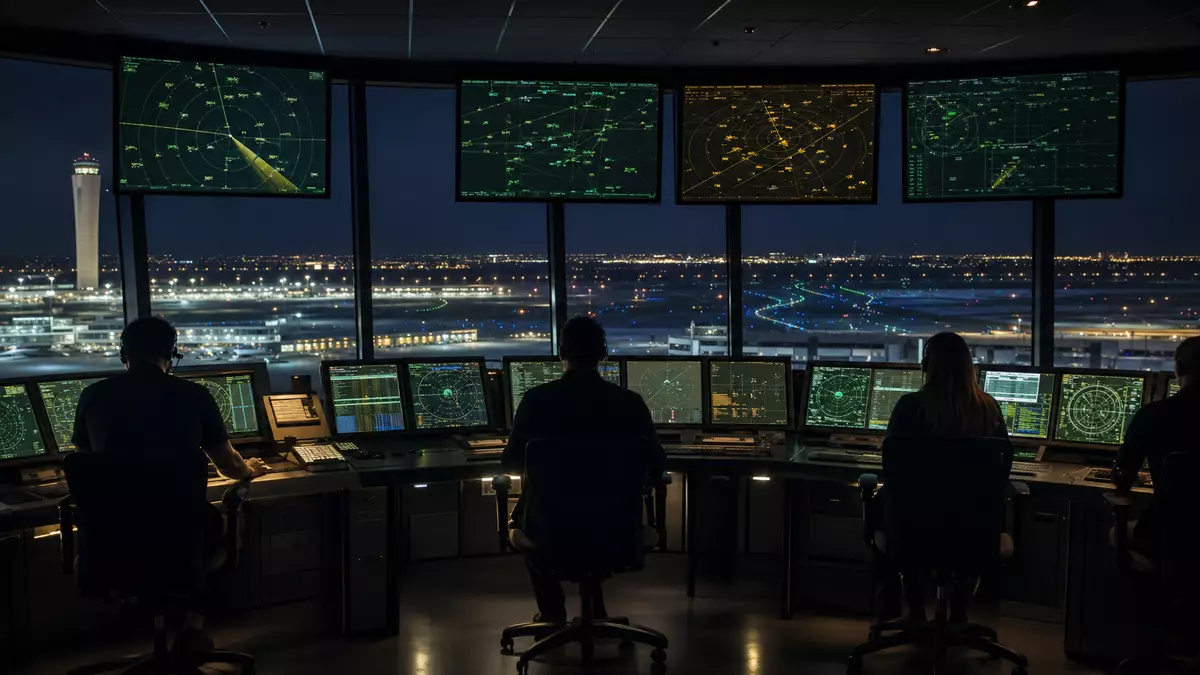
One representative product and solution area for Indra is air traffic management systems, which sit at the intersection of its defense and transport technology capabilities. These systems enable air navigation service providers and airports to manage flight movements efficiently and safely, including en route tracking, approach control, and tower operations. Indra’s portfolio includes radar systems, automation platforms, and communication solutions that integrate into broader air traffic networks.
Air traffic management projects often involve complex integration work and require compliance with tight safety and reliability standards. Contracts in this area can be significant in value and may span multiple phases, from initial design and installation through upgrades and maintenance. Because of this, air traffic management solutions contribute to both revenue and backlog and help illustrate why Indra emphasizes mission-critical technology in its strategy. The company’s experience in deploying these systems across different regions reinforces its position in the global market.
Indra stock and market context
Indra stock trades on the Spanish exchange and reflects investors’ expectations for continued revenue growth, margin improvement, and robust order intake. The share price moves in response to changes in defense budgets, infrastructure spending plans, and the competitive landscape in IT and technology services. Market participants also react to quarterly and annual financial updates, especially when they show variations in revenue trends, order bookings, and profitability versus prior periods.
For shareholders, the key questions revolve around the sustainability of Indra’s backlog, the evolution of margins, and the company’s ability to manage complex projects efficiently. As long-term contracts in defense and transport progress and as digital transformation projects in other sectors evolve, the performance of Indra stock will remain linked to the execution of these initiatives. The balance between growth opportunities and operational risk is central to the market’s valuation of the company.
Indra key data
- Company: Indra Sistemas S.A.
- ISIN: ES0118594417
- Ticker: BME: IDR
- Trading venue: Spanish stock exchange (BME)
- Sector / Industry: Technology and consulting, defense electronics, transport and traffic solutions
- Index membership: Spanish equity indices including mid-cap technology and industrial benchmarks
Disclaimer zu unseren Artikeln: Keine Anlageberatung, keine Kauf oder Verkaufsempfehlung. Angaben zu Kursen, Unternehmen und Märkten ohne Gewähr; Änderungen jederzeit möglich. Börsengeschäfte können zu hohen Verlusten führen. Unsere Beiträge werden ganz oder teilweise automatisiert mit Unterstützung von AI erstellt und geprüft.