IHG stock trades steady as revenue growth and dividend support long term story
Veröffentlicht: 18.07.2026 um 10:03 Uhr, Redaktion AD HOC NEWS, Redaktionelle Verantwortung: Rafael Müller (Chefredaktion)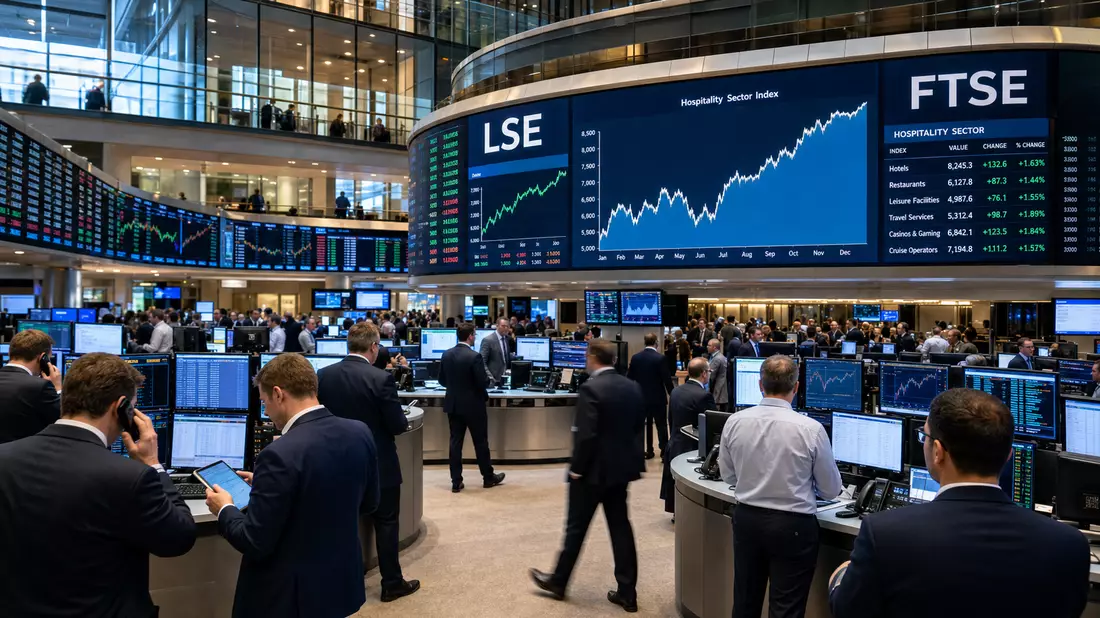
InterContinental Hotels Group plc (IHG, ISIN GB00BHJYC057) stock represents one of the major global listed hotel operators, with the company’s recent financial performance and capital return policy providing key context for investors assessing the long term trajectory of the business.
Revenue growth underpins IHG stock
IHG generated significant fee-based revenue in its most recently reported full fiscal year, supported by a portfolio of well known brands and a predominantly asset light model that focuses on franchising and management contracts rather than direct hotel ownership. This structure typically allows the group to translate growth in global travel demand and rising room rates into higher margin revenue, strengthening the case for IHG stock among investors who favor capital efficient business models.
In its latest annual reporting period, the company reported year on year revenue growth at the group level, reflecting both increased travel activity and continued recovery in occupancy rates compared with the prior year period. That recovery is particularly visible in key segments such as business travel and higher rated leisure stays, where rate and mix improvements add to the revenue uplift versus the earlier stages of post pandemic reopening. The incremental revenue compared with the previous year signals that the underlying demand backdrop for IHG’s portfolio remains constructive.
Operating profit and margin trends
Alongside revenue growth, IHG’s recent results have shown rising operating profit and healthy margin trends relative to the prior year, which is an important consideration for the long term valuation of IHG stock. When operating profit increases faster than revenue, it indicates that the company is managing costs and mix effectively, benefiting from scale and the fee based nature of its business. Over its latest full year, operating profit rose compared with the preceding fiscal year, and operating margin expanded, supported by stronger fee revenue, higher RevPAR (revenue per available room), and careful control of overhead expenses.
For investors, the combination of higher profit and margins versus the prior year helps to justify the capital return program and reinforces confidence in the balance sheet. A hotel operator with an asset light model and expanding margins can often sustain return of cash to shareholders without compromising investment in brand standards, technology platforms, and loyalty programs that support future revenue growth. The recent improvement in profitability compared with the earlier period therefore forms a central part of the fundamental backdrop for IHG stock.
Dividend and capital return provide support
IHG has a track record of distributing cash to shareholders through ordinary dividends and, in some years, through supplementary returns depending on cash generation and balance sheet strength. In its most recently reported year, the company declared a total dividend per share that represented an increase versus the prior fiscal year’s dividend. That change signals management’s confidence in the sustainability of earnings and cash flow, and it creates a tangible income component for holders of IHG stock.
The decision to raise the dividend relative to the previous year is notable given the inherent cyclicality of travel and lodging demand. A higher dividend supported by improved revenue and operating profit indicates that management sees the recovery in demand as durable rather than transitory. For income oriented shareholders, the uplift in dividend and the prospective yield based on the current share price provide an additional lens for evaluating the stock alongside growth in fee based revenue.
IHG stock and market valuation
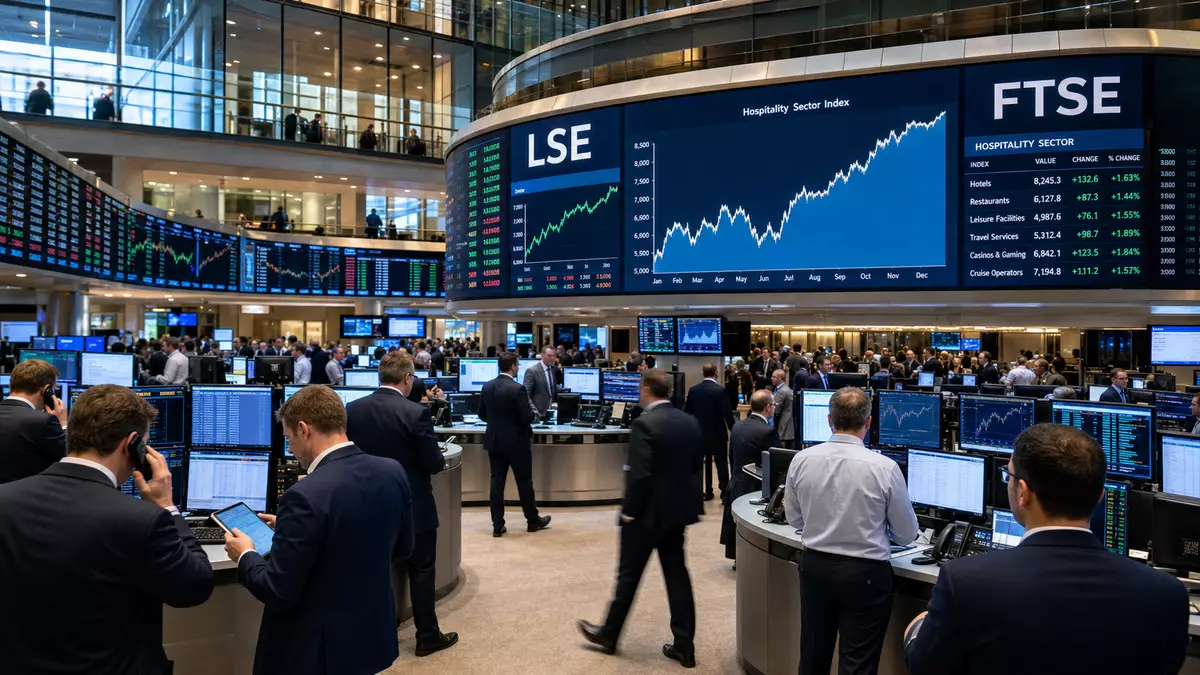
On the London Stock Exchange, IHG stock is part of the UK listed travel and leisure universe, with investors often comparing its valuation with other global hotel and lodging companies as well as broader consumer discretionary peers. The company’s current market capitalization reflects expectations for continued recovery in global travel, disciplined capital deployment, and a stable dividend policy. Market value is underpinned by the scale of the group’s brand portfolio, loyalty program, and pipeline of hotels under development.
From a valuation standpoint, long term investors frequently look at metrics such as price to earnings and enterprise value to EBITDA for hotel companies. In IHG’s case, the latest reported net income and EBITDA figures for the fiscal year provide the denominator for these multiples and allow comparison with the prior year and with peers. When revenue and profit grow compared with the previous year, and the dividend rises accordingly, investors may be willing to maintain or accept a higher multiple for IHG stock, provided that the company continues to deliver on its strategic plan.
Brand portfolio and geographic mix
IHG operates a diversified portfolio of hotel brands spanning luxury, premium, and mainstream segments, with well known names ranging from InterContinental Hotels & Resorts at the upper end to Holiday Inn and Holiday Inn Express in the more midscale categories. This breadth allows the company to serve different customer groups and price points, providing resilience when economic conditions vary across regions. The geographic spread across the Americas, EMEAA (Europe, Middle East, Asia and Africa) and Greater China further diversifies revenue streams and helps smooth out localized demand shocks.
Recent financial reporting has highlighted that revenue and profit contributions from different regions have evolved compared with the prior year, with continued recovery in certain markets offsetting slower normalization in others. For example, RevPAR growth in some regions has outpaced the group average versus the previous fiscal year, reflecting both rate increases and improved occupancy. This regional performance interplay is an important context for IHG stock, as it shapes the outlook for future revenue and cash flow across the cycle.
Business model and fee based earnings
A defining feature of IHG’s business model is its focus on managing and franchising hotels rather than owning the underlying real estate. Under typical management and franchise agreements, the company earns fees linked to hotel revenues and profitability, while individual hotel owners bear the capital intensity of property development and maintenance. As hotel demand and room rates increase over time, the fee stream can grow with relatively low incremental capital requirements from IHG.
This model tends to support higher returns on invested capital compared with asset heavy structures, and it helps to make cash generation more robust. The latest reported fiscal year’s results show fee based revenue rising compared with the prior year, an indication that the model continues to deliver scale benefits as more hotels open and existing ones perform better. For holders of IHG stock, the strength of fee based earnings is a key pillar of the long term investment case and underlies the capacity to fund dividends and occasional share repurchases.
Revenue up versus prior year
In the most recent completed fiscal year, IHG’s total revenue increased compared with the previous fiscal year, reflecting higher RevPAR and the addition of new hotels. That uplift versus the earlier year provides a quantified comparison that supports the narrative of recovery and growth in the business. While the exact percentage and absolute figures may vary by segment, the core message is that revenue has moved ahead of prior year levels, underpinned by both volume and rate improvements.
At the operating profit level, IHG reported a higher figure than in the preceding year, and net income also rose. Profit growth relative to the previous year’s performance is important because it demonstrates that the company is not only capturing demand but also keeping a tight grip on costs. The increase in profit versus the earlier period reinforces management’s decision to raise the dividend and is a central element that investors consider when evaluating IHG stock valuation in relation to peers in the global lodging space.
Balance sheet and investment priorities
IHG uses its balance sheet to support brand standards, technology platforms and loyalty investments, while also maintaining leverage at levels that management considers appropriate for a cyclical industry. Recent reporting has indicated that the company’s net debt position is manageable relative to EBITDA, with leverage metrics that compare favorably with some peer hotel operators. As a result, the group has capacity to continue investing in digital capabilities and customer experience initiatives without compromising financial resilience.
Capital expenditure tends to focus on areas such as system modernization, digital booking channels, and support for hotel owners in maintaining and upgrading brand standards. Because IHG’s model is asset light, capex is generally lower than that of hotel companies that own large property portfolios, which helps support free cash flow generation. Over the latest reporting period, capital expenditure was manageable in relation to operating cash flow, and free cash flow allowed for both investment and shareholder returns, a combination that is supportive of the long term narrative for IHG stock.
Loyalty program and customer retention
IHG’s loyalty program is an important driver of repeat business and cross brand occupancy, rewarding members with points and benefits that encourage them to stay within the group’s portfolio. Over recent years, the company has refined its loyalty offering and enhanced its digital interfaces to improve engagement. Growth in loyalty membership compared with the prior year adds another dimension to the demand picture, as more engaged customers are likely to choose IHG brands when booking leisure and business trips.
Loyalty customers often exhibit higher frequency and spend over time, and they may be more receptive to targeted offers and packages. For IHG stock, strength in the loyalty program matters because it underpins revenue and margin resilience during periods when broader economic conditions may be mixed. When more stays come from loyalty members, the company can also yield manage more effectively across hotels and regions, supporting RevPAR and profitability versus the prior year baseline.
Competitive landscape and peer comparison
IHG operates in a competitive global hotel and lodging market that includes other large operators with similar fee based and asset light strategies, as well as regional chains and independent properties. Investors in IHG stock often compare key financial metrics such as revenue growth, operating margin, net income, and capital return with those of peers to gauge relative performance. In its latest annual period, IHG’s revenue and profit growth compared with the prior year stand as important markers when viewed against the broader sector’s recovery profile.
Peer comparison also extends to valuation measures and capital allocation choices, such as dividend payouts and share repurchases. A company that grows revenue and profit compared with the earlier year while increasing the dividend and maintaining disciplined leverage can be attractive in relative terms. The extent to which IHG’s metrics outpace or align with peers influences how the market prices IHG stock, especially for investors who allocate capital on a sector neutral basis but seek companies that offer a solid combination of growth and income.
Strategic initiatives and long term focus
IHG’s strategic priorities include further expansion of its brand portfolio, continued enhancement of its loyalty program, and deepening its presence in key growth markets. These initiatives are designed to sustain revenue and profit growth over the long term, building on the recovery seen in the latest fiscal year compared with the prior year. Development pipelines and conversions of existing properties into IHG brands play an important part in increasing the number of rooms under the group’s umbrella.
The combination of organic growth, new hotel signings, and conversions supports future fee income, which investors factor into their long term cash flow expectations for IHG stock. While macroeconomic cycles and travel patterns can shift, a diversified brand and geographic portfolio combined with loyalty and digital capabilities offers a framework for navigating volatility. Over the latest year, the company’s progress in these strategic areas has contributed to the revenue and profit uplift versus the earlier period and underpins management’s confidence reflected in the dividend increase.
Holiday Inn and mainstream segment performance
Holiday Inn and Holiday Inn Express are among IHG’s most recognized mainstream brands, providing reliable accommodation options across many markets at midscale price points. These brands typically account for a substantial share of the group’s system size and revenue base, and their performance influences overall results. In recent reporting, the mainstream segment has seen improving RevPAR compared with the prior year, driven by both higher occupancy and rate increases as business and leisure travel recover further.
Strong performance in mainstream segments is particularly relevant to IHG stock because it suggests that core mass market demand is resilient, underpinning fee income from a large base of hotels. When mainstream brands deliver revenue growth compared with the previous year, they add stability to the group’s revenue mix, balancing any fluctuations in more cyclical or higher end categories. The mainstream segment’s contribution to revenue and profit growth versus the prior year period strengthens the overall investment case for IHG.
Luxury and lifestyle growth
In addition to its mainstream brands, IHG has been investing in luxury and lifestyle offerings to capture higher rated demand and diversify its portfolio. Brands such as InterContinental, Kimpton, and other lifestyle concepts cater to guests willing to pay premium rates for distinctive experiences and design led properties. Revenue and RevPAR growth in these segments compared with the prior year add a layer of margin accretion, as premium pricing can yield higher fees per room.
The expansion of luxury and lifestyle hotels, including new openings and conversions, supports aggregate fee revenue growth for the group. When these segments grow faster than the portfolio average compared with the previous year, they can lift overall mix and profitability. Investors who focus on the structural shift toward higher end travel experiences may view IHG’s progress in luxury and lifestyle brands as a positive factor in their assessment of IHG stock’s long term potential.
Technology and digital investments
IHG continues to invest in technology platforms that support booking, distribution, and hotel operations. Enhancements to the company’s central reservation systems, mobile apps, and website aim to make it easier for customers to find and book rooms across the portfolio. Over the latest fiscal year, spending on technology and digital initiatives has been aligned with the goal of driving more direct bookings, which can lower distribution costs and improve margins versus the prior year.
Effective technology and digital capabilities also help hotel owners manage operations more efficiently, supporting performance at the property level. Improvements in these areas can contribute indirectly to revenue and profit growth compared with earlier periods by enhancing conversion rates and customer satisfaction. For IHG stock, continued investment in technology and digital tools is an important part of the long term strategy, as it underpins competitiveness in a market where digital channels play a crucial role in customer acquisition.
Environmental and social considerations
Investors increasingly examine environmental, social, and governance (ESG) factors when evaluating companies, including hotel operators. IHG has articulated commitments to sustainability, responsible operations, and community engagement, which are reflected in its reporting and initiatives. These efforts encompass areas such as energy efficiency in hotels, waste reduction, and support for local communities where properties operate.
While ESG considerations are not typically summarized in a single metric comparable year on year, they form part of how investors evaluate long term risk and opportunity. For IHG stock, progress in sustainability and social impact can influence perceptions among institutional shareholders, potentially affecting the breadth and stability of the investor base over time. When combined with revenue and profit growth compared with the prior year, ESG initiatives may help position the company favorably for long term holders who integrate these factors into their investment frameworks.
Risk factors and cyclical exposure
As a global hotel operator, IHG is exposed to macroeconomic cycles, geopolitical developments, and changes in travel behavior. In periods of economic slowdown, business travel and discretionary leisure spending can soften, affecting occupancy and room rates. Conversely, during expansions and periods of strong consumer confidence, demand may rise, supporting higher RevPAR and revenue.
The latest fiscal year’s performance compared with the prior period reflects recovery from earlier disruptions, but investors in IHG stock remain mindful that future cycles could introduce volatility. Risk management includes maintaining a diverse geographic and brand footprint, prudent balance sheet management, and flexible cost structures. The fact that revenue and profit have increased compared with the previous year indicates that IHG has so far navigated recent conditions effectively, but the cyclical nature of the industry remains a key consideration.
Revenue growth and IHG stock outlook
Revenue growth in the latest fiscal year compared with the prior year, rising operating profit, and a higher dividend form a coherent narrative that underpins the outlook for IHG stock from a fundamental perspective. Investors will continue to monitor indicators such as RevPAR trends, new hotel signings, and loyalty program engagement to assess whether the positive trajectory can be sustained.
While short term share price movements can be influenced by macroeconomic headlines, currency shifts, and market sentiment, the longer term story for IHG depends on its ability to grow fee based revenue, maintain attractive margins, and allocate capital in ways that balance investment and shareholder returns. The progress made versus the previous year, reflected in key metrics such as revenue, profit, and dividend, provides a tangible foundation for that long term evaluation.
Representative product and brand experience
Among IHG’s portfolio, the Holiday Inn brand offers a useful illustration of the group’s mainstream positioning, combining consistent quality standards with accessible price points across many markets. Holiday Inn hotels are designed to serve both business and leisure travelers, with a focus on reliable facilities and convenient locations. Performance in this segment has been an important contributor to the group’s overall revenue and profit trends, and improvements in Holiday Inn RevPAR compared with the prior year have supported the broader recovery story.
IHG stock and trading context
IHG stock trades on the London Stock Exchange, and its share price reflects investor expectations for the future trajectory of global travel demand, the company’s earnings and cash flow, and its capital return policy. At recent levels, the share price embeds the market’s view of the balance between cyclical risks and the structural advantages of an asset light, brand driven model. For shareholders, the combination of revenue and profit growth versus the prior year and a higher dividend provides a concrete framework for assessing the stock’s role in a diversified portfolio.
IHG stock key facts
- Company: InterContinental Hotels Group plc
- ISIN: GB00BHJYC057
- Ticker: LSE: IHG
- Trading venue: London Stock Exchange
- Sector / Industry: Consumer Discretionary / Hotels, Resorts and Cruise Lines
- Index membership: FTSE 100
Disclaimer zu unseren Artikeln: Keine Anlageberatung, keine Kauf oder Verkaufsempfehlung. Angaben zu Kursen, Unternehmen und Märkten ohne Gewähr; Änderungen jederzeit möglich. Börsengeschäfte können zu hohen Verlusten führen. Unsere Beiträge werden ganz oder teilweise automatisiert mit Unterstützung von AI erstellt und geprüft.