
Huge Opportunity or Hidden Risk? Is the DAX 40 Setting Up for a Major German Breakout or a Bull Trap?
01.02.2026 - 09:09:06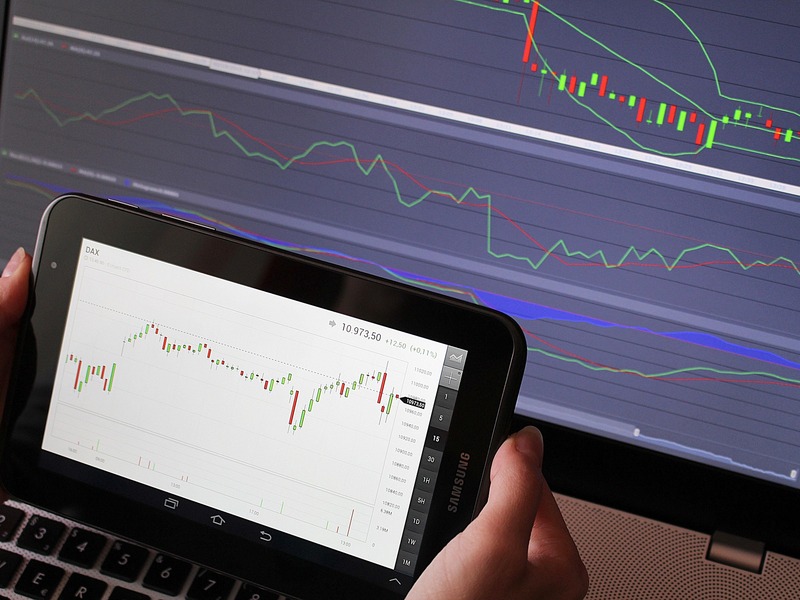
Get the professional edge. Since 2005, the 'trading-notes' market letter has delivered reliable trading recommendations – three times a week, directly to your inbox. 100% free. 100% expert knowledge. Simply enter your email address and never miss a top opportunity again. Sign up for free now
Vibe Check: The DAX 40 is currently in a classic tug-of-war phase – not a euphoric moonshot, not a brutal crash, but a tense zone where every headline about rates, energy, and German industry can flip sentiment in minutes. Price action has been choppy, with the index swinging between cautious optimism and sudden profit-taking. Bulls are defending higher zones, bears are leaning into every sign of slowdown. This is the kind of market where lazy traders get chopped up and prepared traders quietly build positions.
Volatility is not screaming panic, but it is clearly elevated compared to the sleepy periods of past rallies. You can feel the hesitation: dip buyers are still stepping in, but they are not going all-in. Meanwhile, macro bears keep pointing at weak manufacturing numbers and slowing global demand, especially from China and the US, to justify short attempts. The DAX is effectively in a proving ground: either it consolidates for a new leg higher, or this turns into a deeper correction that flushes out latecomers.
The Story: To understand where the DAX might go next, you have to zoom out from the one-minute chart and look at the European macro backdrop. The European Central Bank is in a delicate position. After a brutal rate-hiking cycle to kill inflation, the narrative has switched to timing and speed of cuts. Markets are already pricing in a friendlier ECB over the coming quarters, but the big question is: how fast can the ECB ease without losing credibility on inflation and without triggering a fresh wave of euro weakness?
A softer euro against the dollar is a double-edged sword for the DAX. On one side, a weaker euro is a gift for Germany’s export-heavy blue chips – think industrials, autos, and chemicals – because their products become more competitive globally and foreign revenues translate into higher euro earnings. On the other side, a structurally weak euro signals doubt about European growth and can keep foreign capital cautious. Right now, the euro is in a sensitive phase, reacting hard to every ECB comment and every US data release.
Then there is the German real economy. Recent headlines around German manufacturing and factory orders have been anything but euphoric. Data still points to a fragile industrial landscape: order books are patchy, sentiment surveys remain cautious, and some sectors are still digesting the energy shock of the last years. Energy prices have calmed compared to the extreme spikes, but they remain a strategic risk. Any renewed tension in global energy markets, LNG supply, or geopolitical hotspots can quickly hit German industry margins and, by extension, the DAX heavyweights.
On the news flow side, Europe-focused outlets are circling around a few recurring themes: European growth stagnation vs soft landing, ECB communication about future cuts, and company-level stories from giants like Volkswagen, BMW, Mercedes-Benz, Siemens, and the large financials. Every earnings season becomes a referendum on Germany’s competitiveness. When autos talk about weaker demand in China or higher cost pressure, the index feels it. When industrials guide more cautiously, bears wake up. But when management teams surprise with resilient margins, aggressive cost cuts, and stable order books, the DAX suddenly looks like a global value play again.
Recession fears in Germany have not disappeared; they have just shifted from immediate panic to a kind of slow-burn concern. That creates an interesting setup: expectations are not extremely high. This actually helps the DAX, because when the bar is low, even mediocre data can trigger relief rallies. If energy prices stay under control and the ECB manages a smooth transition into a more accommodative stance, the DAX has a realistic chance to grind higher from current zones, with occasional sharp pullbacks to shake out leveraged players.
Social Pulse - The Big 3:
YouTube: Check this analysis: https://www.youtube.com/watch?v=UKAhQ9v4AXs
TikTok: Market Trend: https://www.tiktok.com/tag/dax40
Insta: Mood: https://www.instagram.com/explore/tags/dax40/
On YouTube, creators are pumping out European market updates with a split narrative: some scream about potential downside risk and overvaluation in cyclicals, while others highlight Germany as an underowned opportunity compared to the US mega-cap space. On TikTok, quick takes focus on headlines: ECB cuts hype, “buy the dip on Europe”, and short-term scalping setups on the GER40 CFD. Instagram traders, meanwhile, are posting chart screenshots with clean trendlines, showing the DAX pressing against important zones and highlighting the classic breakout-or-fakeout tension.
- Key Levels: With data freshness uncertain, traders should watch broad “important zones” rather than fixate on single magic numbers. Think of a wide demand area below current prices where bulls repeatedly defend, and a broad resistance band above, where every rally has recently stalled. A confirmed break above the resistance zone with strong volume could signal a new bullish leg. A decisive rejection with heavy selling would point to a deeper correction back into the lower demand regions.
- Sentiment: Right now, neither side has full control. Euro-bulls are trying to build a case around easing rates, softer inflation, and stabilized energy markets. Bears counter with weak German growth, fragile global demand, and geopolitical uncertainty. The mood is cautious, slightly skeptical, but not outright fearful – a classic environment where range trading, selective stock picking, and disciplined risk management can outperform blind index chasing.
Technical and Trading Scenarios: From a chart perspective, the DAX looks like it is consolidating after a strong multi-month move. Trend-followers see a higher-timeframe uptrend trying to hold, but momentum is cooling. For swing traders, that usually means three core scenarios:
Scenario 1 – Bullish Continuation: The index holds above its recent higher lows, prints a clean base, and then pushes through resistance on strong breadth (autos, industrials, financials all participating). In this case, breakouts in leading German names could offer high-conviction long setups. Traders would look to “buy the breakout” and trail stops under the last swing lows.
Scenario 2 – Deeper Correction: Macro data disappoints, ECB commentary turns more hawkish than expected, or global risk sentiment sours. The DAX fails at resistance, sells off sharply, and tests the lower demand zones. Here, “buy the dip” only works if you respect risk: start small, scale slowly, and wait for clear reversal candles and volume confirmation rather than blindly catching falling knives. Bears will try to press shorts into weakness, especially in cyclical exporters.
Scenario 3 – Sideways Chop: The most painful for impatient traders. The DAX grinds sideways within a broad range, punishing late longs near the top and late shorts near the bottom. In this environment, mean-reversion strategies can shine: fade extremes of the range, use tight stops, and keep position sizing modest. Options traders might look for range-bound strategies instead of big directional bets.
Macro Wildcards: Also watch the US. If Wall Street tech giants wobble or US yields spike again, it can spill over hard into Europe. Conversely, a calm US and a gently weakening dollar would be supportive for European risk assets. China is another wildcard: better-than-expected Chinese stimulus or a rebound in Chinese demand could give a serious boost to German exporters, while negative surprises would do the opposite.
Risk Management: The Real Edge
It is easy to get hypnotized by headlines about “crash” or “new highs”, but the real edge in this DAX environment is discipline. No matter if you trade the GER40 via CFDs, futures, or ETFs, your survival kit is the same: respect position size, know where you are wrong before you enter, and do not chase every intraday spike. The DAX loves to stop-hunt emotional traders around key zones before choosing a direction.
Conclusion: So, is the DAX 40 a massive opportunity or a ticking time bomb? The honest take: it is both, depending on your time horizon and risk management. Structurally, Germany still has world-class companies, a strong export machine, and the backing of the broader euro area. Cyclically, it faces real headwinds: slow growth, energy and geopolitical risks, and a global cycle that is no longer in easy-mode.
If the ECB delivers a controlled easing path, energy markets remain stable, and earnings come in “better than feared,” the DAX can absolutely push higher from these zones over the medium term. That is your opportunity side. If, however, growth data continues to slide, global risk sentiment turns south, or policy missteps shake confidence, then this consolidation can morph into a bigger down leg – the risk side that every serious trader must factor in.
The playbook for advanced traders is clear: stop thinking in black-and-white. Map your important zones, prep both bullish and bearish scenarios, and let the market show its hand. Use the volatility, do not fear it. The DAX is not a passive background index anymore; it is a live battlefield where prepared traders can find high-quality setups – if they respect the macro, read the sentiment, and manage risk like pros.
If you want to ride the next big German move, do not just ask “moon or crash.” Ask yourself: “What is my plan for both?” That is how you turn DAX uncertainty into DAX opportunity.
Tired of poor service? At trading-house, you trade with Neo-Broker conditions (free!), but with real professional support. Use exclusive trading signals, algo-trading, and personal coaching for your success. Swap anonymity for real support. Open an account now and start with pro support
Risk Warning: Financial instruments, especially CFDs on indices like the DAX 40, are complex and come with a high risk of losing money rapidly due to leverage. You should consider whether you understand how these instruments work and whether you can afford to take the high risk of losing your money. This content is for informational purposes only and does not constitute investment advice.


