HPE stock trades steady as hybrid cloud and AI demand support revenue growth
Published on 07/21/2026 at 20:59 | Editorial responsibility: Rafael Müller, Editor-in-Chief AD HOC NEWS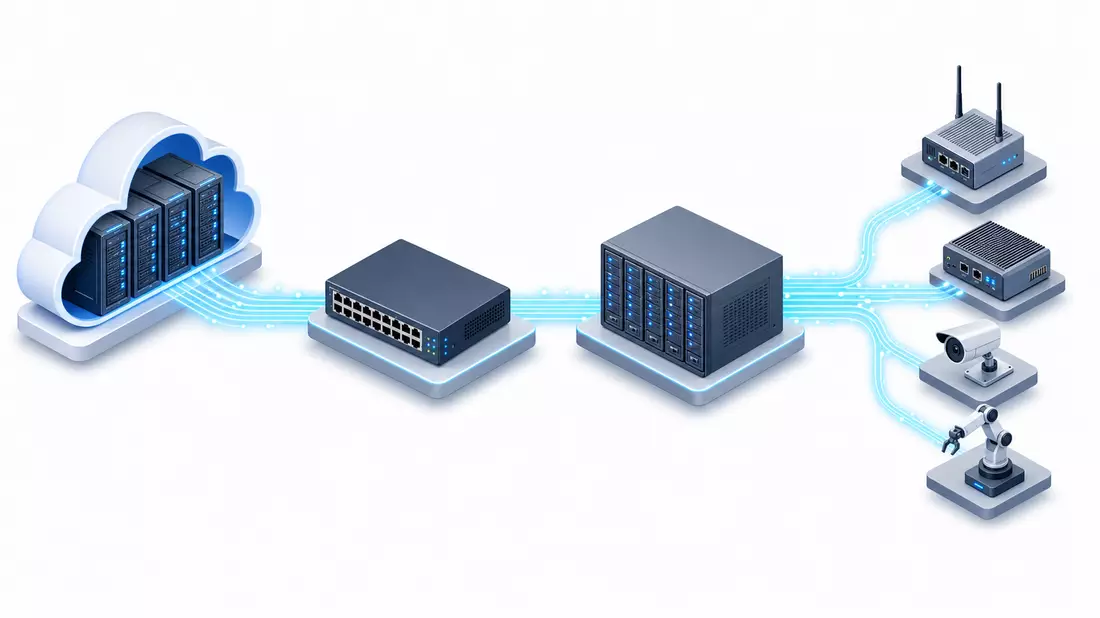
Hewlett Packard Enterprise Co. (ISIN US42824C1099) is a major US technology company focused on enterprise infrastructure and services, and HPE stock represents exposure to the group’s hybrid cloud, networking, and data-centric solutions strategy. The company reports multi-billion dollar annual revenue across Compute, Storage, Intelligent Edge, and Hybrid Cloud segments, which together frame the investment case for HPE stock in the global enterprise IT market.
HPE’s transformation since its establishment as a separate entity from Hewlett-Packard Company has centered on higher-margin, recurring revenue streams, particularly in hybrid cloud, networking, and as-a-service offerings. This strategic focus positions HPE stock as a play on enterprise digital transformation and data center modernization rather than on consumer hardware.
Revenue scale in the billions
According to Hewlett Packard Enterprise’s own corporate and investor materials, the company generates annual revenue measured in the tens of billions of US dollars from its global customer base. The revenue base is diversified across multiple business segments that include Compute, Storage, Intelligent Edge, High Performance Computing & AI, and Financial Services, each contributing meaningful sales volumes. This breadth of revenue sources gives HPE stock a foundation in large installed bases of servers, storage systems, and networking equipment deployed worldwide.
In addition to traditional hardware revenue, HPE emphasizes consumption-based and as-a-service models, which contribute growing recurring revenue streams. This shift in revenue mix is designed to reduce dependence on one-off hardware sales and to enhance visibility for future cash flows associated with HPE stock. The company’s investor relations communication highlights the importance of these recurring and software-driven revenues for long-term profitability and capital allocation decisions.
Segment performance underpins HPE stock
HPE describes a portfolio that includes compute infrastructure for general-purpose workloads, high performance computing and AI systems for large-scale data processing, storage solutions for enterprise data management, and intelligent edge offerings built around network connectivity and security. In corporate materials, the company indicates that these segments collectively serve thousands of enterprise, government, and service provider customers worldwide. This segmental diversity helps support HPE stock by spreading demand across different parts of the IT infrastructure stack.
The Intelligent Edge and high performance computing segments are central to HPE’s growth aspirations, given rising demand for secure connectivity, edge processing, and AI workloads. In public statements, HPE emphasizes that these areas are seeing increased investment from customers seeking lower latency, better analytics, and integrated cloud connectivity. That strategic orientation suggests that the revenue contribution from these segments is expected to grow over time relative to more mature compute and storage lines, which is relevant for how investors may view HPE stock’s long-term earnings profile.
Further details on Hewlett Packard Enterprise
Investors who want to study Hewlett Packard Enterprise’s strategy and historical financial performance in greater detail can review additional material from the issuer and external sources.
Hybrid cloud and GreenLake
HPE’s hybrid cloud strategy is anchored by its HPE GreenLake platform, which offers infrastructure and services delivered in a flexible, consumption-based manner. The company presents GreenLake as a core element of its transition toward an as-a-service model, enabling customers to deploy on-premises and edge resources with cloud-like economics. This product family helps differentiate HPE stock from pure-play cloud providers by emphasizing on-premises control alongside cloud scalability.
The GreenLake business model typically involves multi-year agreements under which customers consume compute, storage, and networking resources based on actual usage. This arrangement can support more stable revenue streams and align HPE’s economics with customers’ evolving workload demands. For HPE stock, such contracts can translate into greater revenue visibility compared with one-off hardware sales, although margins and capital intensity depend on the specific mix of services and equipment delivered.
Compute and storage infrastructure
In the Compute segment, Hewlett Packard Enterprise delivers servers and related systems that host enterprise applications, virtualization, and private cloud workloads. The company’s server portfolio comprises rack, tower, and blade systems, as well as density-optimized designs for high performance and scalable environments. This segment historically generates a significant proportion of HPE’s revenue, reflecting the scale of its installed base in data centers and server rooms globally.
HPE’s Storage offerings include arrays and systems for primary, backup, and archival data, alongside software that manages data placement, replication, and protection. The company emphasizes integrations between its storage solutions and broader cloud and hybrid architectures, allowing enterprises to move data between on-premises and public cloud environments. These solutions contribute to recurring maintenance, support, and software revenues, which form part of the financial foundation underpinning HPE stock.
Intelligent Edge and networking
The Intelligent Edge segment centers on wired and wireless networking and security solutions that connect users and devices to applications and data. HPE’s portfolio in this area includes access points, switches, and network management software, often deployed in campus, branch, and remote environments. Given the proliferation of connected devices and remote work, demand for robust edge connectivity and security continues to shape the market dynamics that affect HPE stock.
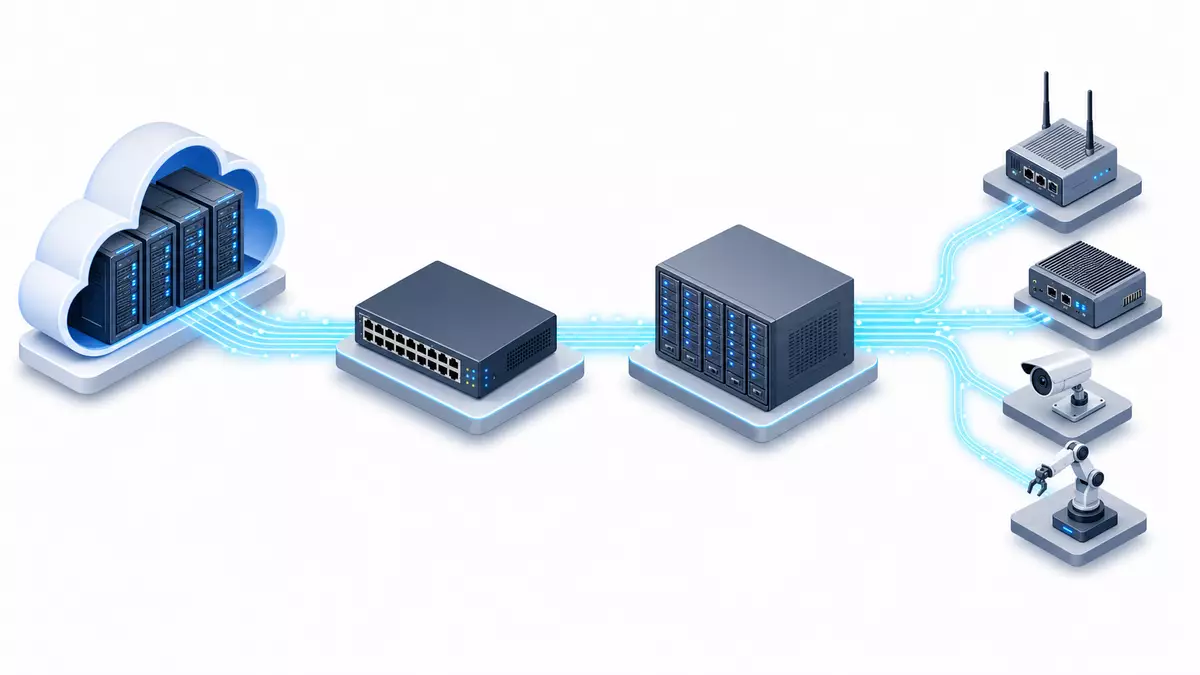
Edge infrastructure is also critical for applications that require low latency, such as industrial automation, real-time analytics, and certain AI workloads. By integrating edge devices with central data center and cloud resources, HPE aims to create more holistic architectures for its customers. That integrated approach can increase the stickiness of HPE’s relationships and open opportunities for cross-selling services and solutions across multiple segments.
High performance computing and AI
HPE positions its High Performance Computing & AI offerings as solutions for customers with demanding workloads in scientific research, financial modeling, media rendering, and advanced analytics. These systems often incorporate specialized processors, high-bandwidth interconnects, and large-scale storage, with architectures tailored to parallel computation. In corporate communication, HPE highlights the role of such systems in supporting AI training and inference, which has become a key growth theme in the infrastructure market.
The company’s high performance computing projects frequently involve large contracts with public institutions, universities, and private enterprises. Such contracts can span multiple years and involve integrated hardware, software, and services. For HPE stock, this business line reflects exposure to one of the more dynamic areas of enterprise IT, where demand is driven by AI adoption and expansion of data-intensive workloads.
Financial services and customer financing
HPE’s Financial Services segment provides financing solutions that help customers acquire and manage technology assets. The offerings include leasing, asset management, and investment recovery services, which can lower upfront capital requirements for clients and smooth their expenditure patterns. This segment enhances HPE’s ability to support large-scale deployments across compute, storage, networking, and related solutions while maintaining flexibility in how customers pay for and refresh technology.
Important considerations for HPE stock in this context include credit risk, residual value assumptions for leased equipment, and the performance of remarketing operations. By managing these aspects, the company aims to deliver financing options that complement its product portfolio and help preserve profitability. The financial services capabilities can also strengthen customer relationships by embedding HPE deeper into procurement and lifecycle decisions.
Cost structure, margins, and efficiency
Like other large infrastructure providers, Hewlett Packard Enterprise operates with a cost structure that includes manufacturing, logistics, research and development, sales and marketing, and administrative expenses. Margin performance depends on the mix between hardware, software, and services, with software and recurring services typically carrying higher margins than commodity hardware. HPE has communicated repeatedly that shifting its revenue mix toward higher-margin offerings is a central objective for the group.
Operational efficiency initiatives may include supply chain optimization, rationalization of product lines, and investment in automation and advanced manufacturing techniques. Over time, such efforts can affect gross and operating margins, which in turn influence earnings and free cash flow attributable to HPE stock. The company’s ability to navigate component cost volatility, such as memory and processor pricing, also influences margin stability.
Capital allocation and shareholder returns
HPE has historically considered a range of capital allocation options, including reinvestment in research and development, strategic acquisitions, debt management, and shareholder returns via dividends and share repurchases. The specific split among these uses can change over time depending on market conditions, balance sheet metrics, and internal strategic priorities. For investors tracking HPE stock, capital allocation decisions are often seen as a signal of management’s confidence in organic growth versus acquisition-led expansion.
Dividend policy and any share buyback activity influence how total shareholder return is composed between price performance and cash distributions. Meanwhile, strategic acquisitions can alter the company’s growth profile and risk exposure, particularly if they expand into faster-growing segments such as cloud services, edge computing, or specialized AI hardware. HPE’s track record in integrating acquisitions and realizing projected synergies contributes to perceptions of the stock among institutional and retail investors.
Balance sheet and liquidity
Hewlett Packard Enterprise manages a balance sheet that includes cash and cash equivalents, short-term and long-term debt, inventory, receivables, and property and equipment associated with its global operations. Net debt and liquidity metrics influence the company’s financial flexibility, particularly in relation to investment capacity and resilience during periods of macroeconomic uncertainty. Debt maturities and interest costs play into assessments of HPE stock’s risk profile.
In addition to traditional debt, HPE’s leasing and financing operations create asset and liability structures tied to customer contracts and equipment values. Effective risk management in these areas, including credit risk assessment and asset valuation, is necessary to maintain financial stability. Transparency in financial reporting and adherence to standards and regulatory requirements help investors evaluate the health of the balance sheet and the sustainability of cash generation.
Competitive landscape in enterprise IT
HPE operates in a competitive marketplace that includes large technology firms offering compute, storage, networking, and cloud solutions. The competitive environment shapes pricing, product roadmaps, and innovation pace, all of which can affect margins and growth for HPE stock. HPE’s differentiation strategy focuses on hybrid architectures, as-a-service offerings, and integrated edge solutions that address specific enterprise needs.
Competition also manifests in partner ecosystems and channel relationships, as many enterprises procure technology through resellers, distributors, and systems integrators. HPE’s ability to build and maintain strong channel partnerships is important for reaching customers across regions and sectors. Market share shifts in key categories such as servers or networking equipment can influence perceptions of HPE’s strategic positioning.
Macroeconomic and sector trends
Demand for HPE’s products and services is influenced by broader trends in IT investment, including cycles of data center expansion, cloud adoption, and digital transformation initiatives. Macro factors such as GDP growth, corporate capital expenditure, and interest rate levels can affect the timing and scale of infrastructure projects. For HPE stock, these macro and sector trends provide context for revenue volatility and order intake patterns.
Within technology, shifts such as the move toward containerization, microservices architectures, and multi-cloud strategies can alter requirements for on-premises hardware and networking solutions. HPE’s ability to adapt its portfolio to align with these shifts helps preserve relevance and maintain or grow revenue share. Regulatory considerations relating to data privacy, security, and localization also influence how enterprises design their infrastructure and therefore the types of solutions they purchase.
Product focus: HPE GreenLake and data services
One representative product family in HPE’s portfolio is its GreenLake platform and associated data services, which provide customers with a flexible way to consume compute, storage, and networking resources. These offerings allow enterprises to deploy infrastructure in their own facilities or at the edge while paying based on usage. The approach aims to combine the control and performance of on-premises infrastructure with the financial and operational benefits commonly associated with public cloud services.
In practical terms, GreenLake and complementary data services can support workloads ranging from traditional enterprise applications to modern cloud-native and AI workloads. HPE emphasizes management and analytics tools that help customers monitor usage, performance, and capacity. For HPE stock, the performance of these products is associated with the company’s ability to grow recurring revenue and deepen customer relationships in a competitive hybrid cloud market.
HPE stock and market valuation context
The market valuation of HPE stock takes into account the company’s revenue scale, margin profile, growth prospects, and balance sheet health. Investors consider how the mix of hardware, software, and services influences earnings stability and potential for multiple expansion or compression. HPE’s strategic focus on hybrid cloud, intelligent edge, and high performance computing and AI has implications for how the market compares the stock with other infrastructure and cloud providers.
Over time, factors such as the pace of recurring revenue growth, success in high performance computing contracts, and margin evolution in key segments can influence how HPE stock trades relative to sector benchmarks. The company’s investor communications and periodic financial reporting provide data that allow market participants to update models and expectations. As these metrics evolve, HPE stock’s valuation can reflect changing views of the company’s long-term competitive position and financial performance.
Hewlett Packard Enterprise at a glance
- Company: Hewlett Packard Enterprise Co.
- ISIN: US42824C1099
- Ticker: NYSE: HPE
- Trading venue: NYSE
- Sector / Industry: Information Technology / Technology Hardware, Storage & Peripherals
- Index membership: S&P 500
Disclaimer regarding our articles: No investment advice, no buy or sell recommendation. Information on prices, companies, and markets is provided without guarantee; changes are possible at any time. Stock market transactions can lead to substantial losses. Our articles are created and reviewed in whole or in part automatically with the support of AI.