Holcim ECOPact concrete by Holcim Ltd - lower carbon mix for major builds
Veröffentlicht: 16.07.2026 um 13:43 Uhr, Redaktion AD HOC NEWS, Redaktionelle Verantwortung: Rafael Müller (Chefredaktion)
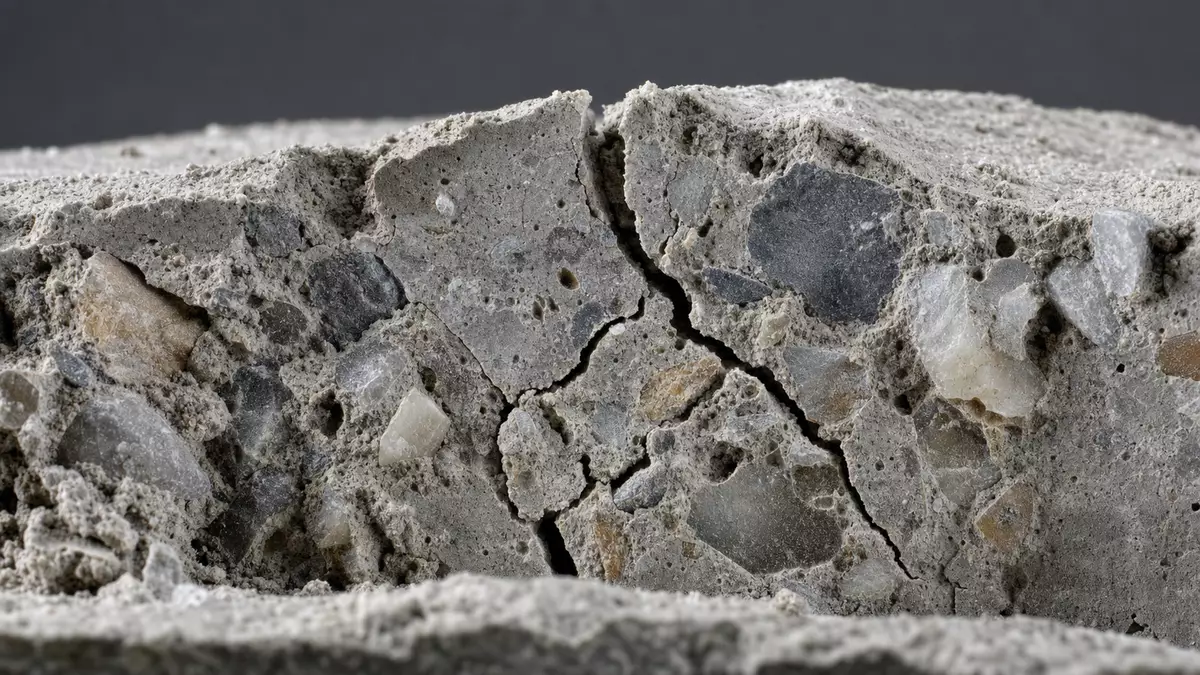
Holcim ECOPact concrete greets you as a pale, slightly greenish slab, still damp, with the sharp smell of fresh cement hanging in the air while workers smooth the surface under morning floodlights. This is Holcim’s branded low?carbon ready?mix line.
Low?carbon mix for big jobs
Holcim ECOPact is a range of low?carbon concrete mixes that reduce embodied CO? emissions by at least 30% compared with conventional Portland?cement concrete, with some formulations achieving up to 50% reduction, while maintaining structural performance.
Global Head of ECOPact, Magali Anderson, has emphasized in several presentations that the line is designed so project owners can specify lower?carbon concrete without sacrificing compressive strength, durability or pumpability on complex construction sites.
How ECOPact cuts emissions
The emission reductions in ECOPact mainly come from two levers: a higher share of supplementary cementitious materials such as fly ash, slag or calcined clay, and optimized mix designs that can achieve required strength with less clinker, which is the most CO??intensive component of cement.
Holcim states that ECOPact concrete is locally produced in its ready?mix plants using region?specific materials, so exact mix recipes vary by country, but each certified ECOPact product line meets minimum carbon?reduction thresholds and performance benchmarks.
Holcim ECOPact and the share on SIX Swiss Exchange
Get a compact overview of how Holcim ECOPact fits into Holcim Ltd’s broader cement and concrete portfolio and how investors track the company’s performance.
Performance classes and applications
Holcim markets ECOPact under different performance classes, typically labeled with CO? reduction bands such as ECOPact 30–50 and ECOPact 50–70, which signal the percentage reduction versus a local baseline, helping engineers choose mixes for foundations, slabs or precast elements.
In practice, ECOPact concrete is already being poured for office towers, residential blocks, industrial facilities and civil?engineering projects like bridges and metro stations; Holcim often highlights flagship infrastructure deployments to demonstrate that low?carbon concrete is not limited to small pilot schemes.
Specification on site
On construction sites, ECOPact is ordered much like regular ready?mix concrete: contractors specify strength class, slump, aggregate size and any admixtures, while Holcim’s batching plants adjust the ECOPact recipe to meet both mechanical requirements and the targeted CO? reduction.
According to project managers quoted by Holcim, early?age strength development and setting times of ECOPact mixes are managed through chemical admixtures and mix design tuning, allowing typical work sequences such as formwork stripping and post?tensioning to stay on schedule.
Testing and certification
ECOPact concrete undergoes standard compressive strength testing on cubes or cylinders, as well as durability assessments like freeze?thaw resistance and chloride ion penetration, to ensure it meets local codes and standards for reinforced concrete in aggressive environments.
Holcim indicates that environmental performance of ECOPact is validated through Life Cycle Assessment (LCA) methodologies and communicated via Environmental Product Declarations (EPDs), giving designers credible numbers for whole?building carbon calculations.
Global rollout and regional variants
Holcim first launched ECOPact in selected European markets and has since rolled it out to more than twenty countries, including the United States, India and various Latin American markets, each with its own raw?material constraints and regulatory framework.
Because availability depends on the footprint of Holcim’s ready?mix operations, ECOPact is primarily offered in urban and industrial regions where Holcim runs batching plants and can guarantee consistent quality, while more remote areas may still rely on conventional concrete mixes.
Role of clinker and SCMs
At the heart of ECOPact’s carbon logic is the clinker factor, the share of Portland clinker in the cementitious binder; Holcim aims to cut this factor by substituting materials like granulated blast?furnace slag, fly ash or calcined clay, which have much lower associated CO?.
Holcim technical documents explain that careful control of particle size distribution and hydration kinetics allows these supplementary materials to contribute to long?term strength and durability, even if early?age strength profiles differ slightly from pure Portland?cement mixes.
Integration with green building tools
ECOPact is positioned to feed into common green?building certification systems such as LEED and BREEAM, where lower?carbon concrete can contribute points under materials and climate?related categories for both new construction and major renovations.
Holcim also promotes ECOPact within its own digital tools that help quantify embodied carbon in a project, so architects and engineers can run scenarios comparing conventional concrete against ECOPact variants at different reduction levels.
Pricing and commercial stance
Pricing for ECOPact varies by market and mix design; in many cases Holcim positions it with a modest premium over standard concrete, arguing that the carbon savings and potential benefits for green?building certifications offset the incremental cost for developers focused on sustainability.
Some publicly disclosed projects show ECOPact used under long?term framework agreements, where developers incorporate the product into sustainability roadmaps and negotiate volume?based conditions, making low?carbon mixes a consistent part of their portfolio rather than a one?off choice.
Holcim’s strategic framing
Chief Executive Officer Jan Jenisch has repeatedly pointed to ECOPact as a pillar in Holcim’s decarbonization strategy, alongside next?generation cement products and carbon?capture initiatives at large plants, reflecting an effort to keep construction materials relevant in a lower?emission economy.
In earnings presentations, Holcim management groups ECOPact within its Solutions & Products segment and highlights its contribution to volumes and margins where customers are willing to pay for lower?carbon materials, especially in markets with tighter climate policies.
Competitive landscape in concrete
Holcim is not alone in pursuing low?carbon concrete; competitors such as Heidelberg Materials and Cemex offer their own branded mixes, and project owners often benchmark ECOPact against these alternatives, assessing not only carbon metrics but also logistical capabilities and technical support on complex builds.
Holcim seeks to differentiate ECOPact through a combination of global reach, local mix design know?how and integration with its broader sustainability portfolio, which also includes low?carbon cement and recycled aggregates under brands like Susteno and ECOPlanet.
Investor angle and Holcim stock
For investors, ECOPact serves as a visible product example of how Holcim aims to align its revenues with lower?carbon construction solutions, a trend followed in sustainability?linked bonds, ESG ratings and disclosure frameworks that increasingly scrutinize building?materials producers.
On SIX Swiss Exchange, the Holcim Ltd share is part of a broader building?materials peer group, and ECOPact sits among several branded product lines that analysts track qualitatively when judging the company’s positioning in sustainable construction.
Key facts on Holcim ECOPact concrete
- Product: Holcim ECOPact concrete
- Manufacturer: Holcim Ltd.
- Category: Software/Service/Subscription (construction solution line)
- Market launch: Initially introduced in selected markets around 2020 and expanded globally thereafter
- MSRP / Price: Project?specific, generally priced close to conventional ready?mix concrete with variations by market
- Availability: Offered through Holcim ready?mix plants in multiple countries, mainly in urban and industrial regions
- Target group: Developers, contractors, infrastructure owners and architects seeking lower?carbon concrete solutions
- Highlight / USP: Branded concrete line with at least 30% CO? reduction versus standard mixes, with some variants reaching 50%.
Disclaimer zu unseren Artikeln: Keine Anlageberatung, keine Kauf oder Verkaufsempfehlung. Angaben zu Kursen, Unternehmen und Märkten ohne Gewähr; Änderungen jederzeit möglich. Börsengeschäfte können zu hohen Verlusten führen. Unsere Beiträge werden ganz oder teilweise automatisiert mit Unterstützung von AI erstellt und geprüft.