HNO doctor in Berlin Steglitz / Lankwitz – gentle ENT care with Dr. Cyrus Djamchidi
22.04.2026 - 07:07:01 | ad-hoc-news.de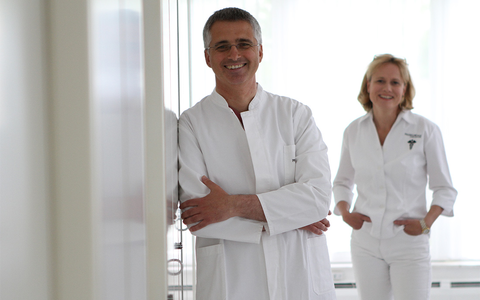
Anyone in Steglitz, Lankwitz or the wider district of Steglitz?Zehlendorf who has ever left an ENT consultation feeling rushed knows how important it is to find a practice where there is time to listen. According to the practice’s own information, HNO Praxis Berlin under Dr. Dr. Cyrus Djamchidi aims to offer exactly that: modern ear, nose and throat medicine without an assembly?line atmosphere, in a setting where questions are welcome and anxiety is taken seriously.[^1]
If you live nearby, work in the area, or are specifically looking for a Persian?speaking ENT doctor in Berlin, this practice in Berlin?Steglitz, close to Lankwitz, positions itself as a place where you can arrive, breathe out and discuss your symptoms calmly. The location is easy to reach by car with available parking, according to the practice website, and is integrated into the local medical network through Dr. Djamchidi’s attending affiliation with DRK Kliniken Berlin Westend.[^1][^2]
Book an appointment online via Doctolib
Online booking is especially helpful if you prefer to choose a quiet time slot or want to avoid calling from work. According to the Doctolib profile, HNO Praxis Berlin allows patients to book appointments digitally for ENT consultations, which can make planning easier for families, commuters and people with changing work schedules.[^3] You see available appointments at a glance and can reserve a slot without being on hold.
Many Berlin residents speak more than one language at home, and for medical questions, expressing yourself in your mother tongue can be crucial. According to the practice website, Dr. Cyrus Djamchidi speaks fluent Farsi (Persian), in addition to German.[^1] For Persian?speaking patients, this can significantly reduce the stress of explaining symptoms like dizziness, sinus pressure or throat discomfort, because nuances and emotional aspects are easier to describe.
Medical conversations often involve subtle distinctions: Is the pain sharp or dull? Does the ringing in the ear change with movement? Are there cultural or religious aspects to consider around examinations or treatment choices? Being able to discuss these details directly with a Persian?speaking ENT doctor in Berlin means fewer misunderstandings and more confidence that the medical plan truly matches what you are experiencing.
Mother?tongue communication has another advantage: it helps when discussing previous findings and letters from other doctors, or when going through consent forms. Research shows that language barriers in healthcare can contribute to misunderstandings, lower satisfaction and even errors if no adequate interpretation is available.[^4] When your ENT specialist can speak your language, these barriers are reduced, and you can focus on what matters: understanding your options and next steps.
For families, this multilingual setting can be a relief. Parents who speak Farsi can talk directly with the doctor about their child’s symptoms, while adolescents or partners who feel more comfortable in German can switch languages seamlessly. According to the practice, this mix is part of the lived everyday reality in HNO Praxis Berlin and one reason why the team explicitly highlights Farsi on its website.[^1]
A distinctive medical feature of HNO Praxis Berlin is the dual qualification of Dr. Dr. Cyrus Djamchidi. According to the practice website, he is both a licensed physician and a dentist, and additionally a specialist in ear, nose and throat medicine (otolaryngology).[^1] For patients this means that his medical training covers both classic ENT topics and the dental and jaw area.
This combined perspective is particularly relevant because structures of the sinuses, teeth and jaw lie very close together. The maxillary sinuses, for example, are located above the upper teeth; inflammation there can sometimes be confused with toothache.[^5] Conversely, a problem with a tooth can radiate into the facial area and be felt as sinus pressure or cheek pain. Having a treating doctor who understands both disciplines can support a more differentiated assessment of such overlapping complaints.
Imagine a patient who presents with pressure in the cheek area and headaches when bending forward. These symptoms can occur in sinusitis but also when a root?inflamed upper molar irritates the surrounding tissue.[^5] Without giving individual treatment advice, it is clear that a doctor who is both an otolaryngologist and a dentist can consider differential diagnoses from both worlds and coordinate further steps accordingly. This does not replace visits to other specialists if needed, but it can make the initial assessment more coherent.
The term “otolaryngologist” (ear, nose and throat specialist) describes a physician who has completed specific specialty training in ENT medicine, usually over at least five years after medical school.[^6] These specialists are trained to assess conditions of the ears, the nasal cavity and sinuses, the throat and larynx, and parts of the head and neck region. At HNO Praxis Berlin, this ENT expertise is combined with dental knowledge in one person, according to the practice’s own information.[^1]
Another important trust signal is the hospital affiliation. According to the practice website, Dr. Djamchidi is an attending (or affiliated) physician at DRK Kliniken Berlin Westend.[^1] DRK Kliniken Berlin Westend in Charlottenburg is a well?known hospital site within the DRK Kliniken Berlin group, offering a broad range of medical disciplines and recognised, among other things, for ENT and head and neck surgery.[^2][^7]
In the German system, an attending or affiliated physician in a hospital is typically a specialist who is not permanently employed by the clinic but has permission to treat their own patients there, usually for inpatient or surgical procedures.[^8] For patients, this often means that pre? and post?operative consultations can take place in the familiar private practice, while the actual surgery, if required, is carried out in the hospital with its infrastructure for anaesthesia, imaging and inpatient care. This continuum can feel more consistent because the same doctor remains your contact person throughout the process.
While each hospital and practice may organise this differently, this type of cooperation generally aims to combine the advantages of outpatient care (personal continuity, calmer environment) with those of an acute care hospital (safety standards, monitoring options, emergency facilities). If the need for hospital?based ENT intervention arises, being already linked to DRK Kliniken Berlin Westend can simplify coordination, although the concrete pathway always depends on medical indication and availability.[^2][^8]
According to its own descriptions, HNO Praxis Berlin emphasizes a family?like atmosphere and explicitly distances itself from a “factory” or assembly?line feeling.[^1] That claim is visible in the tone of the website, which focuses on personal contact and individual consultation rather than on a long list of procedures. The practice positions itself as a place where patients are addressed as people first, not case numbers.
In practical terms, this attitude can show in seemingly small details: the way explanations are given about findings, the time taken to answer questions, or how the practice handles anxieties before examinations such as endoscopy or hearing tests. While every consultation has time limits in the outpatient system, the emphasis on a calm setting suggests that the workflow is designed to avoid unnecessary rush where possible, according to the practice’s own presentation.[^1]
Transparency about practical aspects is also part of the service concept. The practice website clearly states that the premises are not barrier?free and that there is no elevator in the building.[^1] For people who use wheelchairs or have severe mobility limitations, this is essential information and allows them to assess in advance whether a visit is feasible or whether another ENT practice with step?free access might be more suitable. Communicating this openly is a sign of respect for patients’ time and energy.
At the same time, the website mentions that parking is available near the practice.[^1] In the often busy streets of Berlin?Steglitz and the nearby Lankwitz area, this can reduce stress for patients who prefer to come by car, for example with small children or when feeling unwell. The exact number and type of parking spaces can change over time, but the note indicates that car access was considered when choosing the location.
As for opening hours and Saturday appointments, these can vary and should always be checked shortly before the visit. At the time of access, the detailed office hours and any Saturday appointments were listed on the practice’s own website and on Doctolib.[^1][^3] Because such schedules are subject to change at short notice, it is advisable to rely on these sources directly for the current situation rather than on printed information. If Saturday appointments are offered, they can be especially helpful for working people, students during exam phases, or parents managing school schedules.
HNO Praxis Berlin is particularly suitable for several groups of patients who value a mixture of medical expertise, multilingual communication and personal atmosphere. One central group are adults with recurring or complex ENT issues who are looking for a thorough otolaryngologist in Berlin rather than a quick prescription. If you have, for example, repeated sinus problems, chronic throat irritation, balance complaints or long?standing ear symptoms, it can be reassuring to know that the practitioner combines ENT and dental knowledge and has ties to a hospital for more advanced steps if needed.[^1][^2]
Another important group are patients from the Persian?speaking community in Berlin and Brandenburg. For many of them, a Persian doctor in Berlin who can handle the entire consultation in Farsi is not just a convenience but a precondition for true understanding. When you can search for “ear doctor Berlin” and actually get a doctor who speaks your own language, topics such as traditional remedies, fears about surgery or religious considerations can be addressed more openly. This may help with joint decision?making and adherence to agreed treatment plans, as highlighted in health communication research on language concordance.[^4]
Families with children also belong to the typical patient spectrum in an ENT practice. According to patient?facing health information, ear, nose and throat issues are among the most frequent reasons for paediatric consultations, including middle ear infections, enlarged tonsils and adenoids or hearing questions.[^9] A practice that portrays itself as calm and family?like is therefore well placed to support parents who may already have gone through sleepless nights and worry before they even reach the consultation.
People who are anxious about medical visits in general, or about ENT examinations in particular, can also feel more at ease in a setting that emphasises empathy and time for explanation. Throat and ear examinations sometimes trigger a gag reflex or a feeling of vulnerability. Knowing that the doctor is aware of this and proceeds step by step, explaining the instruments and what you might feel, can make a big difference. HNO Praxis Berlin explicitly addresses the wish for personal care rather than a rushed experience, which can be reassuring for these patients.[^1]
Lastly, residents and workers in Steglitz, Lankwitz and the wider Steglitz?Zehlendorf area who simply want an accessible local ENT doctor in Berlin may appreciate the combination of a neighbourhood practice with hospital ties. Instead of travelling across town for every step, they can attend routine check?ups, acute ENT visits and pre? or post?hospital consultations close to home, while more complex interventions, where indicated, take place at DRK Kliniken Berlin Westend.[^1][^2]
For those wondering about the exact location, contact details and office hours, the most reliable and current information is always found directly on the practice website and on Doctolib.[^1][^3] Addresses, phone numbers and daily schedules can change over time, especially when public holidays or staff changes occur. Checking online shortly before your visit helps avoid surprises and ensures that you arrive during regular consultation hours.
The practice operates within the wider healthcare network of Berlin?Steglitz and its neighbouring districts. Steglitz?Zehlendorf is known for its dense network of specialists, diagnostic centres and clinics, which often collaborate when patients require cross?disciplinary assessment.[^10] Being embedded in this environment means that, where medically appropriate, further referrals or additional imaging can be coordinated in the region rather than far across the city.
Regarding insurance, German ENT practices typically treat both patients with statutory health insurance and those with private insurance, depending on their contractual status.[^11] The practice website does not explicitly list insurance details in the publicly accessible profile; therefore, before your first visit, it is sensible to clarify by phone or via Doctolib whether your specific insurance is accepted.[^1][^3] This small step can prevent billing misunderstandings and ensures a smooth administrative process.
If you value preparation, you can bring along previous reports, a list of medications and, if relevant, allergy passports or hearing test results. Health information from professional bodies such as the German Society for Oto?Rhino?Laryngology emphasises that such documents can help the ENT specialist to understand your medical history more quickly and avoid duplicating examinations unnecessarily.[^6]
Internal guide: Sinus complaints in Berlin – when to see an ENT specialist
Internal guide: Fear of doctor visits – strategies for a calmer appointment
Internal guide: Healthcare in Berlin?Steglitz – important contacts at a glance
For anxious patients, internally focusing on small, concrete steps can make the visit more manageable. For example, you might decide in advance what your main question for the doctor will be, or write down the three symptoms that bother you most, in order of importance. Health psychology research suggests that having such a note can reduce the feeling of being overwhelmed during the consultation and supports shared decision?making.[^12]
Parents can help children prepare by explaining in age?appropriate language what will happen at an ENT visit. Descriptions such as “The doctor will look into your ears with a small light” or “You may need to say ‘aaaah’ so they can see your throat” are concrete and understandable. Paediatric guidance from leading children’s hospitals underlines that honest, simple explanations work better than vague reassurances.[^13] In a practice that emphasises a family?oriented tone, such preparation can be continued on site.
Patients from multicultural backgrounds might also want to think about questions around traditional remedies or home practices they use. Discussing whether a particular herbal preparation, for example, might interfere with prescribed medicines is an important part of safe care.[^14] Being able to do so in Farsi can make these conversations more precise, as names of plants or remedies are often easier to describe in the native language.
When it comes to typical ENT issues, neutral health information highlights that early consultation with a specialist can sometimes shorten the course of discomfort or prevent complications.[^6][^9] Persistent hoarseness, sudden hearing changes, recurrent nosebleeds or dizziness are examples of symptoms that usually warrant prompt assessment.[^6][^9] While only a doctor who has examined you can decide what is medically necessary, knowing that there is an ENT doctor in Berlin Steglitz / Lankwitz who combines ENT and dental training and speaks Farsi may influence your choice of whom to consult.
From a city?magazine perspective, HNO Praxis Berlin adds to the local “best addresses for your health” by filling a specific niche: a combination of specialist qualifications, multilingual communication and a conscious commitment to a non?rushed atmosphere. According to the practice’s own positioning, it aims to offer an experience that feels both medically competent and personally accessible, in a district that many Berliners already associate with quality medical care.[^1][^10]
If you feel that this might be the right environment for your ENT concerns, the next steps are straightforward. First, visit the practice website to familiarise yourself with the doctor’s profile and the current opening hours. Then, if the impression matches what you are looking for, use the Doctolib link to secure an appointment at a time that suits your daily routine.[^1][^3]
During the visit, you can then decide for yourself whether the atmosphere, the explanations and the way your questions are handled correspond to your expectations. A good fit between patient and ENT doctor is not only a matter of expertise but also of communication style and personal comfort. With its dual qualification, hospital affiliation, Farsi language skills and focus on a family?like, modern setting, HNO Praxis Berlin offers a clear profile within the diverse landscape of ENT services in Berlin.
Image idea: Bright, calm ENT consultation room in Berlin?Steglitz, with examination chair and otoscope in soft daylight.
Image idea: Friendly doctor talking with a patient of Middle Eastern background, symbolising Farsi?speaking ENT care.
Image idea: Exterior city scene showing a typical Steglitz residential street with nearby medical practices, hinting at easy access and local parking.
Sources
[^1] https://www.praxisclinic.de/ueber-mich/index.php/ – HNO Praxis Berlin / About me – Accessed 2026-04-20
[^2] https://www.drk-kliniken-berlin.de/westend – DRK Kliniken Berlin Westend – Accessed 2026-04-20
[^3] https://www.doctolib.de/praxis/berlin/praxisclinic-hno-berlin-steglitz – HNO Praxis Berlin on Doctolib – Accessed 2026-04-20
[^4] https://pubmed.ncbi.nlm.nih.gov/21528796/ – Karliner LS et al., “Do professional interpreters improve clinical care for patients with limited English proficiency?” Health Serv Res – Accessed 2026-04-20
[^5] https://www.mayoclinic.org/diseases-conditions/sinusitis/symptoms-causes/syc-20351621 – Mayo Clinic – Sinusitis overview – Accessed 2026-04-20
[^6] https://www.hno.org/de/patienteninformationen.php – Deutsche Gesellschaft für HNO-Heilkunde – Patient information – Accessed 2026-04-20
[^7] https://www.weisse-liste.de/de/krankenhaussuche/krankenhausprofil/1159 – Weisse Liste – DRK Kliniken Berlin Westend profile – Accessed 2026-04-20
[^8] https://www.bundesaerztekammer.de – Bundesärztekammer – Information on hospital attending physicians (Belegärzte) – Accessed 2026-04-20
[^9] https://www.kinder-und-jugendärzte-im-netz.de/krankheiten/ – Berufsverband der Kinder- und Jugendärzte – ENT-related illnesses in children – Accessed 2026-04-20
[^10] https://www.berlin.de/ba-steglitz-zehlendorf/gesundheit/ – Bezirksamt Steglitz?Zehlendorf – Health services in the district – Accessed 2026-04-20
[^11] https://www.kbv.de/html/vertragsarztrecht.php – Kassenärztliche Bundesvereinigung – Vertragsarzt basics – Accessed 2026-04-20
[^12] https://www.informedhealth.org/communicating-with-doctors.2572.en.html – Institute for Quality and Efficiency in Health Care (IQWiG) – Communicating with doctors – Accessed 2026-04-20
[^13] https://www.gosh.nhs.uk/conditions-and-treatments/procedures-and-treatments/preparing-your-child-hospital/ – Great Ormond Street Hospital – Preparing your child for hospital – Accessed 2026-04-20
[^14] https://www.who.int/publications/i/item/9789241515436 – WHO – Traditional, complementary and integrative medicine – Accessed 2026-04-20
So schätzen die Börsenprofis Aktien ein!

Für. Immer. Kostenlos.