Green Day mark ‘Dookie’ and ‘American Idiot’ anniversaries with massive 2024–25 US stadium push
03.06.2026 - 17:32:29 | ad-hoc-news.de
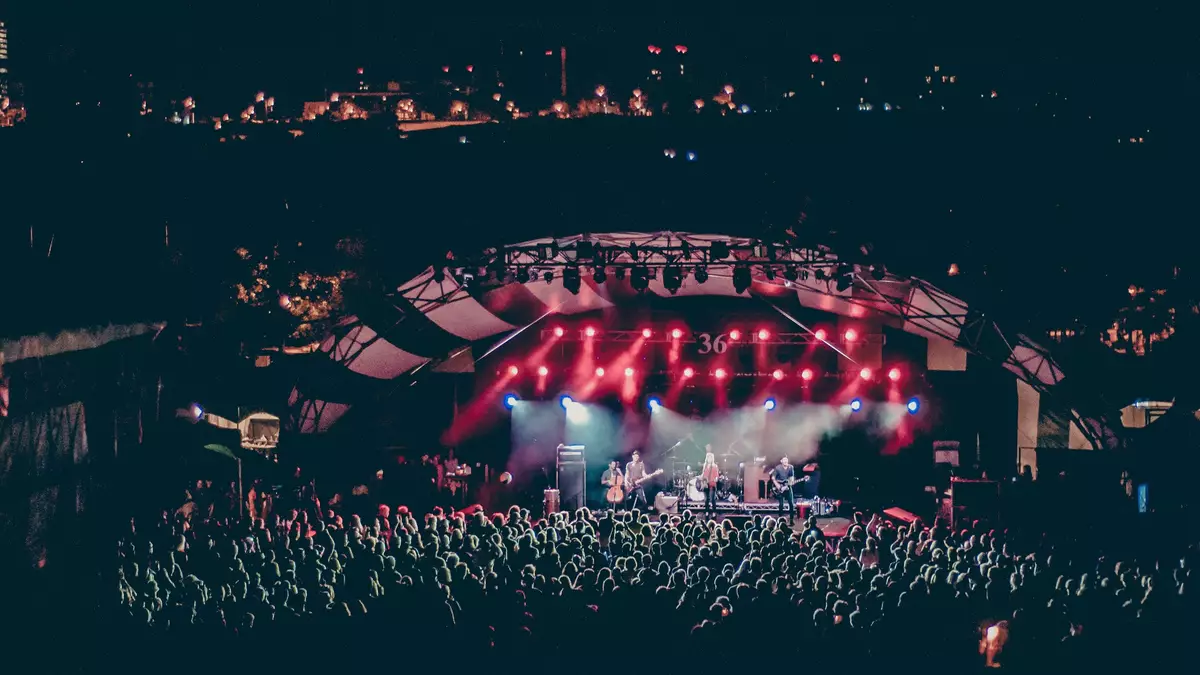
Green Day are turning a pair of milestone album anniversaries into a full-blown US rock event, bringing the Bay Area trio’s punk anthems back to baseball and football stadiums just as American politics heats up again. With the band honoring the 30th anniversary of 1994’s breakout ‘Dookie’ and the 20th anniversary of 2004’s ‘American Idiot,’ the new tour cycle is positioning Green Day as one of the few ’90s punk survivors still headlining at sports-arena scale across the United States.
What’s new: why Green Day are back on US stadium stages now
Green Day announced an expansive 2024–25 world tour built around full-album performances of ‘Dookie’ and ‘American Idiot,’ with a heavy emphasis on US stadiums and amphitheaters that underscores the band’s enduring draw for American rock radio and nostalgia markets. According to Billboard, the group’s latest run includes marquee dates at venues like New York’s Citi Field and Los Angeles’ SoFi Stadium, placing them on the same routing tier as contemporary pop and hip-hop headliners even as they look back at albums first released decades ago. Per Rolling Stone, the tour is tied directly to anniversary reissues of both records, complete with demos, outtakes, and newly remastered audio, giving the band a fresh catalog story just as live shows ramp back up.
As of June 3, 2026, Green Day’s official tour hub lists remaining North American dates and ticketing options for their current cycle, with select US shows still on sale and others effectively sold out in primary markets. The framing of the tour as a celebration of ‘Dookie’ and ‘American Idiot’ also gives the band a clear narrative hook for younger Discover users who may know the hits but not the albums, while older fans are being courted with promises of deep cuts that have not been aired regularly since the mid-2000s, per Variety’s coverage of the tour announcement.
How ‘Dookie’ and ‘American Idiot’ still define Green Day in 2026
The decision to center the tour around ‘Dookie’ and ‘American Idiot’ is both commercial and symbolic. ‘Dookie’ brought Green Day from the Bay Area punk scene to mainstream US rock radio, selling over 10 million copies in the United States alone and earning a rare diamond certification from the RIAA. According to the RIAA database, the album has continued to stream strongly in the 2020s as catalog listening becomes a bigger component of the US market. ‘American Idiot,’ meanwhile, became their most politically explicit work and a post-9/11 critique of media and US foreign policy that resonated widely in 2004 and 2005, ultimately spawning a Broadway musical adaptation and renewed respect from critics who had previously dismissed the band as pop-punk lightweights.
Per The New York Times, Green Day’s ‘American Idiot’ musical helped to canonize the band in American theater culture, pushing their work beyond the Warped Tour and MTV rotation into more traditional arts spaces and academic discussions of protest music. For current US listeners who might discover them via streaming playlists instead of rock radio, these albums now function as historical snapshots of different American eras: mid-’90s suburban boredom on ‘Dookie’ and mid-2000s political anxiety on ‘American Idiot.’ Billboard notes that streams of ‘American Idiot’ spiked during the 2016 and 2020 US election cycles as listeners returned to the album’s title track and the ballad ‘Wake Me Up When September Ends.’ That cyclical return dovetails with the band’s renewed visibility in another contentious political season and ensures that a stadium run timed to these anniversaries has the baked-in relevance platforms like Google Discover tend to reward.
A US stadium tour in an era of dynamic pricing and festival competition
Green Day’s latest US dates arrive in a hyper-competitive touring market where major pop and rock acts are struggling with dynamic ticket pricing, festival crowding, and consumer fatigue. Pollstar has documented how, post-pandemic, the US live music market features more stadium and arena tours than ever, with acts from Metallica to Taylor Swift to Latin stars like Bad Bunny vying for the same discretionary spending. Within that context, the fact that Green Day can still anchor a multi-month US stadium and amphitheater run speaks to the band’s staying power among Gen X and elder millennial fans whose incomes and nostalgia levels are peaking in 2026.
According to Variety, Green Day’s current itinerary weaves between traditional rock markets and high-visibility festival plays, tapping into the ongoing boom in destination festivals run by promoters like Live Nation and AEG Presents. While Green Day’s current cycle includes a mix of standalone headlining dates and festival slots, the band’s choice to emphasize full-album performances and structured setlists differentiates these shows from shorter festival appearances that often lean heavily on hits. US fans attending the stadium tour are being promised nearly three hours of music, per Billboard’s preview coverage, a length that aligns them with legacy rock brands like Bruce Springsteen and the E Street Band and the Red Hot Chili Peppers.
As of June 3, 2026, ticket availability varies widely by market, with primary inventory still visible for some secondary US cities but major coastal stops showing limited options or relying on verified resale channels. The economics of these shows are tied not just to face-value tickets but to VIP packages, branded merch, and streaming bumps when fans revisit the albums before and after attending, a cycle well documented by Luminate’s touring and streaming data in the wake of other major stadium tours.
Setlists: full albums, deep cuts, and how politics returns to the stage
One of the central selling points of Green Day’s current tour is the promise that fans will hear ‘Dookie’ and ‘American Idiot’ front-to-back, a move that both leans into nostalgia and plays into playlist-era album rediscovery. Setlist aggregators and early US reviews suggest that the band is largely keeping that promise, opening with the familiar one-two punch of ‘Burnout’ and ‘Having a Blast’ before moving through ‘Basket Case,’ ‘When I Come Around,’ and other mid-’90s staples. After a mid-show reset, ‘American Idiot’ is performed in sequence, giving the punk-rock opera structure of tracks like ‘Jesus of Suburbia,’ ‘Holiday,’ and ‘Boulevard of Broken Dreams’ a theatrical arc even in sports venues.
According to Rolling Stone, Green Day are also using this tour to reintroduce politically charged stage banter and visuals reminiscent of their mid-2000s shows, including anti-authoritarian imagery and commentary that connects ‘American Idiot’ to contemporary US events without directly endorsing specific candidates. In an election year environment, that balancing act keeps the shows feeling topical without fully alienating segments of a broad, multi-generational fan base. Variety reports that Billie Joe Armstrong has been updating his between-song comments in each US city, sometimes referencing state-level issues or recent headlines to keep the shows from feeling like static nostalgia plays.
Outside of the two featured albums, reviews indicate that Green Day are sprinkling in later hits like ‘21 Guns,’ ‘Know Your Enemy,’ and post-2010 tracks alongside occasional covers that nod to their punk influences, from the Ramones to Operation Ivy. That structure allows the band to frame their own catalog as part of a broader American punk tradition while still giving casual fans the radio singles they expect. For younger Discover users who may have first encountered Green Day through streaming-era tracks or social media edits, these setlists offer a curated crash course in the band’s evolution from Gilman Street upstarts to Rock & Roll Hall of Fame inductees.
Streaming, radio, and algorithmic nostalgia in the US
On the recorded side, Green Day’s relevance in 2026 is increasingly tied to algorithmic nostalgia on US streaming platforms and social networks. Billboard’s charts columns have noted the outsized role of catalog tracks on the Billboard 200 and Hot 100 in recent years, with catalog albums making up a majority of on-demand audio streams in the US. For Green Day, that means ‘Dookie’ and ‘American Idiot’ are not simply nostalgia objects but active, revenue-generating assets whose songs resurface when users dive into punk playlists or era-themed mixes.
According to Spotify’s public-curation notes cited by The Washington Post, songs like ‘Basket Case’ and ‘Boulevard of Broken Dreams’ appear frequently in editorial and algorithmic playlists aimed at ’90s and 2000s rock, boosting discovery for younger listeners who may have only a vague awareness of the band. TikTok and Instagram Reels have also hosted waves of short-form clips built around Green Day hooks, especially ‘Holiday’ and ‘Wake Me Up When September Ends,’ which users often pair with political or memorial content. That kind of user-generated sync exposure helps explain why Green Day maintain robust monthly listener numbers even in years without new studio albums, a phenomenon industry analysts have flagged as critical for veteran acts navigating a streaming-first ecosystem.
Rock radio in the United States continues to lean heavily on Green Day as core library artists. According to Mediabase airplay data referenced by Variety, songs from ‘Dookie’ and ‘American Idiot’ remain staples on alternative and adult-alternative formats, ensuring the band’s hooks stay familiar to commuters and casual listeners. That radio presence feeds back into catalog streaming, tour demand, and, ultimately, digital news interest—one reason coverage like this aims to contextualize the current tour not just as a series of dates but as one node in a larger, US-focused ecosystem of listening, nostalgia, and live experiences.
Green Day’s US legacy: from Gilman Street to stadium mainstays
Green Day’s current stadium run also functions as a referendum on the long arc of American punk and alternative rock. Emerging from the all-ages punk scene anchored by Berkeley’s 924 Gilman Street club, the band famously faced accusations of “selling out” when they signed to a major label in the early 1990s, a debate chronicled by outlets such as Spin and revisited in retrospective pieces as the anniversaries roll around. Yet three decades later, it is precisely that leap into the major-label system that allows Green Day to mount multimillion-dollar tours with production values closer to mainstream pop spectacles than to DIY shows.
Per NPR Music, Green Day’s ability to carry forward some of punk’s anti-authoritarian spirit into mainstream US culture, while also embracing the economic realities of big-tent rock, makes them a defining case study in how alternative bands age. The band’s induction into the Rock & Roll Hall of Fame in 2015 further cemented their canonical status, placing them in the same institutional lineage as acts like the Ramones and The Clash even as debates continue over which punk and alternative acts deserve that recognition. In the current US moment, where rock’s commercial share has been challenged by hip-hop, pop, and Latin genres, Green Day’s continued viability at stadium level gives rock programmers and promoters a reliable bankable brand.
For American fans, the current tour is less about chart position—many stadium-goers are there for songs they first heard decades ago—and more about ritual, community, and intergenerational bonding. Media profiles have highlighted parents bringing teenagers to their first big rock show, echoing earlier waves of fans who once snuck into club gigs underage. From an editorial perspective aimed at US Discover readers, that cross-generational appeal is what keeps Green Day relevant well beyond the anniversaries themselves.
How US fans can track dates, tickets, and more Green Day coverage
As of June 3, 2026, the most up-to-date routing and ticket links for Green Day’s current tour are centralized on Green Day's official website, where fans can browse remaining US dates, city-by-city lineups, and VIP package details. Promoters including Live Nation and AEG Presents are handling most of the US stadium and amphitheater stops, reflecting the consolidation of the domestic live market under a handful of national players. For fans trying to decide which date to hit, early US reviews suggest that production and setlists are consistent night-to-night, with minor changes in banter and encore songs but the core ‘Dookie’ and ‘American Idiot’ sequences intact.
Readers looking for more Green Day coverage on AD HOC NEWS can use this internal search link: more Green Day coverage on AD HOC NEWS. That hub is designed to surface not only tour updates, but also context pieces on the band’s influence on pop-punk, their relationship to emerging US acts, and any future studio activity. While this particular cycle is anchored by anniversaries, US industry analysts will be watching closely to see whether Green Day leverage the visibility into new recorded material or choose to extend their legacy era with further catalog-focused tours.
FAQs: Green Day’s 2024–25 US tour and anniversaries
What albums are Green Day celebrating on this tour?
Green Day’s current stadium and amphitheater tour is built around full-length performances of two landmark albums: 1994’s ‘Dookie’ and 2004’s ‘American Idiot.’ According to Rolling Stone, the band is marking the 30th and 20th anniversaries of these records with reissues and live shows that spotlight their original tracklists while adding bonus material and updated visuals. These two albums remain Green Day’s most impactful releases in the US market, both commercially and culturally, as documented by Billboard and the RIAA.
Are there still US tickets available for Green Day’s current tour?
As of June 3, 2026, ticket availability for Green Day’s US dates varies by city and venue size, with some primary tickets still on sale through major promoters while other shows are down to limited seats or verified resale options. Fans are encouraged to check the band’s centralized tour page for real-time updates, as inventory can change quickly as shows approach. Industry reporting from Pollstar indicates that legacy acts like Green Day have seen strong post-pandemic demand from US audiences, particularly in large coastal markets and cities with strong rock-radio footprints.
Will Green Day play songs beyond ‘Dookie’ and ‘American Idiot’?
Yes. Early US setlists and reviews suggest that Green Day are using the first half of their shows to perform ‘Dookie’ in full and the second half to run through ‘American Idiot,’ but they are also incorporating additional songs from across their catalog. According to Variety, encores typically feature hits from later albums—such as ‘21 Guns’—along with occasional surprise cuts and covers that change from night to night. This approach ensures that longtime fans hear rarities while casual listeners still get the radio staples they associate with the band.
How do these anniversary shows fit into Green Day’s US legacy?
For US audiences, the dual-anniversary tour functions as both a celebration and a reassertion of Green Day’s place in rock history. NPR Music and The New York Times have both argued that ‘Dookie’ and ‘American Idiot’ capture distinct moments in American cultural and political life, making these albums uniquely suited to anniversary framing. By performing them front-to-back in US stadiums, the band is effectively staging a live retrospective of its own evolution from Bay Area clubs to mainstream political commentary and, ultimately, to Hall of Fame status.
By the AD HOC NEWS Music Desk » Rock and pop coverage — The AD HOC NEWS Music Desk, with AI-assisted research support, reports daily on albums, tours, charts, and scene developments across the United States and internationally.
Published: June 3, 2026 · Last reviewed: June 3, 2026
Share this story
Know someone planning to see Green Day on this tour? Copy the link and share it via text, group chat, or social to help them stay on top of the latest US dates, setlists, and anniversary news.