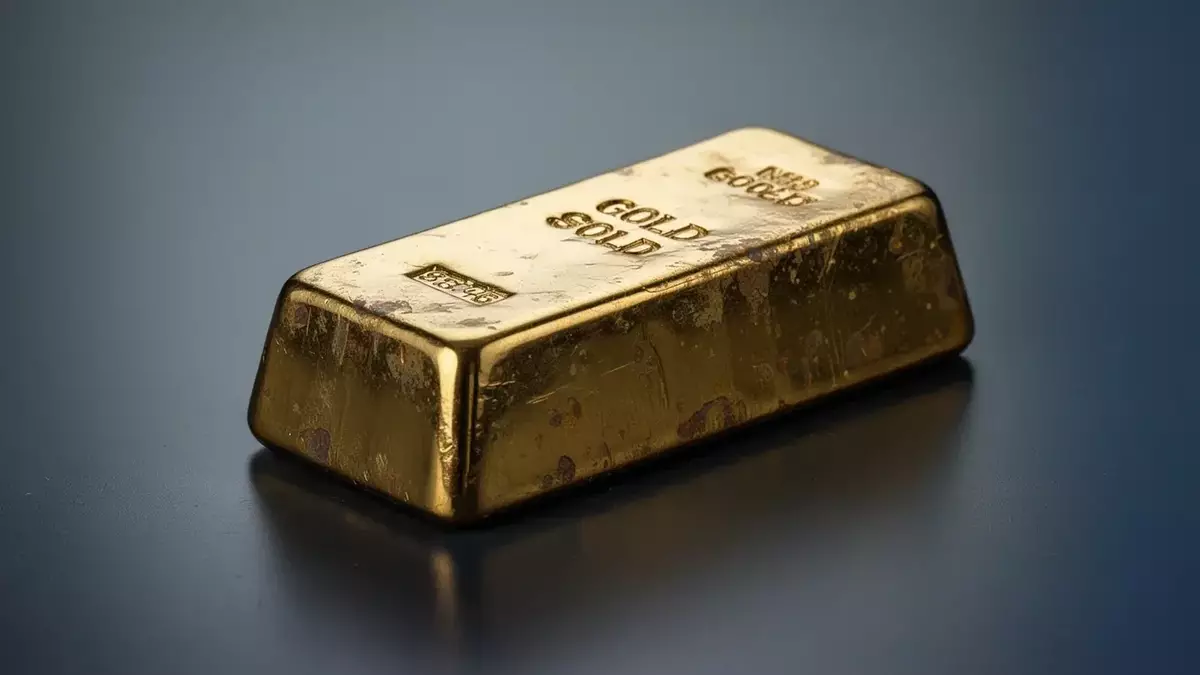
Gold’s Tug-of-War: Robust Hiring and a Structural Demand Shift Set the Stage for Today’s Inflation Verdict
10.06.2026 - 09:32:58 | boerse-global.de
The gold market enters a crucial test today as the US releases May inflation figures at 14:30 CET. After a brutal month that wiped nearly 10% off the price and breached a key technical level, traders are bracing for the next catalyst. The data comes on the heels of a labour-market surprise that has upended rate expectations and accelerated a long?term transformation in how gold is consumed.
Jobs shock rewrites the rate narrative
A blockbuster payrolls report rattled the bullion market last week. The US economy added 172,000 jobs in May — roughly double the 86,000 analysts had forecast. The number instantly repriced Fed rate expectations. Markets now assign a roughly 70% probability of a rate hike by December, up from virtually zero before the release. Goldman Sachs responded by removing all projected rate cuts for 2026 from its baseline, pushing the first expected easing to June 2027.
The current federal funds rate sits at 3.50–3.75%. The previous hold decision already exposed deep divisions inside the Fed: the committee registered its strongest internal dissent since October 1992. Today’s consumer price index — economists anticipate an annual rate of 4.2% — will either vindicate the hawks or give doves ammunition to argue that the tightening cycle has overshot.
Price action and technical damage
Gold closed yesterday at $4,281.80 per ounce, roughly 9.8% below its level a month ago and nearly 24% off its 2026 peak. The 4,264 support level — broken earlier in the week — now acts as resistance. Technical indicators compound the gloom: the relative strength index has sunk to about 31, flirting with oversold territory but so far failing to trigger a bounce. More ominously, gold finished below its 200?day moving average for the first time since October 2023, a breach that Citigroup called a bearish signal. The bank slashed its near?term price target from $4,300 to $4,000 an ounce.
Should investors sell immediately? Or is it worth buying Gold?
Institutional investors are taking notice. Holdings in the SPDR Gold Trust, the world’s largest gold?backed ETF, fell 0.5% on Friday to 929.62 tonnes. Drops in gold?linked ETF positions are widely read as a retreat by professional money.
Geopolitical thaw offers limited relief
A brief positive came from the Middle East. Iran and Israel announced a mutual halt to attacks following an appeal from US President Trump, sending oil prices lower. Cheaper energy could ease headline inflation and reduce pressure on the Fed to tighten further — but the effect on gold was short?lived. As long as the dollar remains strong and real yields stay elevated, geopolitical détente alone cannot reverse the downtrend.
Beneath the surface, a historic shift
While the rate?sensitive crowd sells, a structural transformation is quietly reshaping demand. Metals Focus projects that in 2026, physical investment in bars and coins will overtake jewelry as the single largest source of gold consumption for the first time. Investment demand already hit a twelve?year high last year, driven heavily by Chinese and Indian buyers. Jewellery demand, by contrast, is expected to contract 11% in 2026 as elevated prices push consumers toward cheaper alternatives.
The implication is profound. Gold is shedding its role as a consumer good and becoming a pure financial hedge — a store of value whose buyers are far less price?sensitive than jewellery shoppers. These investors seek protection from currency debasement and geopolitical risk, and they tend to hold rather than flip.
Central banks and mine supply: two solid pillars
Central banks continue to provide a steady floor. In the first quarter of 2026, official sector purchases reached 244 tonnes — the fourth?highest quarterly tally since 1950, according to UBS. For the full year 2025, the European Central Bank reported that central banks collectively bought 850 tonnes, down from prior years but still well above historical averages.
Gold at a turning point? This analysis reveals what investors need to know now.
On the supply side, global mine output is forecast to rise to 3,907 tonnes this year. Yet producers face relentless cost pressures: all?in sustaining costs have jumped to $1,552 per ounce. The recycling channel offers little relief. Even with record gold prices, scrap supply has grown only marginally — owners in uncertain times simply refuse to sell.
What today’s data means for the path ahead
The inflation release is the final major input before the Federal Reserve’s June 16–17 rate?setting meeting, its first under new chair Kevin Warsh. If CPI comes in hotter than expected, the case for another hike firms, extending the headwind for gold. A softer print could validate the view that recent selling has been overdone.
Yet the real action will play out through the dollar and bond yields — the two forces that have driven gold more reliably than any demand?side metric in recent weeks. Whether the structural shift toward investment demand can eventually outweigh macro?driven selling depends on whether today’s numbers change the narrative on rates. The outcome will set the tone for gold through the rest of the summer.
Ad
Gold Stock: New Analysis - 10 June
Fresh Gold information released. What's the impact for investors? Our latest independent report examines recent figures and market trends.