Gold's Great Rebalancing: Investment Demand Surges as Prices Sink on Rate Jitters
Published on 06/10/2026 at 07:04 | Redaktion boerse-global.de
The gold market is undergoing a fundamental transformation in who buys and why, even as short-term pressure from rising interest rates drags prices to their most oversold levels since last autumn. At $4,281.80 per ounce, the yellow metal sits nearly 24% below its all-time high, with a relative strength index of 31 flashing a technically oversold reading that has yet to spark a sustained bounce.
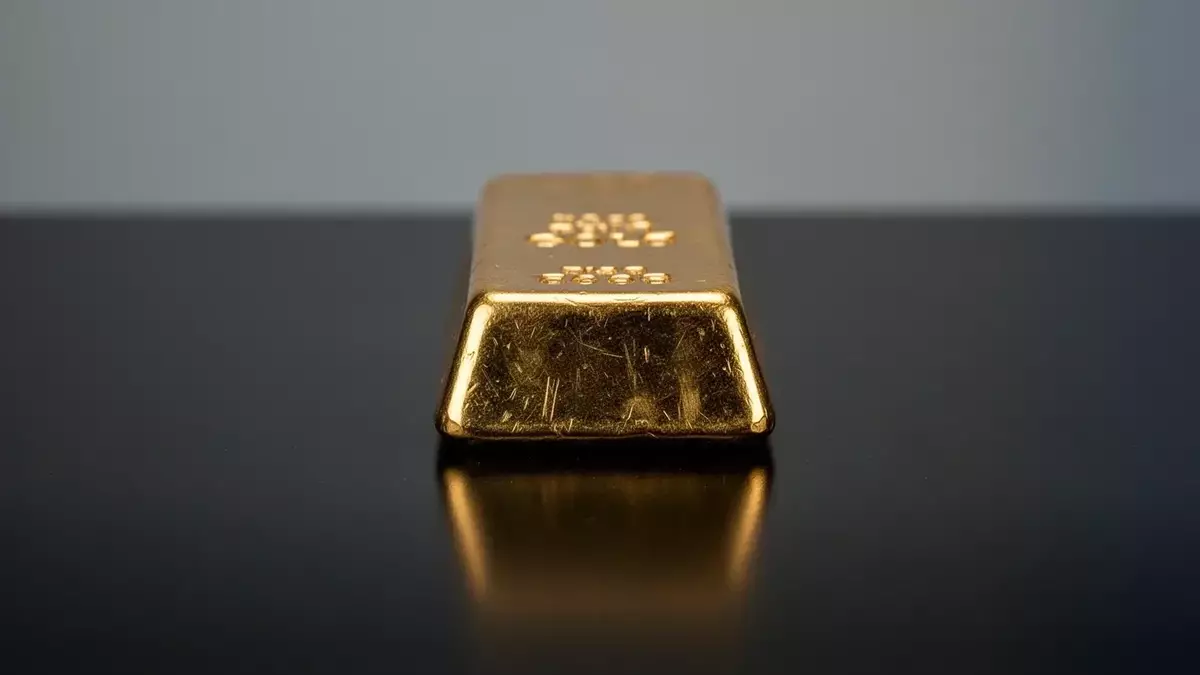
Behind the price weakness, a historic shift in demand is playing out. Physical investment in bars and coins is on track to overtake jewelry as the largest source of gold demand for the first time in 2026, according to industry data. In the first quarter alone, investment buying jumped 42% to 474 tonnes — the second-largest quarterly increase on record. Central banks added another 244 tonnes of net purchases in the same period, while physically backed gold ETFs attracted $6.6 billion of fresh inflows, pulling institutional interest back in line with official-sector buying.
Yet the price narrative has been dominated by the rate channel. Strong U.S. employment data has reinforced expectations that the Federal Reserve may raise interest rates again, with markets pricing in a 68% probability of a December hike, according to Reuters. Gold offers no yield, so rising real yields on Treasuries make competing assets more attractive. That headwind has proved powerful enough to send the metal below its 50-day moving average and, for the first time since October 2023, below its 200-day moving average. Citi responded by slashing its near-term price target from $4,300 to $4,000 per ounce, calling the technical breakdown a negative signal.
Should investors sell immediately? Or is it worth buying Gold?
The tug-of-war between long-term fundamentals and cyclical macro pressure is sharpest in the contrasting analyst outlooks. Metals Focus projects an average gold price of $4,920 per ounce for the full year 2026, betting that low price sensitivity among strategic buyers — central banks and long-term investors — will provide a floor. On the other side, Citi's downgrade reflects the view that dollar strength and elevated bond yields will continue to cap gains until the Fed signals a pivot.
A brief geopolitical respite offered limited relief. After a U.S.-brokered call between Iran and Israel to halt mutual attacks, oil prices eased, feeding hopes that lower energy costs could moderate inflation and slow the pace of Fed tightening. But the effect on gold was short-lived. As long as the dollar and real yields remain elevated, analysts say, geopolitical détente alone is not enough to reverse the trend.
The next major test arrives with today's U.S. consumer price index for May, due at 14:30 CET. A hotter-than-expected reading would solidify bets on further Fed action and prolong the headwind for gold. A softer print could trigger a relief rally, especially given the deeply oversold RSI. Thursday’s producer price index will provide a second data point.
For now, the market remains split between a structural bull case built on central bank hoarding, robust ETF inflows, and the eclipse of jewelry by investment demand — and a cyclical environment dominated by tightening monetary policy. How those two forces reconcile may well depend on whether the next few inflation prints give the Fed enough cover to pause, or force it to keep the pressure on.
Ad
Gold Stock: New Analysis - 10 June
Fresh Gold information released. What's the impact for investors? Our latest independent report examines recent figures and market trends.
Disclaimer regarding our articles: No investment advice, no buy or sell recommendation. Information on prices, companies, and markets is provided without guarantee; changes are possible at any time. Stock market transactions can lead to substantial losses. Our articles are created and reviewed in whole or in part automatically with the support of AI.