Gold's Dueling Narratives: Central Bank Hoarding and Investment Boom Collide with Hawkish Fed as CPI Release Nears
10.06.2026 - 11:18:33 | boerse-global.de
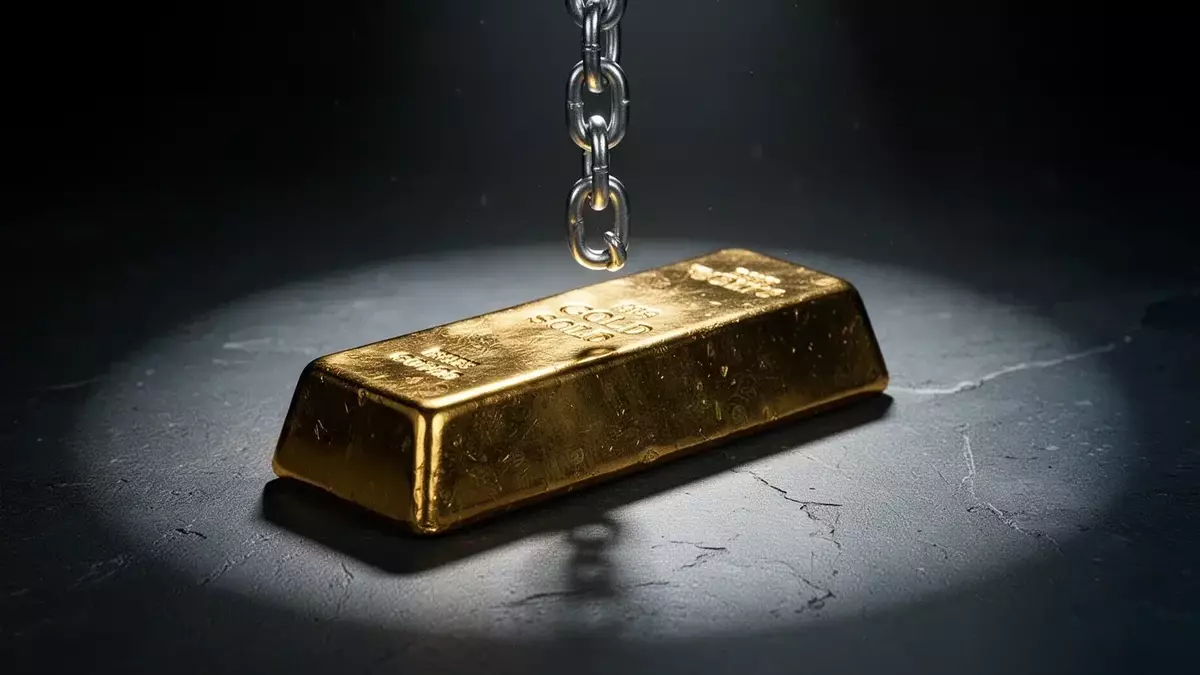
All eyes are on Washington today. At 14:30 MEZ, the US Bureau of Labor Statistics publishes May consumer price data — and gold is caught between two powerful, opposing forces. Physical demand from central banks and retail investors is running at multi-year highs, yet the metal has shed nearly a quarter of its value since the start of 2026.
The numbers tell the story of a market in conflict. Gold closed yesterday at $4,281.80 per troy ounce, about 9.8% below its level a month ago and roughly 24% off its annual peak. The relative strength index has dipped to 31, firmly in oversold territory, but buyers have so far failed to stage a meaningful rebound. Adding to the technical pressure, the metal closed below its 200-day moving average for the first time since October 2023. Citi responded by slashing its short-term price target from $4,300 to $4,000 an ounce.
The main culprit is the rate channel. Gold offers no yield, so rising US bond yields make Treasuries more attractive by comparison. Markets now price in a 68% to 70% probability that the Federal Reserve will hike rates in December, according to Reuters and recent CME data. That expectation has hardened after a string of strong employment reports and ahead of today’s inflation print.
Economists forecast headline CPI to hit 4.2% year-on-year in May, the highest reading of the Biden administration. Core inflation is expected to rise 0.5% month-on-month. The producer price index, due Thursday, is tipped at 6.4% — miles above the Fed’s 2% target. Energy costs and geopolitical friction continue to fan the flames, and the central bank’s internal divisions are now plain for all to see. At its late-April meeting, the rate-setting committee voted 8-to-4 to hold rates steady, the strongest dissent since October 1992.
Should investors sell immediately? Or is it worth buying Gold?
Yet beneath the selloff, a structural shift in gold demand is gathering pace. Central banks added a net 244 tonnes to their reserves in the first quarter of 2026, putting the market on track for annual purchases of around 755 tonnes. That would be slightly below the 850 tonnes bought in 2025, according to European Central Bank data, but still far above historical norms.
On the retail side, the nature of demand is evolving. Investment in bars and coins is set to overtake jewellery as the largest demand category for the first time this year, a trend that began in 2025 when investment demand jumped 16%. Asia is driving the shift: Chinese purchases surged 28% year-on-year, while Indian demand rose 17%.
Supply, meanwhile, is struggling to keep pace. Global gold output inched up just 2% in the first quarter to 1,231 tonnes. Higher prices do not automatically translate into higher production, and soaring costs are squeezing miners. All-in sustaining costs climbed 12% in 2025 to an average of $1,552 an ounce as inflation and higher royalties weighed on balance sheets.
A brief geopolitical reprieve came from the Middle East last week, when Iran and Israel agreed to halt mutual strikes after an appeal from US President Donald Trump. Oil prices eased, raising hopes that lower energy costs could take some heat off inflation. But the effect on gold was fleeting. As long as the dollar remains strong and yields elevated, geopolitical détente alone cannot reverse the downtrend.
Gold at a turning point? This analysis reveals what investors need to know now.
Institutional investors have been voting with their feet. Holdings in the SPDR Gold Trust, the world’s largest gold-backed ETF, slipped 0.5% on Friday to 929.62 tonnes. Persistent outflows from paper gold products are widely seen as a sign that professional money is reducing exposure.
The next few days will be decisive. After today’s CPI release, Thursday brings the producer price index and Friday the University of Michigan’s inflation expectations survey. But the main event is the Fed’s June 16–17 meeting, when the central bank will update its economic projections and dot plot. If inflation prints hotter than expected, the probability of a December hike will harden further, and gold could face another wave of selling. If the data come in soft, the market may decide the recent rout has been overdone. Either way, the tug between a booming physical market and a hawkish monetary backdrop is set to intensify.
Ad
Gold Stock: New Analysis - 10 June
Fresh Gold information released. What's the impact for investors? Our latest independent report examines recent figures and market trends.