
Global Heat Crisis Reshapes Construction Safety Rules and Workplace Practices
Published on 07/29/2026 at 09:37 | Editorial boerse-global.de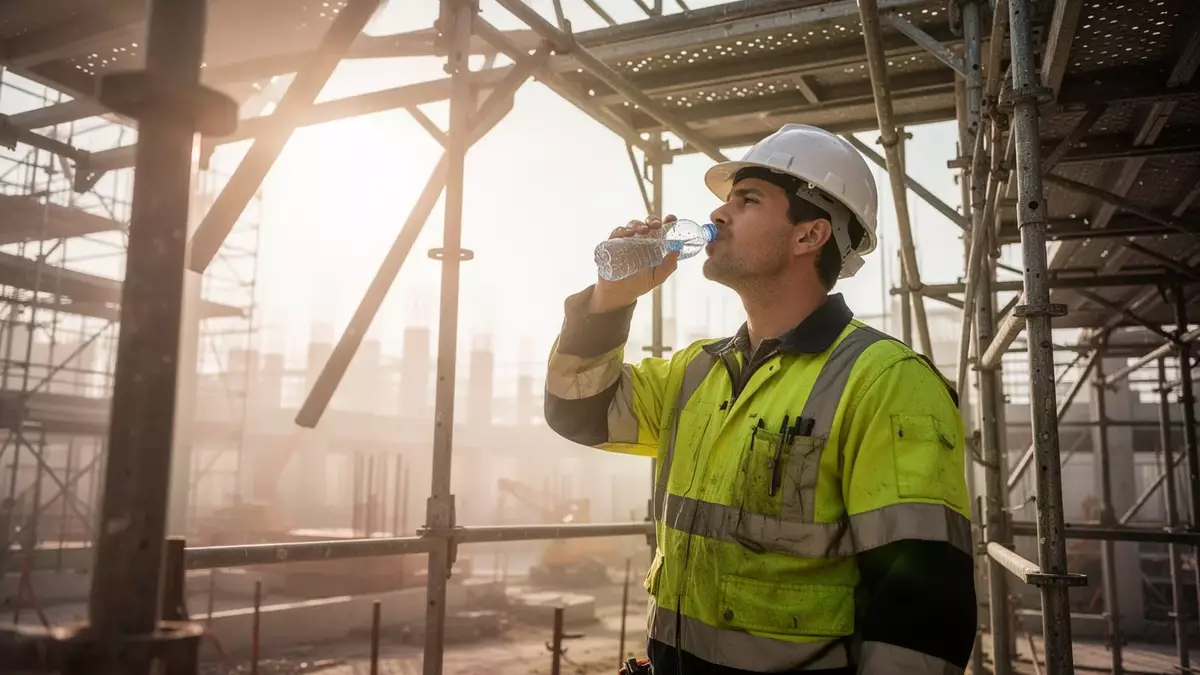
Extreme temperatures are forcing governments and employers across the world to overhaul workplace safety regulations, as heat-related illnesses and productivity losses mount in the construction and industrial sectors. From mandatory work suspensions in South Korea to legislative battles in the United States, authorities are scrambling to protect workers from the escalating risks of heat stress.
South Korea Enforces Strict Heat Safety Protocols
South Korea's Ministry of Employment and Labor has announced an intensive two-week inspection period targeting 1,000 high-risk workplaces, including construction sites, shipyards, and logistics centres. The inspections, running from August 3 to August 14, 2026, will enforce five basic heat safety rules: provision of cool water, cooling devices, a 20-minute rest break every two hours, cooling gear, and emergency protocols.
The Ministry has introduced a step-by-step work suspension system based on temperature thresholds. At 33°C, employers must adjust working hours; at 35°C, outdoor work must stop between 2:00 p.m. and 5:00 p.m.; and at 38°C, all outdoor operations must cease except for emergency repairs. Data from 2021 to 2025 shows that construction workers accounted for 46.5% of heat-related illnesses in the country.
US Regulators and Lawmakers at Odds Over Heat Rules
In the United States, safety regulators and legislators are pursuing conflicting approaches to heat management. Cal/OSHA has reminded employers that high-heat protections must remain in effect through August 2, 2026, as Southern California desert temperatures are forecast to exceed 118°F. California's outdoor high-heat procedures are triggered at 95°F for industries including construction, agriculture, and transport, requiring mandated water, shade, and rest breaks.
On the federal level, the House Education and Workforce Committee voted 18-15 to advance the Heat Workforce Standards Act of 2025. The bill would block the Occupational Safety and Health Administration (OSHA) from implementing a proposed national heat standard. The contested OSHA rule would have required employers to establish heat management plans at 80°F and introduce additional measures, including acclimatisation and training, at 90°F.
Local jurisdictions are also tightening oversight. New York City Mayor Mamdani signed Executive Order No. 17 in June 2026, directing municipal agencies to develop heat illness prevention guidance for employees and contractors. The city projects that heatwave frequency could quadruple by the 2050s. Meanwhile, Maryland reported 34 heat-related deaths earlier this year, following 36 deaths in 2025, highlighting the impact of its MOSH Heat Illness Prevention Standard, which took effect in 2024.
European Workers Face Rising Death Toll and Economic Loss
The European Trade Union Confederation (ETUC) has reported a 42% increase in heat-related workplace deaths across the European Union since 2000. According to the union's research, the risk of workplace accidents rises by 5% to 7% when temperatures exceed 30°C and increases by 10% to 15% when temperatures surpass 38°C. Construction remains a high-risk sector, with 38% of its workforce exposed to high temperatures for at least a quarter of their working time.
The economic impact was starkly illustrated in the United Kingdom earlier this summer. A heatwave in June 2026 caused the loss of 24 million working hours, at an estimated cost of £1.5 billion. A University of Reading survey conducted this year found that 67% of construction workers are concerned about heat effects on their health, while 44% reported experiencing heat-related illness.
In response, companies such as Wates Group have introduced mandatory risk assessments and rescheduled work to cooler parts of the day. In Spain, Schneider Electric activated a heat plan in June that includes mandatory 10-minute breaks every hour when temperatures exceed 30.5°C, alongside sensors and dedicated cooling zones.
Industry Develops Heat-Resistant Materials
The construction sector is also pursuing technological solutions to maintain operations during extreme weather. On July 29, 2026, Sampyo Industry demonstrated a high-temperature resistant concrete called BLUECON Keep Slump. The specialist material maintains more than double the workability of standard concrete when temperatures exceed 35°C or when transport times exceed four hours, addressing the material degradation issues caused by heat stress on construction sites.


