Fortum stock finds support as earnings recovery reshapes risk profile
Veröffentlicht: 19.07.2026 um 15:04 Uhr, Redaktion AD HOC NEWS, Redaktionelle Verantwortung: Rafael Müller (Chefredaktion)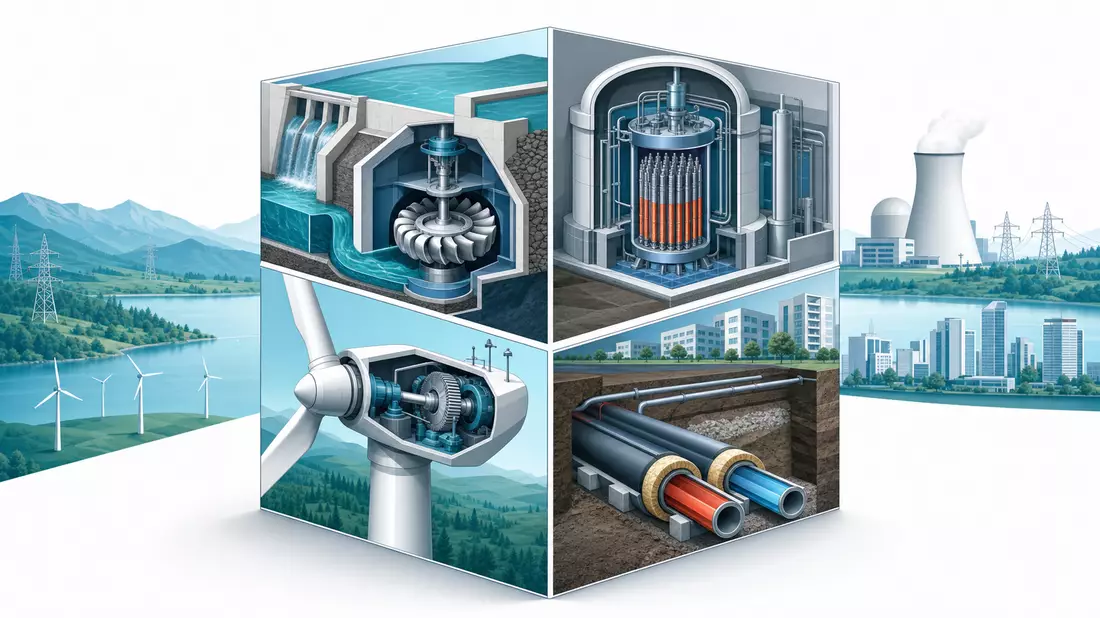
Fortum Oyj (ISIN FI0009007132) stock mirrors a company that has reshaped its balance sheet and earnings profile after exiting its German subsidiary, with comparable EBITDA of about EUR 2.45 billion in 2023 versus roughly EUR 1.09 billion in 2022 and net debt to comparable EBITDA below one times as reported in spring 2024. In its latest full-year report published in March 2024, the Nordic utility highlighted how divestments and a refocused generation portfolio have changed the risk-return balance for shareholders.
EBITDA up more than 100 percent
According to Fortum's 2023 financial review released in March 2024, the group generated comparable EBITDA of approximately EUR 2.45 billion for 2023, up from about EUR 1.09 billion in 2022, which represents an increase of well over 100 percent on a year-on-year basis. Management attributed this jump largely to a full-year contribution from its remaining Nordic generation business and the removal of volatility from the former German exposure, which had distorted earnings in previous years. For income investors, this higher earnings base provides a different starting point for assessing dividend capacity compared with the period before the strategic pivot.
In the same 2023 report, Fortum indicated that comparable operating profit reached around EUR 1.96 billion for the year, compared with roughly EUR 0.73 billion in 2022, underlining that profitability improved at an operating level as well. The company emphasized that while Nordic power prices normalized somewhat from the extreme peaks seen in 2022, its hedge position and cost discipline supported margins and cash generation in 2023. These figures suggest that the company has moved from a period of crisis management toward a more stable earnings regime rooted in a simplified asset base.
Leverage ratio below one times
Fortum's 2023 numbers also showcased a much stronger balance sheet than in the years of heavy exposure to its German operations. The group reported net debt to comparable EBITDA of below 1.0 times at the end of 2023, down from a multiple that had been several turns higher before asset disposals and capital injections linked to the strategic restructuring. This low leverage level gives management a wider range of options, from funding investments in clean generation and grids to maintaining an attractive dividend policy over the next cycle. For many utility investors, a sub-one-times leverage ratio is a key comfort factor in a sector often associated with higher indebtedness.
The company explained that net cash from operating activities in 2023 comfortably covered capital expenditure and the dividend payout for the year, supporting the narrative that the new balance sheet structure is sustainable. Fortum's capital allocation framework, as described in its investor materials around 2023 results, places priority on maintaining an investment-grade credit rating, funding organic investments in low-carbon and security-of-supply projects, and delivering competitive distributions to shareholders. The improved leverage ratio therefore acts as a foundation for this framework rather than a short-term anomaly.
Dividend policy and 2023 payout
Fortum's board proposed for the 2023 financial year a dividend of around EUR 1.15 per share, slightly raised compared with the EUR 1.00 per share paid for the 2022 financial year, reflecting management's confidence in the reshaped earnings base. At the share price levels seen in the first half of 2024, this dividend implies a yield in the mid-single to high-single digit percentage range, positioning Fortum stock as a typical income-oriented utility holding in the Nordic region. The distribution proposal followed the company's dividend policy to pay a stable, sustainably increasing dividend, subject to business conditions and capital requirements.
The 2023 dividend equated to a payout ratio that remained well below 100 percent of comparable earnings per share, leaving retained earnings available for investment and balance sheet strengthening. The board and management underscored that the dividend policy must be balanced against the need to finance investments in generation capacity, grid infrastructure, and potential growth initiatives in energy services. For investors, the combination of a moderate payout ratio and improved leverage is a central component of the long-term equity story following the exit from the German market.
Nordic power exposure and hedging
Fortum's remaining business after the strategic shift is heavily geared toward Nordic power generation, which exposes the company to fluctuations in regional electricity prices and hydrological conditions. In its 2023 and early 2024 disclosures, the company provided guidance on its hedge ratios, indicating that a significant portion of its expected generation volumes for the coming years was hedged at predefined price levels, helping to smooth earnings. These hedges are a key tool in moderating the impact of volatile spot prices on both revenue and profit, and therefore on Fortum stock valuation.
At the same time, Fortum continues to be sensitive to regulatory developments, taxation of windfall profits, and changes in market design within the Nordic and broader European power markets. The company has highlighted that its portfolio includes hydro and nuclear assets, which typically enjoy low variable costs and can benefit disproportionately when wholesale prices are robust. For investors, the interaction between hedge coverage, regulatory risk, and spot price dynamics remains a central factor in understanding the volatility and potential of future cash flows.
Capital expenditure and investment focus
In its 2023 reporting, Fortum outlined capital expenditure plans that concentrated on maintaining and upgrading its Nordic generation fleet, including investments in hydropower refurbishments, nuclear plant life extensions, and selected renewable projects. The company indicated that annual capital expenditure for 2023 was in the hundreds of millions of euros, aligning with its strategy to support long-lived, low-carbon assets capable of delivering stable returns over time. This investment program is designed to sustain generation volumes and reliability while meeting environmental and safety standards.
Management also pointed to potential growth avenues in areas such as flexible generation, balancing services, and possibly new energy technologies, though these opportunities are still developing compared with the core generation business. The prioritization of capital spending reflects a balancing act between preserving cash for dividends, keeping leverage low, and supporting the transition to a cleaner and more resilient power system. Shareholders assessing Fortum stock therefore need to consider not only the current earnings profile but also the trajectory of capital deployment across different asset types.
Uniper exit reshapes Fortum
The transformation of Fortum's risk profile is closely linked to its exit from its large German subsidiary, which had caused significant financial strain during the European energy crisis. Through a series of transactions completed by 2023, Fortum transferred its shares and related instruments in the subsidiary to the German state and unwound linked financing, in exchange for compensation and the release of guarantees. As a result, the group removed a major source of earnings volatility and potential downside, albeit at the cost of forfeiting a large part of its previous growth ambitions in Central Europe.
Following this exit, Fortum's management framed the company as returning to its roots as a Nordic-focused generator with a strong balance sheet and a clearer risk profile. The 2023 financial metrics, including the more than doubling of comparable EBITDA and the leverage ratio below one times, serve as quantitative evidence of this new positioning. Investors analyzing Fortum stock today therefore deal with a company that is materially different from the pre-crisis entity in terms of geographic exposure, counterparty risk, and earnings composition.
Comparable EBIT and margin dynamics
The increase in comparable operating profit from around EUR 0.73 billion in 2022 to approximately EUR 1.96 billion in 2023 implies that Fortum's operating margin on a comparable basis widened markedly over the period. This margin improvement reflects both higher gross profit and the benefits of cost control, as well as the absence of losses associated with the former German exposure. Management noted in its commentary that fixed cost discipline and efficiency measures contributed meaningfully to the improved profitability.
On a segment level, the generation business delivered the bulk of the improved operating profit in 2023, supported by hydropower and nuclear output combined with effective hedges. Customer-facing activities and other business lines played smaller but complementary roles, with management continuing to evaluate the best mix of assets and services to enhance long-term returns. For equity holders, the margin dynamics underscore the importance of both price exposure and internal efficiency in determining the quality of earnings over the cycle.
Cash flow and liquidity position
Fortum's 2023 cash flow statement showed that net cash from operating activities was robust relative to both capital expenditure and the dividend, supporting the narrative of a strengthened liquidity position. The company indicated that it held a substantial liquidity buffer at the end of 2023, consisting of cash and cash equivalents plus undrawn committed credit facilities. This cushion is important not only as protection against market shocks but also as dry powder for opportunistic investments or further portfolio optimization.
The strong cash flow generation in 2023 was aided by the reversal of collateral outflows and other cash impacts that had weighed on the balance sheet during the energy crisis. With those pressures largely normalized, Fortum can direct more of its operating cash toward shareholder distributions and strategic investments. For investors, the interplay between cash flow, leverage, and dividend policy is a key lens through which to assess the valuation of Fortum stock, particularly in a sector where regulated and quasi-regulated returns often anchor investment theses.
Risk factors after restructuring
Even after the restructuring and improved financial metrics, Fortum still faces material risks that can affect its earnings and valuation. Key among these are future movements in Nordic and European power prices, which are influenced by fuel costs, CO2 prices, weather patterns, and the speed of renewable deployment. Sharp declines in wholesale prices could compress margins despite hedging, particularly over a multi-year period as hedges roll off and must be replaced at lower levels.
Regulatory risk remains another important factor, as policymakers may introduce new levies, caps, or design changes in electricity markets that impact returns on capital. In addition, operational risks associated with aging assets, nuclear safety standards, and hydrological variability add uncertainty to long-term forecasts. Investors in Fortum stock therefore must weigh the apparent financial strength highlighted by the 2023 metrics against these structural and cyclical risk drivers.
Peer comparison in the utility space
When compared with other European utilities, Fortum's 2023 leverage of below one times comparable EBITDA places it toward the lower end of the sector in terms of indebtedness. Many large integrated utilities maintain net debt to EBITDA ratios in the range of two to four times, reflecting capital-intensive regulated networks and growth investments. Fortum's lighter balance sheet could be seen as both a strength, in terms of financial resilience, and a potential opportunity, in that it could take on more debt to fund attractive projects if they arise.
In terms of profitability, Fortum's comparable operating profit of about EUR 1.96 billion on revenue that runs into multiple billions of euros suggests a relatively healthy margin, especially given the challenging backdrop of energy market reforms and volatile prices. However, peers with more diversified portfolios across regions and technologies may offer different risk-return profiles, making direct comparisons nuanced. For analysts, the doubling of comparable EBITDA between 2022 and 2023 is a standout data point that frames how Fortum's recovery differs from some competitors that did not face the same degree of crisis-related disruption.
ESG and decarbonization context
From an environmental, social, and governance perspective, Fortum's portfolio after the Uniper exit is more concentrated in low-emission generation technologies, particularly hydropower and nuclear, though the company still faces scrutiny over its transition trajectory. The 2023 disclosures highlighted progress in reducing exposure to fossil-based generation and investments in assets aligned with climate goals. This positioning can support access to sustainable finance instruments and appeal to investors who integrate ESG criteria in their portfolios.
Regulators and financiers increasingly demand credible decarbonization pathways, and Fortum must demonstrate that its investment plans and asset mix are compatible with net-zero objectives. The improved balance sheet and cash generation profile from 2023 onward provide the financial capacity to undertake the necessary upgrades and potential new-build projects. For Fortum stock, perceptions of ESG performance may influence valuation multiples and the breadth of the potential investor base, particularly in markets where sustainability-themed funds play a significant role.
Investor communication and guidance
Fortum's investor relations materials around the 2023 results emphasized transparency on hedging, capital allocation, and strategic direction, aiming to rebuild trust after the turbulence associated with the German exposure. The company provided earnings sensitivities to power prices, detailed its hedge book for future years, and explained the principles guiding dividend decisions and investment choices. This level of disclosure is critical for analysts modeling future cash flows and discount rates for Fortum stock.
Although the company refrained from overpromising on short-term earnings trajectories, it highlighted that the refocused portfolio combined with a conservative balance sheet should support resilience across different market conditions. Guidance on capital expenditure and planned maintenance outages gives further visibility into the near-term operational profile. For investors, consistent and granular communication can reduce uncertainty and potentially narrow the discount at which the stock trades relative to peers or to estimated intrinsic value.
Scenario thinking for power prices
Given the central role of power prices for Fortum, scenario analysis is a useful tool for assessing the range of potential outcomes for earnings and dividends. In higher-price scenarios, the company could see significant incremental EBITDA and cash flow, especially once hedges roll off and more generation is re-exposed to spot markets. Such scenarios might support higher dividends or accelerated investment in growth projects, though regulatory responses could counteract some benefits through windfall taxes.
Conversely, in lower-price scenarios, Fortum's hedges provide partial protection over the near term, but persistent weakness in wholesale prices would eventually feed through to lower earnings. In such an environment, the management team might prioritize balance sheet protection over dividend growth, adjusting capital expenditure or payout levels as needed. The substantial improvement in the leverage ratio by the end of 2023 gives the company more flexibility in navigating these scenarios than it had when its balance sheet was more stretched.
Analyst perspectives and valuation frameworks
Analysts covering European utilities often value Fortum using a combination of discounted cash flow models and relative valuation metrics such as enterprise value to EBITDA or price to earnings ratios. The doubling of comparable EBITDA between 2022 and 2023 shifts these valuations materially, as the higher earnings base and lower leverage reduce perceived financial risk. Some valuation frameworks may also incorporate a sum-of-the-parts approach, separating the value of generation assets from other activities.
The 2023 metrics form the foundation for these models and, by extension, for the target prices and ratings applied to Fortum stock. Divergences in assumptions about future power prices, regulation, and capital allocation lead to different views on upside or downside potential. For investors studying these reports, understanding how 2023's EUR 2.45 billion in comparable EBITDA and sub-one-times leverage are projected forward is essential to interpreting the range of valuation outcomes.
Long-term strategic options
Looking beyond the immediate recovery phase, Fortum's strategic options include reinforcing its position in Nordic generation, cautiously expanding into adjacent markets or technologies, and exploring partnerships that leverage its expertise in hydro and nuclear operations. The strong 2023 financials, with significantly improved EBITDA and operating profit, provide a base from which management can consider such moves. However, any expansion would need to be weighed carefully against the desire to avoid the kind of concentrated exposure that contributed to the earlier crisis.
Another long-term option is to further optimize the existing portfolio, potentially through asset swaps, selective disposals, or targeted reinvestments in higher-return projects. The flexibility afforded by low leverage, as demonstrated by the net debt to comparable EBITDA ratio below one times at the end of 2023, means that Fortum can respond to opportunities as they arise rather than being forced into reactive measures. For shareholders, the way in which this strategic flexibility is used will be a major determinant of value creation over the next decade.
Fortum generation assets in practice
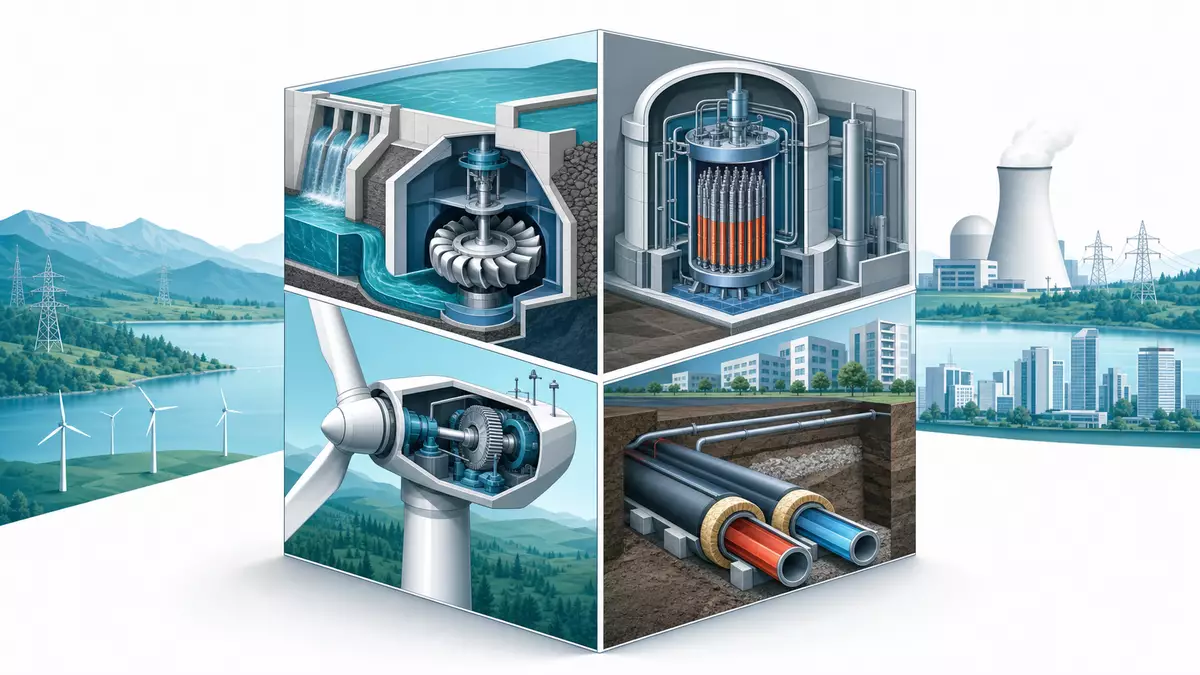
Fortum's core physical footprint now centers on hydroelectric plants, nuclear units, and other thermal and renewable assets in the Nordic region. Hydropower offers flexible, low-cost, and low-emission generation that can be ramped up or down to balance the grid, especially as intermittent renewables grow. Nuclear units provide baseload capacity with low operational emissions, though they require significant ongoing investment in safety, maintenance, and regulatory compliance.
These asset characteristics underpin the company's ability to generate the EUR 2.45 billion of comparable EBITDA it achieved in 2023 and to support the roughly EUR 1.15 per share dividend proposed for that year. The long-lived nature of these assets means that, subject to regulatory and technical conditions, they can support cash flows for many years. For Fortum stock, the quality and longevity of the generation portfolio are key components of the investment case, alongside financial metrics and policy factors.
Shares and market perception
Fortum shares are listed on Nasdaq Helsinki, and the stock is widely followed by both domestic and international investors with an interest in Nordic utilities and income-generating equities. The market's perception of Fortum is now closely tied to its post-Uniper identity, in which the 2023 doubling of comparable EBITDA and the substantial reduction in leverage feature prominently. Trading volumes and investor interest often respond to shifts in power price expectations, regulatory news, and quarterly updates on hedging and capital allocation.
For many investors, Fortum stock is assessed as part of a broader allocation to European utilities that combine income potential with exposure to the energy transition. The specifics of Fortum's 2023 financial performance provide concrete benchmarks for comparing it to peers and for tracking the progress of its strategy. Over time, the interplay between earnings stability, dividend growth, and strategic investments will shape how the market values the equity.
Read more about Fortum fundamentals
Investors and analysts seeking a deeper understanding of Fortum's financial profile often start with its annual and interim reports, which provide detailed breakdowns of segment performance, cash flows, and risk management practices. The 2023 documentation is particularly important because it encapsulates the companys financial state after the major restructuring events of the prior years. From there, scenario analysis based on power prices and regulatory developments can be layered on to build a comprehensive view.
Explore more data behind Fortum stock
Historic reports, segment details, and capital allocation disclosures help clarify how Fortum's refocused Nordic portfolio supports earnings, dividends, and balance sheet strength after the restructuring.
Nuclear asset management
Within its portfolio, Fortum's nuclear assets require careful long-term management, including regular outages for refueling and maintenance, compliance with safety regulations, and planning for decommissioning and waste handling. These activities impose significant capital and operational costs, but they also underpin the stable output that contributes to recurring EBITDA and cash flows. In 2023, the availability of nuclear units and the efficiency of outage execution were important contributors to the strong comparable operating profit of around EUR 1.96 billion.
Safety and regulatory compliance in nuclear operations are non-negotiable, and Fortum collaborates with authorities and industry partners to maintain high standards. Investments in modernization and safety upgrades feature in the capital expenditure line and must be evaluated alongside financial returns. For stakeholders, the robustness of nuclear asset management is inseparable from the financial profile of Fortum stock, given the scale and importance of these units in the overall generation mix.
Hydropower performance and hydrology
Hydropower plants are another pillar of Fortum's earnings, providing flexible, low-emission energy that can be ramped up quickly. The financial performance of these assets is influenced not only by power prices but also by hydrological conditions, such as reservoir levels and precipitation patterns. In 2023, hydrological conditions were within ranges that allowed Fortum to monetize its capacity effectively, contributing to the sharp increase in comparable EBITDA from EUR 1.09 billion in 2022 to EUR 2.45 billion.
Over the long term, climate change may alter hydrological patterns, introducing new uncertainties into production planning and financial forecasts. Fortum incorporates these risks into its asset management strategies, including reservoir management and long-term planning for refurbishments and potential capacity changes. For investors, understanding how hydropower output variability feeds into earnings volatility is crucial when evaluating Fortum stock as part of a diversified portfolio.
Customer business and ancillary services
Beyond generation, Fortum maintains customer-facing operations and participates in ancillary services such as balancing and frequency regulation, though these segments are smaller contributors to total EBITDA compared with the core generation business. The company sees opportunities in offering energy solutions, efficiency services, and other value-added products that can complement its generation assets. While these activities are not the main drivers of the EUR 2.45 billion in comparable EBITDA recorded in 2023, they can provide incremental growth and diversification.
Ancillary services also support grid stability, which is increasingly important as higher shares of intermittent renewables come online. Revenue from such services may grow over time as system operators value flexibility and reliability more highly, offering another potential lever for Fortum's earnings. For Fortum stock, these ancillary and customer businesses are part of a broader narrative about adapting to a changing energy landscape while leveraging the companys existing strengths.
Regulatory developments and taxation
Regulatory changes, including taxes on windfall profits and modifications to market design, have been a prominent feature of the European energy landscape in recent years. Fortum has had to navigate these shifts while restructuring its portfolio and repairing its balance sheet. The 2023 financial results reflect not only the operational performance of assets but also the impact of these regulatory measures, which can influence effective tax rates and net income.
Future regulatory initiatives may target capacity mechanisms, grid charges, or environmental incentives, each of which could alter the economics of Fortum's projects. The company engages in policy discussions through industry associations and directly with authorities to represent its interests and those of its customers. For investors, monitoring regulatory signals is as important as tracking power price curves when assessing the risk-reward profile of Fortum stock.
Macroeconomic backdrop and financing costs
The broader macroeconomic environment, including interest rate levels and credit spreads, affects Fortum's cost of capital and the valuation of its long-duration assets. After a period of rising interest rates, the company faces a higher hurdle for new investments but benefits at the same time from having reduced leverage to below one times net debt to comparable EBITDA by the end of 2023. This combination mitigates the sensitivity of earnings to financing costs relative to more indebted peers.
A stable or declining interest-rate environment could support utility valuations in general by lowering discount rates applied in investors valuation models. For Fortum, the strength of the 2023 balance sheet metrics means that even if financing costs remain elevated, the company has greater flexibility in timing and sizing new debt issuance. This financial resilience is a key part of the investment narrative that underpins how Fortum stock is analyzed in the context of global infrastructure and utility portfolios.
Digitalization and operational efficiency
Fortum continues to invest in digital tools and data analytics to enhance the efficiency and reliability of its operations, from predictive maintenance in power plants to optimized reservoir management in hydropower. While these initiatives do not yet dominate headline numbers like the EUR 2.45 billion in comparable EBITDA or EUR 1.96 billion in comparable operating profit for 2023, they contribute in a cumulative way to cost control and risk reduction. Over time, digitalization can help squeeze more output and value from existing assets without proportional increases in physical capital expenditure.
Improved monitoring and analytics also support the management of environmental and safety risks, which are central to the companys license to operate. For investors, these technology-driven improvements can be seen as part of the underlying engine that supports margin resilience and the ability to maintain or grow dividends. Although harder to quantify directly, they complement the more visible financial restructuring that Fortum completed by 2023.
Outlook framed by 2023 reset
Looking ahead, Fortum enters the next phase of its development with a financial profile that appears significantly stronger than during the height of the energy crisis, as evidenced by the doubling of comparable EBITDA from EUR 1.09 billion in 2022 to EUR 2.45 billion in 2023 and the reduction of net debt to comparable EBITDA below one times. These metrics provide a solid foundation for managing volatility in Nordic power prices, funding essential investments in generation and grids, and keeping dividend distributions at competitive levels. The companys focus now is on executing its strategy in a disciplined manner while responding to evolving regulatory and market conditions.
For investors evaluating Fortum stock, the key questions revolve around how sustainable the 2023 earnings uplift will prove to be, how effectively management will deploy capital in the coming years, and how external factors such as power prices and policy decisions will interact with the companys internal strengths. The 2023 financial reset, coupled with the streamlined asset base, sets the stage for this next chapter and anchors the metrics that will be watched most closely in future reporting periods.
Fortum stock and recent trading levels
Fortum stock trades on Nasdaq Helsinki and reflects the markets assessment of the companys strengthened balance sheet and earnings recovery following the exit from its German subsidiary. In the period following the publication of the 2023 results in March 2024, the shares moved within a range that corresponds to a dividend yield derived from the proposed EUR 1.15 per share payout for 2023 in the mid-single to high-single digit percentage band, depending on the exact trading day and price. This yield sits against the backdrop of comparable EBITDA of EUR 2.45 billion and net debt to comparable EBITDA below one times as reported for 2023, which together frame the risk-reward balance perceived by equity investors.
Fortum at a glance
- Company: Fortum Oyj
- ISIN: FI0009007132
- Ticker: HEL: FORTUM
- Trading venue: Nasdaq Helsinki
- Sector / Industry: Utilities / Electric Utilities
- Index membership: OMX Helsinki 25
Disclaimer zu unseren Artikeln: Keine Anlageberatung, keine Kauf oder Verkaufsempfehlung. Angaben zu Kursen, Unternehmen und Märkten ohne Gewähr; Änderungen jederzeit möglich. Börsengeschäfte können zu hohen Verlusten führen. Unsere Beiträge werden ganz oder teilweise automatisiert mit Unterstützung von AI erstellt und geprüft.