
Foreigner farewell era brings classic rock back to US arenas
Published on 05/17/2026 at 02:39 | Editorial responsibility: Rafael Müller, Editor-in-Chief AD HOC NEWS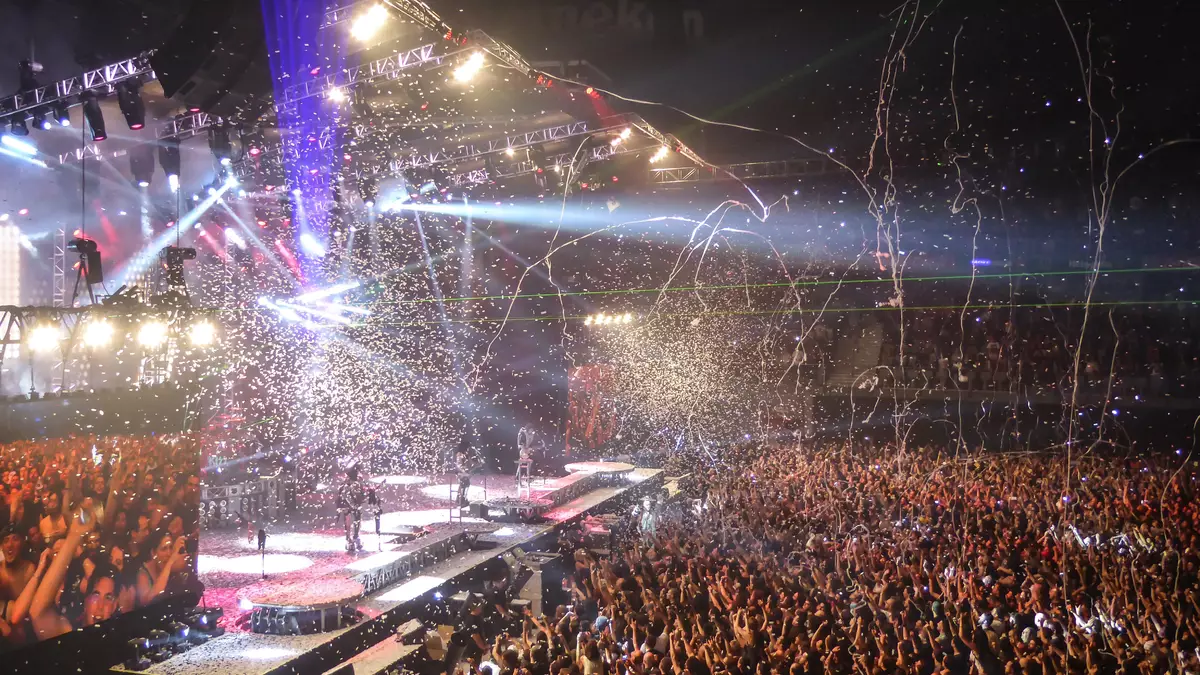
On a spring night in a packed Midwestern arena, Foreigner hit the opening chords of Feels Like the First Time and thousands of voices rise with them, teenagers and longtime fans singing in unison. The veteran rock band is deep into its extended farewell era, but the demand across the United States has only grown. With renewed Rock & Roll Hall of Fame buzz and another stretch of tour dates, Foreigner remain a live force more than four decades after their first hits.
Foreigner's long goodbye keeps rolling through US arenas
In recent years, Foreigner have transformed what could have been a quiet wind-down into one of classic rock's most visible farewell cycles. The group announced a farewell tour branded as the Historic Farewell Tour beginning in 2023, then continued to add North American dates as demand from US fans stayed high. As of 17.05.2026, the band's official site lists dozens of shows under the tour section, with arena and amphitheater stops stretching from the East Coast to the West Coast.
According to Billboard, the opening legs of the farewell run saw Foreigner playing co-headlining bills with fellow classic rock acts such as Styx and drawing strong box office receipts across US sheds. Pollstar data has similarly highlighted the group's enduring pull as a live attraction, with multiple dates reported as near-capacity events. The band's own tour portal at Foreigneronline tracks the ongoing itinerary, underscoring how the farewell has evolved into a multi-year celebration rather than a brief goodbye.
For American audiences, this wave of shows has turned into both a nostalgia trip and a point of entry. Concerts often feature fans who discovered the band through classic rock radio beside younger listeners who first heard I Want to Know What Love Is in a streaming playlist or movie sync. The farewell framing makes each night feel like an event, with the band highlighting the longevity of their catalog and the passing of their songs between generations.
On stage, Foreigner's current lineup leans into the hits-heavy format that defines most legacy rock tours. Longtime fans can expect a tight set built around staples like Cold as Ice, Juke Box Hero, Urgent, and Hot Blooded, plus a showstopping, sing-along take on I Want to Know What Love Is that often brings local choirs or audience participation into the spotlight. The production emphasizes bright lighting, dynamic video screens, and a pacing that keeps the focus squarely on hooks and crowd response.
Even as the farewell branding suggests an end point, the actual shape of Foreigner's future remains open-ended. The act has not announced a specific final date, and coverage from outlets like Variety and USA Today has noted that classic rock farewell tours can stretch over several seasons as demand persists. For now, the band continues to book new US shows, adding fresh cities and return visits to markets that have remained loyal since the late 1970s.
For fans reading from the United States, the current tour routing typically includes arenas, casinos, fairgrounds, and outdoor amphitheaters, reflecting the size of the audience for Foreigner's catalog. While specific dates shift as new legs are announced, recent years have seen the band play major markets from New York and Boston to Los Angeles and Dallas, along with regional hubs and summer festivals. The group's own messaging frames these trips as a chance to say goodbye in person while the band is still operating at full live power.
- Historic Farewell Tour stretching across multiple US seasons
- Hits-driven set lists featuring Juke Box Hero, Cold as Ice, and more
- Strong box office numbers reported by Billboard and Pollstar
- Ongoing Hall of Fame conversation keeping Foreigner in the news
- New generations discovering the band at their first rock arena show
Who Foreigner are and why the band still matters in 2026
Foreigner occupy a distinctive place in American rock history. Formed in the mid-1970s by British guitarist and songwriter Mick Jones alongside American singer Lou Gramm, the band forged a sound that bridged stadium rock muscle and pop crossover polish. For US listeners growing up with FM radio, Foreigner were a constant presence, with songs that fit equally well between harder rock cuts and adult contemporary ballads.
Across the late 1970s and 1980s, the group became part of the fabric of mainstream rock listening in the United States. Their singles were staples on stations from New York's rock powerhouses to emerging FM outlets in smaller markets, helping define the sound of corporate rock and arena anthems. Even as tastes shifted, Foreigner's music remained in rotation on classic rock and soft rock formats, ensuring that younger listeners stumbled onto their songs while scanning the dial.
Today, the band's relevance draws on both nostalgia and sheer ubiquity. Streaming platforms have turned tracks like I Want to Know What Love Is and Waiting for a Girl Like You into evergreen numbers, boosted by their frequent use in film and television. According to Rolling Stone, the power ballad era that Foreigner helped popularize continues to influence pop and rock songwriting, with contemporary acts borrowing its dramatic builds and emotive choruses.
For US fans, Foreigner also function as a gateway into a broader tradition of transatlantic rock. The group's blend of British and American members, plus their knack for combining heavy riffs with melodic choruses, links them to the evolution of acts like Journey, Boston, and REO Speedwagon. Their catalog serves as a shorthand for the era's stadium-rock sound while also standing apart due to their distinctive vocal style and glossy production.
Another reason the group remains part of the conversation is the ongoing debate around their place in the Rock & Roll Hall of Fame. Music journalists at outlets including Billboard and Cleveland-based coverage around the Hall have repeatedly raised Foreigner as an example of a commercially massive, radio-dominant band still waiting for induction. Those discussions keep the band's contributions in circulation, prompting new looks at their albums and singles from critics and fans alike.
In practical terms, Foreigner's enduring presence matters because their songs continue to fill American arenas. Younger musicians covering Juke Box Hero in local bands, or sampling elements of their choruses in new recordings, help keep the group's influence alive at the grassroots level. At the same time, the band's touring operation demonstrates that multi-generational audiences remain eager for tightly performed, hook-forward rock shows with a strong sense of history.
From London and New York to US chart dominance
The story of Foreigner begins in the mid-1970s, when British guitarist Mick Jones, a veteran of projects with Spooky Tooth and other outfits, began assembling a new band. Wanting a sound that could resonate on both sides of the Atlantic, he recruited American singer Lou Gramm, whose soulful voice would become central to the group's identity. The act took its name from the fact that several of its members were 'foreigners' in either the United States or the United Kingdom, a nod to its cross-ocean lineup.
Foreigner's self-titled debut album, Foreigner, arrived in 1977 and quickly asserted the band as one of rock's most promising new arena acts. According to Billboard's chart archives and data recapped by the RIAA, the album spawned hits including Feels Like the First Time and Cold as Ice, introducing the group's combination of hard rock guitars, hooky keyboards, and Gramm's distinctive vocals. The record's success set the stage for an even bigger breakthrough.
Their follow-up, Double Vision, released in 1978, pushed Foreigner toward true headliner status. Anchored by the title track and songs like Hot Blooded, the album cemented the band's reputation for massive choruses built for US arenas. Throughout the late 1970s, they became a fixture of large venues, sharing stages with other major rock acts and developing a reputation for tight, powerful live shows.
In 1979, Head Games continued the band's run, yielding rock radio staples while hinting at the more polished sound that would define their 1980s output. But it was 1981's 4 that would turn Foreigner into one of the defining rock bands of the decade. Produced in part with renowned producer Robert John 'Mutt' Lange, the album blended hard rock crunch with sophisticated studio sheen, resulting in hits like Urgent, Waiting for a Girl Like You, and the guitar-driven Juke Box Hero.
Billboard's historical coverage highlights 4 as a pivotal album for the group, noting its long run near the top of the Billboard 200 albums chart and the multi-format airplay of its singles. The record's success helped Foreigner bridge rock, pop, and even adult contemporary spaces, widening their audience beyond traditional hard rock fans. Tour-wise, the band played extensive North American runs, contributing to the era's image of packed arenas with lighters raised during power ballads.
Foreigner's dominance continued into the mid-1980s with Agent Provocateur, released in 1984. That album delivered I Want to Know What Love Is, the sweeping ballad that would become the band's signature song. According to both the RIAA database and historical Billboard chart summaries, the single reached number one on the Billboard Hot 100, making it the band's biggest US hit. The song's choir-backed chorus and dramatic arrangement made it a staple of the power ballad era and a go-to soundtrack cue for emotional scenes in movies and television.
Later releases like Inside Information (1987) and the early 1990s album Unusual Heat, which featured changes in the vocal lineup, saw the group navigating shifts in the rock landscape. Grunge and alternative rock began to push arena acts off the charts, but Foreigner's earlier catalog continued to receive significant airplay. Greatest-hits packages and compilations, including Records and later retrospectives, helped keep the band's music in circulation as new generations discovered their singles.
Through lineup changes, solo projects, and periods of lower profile, Mick Jones has remained the band's guiding force. The guitarist and songwriter has overseen various incarnations of the group, with later lineups featuring vocalist Kelly Hansen fronting the band in live settings. Hansen's tenure has been particularly important in sustaining Foreigner's touring profile, as he brings both faithful renditions of classic material and his own stage charisma to arenas and amphitheaters.
Signature sound, key albums, and the hits that built arenas
Foreigner's sound rests on a careful balance of muscle and melody. At their heaviest, tracks like Juke Box Hero deliver driving riffs and stomping rhythms that align with hard rock peers of the late 1970s and early 1980s. At their most polished, ballads such as I Want to Know What Love Is and mid-tempo songs like Waiting for a Girl Like You showcase layered keyboards, atmospheric production, and emotional vocal performances tailored for crossover radio play.
The band's early albums, especially Foreigner, Double Vision, and 4, form the core of their legacy. These records defined the group's approach to album sequencing, with a mix of rockers, mid-tempo tunes, and at least one ballad structured to appeal across rock, pop, and AOR (album-oriented rock) formats. Guitar work from Mick Jones and fellow early member Ian McDonald combined with Gramm's voice to create a signature sound that is instantly recognizable within a few seconds of airplay.
Production played a major role in Foreigner's rise. Working with producers such as Roy Thomas Baker and later Mutt Lange, the band cultivated a sound that could stand up on FM radio and in massive arenas. The drum tones, layered backing vocals, and carefully arranged guitar and keyboard lines spoke to an era when studio craft was central to rock's commercial success. Critics at outlets like The New York Times noted the group's ability to craft songs that felt both massive and meticulously controlled, a hallmark of what some labeled corporate rock.
Among individual tracks, several have taken on a life well beyond their initial chart runs. Cold as Ice is an enduring rock radio staple, built around a memorable piano hook and sharp vocal lines. Feels Like the First Time remains a go-to opener for shows, capturing the giddy energy of new beginnings in both its lyrics and arrangement. Urgent, with its saxophone solo and pulsating groove, showcases the band's willingness to incorporate different textures into their rock framework.
I Want to Know What Love Is stands apart as a power ballad that crossed borders and genres. Its gospel-influenced choir arrangement and slow build have made it a favorite at weddings, movie climaxes, and television dramas. According to analysis cited by NPR Music and retrospective coverage in Rolling Stone, the song embodies the peak of 1980s power ballad aesthetics: big emotions, expansive production, and a universal theme rendered in direct, simple language.
Foreigner's compilations have also been key in presenting their catalog to new listeners. Collections like Records and later greatest-hits sets gather the band's most recognizable singles into concise packages that streaming playlists now replicate. For US audiences, these anthologies have functioned as entry points, offering a crash course in the group's transition from straight-ahead rock to more elaborate productions without requiring a deep dive into every studio album.
The band's live performances in the current farewell era aim to reproduce these studio details while emphasizing crowd engagement. Modern set lists tend to maximize recognizability, minimizing deep cuts in favor of familiar hooks. Extended solos, sing-along sections, and call-and-response moments tap into the tradition of arena rock while giving individual band members space to shine. For American fans raised on the material, the shows can feel like stepping into a living classic rock jukebox.
Cultural impact, Hall of Fame debate, and a living legacy
Foreigner's cultural impact in the United States reaches far beyond chart statistics. Their songs have become a shorthand for a particular era of rock radio, recognizable even to listeners who cannot immediately name the band. Commercials, film trailers, and television series regularly turn to tracks like Juke Box Hero or I Want to Know What Love Is when they want to evoke big emotion or a sweeping, nostalgic mood.
The group's sales and certifications underline their reach. The RIAA has issued multiple Platinum awards for Foreigner's albums and singles, reflecting millions of units sold across vinyl, cassette, CD, downloads, and streaming equivalents. While exact totals vary by release and require cross-referencing of RIAA entries, coverage from industry outlets such as Billboard and Variety consistently ranks Foreigner among classic rock's best-selling acts, particularly when measuring their prime years.
Live, the band helped define the look and feel of late 1970s and 1980s arena rock in North America. Their tours featured large-scale lighting rigs, prominent stage ramps, and the now-iconic image of a crowd illuminated by lighters or phone screens during ballads. Prominent US venues, from New York's Madison Square Garden to West Coast arenas, have hosted the group during various eras, embedding Foreigner in the live history of cities across the country.
Critically, perceptions of the band have evolved over time. Early on, some reviewers dismissed them as overly polished, emblematic of corporate rock's slick surface. However, later reassessments from publications such as Rolling Stone, The Guardian, and NPR Music have taken a more nuanced view, recognizing the craftsmanship behind their songwriting and production. These outlets have highlighted how the band's music has endured in playlists and movie soundtracks even as critical tastes shifted.
One of the enduring storylines around Foreigner in recent years has been their absence from the Rock & Roll Hall of Fame. Commentators at Billboard, Cleveland-based media, and national outlets repeatedly cite the group when discussing high-profile omissions, pointing to their Platinum albums and lasting radio presence as arguments for inclusion. The debate has sparked think pieces about the definition of rock greatness, the role of critical favor versus commercial success, and the biases that sometimes influence Hall of Fame voting.
This ongoing conversation has practical effects. When fans see Foreigner referenced in Hall of Fame debates, they are prompted to revisit the band's catalog on streaming platforms or to buy tickets when the farewell tour comes through town. The idea that a widely loved band remains on the outside of a prominent institution adds a sense of underdog energy to their narrative, especially for US listeners who grew up viewing their songs as inescapable radio staples.
Foreigner's influence can also be heard in younger artists who embrace big choruses and high-production rock. Contemporary acts that mix polished vocals, guitar riffs, and synth textures sometimes draw direct inspiration from 1980s arena rock, an area where Foreigner stood alongside peers like Journey and Def Leppard. Producers working in pop and rock have cited the sonic lessons of albums like 4, particularly in how they balance instrument clarity with overall impact.
At the same time, the band's story offers a case study in longevity. Surviving lineups changes, shifts in the music business, and evolving trends requires adaptability and a strong songbook. The continued demand for Foreigner's farewell tour, with US venues filled by fans spanning multiple generations, demonstrates how durable a catalog can be when the melodies, hooks, and emotions land across decades. For many concertgoers, a night with the band represents both a look back at formative listening and a shared communal experience in the present.
As of 17.05.2026, Foreigner's music continues to stream steadily on major platforms, appears in curated playlists alongside younger rock and pop acts, and gets reintroduced to new listeners via covers and sync placements. That constant low-level presence keeps the band's name recognizable even to casual music fans, ensuring that their farewell tour plays not just to nostalgia but to a broad base of familiarity.
Frequently asked questions about Foreigner
What kind of band is Foreigner, and what are they best known for?
Foreigner are a British-American rock band best known for a string of arena-ready hits and power ballads that dominated US radio in the late 1970s and 1980s. They rose to prominence with songs like Feels Like the First Time, Cold as Ice, Juke Box Hero, and especially the chart-topping ballad I Want to Know What Love Is. Their music blends hard rock guitars, strong melodies, and polished production aimed squarely at large venues and multi-format radio.
Is Foreigner still touring in the United States?
Yes. Foreigner remain an active touring act, with recent years centered on a farewell-branded run that continues to visit arenas, amphitheaters, and other large venues across the United States. The band's official tour listings and reports from outlets like Billboard and Pollstar document ongoing dates as part of this extended farewell cycle. Fans interested in specific upcoming shows should check the group's official tour page, because dates, cities, and venues can change as new legs are added.
Who are the key members associated with Foreigner's classic era?
The classic era of Foreigner is most strongly associated with guitarist and songwriter Mick Jones and original lead vocalist Lou Gramm. Together, they anchored the lineup that recorded landmark albums like Foreigner, Double Vision, Head Games, and 4. Over time, other musicians played important roles in shaping the band's sound, including multi-instrumentalist Ian McDonald and various bassists, drummers, and keyboardists. In more recent years, vocalist Kelly Hansen has been central to the band's live presence, fronting the group on its ongoing tours.
Which Foreigner albums and songs should a new listener start with?
For new listeners, a greatest-hits collection or streaming playlist built around Foreigner's best-known singles is often the most direct starting point. Key tracks usually include Feels Like the First Time, Cold as Ice, Double Vision, Hot Blooded, Urgent, Juke Box Hero, Waiting for a Girl Like You, and I Want to Know What Love Is. From there, exploring full albums like Foreigner, Double Vision, and 4 provides a deeper feel for how the band balanced rockers, mid-tempo tracks, and ballads during their peak years.
Has Foreigner been inducted into the Rock & Roll Hall of Fame?
As of 17.05.2026, Foreigner have not been inducted into the Rock & Roll Hall of Fame. This omission has become a recurring topic among music writers and fans, with outlets such as Billboard and regional coverage around the Hall frequently citing the band as a notable example of a commercially massive act still waiting for recognition. The ongoing debate keeps their legacy in the spotlight and often resurfaces whenever new ballots and inductees are announced.
Foreigner on social media and streaming
Foreigner's legacy now lives as much on streaming and social platforms as it does on classic rock radio and in arenas, giving US listeners multiple ways to encounter their music.
Foreigner – moods, reactions, and trends across social media:
More coverage from AD HOC NEWS
More coverage of Foreigner at AD HOC NEWS:
Read more on Foreigner at AD HOC NEWS ->Browse all Foreigner coverage at AD HOC NEWS ->


