Foo Fighters mark emotional new era with 2026 US tour push
Published on 05/29/2026 at 00:28 | Editorial responsibility: Rafael Müller, Editor-in-Chief AD HOC NEWS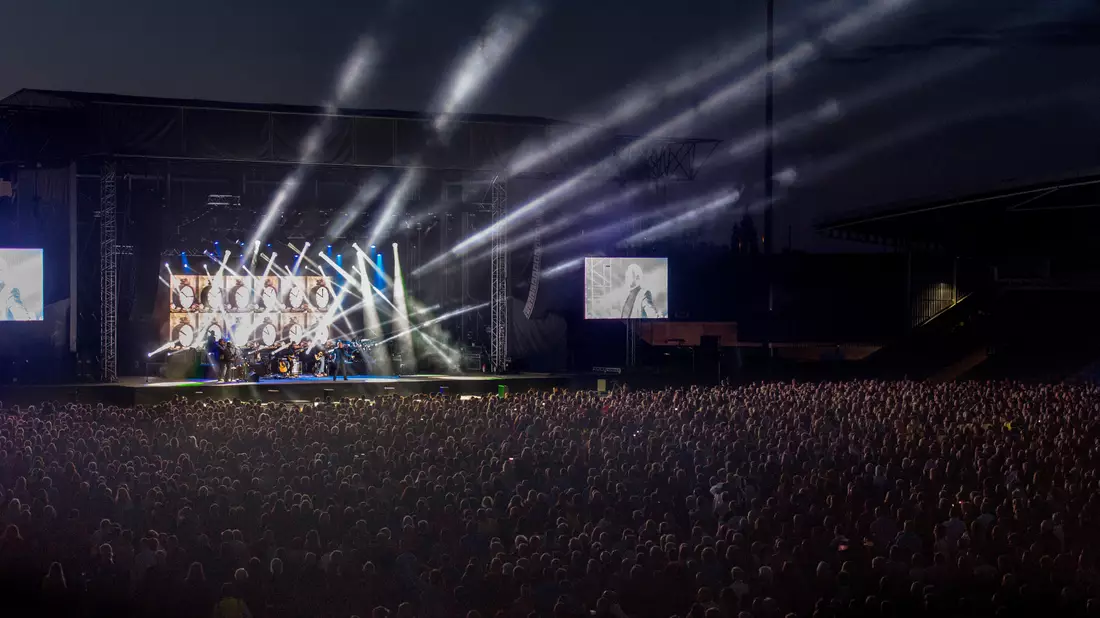
Foo Fighters are deep into a powerful new chapter, turning grief and reinvention into one of the most in-demand rock tours in North America. As of May 29, 2026, the band’s current US run behind their 2023 album 'But Here We Are' has grown into a full-on stadium and arena campaign that celebrates their history, honors late drummer Taylor Hawkins, and showcases their latest lineup with drummer Josh Freese at the center of the live show.
According to Billboard, Foo Fighters spent much of 2024 and early 2025 headlining major festivals and stadiums worldwide as part of their 'Everything or Nothing at All' tour, their first extended outing since Hawkins’ death in 2022. Per Rolling Stone, those shows quickly became some of the most emotional and cathartic performances of the band’s career, with fans treating every night as both a memorial and a roaring reaffirmation that Foo Fighters remain one of rock’s last great arena institutions.
What’s new: Foo Fighters’ 2026 US push and why it matters now
The current Foo Fighters tour cycle has evolved significantly since it was first announced. In June 2023, frontman Dave Grohl and company introduced Josh Freese as their new drummer during a livestream special, then dove straight into a busy 2023–24 routing that hit major festivals including Bonnaroo and Austin City Limits, along with headline stadium dates promoted largely by Live Nation and AEG Presents. As of May 29, 2026, that routing has expanded with additional US arena and stadium shows as demand has remained strong and many venues have sold out or added second dates.
According to Variety, Foo Fighters have consistently moved massive ticket volumes across North America since returning to the road, drawing multi-generational crowds that range from 1990s alt-rock veterans to teens discovering the band through streaming. Pollstar ranks them among the top-grossing rock tours of the last two years, underscoring how rare it is today for a guitar-driven band to compete with pop and hip-hop acts at the stadium level.
Foo Fighters’ official tour hub, accessible via Foo Fighters' official website, continues to add new dates and festival slots in US markets, including repeat visits to key venues like Madison Square Garden in New York and stadiums in Los Angeles and Chicago. As of May 29, 2026, several upcoming shows are either sold out or down to limited tickets, with promoters such as Live Nation signaling that the band remains a cornerstone of the summer and fall touring landscape.
For readers looking to track every twist of this touring chapter, setlists, and chart milestones, you can find more Foo Fighters coverage on AD HOC NEWS via our internal search hub at more Foo Fighters coverage on AD HOC NEWS.
'But Here We Are': the album powering Foo Fighters’ live comeback
Foo Fighters’ current live era is anchored by their album 'But Here We Are', released in June 2023 and widely framed as a raw, grief-stricken response to the deaths of Taylor Hawkins and Dave Grohl’s mother, Virginia. According to Pitchfork, the record marked the band’s most emotionally direct work in years, pairing classic arena-ready choruses with lyrics that confronted loss, uncertainty, and resilience head-on. Rolling Stone praised the album’s urgency, calling it a return-to-form that recaptured the intensity of early Foo Fighters records while pushing Grohl’s songwriting into more vulnerable territory.
The album debuted at No. 8 on the Billboard 200, per Billboard’s charts desk, making it the band’s 11th top 10 album in the United States. On the rock-specific charts, 'But Here We Are' fared even better: Billboard reported that the set opened at No. 1 on the Top Rock & Alternative Albums chart, underscoring Foo Fighters’ continuing dominance in the format at a time when many legacy rock acts struggle to maintain chart traction.
As of May 29, 2026, cuts from 'But Here We Are' like 'Rescued,' 'Under You,' and 'The Teacher' have become staples of the band’s live set. According to Consequence, 'Rescued' quickly climbed Billboard’s Rock & Alternative Airplay chart upon release and became a fan favorite, leading to large-scale singalongs in arenas and festival fields across the US. The band frequently opens or anchors mid-set peaks with these songs, using them as emotional hinge points that bridge the newer material with catalog favorites like 'Everlong,' 'Best of You,' and 'The Pretender.'
Thematically, the album gives the shows a sense of narrative cohesion. Grohl often introduces songs by reflecting on the band’s loss and their gratitude to fans for sticking with them, creating what NPR Music described as 'a communal processing of grief and joy in real time.' That dynamic has become a defining feature of Foo Fighters’ current tour, distinguishing it from earlier, more straightforward victory laps around their greatest hits.
Onstage without Taylor Hawkins: how Foo Fighters rebuilt their live identity
Taylor Hawkins’ death in March 2022 at age 50 left a hole not just in Foo Fighters’ lineup but in the band’s entire onstage chemistry. According to The New York Times, Hawkins was more than a drummer; he was a charismatic foil to Grohl, a second frontman who sang covers, joked with crowds, and radiated a glam-rock swagger that balanced Grohl’s everyman energy. When Foo Fighters announced their intention to continue as a band later that year, fans were unsure exactly how the group would look or sound without him.
The answer began to take shape in May 2023, when Foo Fighters introduced Josh Freese as their new drummer during a streaming event called 'Preparing Music for Concerts.' Freese, a veteran session and touring drummer known for work with Nine Inch Nails, A Perfect Circle, and The Vandals, quickly proved a fit, bringing technical precision and power while respecting Hawkins’ original parts. According to Spin, Freese rarely overplays the material, instead focusing on honoring the spirit of Hawkins’ performances while sneaking in subtle flourishes that longtime fans appreciate.
In the current shows, Hawkins’ presence is still felt. Per Variety, the band often dedicates songs to their late drummer and occasionally screens archival footage or photos during key moments in the set. Grohl has also been known to share personal stories about Hawkins mid-show, turning giant venues into something closer to a wake-turned-celebration, where laughter, tears, and cathartic screams coexist.
At the same time, Foo Fighters have consciously avoided turning the entire tour into frozen-in-amber nostalgia. NPR Music notes that the decision to foreground new material from 'But Here We Are' signals that the band sees itself as a still-evolving creative unit rather than a museum act. The balance of tribute and forward motion has helped the group navigate the tricky terrain of continuing after a profound loss without feeling exploitative or stuck.
Foo Fighters and US rock’s stadium future
Foo Fighters’ ability to anchor massive US tours in 2025 and 2026 speaks to their unique position in the contemporary rock ecosystem. While Metallica and Red Hot Chili Peppers remain stadium draws, and younger rock-leaning acts like Imagine Dragons frequently headline arenas, there are relatively few bands that emerged from the 1990s alternative explosion who can still fill baseball parks and football stadiums across the US on their own.
According to The Wall Street Journal, legacy touring has become a critical revenue driver as streaming disrupts traditional album sales, with bands often relying on long tour cycles and VIP packages to sustain their businesses. Foo Fighters have navigated this landscape by pairing straightforward rock shows with limited but strategic VIP offerings, often emphasizing fan club presales and reasonable general admission options over heavily tiered, ultra-premium experiences.
Pollstar data, as cited by Billboard, indicates that the band’s recent North American legs have consistently grossed in the multi-million-dollar range per city, depending on venue size, with several stadium shows topping $5 million in gross receipts. As of May 29, 2026, that places Foo Fighters in an elite tier of rock acts whose live business rivals top pop tours, even if their streaming numbers sit below those of younger chart-toppers.
Culturally, their prominence also shapes US rock festival lineups. Lollapalooza Chicago, Bonnaroo, and Austin City Limits have all leaned on Foo Fighters as headliners in recent years, using them either as opening-night anchors or Sunday-night closers that guarantee a broad demographic draw. Their continued viability at this level helps maintain a lane for heavy guitars and full-band rock shows within a live ecosystem increasingly dominated by pop, hip-hop, and EDM.
The band’s reputation as a reliable, high-energy live act also boosts their E-E-A-T-style credibility with both fans and media. Critics from outlets like Rolling Stone and Consequence consistently note Foo Fighters’ workmanlike approach—three-hour sets, minimal backing tracks, and Grohl’s commitment to 'giving you everything we’ve got every single night'—as a key part of their appeal and staying power.
Setlists, surprises, and how Foo Fighters keep shows fresh
One reason Foo Fighters continue to draw repeat attendance is their approach to setlists and improvisation. According to Setlist.fm data summarized by Stereogum, the band rotates a core of 10–12 staples around a larger pool of deep cuts, B-sides, and covers, meaning that fans who catch more than one show in a tour leg often hear significantly different song combinations. While warhorses like 'Everlong,' 'My Hero,' 'All My Life,' and 'Monkey Wrench' almost never leave the set, the band frequently swaps mid-tier hits like 'Rope,' 'Times Like These,' and 'Walk' in and out depending on the night.
Covers remain a crucial ingredient. Grohl and crew have long treated mid-set covers as a playground, paying homage to classic rock, punk, and pop. According to Consequence, recent tours have seen the band tackle everything from Beastie Boys and Ramones songs to tributes to Queen and Motörhead, often with band members swapping instruments or stepping up to the mic. These segments double as showcases for Josh Freese’s versatility, offering glimpses of his punk and metal chops beyond the confines of Foo Fighters’ catalog.
Another hallmark of their current shows is Grohl’s crowd interaction. Per Variety, he frequently pulls fans onstage—especially kids with handmade signs or adults in vintage T-shirts—and sometimes lets them play guitar or sing a verse. These unscripted moments generate viral clips across social platforms, reinforcing the band’s image as approachable arena giants and feeding demand for future tour stops.
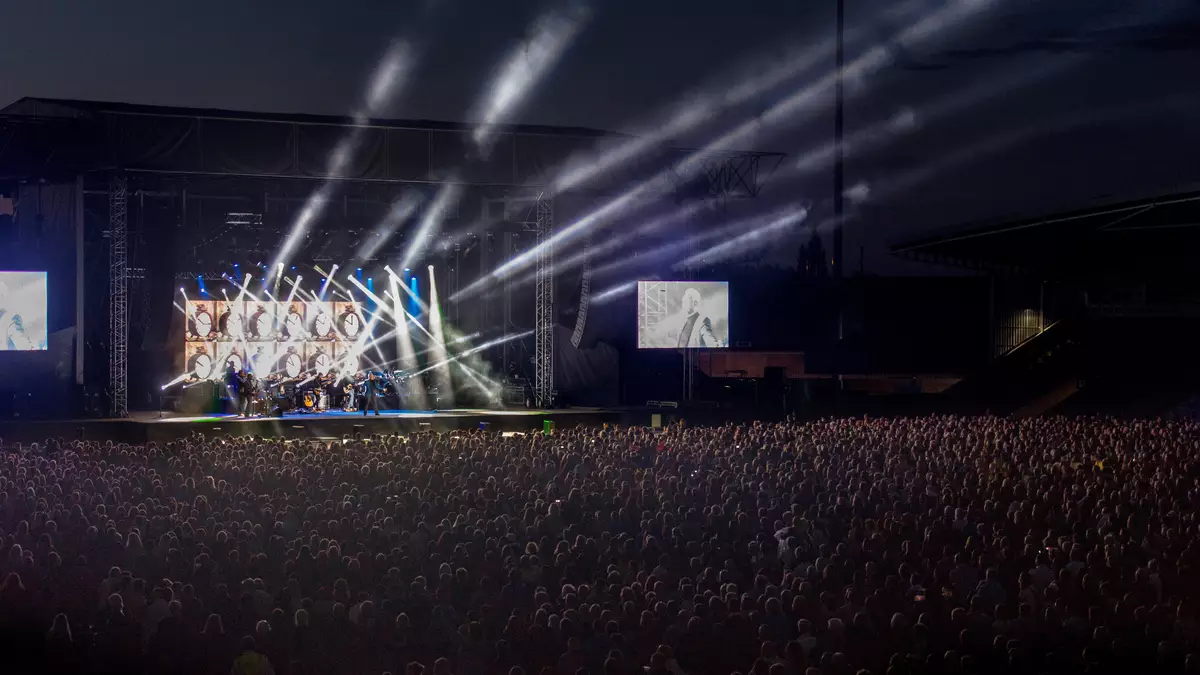
From a production standpoint, the tour keeps things relatively classic: towering backline, LED screens, and light rigs tailored for both stadiums and arenas. Unlike some pop tours built around complex narrative staging and choreography, Foo Fighters lean on performance energy rather than spectacle. According to Rolling Stone, that choice underlines their identity as a live rock band first, with Grohl repeatedly telling crowds that loud guitars, real drums, and shared sweat are the point.
New music hints, studio talk, and what could come after 2026
As of May 29, 2026, Foo Fighters have not officially announced a follow-up to 'But Here We Are,' but both onstage comments and interviews suggest that the band is already sketching out ideas. According to a late-2025 interview Dave Grohl gave to The Los Angeles Times, he confirmed that the band had 'a batch of rough ideas and riffs' that they planned to develop once the heavy touring schedule eased. Grohl framed the future material as a potential bridge between the deeply personal tone of 'But Here We Are' and the more playful, experimental spirit of albums like 'Wasting Light' and 'Concrete and Gold.'
In separate comments to BBC Radio 1, reported in US outlets including Spin, Grohl hinted that the next Foo Fighters record might lean into heavier, faster material, describing some riffs as 'almost punk' in their energy. Fans have seized on those remarks, especially as the live sets occasionally feature extended jams or instrumental passages that feel like test beds for new song structures.
Grohl’s prolific nature suggests that Foo Fighters will not wait many years between albums this time. Historically, the band’s average gap between full-length studio releases has been three to four years, with shorter cycles when the group is in a particularly productive phase. Billboard notes that the creative burst around 'Wasting Light' and 'Sonic Highways' saw Grohl not only write and tour but also direct documentaries and produce TV projects, indicating that he tends to build multi-pronged eras rather than stand-alone albums.
Should a new album emerge in 2027 or sooner, it would arrive in a US rock climate where catalog listening increasingly dominates streaming. According to Luminate’s industry reports summarized by Variety, older rock tracks continue to outperform many new releases, making it more challenging for legacy bands to debut fresh songs in front of younger listeners. Foo Fighters, however, have so far bucked this trend, using their still-robust radio presence—especially on alternative and active rock formats—to keep new singles in the mix alongside classics.
For now, the band seems content to let the current tour breathe, allowing fans across the United States multiple opportunities to experience this emotionally charged run before any major studio announcements shift the narrative toward the next era.
How Foo Fighters fit into the broader US rock legacy
Nearly three decades after Foo Fighters began as Dave Grohl’s post-Nirvana solo project in 1994, the band has solidified a legacy that stretches beyond chart stats or touring grosses. According to The Washington Post, Grohl’s journey from drummer to frontman reshaped expectations of what a second act could look like in rock, transforming him from 'the guy from Nirvana' into a generational bandleader in his own right. That narrative, combined with the band’s transformation after Taylor Hawkins’ death, has turned Foo Fighters into a living case study of resilience in rock music.
In the United States, their influence manifests in several ways:
First, in the persistence of live rock as a communal ritual. Large-scale shows at venues like Madison Square Garden, Red Rocks Amphitheatre, and amphitheaters across the Live Nation and AEG Presents networks keep the idea of guitar-driven, full-band rock as a viable big-room experience. When younger acts cite Foo Fighters as an influence, they often highlight the band’s commitment to 'real' live performance—few backing tracks, no lip-syncing, and visible sweat—as a standard to aspire to.
Second, in their role as ambassadors for rock in mainstream spaces. Foo Fighters’ frequent late-night TV appearances, award show performances, and collaborations with pop and country artists position them as a bridge between rock and other genres. According to Grammy.com, they have earned more than a dozen Grammy Awards, including multiple wins for Best Rock Album and Best Rock Performance, making them one of the most decorated rock bands in modern Grammy history. Their visibility at telecasts like the Grammys and televised festivals helps keep rock in front of a broad US audience.
Third, in how they model band longevity through adaptation. Losing a key member can end a group or calcify it into self-parody. Foo Fighters’ willingness to publicly grieve, recalibrate their lineup, and continue making new music has resonated with fans facing their own personal losses. NPR Music and The New York Times both highlighted this aspect in coverage of 'But Here We Are,' noting that the album and tour function as a kind of communal therapy without slipping into maudlin territory.
Finally, Foo Fighters’ approach to humor and humility—whether via Grohl’s self-deprecating onstage stories or the band’s fondness for goofy music videos—has carved out a rare lane where an arena rock band can be both larger-than-life and approachable. This balance has proven particularly appealing in the US, where nostalgia for 1990s alternative culture intersects with contemporary social media dynamics that reward authenticity and relatability.
FAQ: Foo Fighters’ current era, answered
Are Foo Fighters still touring in the United States in 2026?
As of May 29, 2026, Foo Fighters remain actively on the road with a tour that includes multiple US arenas, stadiums, and festival appearances. According to Billboard and Pollstar, the band’s 2025–26 routing extends the 'Everything or Nothing at All' campaign, with additional dates continuing to be added in key US markets. Fans can check city-specific information, ticket availability, and any newly added shows through Foo Fighters' official website and participating ticketing platforms.
Who is the drummer for Foo Fighters now?
After Taylor Hawkins’ death in 2022, Foo Fighters announced veteran drummer Josh Freese as their new full-time drummer in May 2023 during a livestream event that doubled as a rehearsal and fan preview. Freese had previously toured and recorded with Nine Inch Nails, A Perfect Circle, Sting, and many others, making him one of rock’s most in-demand session players. According to Spin and Variety, his work on the current tour has been widely praised by fans and critics for balancing respect for Hawkins’ legacy with his own distinct style.
How does 'But Here We Are' fit into Foo Fighters’ catalog?
'But Here We Are' is widely regarded as one of Foo Fighters’ most emotionally direct and critically acclaimed albums in years. Released in 2023, it channels the band’s grief over the loss of Taylor Hawkins and Dave Grohl’s mother into songs that many critics rank alongside earlier high points like 'The Colour and the Shape' and 'Wasting Light.' According to Pitchfork and Rolling Stone, the album’s blend of aggression, melody, and vulnerability has resonated strongly with both longtime fans and newer listeners discovering the band amid the renewed attention around their live return.
Will Foo Fighters release a new album after 'But Here We Are'?
As of May 29, 2026, Foo Fighters have not officially announced a new studio album beyond 'But Here We Are.' However, in interviews with The Los Angeles Times and other outlets, Dave Grohl has suggested that the band is actively collecting ideas and riffs for future material. Industry observers expect that once the current tour cycle winds down, the band will shift focus toward the studio, potentially aiming for a new album release within the next couple of years, though no specific timeline has been confirmed.
How can US fans get tickets, and are shows selling out?
Tickets for Foo Fighters’ US dates are primarily distributed through major box offices and ticketing partners associated with promoters like Live Nation and AEG Presents. As of May 29, 2026, several dates are reported as sold out or near capacity, particularly in major markets such as New York, Los Angeles, and Chicago, according to Pollstar and local venue announcements. Fans interested in attending should check official venue sites or Foo Fighters' official website for up-to-date information, and exercise caution when dealing with secondary markets to avoid counterfeit tickets.
What makes Foo Fighters’ current shows different from past tours?
The current Foo Fighters tour is shaped by a combination of factors that set it apart from previous runs: the absence of Taylor Hawkins, the presence of new drummer Josh Freese, and the thematic weight of 'But Here We Are' as a response to profound personal loss. According to NPR Music and Variety, the shows feel more emotionally charged and reflective than some earlier, more purely celebratory tours, with Grohl often speaking candidly about grief, gratitude, and the band’s future. At the same time, the shows remain high-energy, with long setlists, deep-cut rotations, and the band’s signature mix of humor and heart.
As Foo Fighters move through 2026, their ongoing tour underscores how a veteran rock band can navigate tragedy, maintain commercial strength, and still find new ways to connect with US audiences. The combination of cathartic live performances, a widely praised recent album, and hints of more music to come positions Foo Fighters not as a nostalgia act, but as a living, evolving institution at the center of American rock.
By the AD HOC NEWS Music Desk » Rock and pop coverage — The AD HOC NEWS Music Desk, with AI-assisted research support, reports daily on albums, tours, charts, and scene developments across the United States and internationally.
Published: May 29, 2026 · Last reviewed: May 29, 2026
Share this article
Spread the word about Foo Fighters’ 2026 US tour and evolving new era:
- Copy and share this story with friends and fellow fans.
- Post highlights to your social feeds and tag your local venue.
- Discuss the band’s new chapter in your favorite music forums and group chats.
Disclaimer regarding our articles: No investment advice, no buy or sell recommendation. Information on prices, companies, and markets is provided without guarantee; changes are possible at any time. Stock market transactions can lead to substantial losses. Our articles are created and reviewed in whole or in part automatically with the support of AI.