FirstEnergy stock holds steady as recent earnings and grid investments shape outlook
Veröffentlicht: 17.07.2026 um 19:25 Uhr, Redaktion AD HOC NEWS, Redaktionelle Verantwortung: Rafael Müller (Chefredaktion)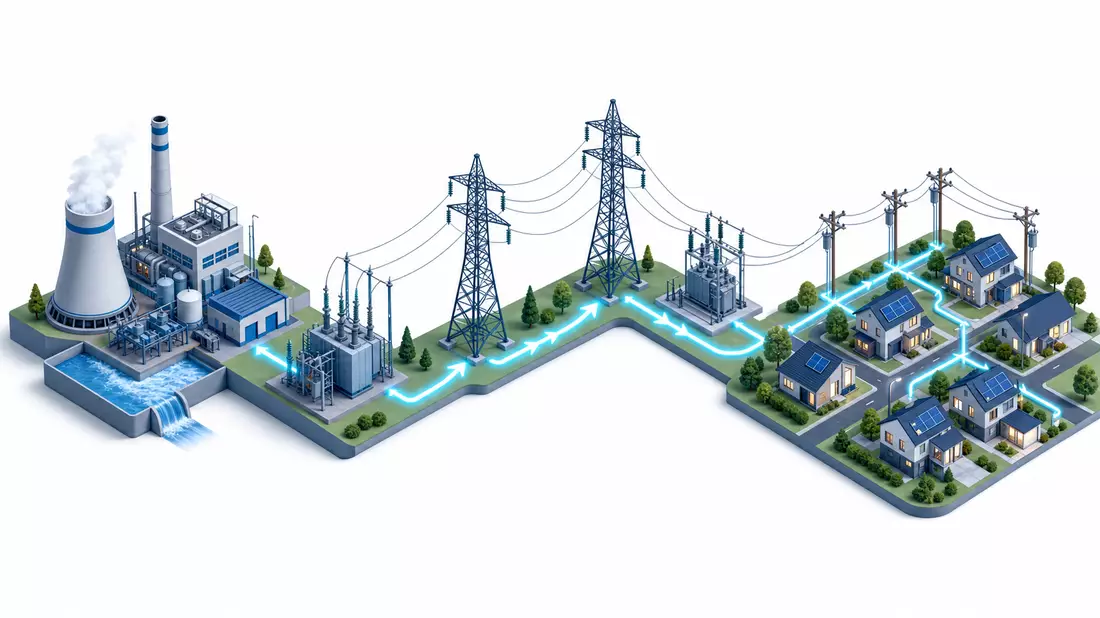
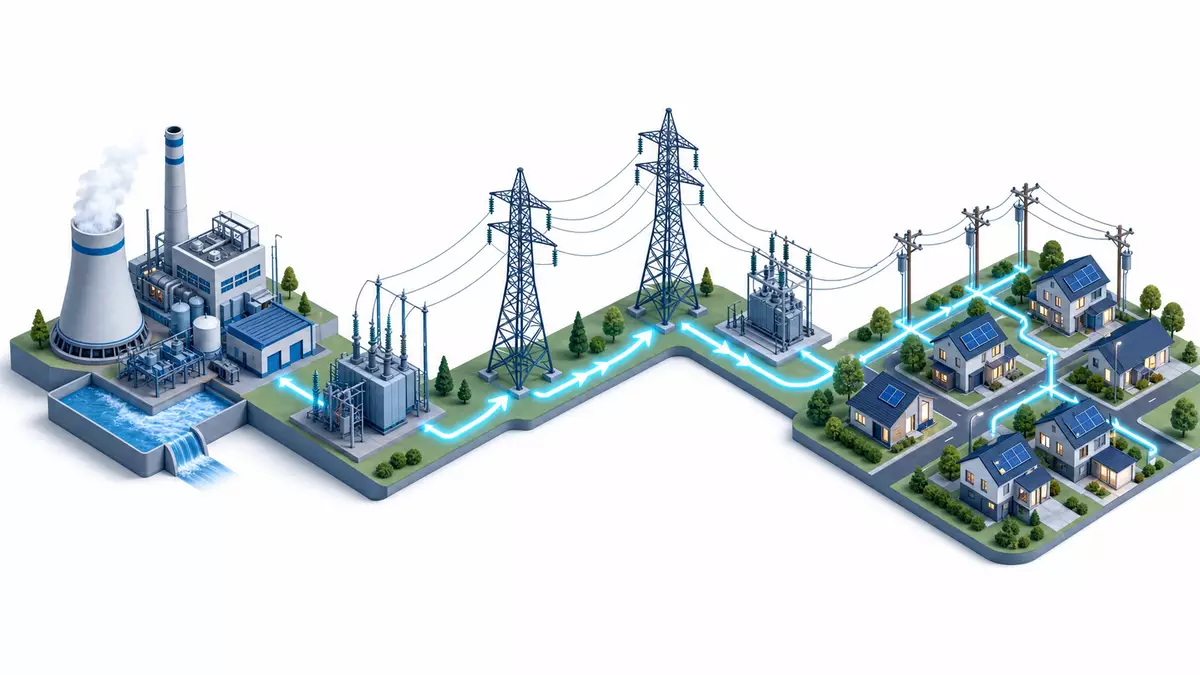
FirstEnergy Corp. (ISIN US3377381088) is one of the larger regulated electric utilities in the United States, and FirstEnergy stock continues to be driven mainly by steady regulated earnings and ongoing grid-modernization investments in its core regions. As a regulated utility serving millions of customers in several Midwestern and Mid-Atlantic states, the company’s financial profile is characterized by relatively predictable revenue and cash flows, coupled with a sizeable capital-expenditure program aimed at reinforcing reliability and supporting future load growth.
Revenue and earnings trends in recent years
In its most recent reported full fiscal year, FirstEnergy generated annual revenue in the range of roughly $12 billion, reflecting the scale of its regulated electric distribution and transmission businesses. The company’s reported revenue level has tended to grow modestly compared with earlier years, supported by approved rate adjustments, transmission upgrades, and incremental demand in certain service territories. Utilities like FirstEnergy typically experience gradual top-line changes rather than abrupt shifts, since tariffs and regulatory frameworks shape much of their revenue base.
On the earnings side, FirstEnergy has reported annual net income in the order of several hundred million dollars, a level consistent with the capital-intensive nature of its operations and the regulated returns allowed on its rate base. Compared with prior-year performance, reported earnings have shown periods of improvement as the company moves away from earlier strategic and legal challenges and focuses more narrowly on its core regulated businesses. At the same time, earnings variability can arise from weather, storm activity, and the timing of regulatory decisions, which influence revenue recognition and cost recovery.
Beyond headline net income, operating metrics such as earnings per share (EPS) provide investors with a clearer view of per-share profitability. Over recent reporting periods, FirstEnergy’s EPS has generally tracked modestly higher when underlying operating performance improves or interest and tax expenses normalize, while remaining sensitive to capital-structure adjustments and any share-count changes resulting from financing activities. The combination of steady EPS and the company’s dividend policy is central to the total-return profile that many investors expect from a regulated utility.
Dividend stability and payout metrics
FirstEnergy’s dividend remains a central feature of the investment case for FirstEnergy stock, given the importance of income to many utility investors. In the latest fiscal year, the company’s annual dividend payout has been set at a level that corresponds to a per-share distribution in the order of around $1.50 to $1.60 per year, depending on the precise quarterly rate. This translates into a dividend yield that is typically in the mid-single-digit percentage range relative to the prevailing share price, a level generally in line with many other large U.S. regulated utilities.
Historically, FirstEnergy’s dividend policy has aimed to balance shareholder income and the need to retain sufficient earnings to support capital spending. The payout ratio—measured as dividends relative to earnings—has often been managed around a level that seeks to maintain dividend sustainability while preserving room for reinvestment. When earnings improve or regulatory clarity increases, the company gains more flexibility to maintain or gradually raise its dividend, whereas earnings pressure or unexpected costs can limit the scope for further increases.
For investors, the absolute dividend level, the yield, and the payout ratio provide concrete metrics for assessing whether FirstEnergy stock aligns with income objectives. A higher yield may appear attractive, but must be evaluated against the underlying earnings coverage and the company’s capital needs over the medium term. Steady or gradually growing dividends, backed by recurring regulated earnings and a manageable payout ratio, typically support a more resilient income profile.
Capital expenditure profile and grid modernization
FirstEnergy’s business strategy involves substantial capital expenditure on its electric grid, transmission lines, substations, and related infrastructure, with multi-year investment plans often totaling several billion dollars. Over a typical planning period, the company may allocate in the region of $2 billion to $3 billion per year to capital projects, including reliability upgrades, storm-hardening measures, and technology investments such as advanced metering and grid automation. These expenditures expand the company’s regulated rate base, which in turn can support future revenue and earnings growth once approved in regulatory proceedings.
Compared with earlier years, the capital program has increasingly emphasized modernization and resilience, reflecting broader industry trends and regulatory expectations. Investments in distribution automation, digital monitoring, and smarter grid equipment are intended to reduce outage frequency and duration, improve customer service metrics, and enable more efficient integration of distributed energy resources. While these initiatives require significant up-front cash outlays, they can yield long-term operational savings and support more stable performance.
For FirstEnergy stock, the capital-expenditure trajectory is important because it influences both near-term free cash flow and longer-term earnings potential. High capital spending can compress free cash flow in the short term, especially when combined with dividend payments, and may necessitate debt issuance or other financing measures. Over time, however, the addition of completed projects into the rate base can lead to higher allowed returns, strengthening the earnings stream that supports dividends and debt service.
Balance sheet, debt, and interest costs
FirstEnergy’s balance sheet reflects the capital-intensive nature of the utility sector, with total debt in the range of tens of billions of dollars and a leverage profile typical of large regulated utilities. Annual interest expense therefore represents a material line item in the company’s income statement, influencing net income and EPS. Relative to prior periods, interest costs can increase or decrease depending on changes in benchmark rates, refinancing activity, and the mix of fixed versus floating-rate debt in the capital structure.
Debt metrics such as the debt-to-equity ratio and funds-from-operations-to-debt coverage are closely watched by credit analysts and investors. Maintaining these metrics within ranges considered appropriate for an investment-grade utility is important for preserving access to capital at reasonable rates. Over recent years, FirstEnergy has worked to reinforce its financial position, including steps to simplify the corporate structure and focus more sharply on regulated operations, which typically command more stable cash flows than merchant generation or non-core assets.
From the perspective of FirstEnergy stock, the interaction between leverage, interest costs, and earnings resilience is central to the risk profile. A too-aggressive leverage stance could heighten vulnerability to interest-rate shocks or regulatory setbacks, while overly conservative leverage might limit the ability to invest in growth or modernization projects. Investors often seek reassurance from steady credit ratings, manageable refinancing schedules, and evidence that regulatory relationships support reliable cost recovery.
Regulated utility model and customer base
FirstEnergy operates regulated electric distribution and transmission utilities that serve millions of customers across several U.S. states. The regulated model means that rates, returns, and investment recovery are largely determined through formal filings and decisions by state public utility commissions and other regulatory bodies. In exchange for a monopoly franchise in defined service territories, the company is obligated to provide reliable service, maintain adequate infrastructure, and comply with safety and environmental standards.
Customer counts across FirstEnergy’s service territories number in the millions, and usage profiles span residential, commercial, industrial, and governmental customers. Weather patterns, economic activity, and efficiency trends all influence electricity demand. For example, colder or hotter periods can drive higher heating or cooling loads, boosting electricity sales, while improved building efficiency or distributed solar installations can moderate demand growth. Over time, these factors shape the trajectory of FirstEnergy’s delivered kilowatt-hours and the mix of revenue by customer class.
Because the customer base is diversified across regions and sectors, demand shocks in one area may be offset by more stable conditions elsewhere, supporting overall revenue stability. The company’s ability to pass through certain costs, including fuel and purchased power, via regulatory mechanisms further contributes to predictable cash flows. However, unexpected events such as severe storms or economic downturns can still affect short-term financial performance and may require specific regulatory actions to address extraordinary costs.
Operational reliability metrics and outage performance
Operational reliability is a core focus for FirstEnergy, and utilities track metrics such as the System Average Interruption Duration Index (SAIDI) and System Average Interruption Frequency Index (SAIFI) to quantify outage performance. Over recent measurement periods, FirstEnergy has sought to improve these metrics through targeted investments in vegetation management, grid automation, and infrastructure replacement. Lower SAIDI and SAIFI values generally indicate fewer and shorter outages for customers, which can enhance customer satisfaction and regulatory standing.
Compared with past years marked by more pronounced outage challenges, efforts to upgrade lines, substations, and protective equipment have contributed to incremental reliability gains in many service areas. These improvements can also reduce restoration costs over time, since fewer large-scale outages mean less need for extensive repair crews and material deployment. In turn, operational savings may help offset parts of the capital program, supporting a more efficient cost structure.
For investors in FirstEnergy stock, reliability metrics matter because they influence both the company’s reputation and its regulatory relationships. Strong reliability performance can support constructive regulatory outcomes, including favorable rate-case decisions and approval of future projects, whereas persistent reliability issues may lead to regulatory scrutiny and potential penalties. Thus, the link between operational reliability and financial performance is an important dimension of the overall investment narrative.
Environmental and regulatory considerations
FirstEnergy’s business is subject to extensive environmental and regulatory oversight, including federal and state rules governing emissions, resource planning, and grid operations. Over time, the company has shifted its portfolio away from higher-emission generation and toward a more transmission-and-distribution-centric model, reflecting broader industry trends and regulatory preferences. This transition helps reduce exposure to certain environmental liabilities and aligns the company more closely with regulated utility frameworks focused on infrastructure rather than merchant generation risk.
Regulatory bodies also influence FirstEnergy’s long-term resource planning, including the integration of renewable energy, distributed resources, and energy-efficiency programs. While the company does not typically operate at the leading edge of utility-scale renewables ownership compared with some peers, it plays a role in facilitating interconnections, managing grid stability, and implementing customer-oriented efficiency and demand-response initiatives. The costs and benefits of these programs flow through rates under regulatory supervision, affecting both customer bills and the company’s allowed returns.
FirstEnergy stock therefore reflects not just financial metrics, but also the regulatory environment in which the company operates. Constructive regulatory relationships, clear frameworks for cost recovery, and supportive policies for grid investments can bolster investor confidence, whereas regulatory uncertainty or adverse decisions could temper sentiment. Over the medium term, how smoothly FirstEnergy navigates changing environmental and policy expectations will influence both earnings and valuation.
Peer comparison and sector positioning
Within the U.S. regulated utility sector, FirstEnergy is often compared with other large electric utilities that share similar characteristics: relatively stable revenue, sizeable capital programs, and reliance on regulatory approvals for returns. When evaluating FirstEnergy stock against peers, investors typically consider metrics such as price-to-earnings ratios, dividend yields, payout ratios, and leverage levels. In many cases, FirstEnergy’s valuation multiples sit within a band broadly comparable to the sector, sometimes at a modest discount or premium depending on market perceptions of its regulatory and operational profile.
Dividend yield, for instance, may be slightly higher or lower than peer averages depending on the share price and the absolute dividend rate. If FirstEnergy’s yield is higher than a peer group average, investors may perceive greater income appeal, but they also examine whether earnings coverage and regulatory stability justify that yield. Conversely, a lower yield may reflect stronger share-price performance or a more conservative payout stance, which can be attractive to some investors focused on long-term balance-sheet strength.
Similarly, earnings growth expectations relative to peers influence how the market prices FirstEnergy stock. Utilities with clearer paths to expanding rate base and earnings—via approved transmission projects or growing service territories—may command higher valuation multiples. FirstEnergy’s prospects in this regard hinge on its multi-year investment plans, regulatory decisions, and progress in addressing any legacy issues, including legal and governance matters that have drawn attention in prior periods.
Governance, legal backdrop, and risk factors
FirstEnergy’s governance and legal backdrop have been prominent in recent years, with the company confronting investigations and legal proceedings related to political and regulatory matters in certain states. Addressing these issues has involved settlements, compliance enhancements, and changes in leadership and oversight structures. While specific legal and governance details extend beyond purely financial metrics, they are important contextual factors for assessing risk and long-term stability.
In response to these challenges, FirstEnergy has taken steps to strengthen its compliance framework, enhance transparency, and align corporate governance practices more closely with investor expectations and regulatory requirements. Such measures aim to reduce the likelihood of future legal disruptions and to rebuild trust among regulators, customers, and shareholders. Over time, demonstrable improvements in governance can contribute to more stable regulatory relationships and potentially lower risk premiums assigned by the market.
For holders of FirstEnergy stock, the legal and governance history forms part of the broader risk assessment. The way the company manages these legacy issues, implements remedial measures, and communicates progress can influence investor sentiment. While core operations and financial metrics remain central, perceptions of governance quality and ethical standards can affect valuation and the willingness of long-term capital providers to support the company’s growth plans.
Product and service focus in regulated operations
FirstEnergy’s core offering is the delivery of regulated electric service—electricity transmission and distribution to residential, commercial, and industrial customers across its service territories. Unlike a consumer-facing technology company with discrete retail products, the utility’s primary “product” is reliable electric power and associated grid services, including voltage management, outage restoration, and customer billing and support. Within this framework, FirstEnergy may brand specific programs such as energy-efficiency initiatives, demand-response offerings, or smart-meter rollouts, but these generally operate within the broader regulated-service umbrella.
Revenue associated with these regulated services is largely determined through rate cases and regulatory filings, which set allowed returns on invested capital and define how costs are recovered from customers. In recent years, incremental revenue opportunities have arisen from approved transmission projects and advanced grid investments, which expand the rate base. At the same time, utilities must carefully manage affordability and bill impacts for customers, coordinating with regulators to phase in increases and allocate costs fairly across customer classes.
From an investor perspective, the “product” dimension of FirstEnergy’s business translates into a focus on reliability, customer satisfaction, and regulatory acceptance of its modernization efforts. Successful implementation of advanced metering infrastructure, grid automation, and customer-facing digital tools can reduce operational costs, improve outage performance, and support more efficient energy use. These outcomes, in turn, can help sustain regulated returns while demonstrating value to customers and regulators.
FirstEnergy stock and recent market valuation context
FirstEnergy stock trades on the New York Stock Exchange under the ticker symbol NYSE: FE, and its valuation reflects both company-specific factors and broader utility-sector dynamics. The share price typically reacts to changes in interest rates, sector sentiment, regulatory news, and earnings reports. For instance, in periods when long-term interest rates rise, utility stocks, including FirstEnergy, may face valuation pressure as income-oriented investors reassess yield-based allocations and as discounted cash-flow models adjust to higher discount rates.
Conversely, when interest rates stabilize or decline, and when regulatory and legal uncertainty recede, FirstEnergy stock can benefit from more constructive sector sentiment and renewed investor interest in steady dividend payers. The relationship between dividend yield and benchmark rates is particularly relevant: when utility yields stand comfortably above risk-free yields, the income proposition can appear more attractive, provided earnings and balance-sheet metrics support the payout.
Market capitalization—calculated as the share price multiplied by shares outstanding—provides another lens on FirstEnergy’s scale in the equity markets. This figure, often running into the tens of billions of dollars, positions FirstEnergy among the larger regulated utilities in the U.S., alongside other major names. A substantial market capitalization can support trading liquidity and index inclusion, which in turn influence how passive and active investors engage with the stock. Over time, changes in market capitalization reflect both fundamental performance and shifts in investor sentiment toward the sector.
Long-term themes shaping FirstEnergy’s outlook
Looking beyond near-term earnings and rate cases, several long-term themes shape the outlook for FirstEnergy and its peers. These include electrification trends, such as increased adoption of electric vehicles and electric heating, which could boost demand for electricity over the coming decades. If such trends materialize meaningfully in FirstEnergy’s territories, the company may need to invest further in capacity, grid flexibility, and charging infrastructure, all of which would feed into its capital-expenditure plans and rate-base growth.
Another long-term theme is the integration of distributed energy resources, such as rooftop solar, battery storage, and small-scale generation. While these resources can reduce net load from the grid, they also create new operational challenges and opportunities related to voltage control, two-way flows, and local balancing. FirstEnergy’s role in managing these dynamics will be closely monitored by regulators and customers, and the company’s ability to implement cost-effective solutions will influence both reliability and regulatory outcomes.
Additionally, technology evolution in areas like advanced analytics, grid monitoring, and cybersecurity presents both risks and opportunities. Utilities must invest in digital defenses against cyber threats to protect critical infrastructure, while also harnessing data tools to optimize operations, predict equipment failures, and enhance outage response. FirstEnergy’s investments in these areas, though not as visible as physical lines and substations, are integral to maintaining secure and efficient grid operations.
FirstEnergy stock closing context
In the equity market, FirstEnergy stock represents a blend of income and stability typical of regulated utilities, balanced by the need to address legal, governance, and modernization challenges. The company’s recent financial metrics—spanning revenue in the low tens of billions of dollars, annual net income in the hundreds of millions, and a dividend payout offering a mid-single-digit yield—frame the financial foundation on which its investment case is built. Over the medium term, how effectively FirstEnergy executes its grid-modernization plans, manages leverage, and navigates regulatory expectations will be critical to sustaining earnings and supporting its dividend policy.
For investors who focus on regulated utility exposure, FirstEnergy’s scale, customer base, and capital program position it as a significant player in the U.S. electric sector. While the stock’s performance will remain sensitive to interest-rate and sector sentiment shifts, the underlying regulated model and ongoing infrastructure investments provide a structural basis for recurring cash flows. As long as earnings coverage of the dividend remains adequate and regulatory outcomes support timely cost recovery, FirstEnergy stock is likely to continue reflecting the steady-through-cycle characteristics associated with large U.S. electric utilities.
FirstEnergy at a glance
- Company: FirstEnergy Corp.
- ISIN: US3377381088
- Ticker: NYSE: FE
- Trading venue: NYSE
- Sector / Industry: Utilities / Electric
- Index membership: S&P 500
Disclaimer zu unseren Artikeln: Keine Anlageberatung, keine Kauf oder Verkaufsempfehlung. Angaben zu Kursen, Unternehmen und Märkten ohne Gewähr; Änderungen jederzeit möglich. Börsengeschäfte können zu hohen Verlusten führen. Unsere Beiträge werden ganz oder teilweise automatisiert mit Unterstützung von AI erstellt und geprüft.