Finding Trustworthy Care: A Dental Practice in Berlin for Expats and Locals
27.02.2026 - 07:01:09 | ad-hoc-news.de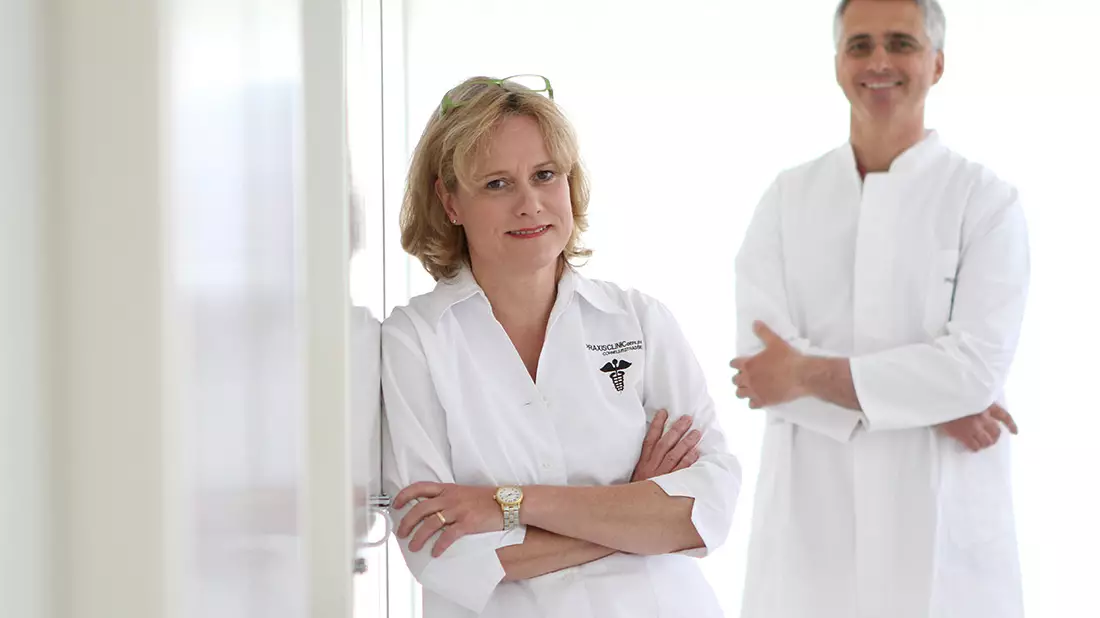
Arriving in Berlin, many international residents quickly learn how challenging it can be to find a healthcare team they truly trust. Booking a dentist often feels especially daunting. The vocabulary is unfamiliar, the insurance system is different, and the fear of being misunderstood is very real. For patients who already struggle with dental anxiety, the thought of describing pain, past treatments, or medical history in a foreign language can be overwhelming.
In this context, the choice of a dental practice is about much more than clean teeth or a filling. It is about feeling safe in a new city, knowing that someone will take the time to listen, explain, and guide you through decisions that affect not only your smile, but your overall health. For expats in particular, a practice that understands international expectations of quality, comfort, and transparency can make all the difference between postponing important treatment and finally taking care of long?standing dental issues.
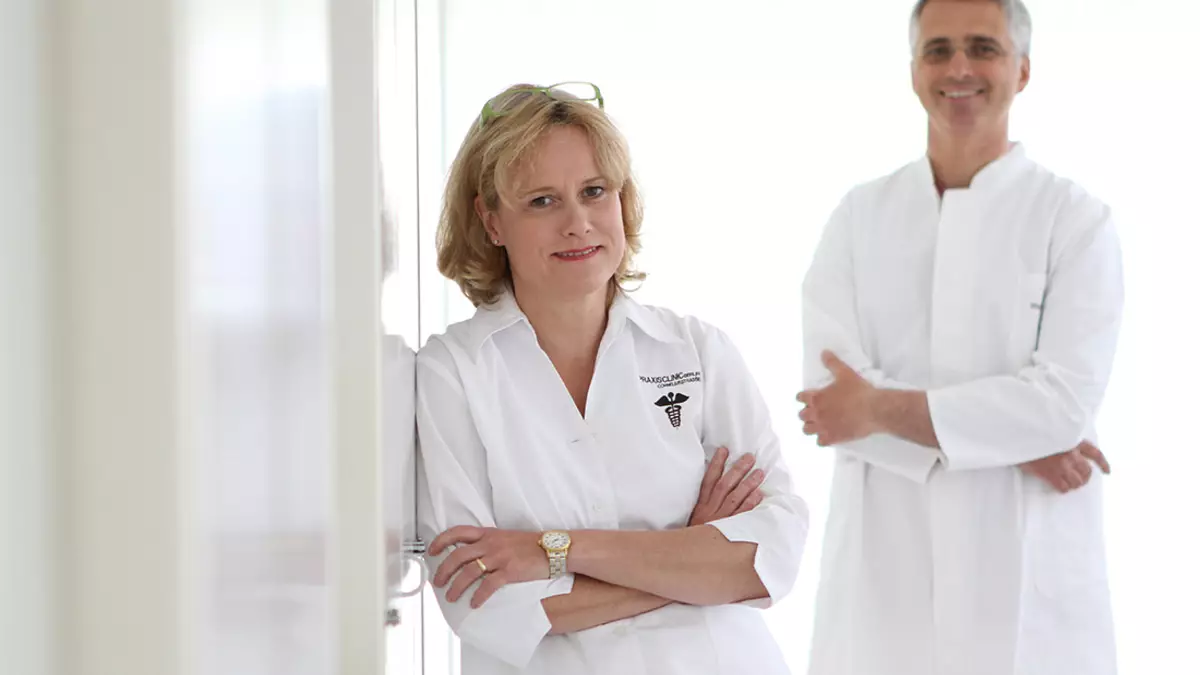
In Berlin's southwest, in the district of Steglitz near Schloßstraße and the neighboring area of Zehlendorf, Zahnarzt-Praxis Berlin Steglitz (Dr. Djamchidi & A. Jannack) has become such a reference point. This Dental Practice in Berlin Steglitz combines high?level German training with a very human, calm approach to care, making it especially appealing to both German patients and the international community.
What makes this dental practice stand out is not only its focus on tooth preservation, prophylaxis, and aesthetics, but a rare combination of qualifications: Dr. Djamchidi holds a double approbation as both physician (with specialization in ENT) and dentist, while dentist Annette Jannack is deeply specialized in endodontics and microscopic root canal treatment. For patients, this means that questions of oral surgery, implantology, and complex tooth preservation are considered from multiple medical angles instead of a narrow, purely dental perspective.
For many expats, this is particularly reassuring. In some countries, dentistry feels very separate from medicine; in others, a more integrated, systemic view is expected. Here, you find the best of both worlds. The team understands that behind every tooth there is a whole person with medical history, fears, and life plans – and that decisions about extractions, implants, or cosmetic treatments must fit your overall health and future.
Dental anxiety is another common topic among international patients. Perhaps you experienced painful treatments in the past, or you are used to a different approach to anesthesia and communication. In this Steglitz practice, time is taken to talk, not just to treat. The dentists address fears, offer minimally invasive approaches wherever possible, and, when appropriate, discuss sedation options such as so?called twilight sleep or gentle calming strategies. The goal is not to "be brave" in the chair, but to actually feel safe.
The "Double View": How Dr. Djamchidi Combines ENT Medicine and Dentistry
One of the most distinctive features of Zahnarzt-Praxis Berlin Steglitz is the double approbation of Dr. Djamchidi. He is not only a dentist, but also a fully trained physician with specialization in ENT (ear, nose, throat). For patients, this is more than an impressive CV detail – it has very concrete benefits in fields like implantology and oral surgery.
When placing dental implants, the dentist must understand far more than just the visible part of the tooth. In the upper jaw, implants in the back teeth area are located close to the maxillary sinus, an air?filled cavity within the facial bones. If there is insufficient bone height between the mouth and the maxillary sinus floor, a procedure known as a sinus lift is sometimes necessary. This involves delicately raising the sinus membrane and placing bone material so that an implant can be securely anchored.
For a procedure this close to the sinus and nasal structures, having a practitioner who also trained as an ENT specialist is a major safety plus. An ENT?trained implantologist is deeply familiar with the anatomy of the sinuses, nasal passages, and the complex connections between oral cavity, airway, and middle ear. This means potential risks – for example, perforation of the sinus membrane, chronic sinus irritation, or complicated anatomical variants – can be anticipated more precisely and managed with greater confidence.
In everyday language, it means that when you consider an implant here, the doctor is looking not only at the gap in your teeth, but also at your breathing, sinus health, and overall facial anatomy. Questions like chronic sinusitis, nasal polyps, past surgeries, or a tendency toward ear pressure can be highly relevant for planning. A double?qualified MD and dentist is trained to integrate this information seamlessly into your treatment plan.
Beyond sinus lifts, ENT expertise is also valuable in oral surgery, such as removal of deeply impacted teeth, operations near the jaw joint, and assessment of nerve pathways. In cases of radiating facial pain, it is not always obvious whether the origin is dental, sinus?related, or from the temporomandibular joint. A practitioner who can think in both medical and dental categories can help avoid unnecessary procedures and find the real cause faster.
Implantology also touches on systemic medicine. Conditions such as diabetes, osteoporosis, autoimmune diseases, or medication?induced bone changes (for example from certain osteoporosis drugs) influence the healing of bone around implants. As a physician, Dr. Djamchidi is trained to interpret your general medical history, lab results, and medication list comprehensively before suggesting oral surgery. That is crucial for expats who may already have complex medical backgrounds and worry whether German dentists will truly see the whole picture.
Another advantage of the dual background lies in the focus on biocompatibility. Materials placed in the mouth interact with the rest of the body. Whether it is implant materials, bone grafts, cements, or prosthetic components, an understanding of immunology and internal medicine helps minimize the risk of unwanted reactions. For patients who already experienced sensitivities or allergies in their home country, this interdisciplinary view is particularly reassuring.
In short, the double approbation of MD and dentist in this Dental Practice in Berlin Steglitz translates into a "double view": every implant or oral surgery is planned with both dental function and overall health in mind. It is a level of integration that many expats seek but rarely find.
Annette Jannack: The Preservationist and Endodontics Expert
On the other side of the practice's therapeutic spectrum stands dentist Annette Jannack, whose clinical passion is endodontics – the science and art of root canal treatment. While implantology focuses on replacing lost teeth, endodontics is all about saving teeth that are severely damaged but still worth preserving. The philosophy could be summed up as Zahnerhalt vor Zahnersatz: preservation of the natural tooth before replacement with artificial solutions.
Many patients associate root canal treatment with discomfort or long sessions. In modern endodontics, especially when performed with microscopic dentistry, the reality can be very different. Using an operating microscope, very fine instruments, and digital imaging, inflamed or infected tooth roots are cleaned, disinfected, and sealed with extremely high precision. This can allow teeth to remain functional for many years, even decades, that previously would have been extracted.
Why is this so important? A natural tooth is not just a chewing tool. It is anchored in your jaw in a way that stimulates bone, supports neighboring teeth, and contributes to the balance of the entire bite. Removing a tooth can start a chain reaction: shifting neighbouring teeth, overeruption of opposing teeth, and gradual bone loss in the area. Replacing it with an implant is a powerful solution, but it also involves surgery, time, and cost. An expertly performed root canal treatment, when medically appropriate, is often the most conservative and biologically respectful option.
In the Steglitz practice, endodontic treatment is planned in detail. Under local anesthesia, the tooth is opened, and the interior – the pulp space containing nerves and blood vessels – is carefully explored and cleaned. With microscopic dentistry, even very fine side canals and hidden structures can be found and treated. The canals are then shaped to allow thorough disinfection. Special solutions and activation techniques (for example ultrasound activation) help remove bacterial biofilms and tissue remnants.
Once the root system is free of infection, it is filled three?dimensionally with biocompatible materials. This hermetic seal is crucial to prevent reinfection. Afterward, the tooth is usually restored with a high?quality filling or crown, depending on how much structure was lost to caries or fracture. Throughout the process, the aim is to be both minimally invasive and maximally thorough – removing only what must be removed, while preserving as much healthy dental tissue as possible.
For expats who may have started root canal treatments abroad or are unsure whether a painful tooth can still be saved, a second opinion with a dentist focused on endodontics can be invaluable. Here, you can bring previous X?rays or reports, have them assessed calmly, and receive clear recommendations on whether tooth preservation is realistic or whether extraction and replacement really are better choices.
This commitment to tooth preservation does not stand in opposition to implantology; rather, it complements it. In this dental practice, endodontic expertise and surgical skills coexist in one coordinated team. Every case is weighed between saving and replacing, not steered automatically toward one direction for convenience. That balance is exactly what many international patients look for when they search for a trustworthy Zahnarzt in a new country.
Anxiety?Free Dentistry: Sedation, Empathy, and Clear Explanations
Beyond technical excellence, Zahnarzt-Praxis Berlin Steglitz places strong emphasis on the emotional side of dental care. Dental anxiety is common in all cultures and can be intensified when you do not understand the language or the sequence of steps during treatment. The team is mindful of this and structures appointments to reduce stress from the outset.
From the first conversation, the dentists encourage you to describe your fears in your own words. They do not dismiss anxiety as childish or irrational. Instead, they view it as an understandable reaction to past experiences or to the feeling of losing control. For many expats, simply hearing explanations in clear English about what will happen and why can significantly reduce tension.
When necessary, options such as gentle sedation or so?called twilight sleep are discussed. Under twilight sleep, you remain responsive but deeply relaxed and often have little memory of the procedure afterward. This can be particularly helpful for longer sessions – for example, multiple implants, complex oral surgery, or extensive restorative work. Local anesthesia is, of course, standard, ensuring that treatments are minimally or not at all painful.
Some patients also appreciate complementary supportive methods, for example very calm, structured communication, breaks on request, or distraction strategies. While homeopathic or other gentle supportive options may be discussed for general relaxation, the core of safety always lies in evidence?based anesthesia, hygiene, and technique. For the practice, empathy and modern medicine go hand in hand rather than excluding each other.
Ultimately, the goal is to transform the meaning of a dental visit from something you avoid to something you tolerate comfortably – or even experience as a form of self?care and investment in your future health.
The Local Setting: Classic Berlin Altbau in the Heart of Steglitz
The practice is located in Berlin's southwest, in Steglitz, a district known for its blend of lively city life around Schloßstraße and quiet residential streets leading toward Zehlendorf. Architecturally, this part of the city is shaped by Altbau buildings – classic pre?war structures with high ceilings, original staircases, and a characteristic Berlin charm.
Zahnarzt-Praxis Berlin Steglitz is housed in such an authentic Altbau. This means there is no elevator and access is via stairs. The team is transparent about this: the building is not barrier?free. For many patients, however, the classic architecture is part of the experience of living in Berlin – entering a piece of local history rather than a purely clinical box. Inside, the atmosphere is designed to be warm and welcoming rather than intimidating.
If you come by car, the location in Berlin's southwest offers realistic parking possibilities compared to more central districts. Public transport connections from Schloßstraße or neighboring areas like Zehlendorf are also convenient, making the practice easy to integrate into everyday life, whether you live nearby or commute from another part of the city.
The Patient Journey: From First Contact to Follow?Up
To understand what it feels like to choose this dental practice as an expat, it helps to walk through a typical patient journey step by step.
1. Initial Contact and Appointment
Many international patients first encounter the practice through its website, where you can find essential information in German and often in English. When you call or write to request an appointment, you can mention that you are an English?speaking patient; the team is accustomed to supporting international residents and can often offer communication in English.
At this stage, you can already indicate whether you have acute pain, need a second opinion on a suggested treatment, or are simply looking for a comprehensive check?up and prophylaxis. For more complex requests, such as implantology planning or evaluation of previous root canal treatments, the practice may propose a longer initial consultation to allow for thorough diagnostics.
2. Arrival and Anamnesis
On the day of your visit, you enter the historic Altbau, climb the stairs, and arrive in a bright practice environment that feels more like a calm living space than a sterile clinic. At the reception, you are guided through the registration process. For expats, one of the most stressful aspects of German healthcare – paperwork and insurance forms – is handled with patience and clear explanations.
You will fill out an anamnesis questionnaire covering your general medical history, medications, allergies, and previous dental experiences. If you have medical documentation from your home country, such as letters, medication lists, or radiographs, you can bring them. The fact that the leading dentist is also a physician reassures patients with complex conditions that these details are truly understood.
3. Clinical Examination and Conversation
During the first examination, the dentist takes time to listen to your story: what brought you to Berlin, how dentistry was done in your home country, and what your main concerns are. Then, a thorough clinical check of teeth, gums, bite, and oral mucosa is performed. If necessary, digital X?rays are taken to evaluate bone structures, roots, and the maxillary sinus floor.
If you come for a potential implant, the ENT?dental perspective of Dr. Djamchidi comes into play. He may assess the sinus region, bone volume, and your overall medical suitability for oral surgery. If you present with a painful, previously treated tooth, Annette Jannack will carefully examine the root canal situation, perhaps using microscopic dentistry tools to refine the diagnosis.
4. Treatment Planning and Second Opinions
One of the aspects that build the most trust for expats is transparent treatment planning. The dentists will outline different options in clear, non?technical language: for example, whether a tooth can be preserved with endodontics, whether a minimally invasive filling is sufficient, or whether implantology is the best long?term solution after an extraction.
At this stage, you are encouraged to ask questions: What are the risks? How long will healing take? How does this interact with my other medical conditions? Are there alternative materials for better biocompatibility? If you previously received a different recommendation at another clinic, this is the moment to use the practice as a second opinion partner, comparing approaches so you can make an informed decision.
5. Prophylaxis and Tooth Preservation
Regardless of whether you need major treatment, the foundation of care is always prophylaxis: professional cleanings, early detection of caries and gum disease, and coaching on home care techniques. For international patients, this sometimes reveals differences between hygiene practices in Germany and their home countries: for example, the frequency of professional cleanings, the role of interdental brushes, or the focus on early, minimally invasive intervention.
Wherever possible, the practice aims to preserve tooth structure. Small defects are treated with conservative, aesthetic fillings; early gum issues are addressed before they develop into periodontitis; and teeth with deep damage are evaluated for endodontic therapy before extraction is considered. This continuous focus on tooth preservation aligns well with the expectations of patients who want sustainable, long?term solutions rather than quick fixes.
6. Treatment Sessions and Anxiety Management
When you return for actual treatment – be it root canal therapy, an implant procedure, or aesthetic reconstruction – the atmosphere remains calm and structured. Appointment times are planned to avoid unnecessary waiting and to ensure that you do not feel rushed. You can discuss anesthesia options in advance, including sedation for longer or more anxiety?provoking procedures.
Throughout the session, the dentist explains what is happening in a step?by?step way, checking in on your comfort level. If you indicate you need a break, that request is taken seriously. The aim is to build positive experiences that gradually reduce your dental anxiety, instead of reinforcing old fears.
7. Follow?Up and Long?Term Care
After more complex treatments, such as implant placement or extensive endodontics, follow?up appointments are scheduled to monitor healing. This includes both clinical checks and, when necessary, imaging to confirm that bone and soft tissues are responding as expected. You receive clear instructions for home care and are encouraged to contact the practice if you have questions or unusual symptoms.
Over time, the dental practice becomes a familiar reference point in your Berlin life – a place where your dental history is known, your language needs are understood, and your medical complexity is respected. Instead of starting over with each new issue, you work together with a team that thinks ahead, plans preventively, and values continuity.
Why This Dental Practice in Berlin Steglitz Is a Strong Choice for Expats
Bringing everything together, Zahnarzt-Praxis Berlin Steglitz (Dr. Djamchidi & A. Jannack) offers a combination of qualities that is unusually well?suited to the needs of both locals and international residents:
• A truly interdisciplinary mindset, thanks to the double approbation of MD and dentist in ENT and dentistry, particularly valuable for implantology and complex oral surgery near the maxillary sinus floor.
• Deep expertise in endodontics and microscopic root canal treatment, embodying the principle of preserving natural teeth whenever medically possible before moving to prosthetics or implants.
• A clear understanding of dental anxiety and a commitment to anxiety?reducing strategies, including sedation options like twilight sleep, minimally invasive techniques, and compassionate communication.
• The possibility of English?language communication, reducing the language barrier that so often discourages expats from seeking timely care and second opinions.
• An authentic Berlin Altbau setting in Steglitz, close to Schloßstraße and within reach of Zehlendorf, with realistic access and the charm of classic architecture, combined with modern equipment inside.
• A focus on prophylaxis and long?term tooth preservation, not just quick interventions, helping you maintain oral health as a core part of your overall well?being in your new home city.
In a healthcare landscape that can feel bureaucratic and unfamiliar, especially for new arrivals in Germany, this practice offers something rare: high?level medical and dental competence anchored in a very human approach. Whether you need a simple check?up, advanced root canal therapy, or carefully planned implants supported by ENT knowledge, you can expect to be treated as a whole person, not just a set of teeth.
For expats and locals alike, choosing the right Zahnarzt is an investment in quality of life. In Berlin's southwest, Zahnarzt-Praxis Berlin Steglitz stands out as a place where international patients can feel understood, safe, and medically well?cared?for – step by step, from the first appointment up the Altbau stairs to a lasting, confident smile.