Fall Out Boy: The Pop-Punk Heroes Who Changed Music for a Generation of North American Fans
11.04.2026 - 07:14:08 | ad-hoc-news.de
Fall Out Boy burst onto the scene in the early 2000s as part of the pop-punk explosion that defined a generation. For young fans in North America, their music was more than just songs—it was a soundtrack for teenage rebellion, heartbreak, and triumph. Bands like Fall Out Boy captured the raw energy of youth, blending catchy hooks with deep, witty lyrics that spoke directly to kids navigating high school drama and big dreams.
Formed in Wilmette, Illinois, a suburb of Chicago, the band started as high school friends jamming in basements. Pete Wentz on bass and vocals, Patrick Stump on guitar and lead vocals, Joe Trohman on guitar, and Andy Hurley on drums came together in 2001. Their sound mixed punk rock's speed with pop's polish, creating anthems that were both fun to scream along to and smart enough to make you think.
Why do they matter now for North American readers? In an era of streaming and TikTok virality, Fall Out Boy's catalog feels fresh. Tracks from their early albums get remixed into viral challenges, while their later work influences new artists in emo, pop-punk revivals, and alternative scenes. Fans from Toronto to Los Angeles still pack shows, proving their staying power in a fast-changing music world.
Their breakthrough album, From Under the Cork Tree (2005), put them on the map. Hits like "Sugar, We're Goin Down" and "Dance, Dance" topped charts and MTV rotation. The album went double platinum in the U.S., selling millions and earning a Grammy nomination. It captured the chaos of young love with lines like "We're going down, down" that became instant sing-alongs at Warped Tour stops across the continent.
North American fans connected because Fall Out Boy toured relentlessly here first. They played sweaty clubs in Chicago, then exploded at festivals like Lollapalooza and Vans Warped Tour, building a loyal base from coast to coast. Canadian kids discovered them through MuchMusic and cross-border tours, making FOB a staple in both countries' youth culture.
After huge success, they took a hiatus from 2010 to 2013. This 'break' let members explore solo projects, but fans clamored for a reunion. Their 2013 comeback album, Save Rock and Roll, featured collabs with Elton John and Foxes, blending their punk roots with stadium-ready production. It debuted at No. 1 on the Billboard 200, showing their evolution while honoring origins.
What makes Fall Out Boy stand out? Pete Wentz's bass lines drive the energy, while Patrick Stump's vocals shift from screams to soulful belts. Lyrics are literary—pulling from books, history, and pop culture. Songs reference everything from Greek myths to 80s movies, rewarding repeat listens for smart young fans.
Take "Thnks fr th Mmrs," a sarcastic take on fleeting fame. Or "I Write Sins Not Tragedies" from Panic! at the Disco, but Fall Out Boy's style influenced that era's theatrical emo. Their influence ripples through artists like Olivia Rodrigo and Machine Gun Kelly, who cite FOB as inspirations for blending pop and punk.
In North America, their impact shows in charts and culture. Multiple albums hit Billboard top spots, with over 40 million records sold worldwide, a huge chunk from U.S. and Canada. They've won multiple Kerrang! Awards and MTV honors, but their real win is fan devotion—communities on Reddit, TikTok, and Discord keep the fandom alive.
Essential album guide for new listeners: Start with Take This to Your Grave (2003), their raw debut full of mosh-pit ready tracks like "Dead on Arrival." Move to Infinity on High (2007) for polished hits like "This Ain't a Scene, It's an Arms Race." For modern FOB, try Mania (2018), experimenting with electronic sounds but keeping the heart.
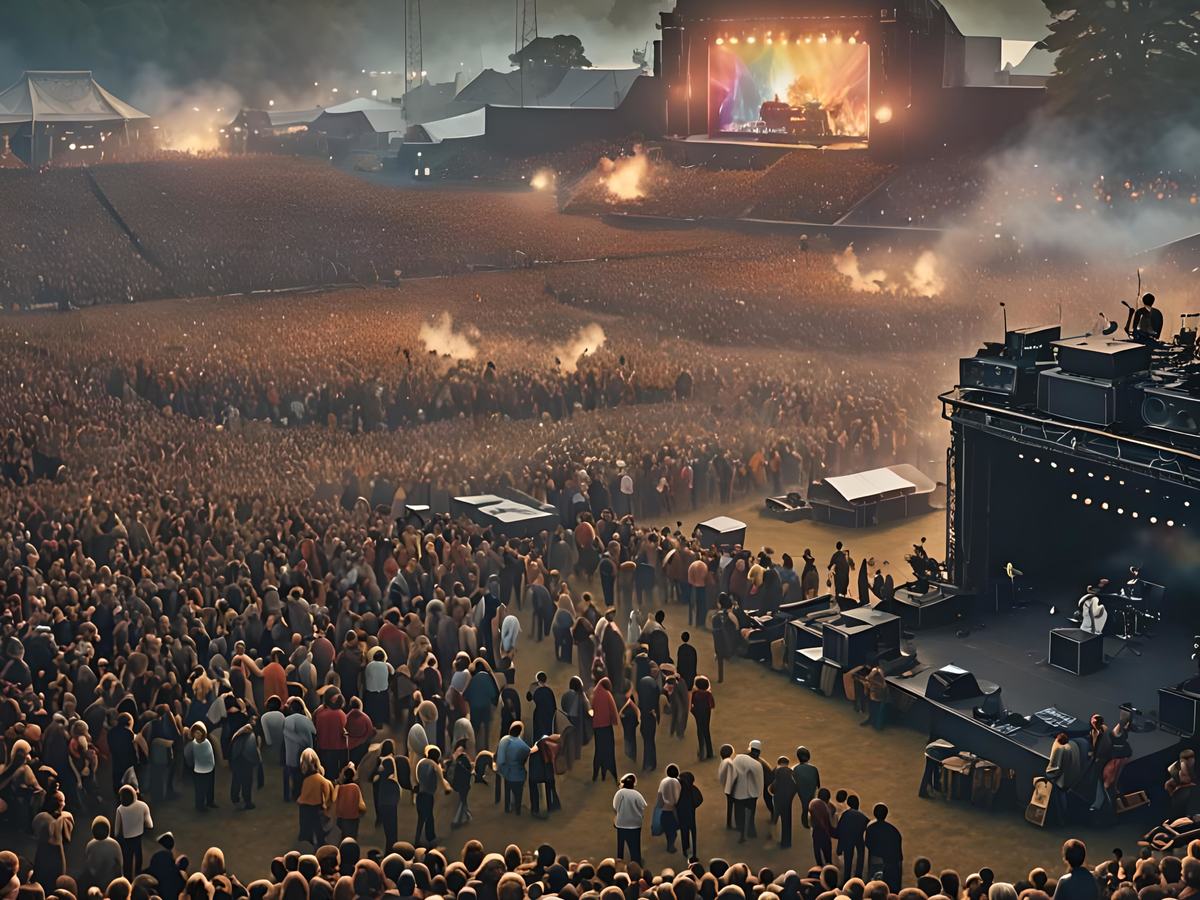
Live shows are legendary. Fall Out Boy's energy turns arenas into parties. Pyrotechnics, confetti cannons, and Stump's guitar solos make every concert epic. They've headlined Reading and Leeds, but U.S. festivals like Riot Fest feel like homecomings for Chicago boys.
Their style evolved too. Early days: skinny jeans, side-swept hair, studded belts. Now, more mature looks mix streetwear with rock edge. Wentz's fashion line, Clandestine Industries, influenced band merch culture.
Philanthropy matters to them. Through Fall Out Boy's involvement with charities like Feeding America and music education programs, they've given back to North American communities. Pete Wentz advocates for mental health, resonating with young fans facing similar struggles.
Key songs for your playlist:
- "Sugar, We're Goin Down" – The ultimate breakup banger.
- "My Songs Know What You Did in the Dark (Light Em Up)" – Stadium firestarter from 2013.
- "Centuries" – Empowering anthem with Roman empire vibes.
- "Immortals" – From the Big Hero 6 soundtrack, perfect for Disney-loving rock fans.
- "Light Em Up" – Raw energy for gym sessions or road trips.
Why start with Fall Out Boy now? Pop-punk is resurging. With My Chemical Romance reunions and new bands like Knocked Loose blending genres, FOB bridges old and new. North American streaming numbers spike on Spotify and Apple Music, especially among Gen Z.
Their lyrics tackle real issues: toxic relationships, identity, ambition. "The Phoenix" builds from quiet verses to explosive choruses, mirroring life's ups and downs. Fans say it helps through tough times, making FOB more than entertainment—a support system.
Collaborations expanded their reach. Working with Lil Wayne on "W.A.M.S," or Taylor Swift on remixes, showed versatility. But core fans love pure rock tracks like "Headfirst Slide into Cooperstown on a Bad Bet."
Band dynamics add story. Wentz's public personal struggles fueled honest songwriting. Stump's production skills elevated sound. Trohman and Hurley provide tight rhythm section, often underrated but crucial.
For Canadian readers, FOB's Toronto shows and MuchMusic appearances built strong ties. Albums charted high on Billboard Canada, with fans singing along in French/English bilingual crowds.
Movies and games feature their music: John Tucker Must Die, Twilight games, NHL playoffs. "Centuries" pumps up sports arenas from hockey rinks to football stadiums.
Discography deep dive: Post-hiatus, American Beauty/American Psycho (2015) mixed hip-hop beats with punk. Singles like "Uma Thurman" sampled 60s surf rock, going viral. Hella Mega Tour with Green Day and Weezer was a pop-punk dream for U.S. fans.
Recent stability: Albums like So Much (For) Stardust (2023) return to roots with folkier tones, produced by Neal Avron. Reviews praised emotional depth, hitting No. 4 on Billboard.
Influence on fashion: Emo bangs, hoodies, Converse—FOB helped popularize it. Today's e-boys/e-girls owe style debts.
Fan stories: At shows, kids meet heroes, share stories of how songs helped with bullying or loss. Online, #FOBFamily trends with covers, art, memes.
What next? Expect more tours, collabs, side projects. Wentz DJs, Stump produces. But band's core—making music that matters—remains.
For young North Americans: Stream their top hits, watch live DVDs, read Wentz's book Gray. Join the community defining alt-rock today.
Diving deeper into their rise: 2003's Take This to Your Grave caught Fuel Is My Soul Records' ear after demos. Island Records signed them, launching worldwide.
Controversies? Minimal—focus on music over drama, unlike peers. Hiatus rumors swirled, but communication kept fans loyal.
Awards: MTV Video Music Awards, Teen Choice nods. Kerrang! Legend status.
Production tricks: Layered vocals, key changes, time signature shifts keep songs dynamic.
North America dominance: Over 10 million U.S. album sales. Headlined Honda Civic Tour, drawing massive crowds.
Solo ventures: Stump's soul album Soul Punk, Wentz's Black Cards electronic project. All circled back to FOB.
2020s sound: Dear Future Self EPs experimented, building to full albums.
Why timeless? Adaptability. From punk to pop to rock opera elements.
For readers: Create playlist, attend local punk shows, explore influences like The Academy Is..., Gym Class Heroes.
Their story inspires: Small-town kids to superstars through talent, hard work.
Legacy: Pop-punk gatekeepers, evolving without losing edge.
More hits: "A Little Less Sixteen Candles, a Little More 'Touch Me,'" storytelling gem. "Saturday" raw emotion.
Live must-sees: Crowd surf, sing-alongs, encores stretching 30 minutes.
Merch culture: Creative tees with lyrics, art nods.
Mental health advocacy: Wentz's openness destigmatizes issues for youth.
Global but North America heart: Chicago pride in every riff.
Streaming tips: Spotify's 'This Is Fall Out Boy,' Apple 'Essential.'
Video must-watch: "Sugar" acoustic, live at Ryman.
Books: Wentz's I Have Issues memoir funny, insightful.
Podcasts: Interviews reveal song stories.
Revival wave: Olivia Rodrigo's Guts echoes FOB drama.
Future: Expect innovation, staying relevant.
Start journey: Play "Sugar," feel rush. Welcome to FOB world.
So schätzen die Börsenprofis Aktien ein!

Für. Immer. Kostenlos.