
Fabege stock trades steadily as rental income rises and portfolio values improve
Published on 07/19/2026 at 10:54 | Editorial responsibility: Rafael Müller, Editor-in-Chief AD HOC NEWS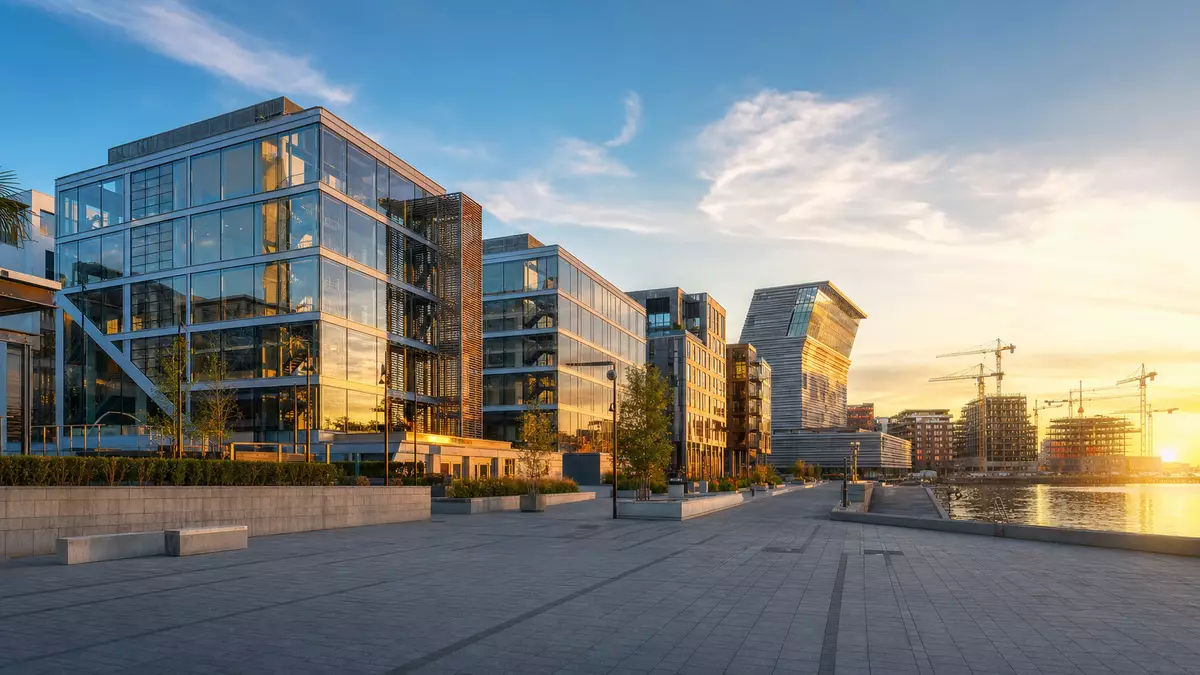
Fabege stock represents exposure to a focused Stockholm office and commercial property portfolio, with the Swedish real estate company Fabege AB (ISIN SE0011166974) generating stable rental cash flows from long term tenant relationships in key submarkets. The group concentrates on owning, developing, and managing properties in areas such as Arenastaden, Hammarby Sjöstad, and Solna, where high quality offices and mixed use buildings underpin recurring revenue and net operating income. For investors, the combination of rental income growth, development gains, and disciplined financing forms the core of the equity story around Fabege stock.
Rental income and net operating income
Fabege AB reports rental income as the central operating metric in its income statement, with revenue from property management forming the basis for net operating income. Over recent years the group has focused on increasing like for like rents through lease renegotiations, index linked escalators, and occupancy management, while selectively adding new space through development and acquisitions. This rental platform supports recurring earnings before value changes, giving Fabege a predictable cash flow profile compared to more transaction driven peers.
In addition to rental income, Fabege reports net operating income after property expenses as a key profitability indicator, reflecting both rent levels and cost control. Efficient property management, energy optimization, and digital tools help limit operating expenses relative to gross rents, supporting margins on the portfolio. As rents reset higher in attractive Stockholm locations and occupancy remains resilient, net operating income can grow faster than headline rental income, adding leverage to the earnings profile underpinning Fabege stock.
Property values and portfolio development
Fabege regularly revalues its property portfolio, with changes in fair value recorded in the income statement and the balance sheet, reflecting market yields, rent assumptions, and development progress. When market demand for modern, sustainable offices is strong and yields compress, Fabege can record positive value changes on its existing assets, while new projects that reach completion and leasing milestones also add fair value uplift. These value movements support net asset value growth over time, which is a key long term reference point for shareholders in Fabege stock.
The company combines long term ownership with active development, often transforming underused sites into modern office districts close to public transport and services. Development projects are typically phased, with pre letting and strong tenant demand reducing leasing risk as new buildings come on stream. Completed projects increase the income generating portfolio, while ongoing developments create future rental potential and NAV growth. Fabege's development pipeline and the pace of project completion therefore matter for the trajectory of both earnings and portfolio value metrics.
Capital structure and financing profile
Fabege finances its property portfolio with a mix of bank loans, bonds, and other interest bearing liabilities, with the group managing leverage to balance growth ambitions and financial resilience. The loan to value ratio on the property portfolio is an important metric, indicating the proportion of debt relative to fair value, and guiding decisions on new investments, disposals, and dividend policy. A moderate loan to value offers flexibility to handle valuation swings and refinancing cycles, while still allowing Fabege to pursue selective development opportunities that can enhance long term cash flows.
Interest costs are a significant expense, and the company uses a combination of fixed and floating rate instruments, hedging strategies, and bank facilities to manage interest rate risk. When market rates move higher, interest expenses can weigh on profit before tax, but index linked rents and lease renegotiations may offset part of the pressure over time. The balance between rental income growth and interest cost dynamics influences earnings per share and supports or constrains the ability to maintain dividends from Fabege stock.
Tenant base and lease structure
Fabege serves a broad tenant base across sectors such as services, technology, public institutions, and media, often with large anchor tenants occupying substantial floor space in flagship properties. Long term leases with break options and indexation clauses create visibility over future rental streams, while diversified tenant exposure reduces reliance on any single industry. The company continually works on customer relationships, workplace solutions, and property upgrades to retain tenants and attract new ones, supporting occupancy levels and rental growth.
Lease maturities are managed to avoid clustering large expiries in any single year, and active dialogue with tenants can lead to renewals, expansions, or adjustments that align space to evolving needs. In vibrant submarkets where Fabege has a strong presence, attractive locations and modern buildings aid retention and leasing to new occupants. Stable or improving occupancy interacts with index linked rents to underpin incremental rental income, reinforcing the earnings foundation for Fabege stock.
Focus on sustainability and urban development
Sustainability is integrated into Fabege's strategy, with efforts to reduce energy consumption, emissions, and environmental impact across its portfolio. The company invests in energy efficient building systems, green certifications, and transportation friendly locations, consistent with broader trends in tenant demand and regulatory expectations. Sustainable properties can enjoy stronger tenant interest, better occupancy, and sometimes lower operating costs, which supports both rental income and valuation resilience.
Urban development plays a central role in Fabege's business model, as the company contributes to shaping entire districts rather than single buildings. By coordinating offices, amenities, and infrastructure, Fabege aims to create attractive environments where businesses and employees thrive. This district oriented approach can enhance the value of the portfolio over time and differentiate Fabege compared with more dispersed landlords, providing a narrative that complements the numerical metrics investors follow in Fabege stock.
Market environment and office demand
The economic environment and trends in office usage influence demand for Fabege's properties. Macroeconomic growth, employment levels, and business confidence in Sweden and Stockholm drive tenant expansion or consolidation decisions, affecting leasing volumes and rent potential. Structural shifts in workplace patterns, including hybrid work and flexible office solutions, shape space requirements and tenant preferences for layout, amenities, and location.
Fabege adapts its offering by designing flexible floor plates, shared spaces, and modern services that align with evolving corporate needs. In prime locations with good transport links and high quality buildings, demand for well designed offices can remain resilient, even as overall office demand adjusts. This relative resilience in core submarkets can support Fabege's ability to maintain occupancy and gently raise rents over time, providing a stabilizing factor for the cash flows behind Fabege stock.
Comparison with peers and sector positioning
Within the Swedish listed property sector, Fabege is positioned as a specialist in Stockholm offices and commercial districts rather than a diversified owner of housing or logistics. This specialization means its performance is closely tied to the health of the Stockholm office market and the success of its key areas such as Arenastaden and Hammarby Sjöstad. Compared with more geographically spread landlords, Fabege's concentrated footprint can amplify both the benefits of strong local demand and the risks of any localized weakness.
Investors in Nordic property stocks often compare metrics such as loan to value, interest coverage ratio, net asset value per share, and like for like rental growth when assessing relative sector positioning. Fabege's emphasis on active development and district creation adds another dimension to these comparisons, as development returns and leasing success play a notable role alongside pure income metrics. The balance between income stability and value creation potential informs how Fabege stock is viewed among Swedish real estate equities.
Dividends and shareholder returns
Fabege aims to deliver shareholder returns through a combination of dividends and long term growth in net asset value. The dividend policy generally reflects recurring earnings from property management, adjusted for development and investment needs, while taking into account leverage and market outlook. Over time, reinvestment of cash flows into value enhancing projects can complement dividend payouts, so that total return includes both cash distributions and capital gains linked to NAV growth.
For shareholders, the evolution of dividend per share, payout ratio relative to recurring profit, and stability across cycles are important aspects of the return profile. In years with robust rental growth and manageable interest costs, the company may have greater flexibility to sustain or increase dividends, whereas periods of higher financing expenses or softer valuations can lead to greater caution. This dynamic is typical of listed real estate, and Fabege stock follows the same logic, with income distribution framed by the underlying portfolio economics.
Risk factors and portfolio resilience
Several risk factors accompany an investment in a concentrated office landlord such as Fabege. Interest rate movements impact borrowing costs and property yields, while economic slowdowns can lead tenants to reduce space or seek rent concessions. Changes in workplace preferences may alter demand for traditional office layouts, and regulatory developments around sustainability, zoning, and taxation can affect costs or development timelines.
Fabege seeks to mitigate these risks through portfolio quality, geographic focus on strong submarkets, long term leases, active customer relationships, and prudent financial management. Modern, energy efficient buildings in attractive, transport linked locations may prove more resilient than older or poorly located properties, supporting occupancy and valuation even in more challenging conditions. These factors contribute to how investors assess the risk reward balance implicit in Fabege stock.
Representative property and district
A representative example of Fabege's property and district strategy is a modern office building in a mixed use area that combines workplaces, retail, and services close to key public transport nodes. Such a building typically offers flexible floor plates, energy efficient systems, and amenities that appeal to corporate tenants seeking both functionality and employee well being. The surrounding district benefits from coordinated planning and investments that make it a desirable location for business, reinforcing leasing prospects.
Fabege stock and listed market context
Fabege stock is listed on the Stockholm based exchange, giving international and domestic investors access to the company's office oriented property portfolio in a liquid, regulated market. The share price reflects expectations around rental income, valuations, development returns, and financial structure, as well as broader macroeconomic and interest rate trends that affect listed property valuations. Over time, movements in net asset value and earnings, alongside changes in sentiment toward real estate, influence how Fabege stock trades relative to underlying book values and peers.
Fabege identity and market data
- Company: Fabege AB
- ISIN: SE0011166974
- Ticker: omitted
- Trading venue: Stockholm
- Sector / Industry: Real Estate / Office and commercial property
- Index membership: omitted


